










Best Sunglasses for Toddlers: A Parent’s Pick
You know the moment: you’ve finally wrangled shoes on, snacks packed, suncream applied - and your toddler is already squinting at the pavement like it’s a spotlight. Sunglasses feel like a small thing until you realise how quickly bright days turn into watery eyes, cranky moods, and a constant battle to keep them facing the right direction.
If you’re searching for the best sunglasses for toddlers, you’re not looking for tiny fashion accessories. You’re looking for real UV protection, a fit that stays on, and frames that can survive the full toddler lifestyle: being sat on, flung into the buggy basket, dropped on tarmac, and “cleaned” with a sleeve.
What actually makes sunglasses “the best” for toddlers?
Toddlers don’t wear sunglasses the way adults do. They don’t baby them, they don’t put them back in a case, and they definitely don’t adjust them gently with two hands. So “best” is a mix of safety, comfort, and realistic durability.
Start with protection. If the lenses aren’t giving 100% UV protection (look for UV400 or wording that clearly states 100% UVA and UVB protection), they’re not doing the job. Dark lenses without proper UV filtering can be worse than no sunglasses at all, because they may encourage the pupil to open wider while still letting UV in. The lens tint is not the protection - the UV filter is.
Next comes fit. Toddlers have small noses, soft ears, and constantly moving heads. Sunglasses that slide down invite two outcomes: instant rejection or constant fiddling. You want a shape and size designed for their age bracket, with a gentle, secure fit that doesn’t pinch.
Then there’s durability. This is the part most parents learn the hard way. “Kids sunglasses” can mean anything from properly engineered frames to flimsy plastic that warps the first time it’s bent. The best pairs are made to flex, twist, and bounce back.
Finally, consider how your toddler will actually wear them. If you’re always outdoors, near water, or on holiday, polarised lenses can be a game-changer. If you’re mostly doing nursery runs and park trips, non-polarised with full UV protection may be enough.
UV protection: the non-negotiable
Toddlers’ eyes are still developing, and they tend to spend more time outside during peak daylight hours than we do. They also look up a lot - at the sky, at you, at the top of the slide - which increases exposure.
When you’re shopping, ignore vague phrases like “UV resistant” unless it clearly states 100% UVA/UVB or UV400. If you’re buying online, the product page should make this explicit. If it doesn’t, move on.
A quick note on category labels: you might see lens categories (often 2 or 3 for sunny days). These describe tint darkness for visible light comfort, not UV protection. You can have a light tint with full UV protection, and a dark tint with poor UV protection. Always prioritise the UV claim.
Fit that stays put (without a battle)
Fit is where most “best sunglasses” lists fall apart, because every toddler face is different. Still, a few principles hold up.
First, choose age-based sizing where possible. Toddlers generally fall into a 0-2 or 3-5 bracket, but your child’s head size matters more than their birthday. If your toddler is between sizes, size up if the frames are designed to sit securely, but don’t go so large that they rest on cheeks or slide when they look down.
Second, pay attention to the bridge. Many adult-style frames rely on a pronounced nose bridge to stay in place. Toddlers don’t have that yet, so frames designed for little faces sit better and feel more comfortable. If sunglasses leave red marks or your child keeps pulling at them, it’s usually a fit issue rather than a “my toddler hates sunglasses” issue.
Third, consider coverage. Bigger lenses can mean better protection from light coming in at the sides, but oversized frames can also bump cheeks and get shoved off during play. The sweet spot is good coverage without that “mask” feeling.
If your toddler flat-out refuses any sunglasses, start small: put them on for short bursts in the pram, in the car (when they’re not actively climbing), or when the sun is low and glare is intense. Many kids accept sunglasses once they realise they can actually see better with them.
Durability: toddlers will test the build quality
If you’ve ever fished sunglasses out from under a scooter wheel, you already know why this matters.
Look for frames described as flexible, bendable, or “virtually indestructible” (and ideally backed by a real guarantee). Hinges are a common failure point, so designs that minimise fragile moving parts can last longer. Lens material matters too: impact-resistant lenses are a safer choice for active toddlers than brittle plastics.
There’s also the practical durability of everyday life: can they be rinsed under the tap after a sandy beach day? Do they tolerate being shoved into a changing bag next to a half-eaten banana? The best toddler sunglasses aren’t delicate.
Polarised or not? It depends on your days
Polarised lenses reduce glare bouncing off flat, reflective surfaces like water, wet roads, and sand. If your toddler squints badly at the seaside, at the paddling pool, or even on bright winter days when the pavement reflects light, polarised can make outings more comfortable.
The trade-off is cost. Polarised sunglasses are usually more expensive, and for some toddlers who rarely face strong glare, you may not notice a dramatic difference beyond the comfort of a good tint.
If you’re choosing one pair for all-round use, polarised is a solid upgrade. If you want a spare pair for nursery bags and grandparents’ houses, a standard lens with 100% UV protection is often the sensible second pair.
Frame styles: what works for real toddlers
Style isn’t just about cuteness (though yes, toddler sunglasses can be ridiculously adorable). Different shapes sit differently on little faces.
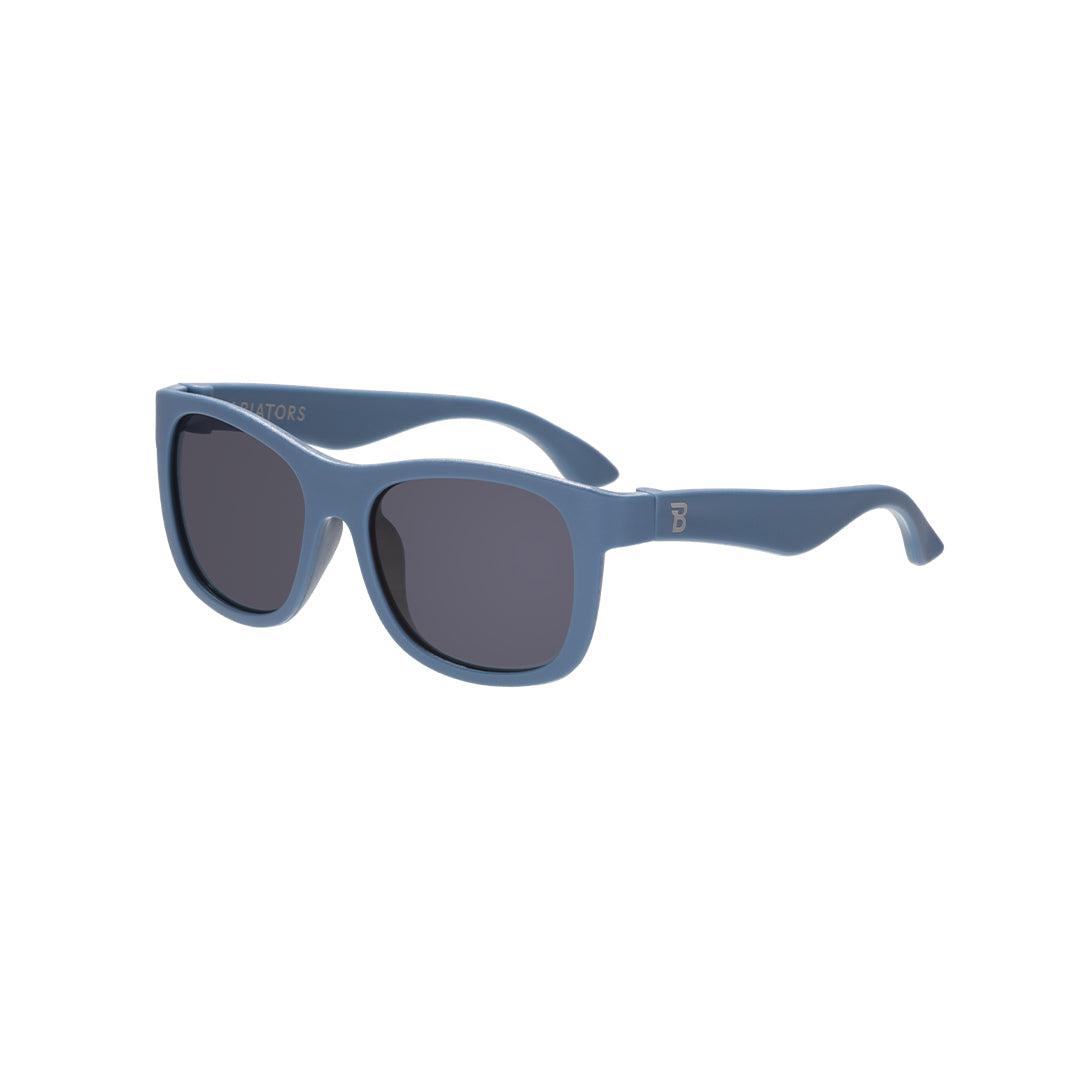
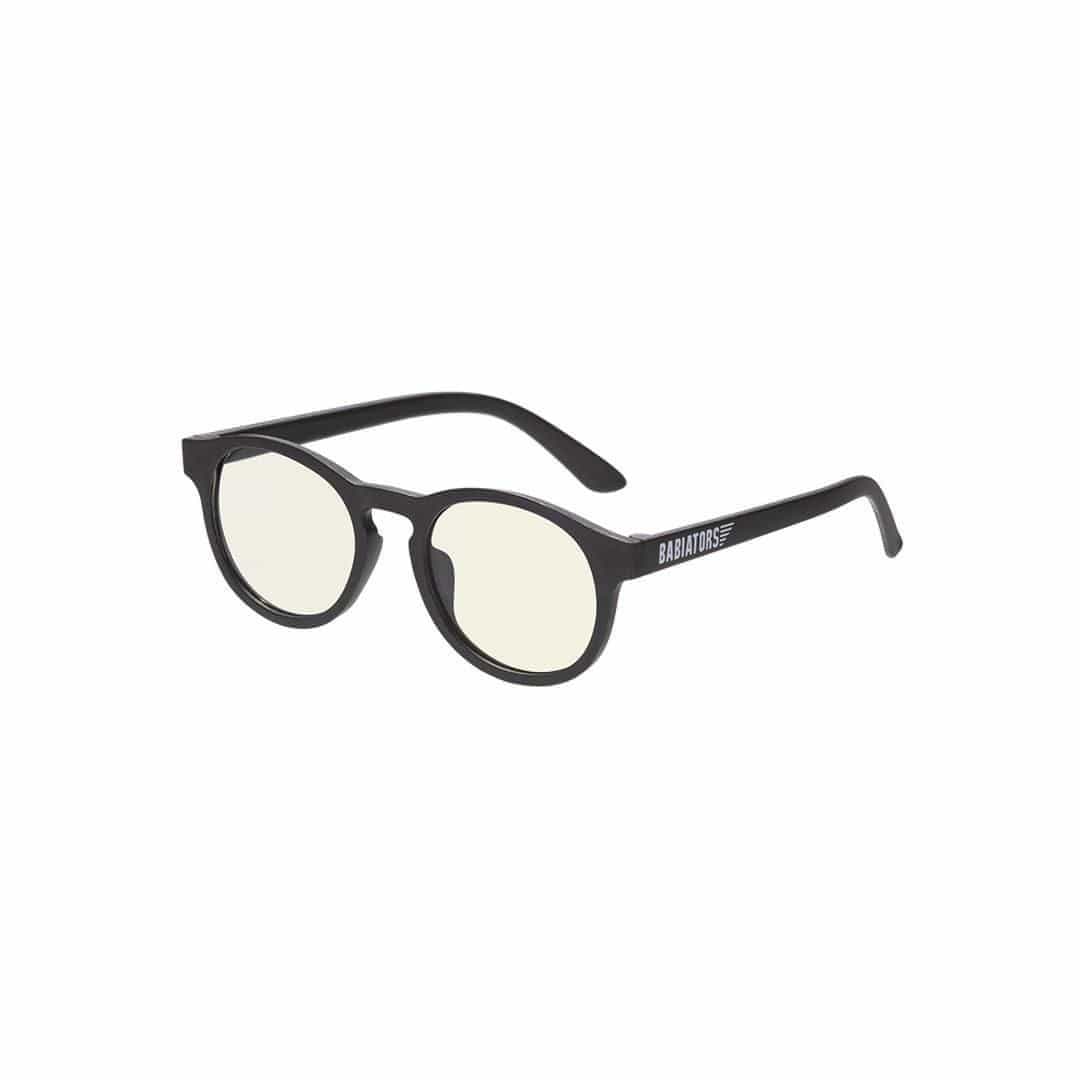
Round frames often suit smaller faces and can feel softer and less “serious” for kids who resist anything unfamiliar. Navigator and aviator-inspired shapes can offer great coverage and a classic look, but make sure they’re scaled properly for toddlers so they don’t overwhelm the face. Keyhole-style bridges can be comfortable if the frame is designed for small noses rather than simply miniaturised.
If your toddler loves choosing their own outfit, give them some ownership here. A child who picks hearts or flowers is often more willing to keep them on. You’re still choosing the protection and fit - they’re choosing the vibe.
Safety and comfort details parents overlook
A few smaller details can make a big difference in whether sunglasses become a daily habit or end up forgotten at the bottom of the buggy.
Check the inside edges for comfort. Toddlers’ skin can be sensitive, especially around the ears. Smooth, well-finished arms are less likely to irritate. Weight matters too. If a pair feels heavy in your hand, it’ll feel heavy on a toddler.
Think about cleaning. Lenses will get fingerprints, suncream smears, and mystery marks. If you can wipe them clean quickly without constant scratching, you’ll use them more. A soft pouch or case helps, but only if it’s realistic for your routine.
And consider the “lost factor”. Toddlers drop things. A lot. If you’re buying a premium pair, it’s worth choosing a brand that reduces the risk, whether that’s through a replacement policy or simply by building sunglasses tough enough to survive the drops.
Buying online: how to get it right the first time
Online shopping is often the easiest route for parents - no dragging a toddler round shops, no trying to keep sunglasses on them under fluorescent lighting. But you need clarity.
Look for a clear sizing guide by age and fit notes for different head sizes. Product photography should show the frames on children in the relevant age bracket, not just posed studio shots. Lens technology should be obvious: Original versus Polarised should not be buried in tiny print.
If you want the simplest route, choose a range that organises by style, age sizing (like 0-2 and 3-5), and lens type. That reduces the guesswork and helps you buy once, not three times.
If you’d like a straightforward place to start, Babiators UK organises frames by kid-friendly styles and age-based sizing, with 100% UV protection built in and an “Awesome Guarantee” that replaces broken sunglasses free for one year - a real relief if your toddler treats eyewear like a trampoline.
When you might need more than one pair
It sounds extra until you’ve lived it: one pair in the changing bag, one pair at nursery, one pair at Granny’s. The best sunglasses for toddlers are the ones you actually have when the sun appears.
If budget allows, consider a “main” pair with polarised lenses for holidays and long outdoor days, then a backup pair for everyday errands. The backup doesn’t need bells and whistles, but it still needs 100% UV protection and a comfortable fit.
A helpful closing thought
The goal isn’t to win a daily argument about keeping sunglasses on. The goal is to make sun safety feel normal - like buckling a car seat or putting on a hat. Find a pair that fits, feels good, and survives toddler life, and you’ll be surprised how quickly sunglasses become just another part of getting out the door.
 Back to Blog

