










Sunglasses Warranty for Children Explained
A pair of children’s sunglasses can go from playground hero to bottom-of-the-buggy casualty in a single afternoon. That is exactly why a sunglasses warranty for children matters so much. Parents are not just buying a cute accessory. They are buying eye protection, everyday durability and a little peace of mind when life gets messy.
When you are shopping for kids’ sunglasses, the warranty is not a small detail buried in the fine print. It can be the difference between replacing broken shades again and again, or feeling confident that your child’s sunglasses are built for real life. For babies, toddlers and older children alike, that reassurance counts.
Why a sunglasses warranty for children matters
Children do not treat sunglasses like adults do. They twist the arms, drop them on pavements, sit on them in the car and forget them in the sand. Even the most careful child will have moments when their sunglasses take a hit.
That is why a proper sunglasses warranty for children is part of the product, not an extra. It shows that the brand expects rough handling and has designed for it. More importantly, it lowers the risk for parents who want to invest in better eye protection but do not want to keep paying for replacements.
There is also a health angle here. If sunglasses break and are not replaced quickly, children often end up going without them. For families who spend lots of time outdoors, on holiday, at the beach, in the garden or on ski trips, that gap in protection matters. A warranty helps keep good sun-safety habits going.
What parents should look for in a children’s sunglasses warranty
Not all warranties are equally helpful. Some sound generous until you read the terms. Others are refreshingly straightforward. The best ones are clear, easy to claim and built around the way children actually use their sunglasses.
Coverage should match real kid behaviour
A useful warranty should account for accidental breakage. If a child snaps a frame, bends it beyond use or damages the sunglasses during normal play, parents need to know whether that is covered. A warranty that only protects against manufacturing faults may be technically valid, but it will not feel very supportive when a toddler launches their shades across the kitchen.
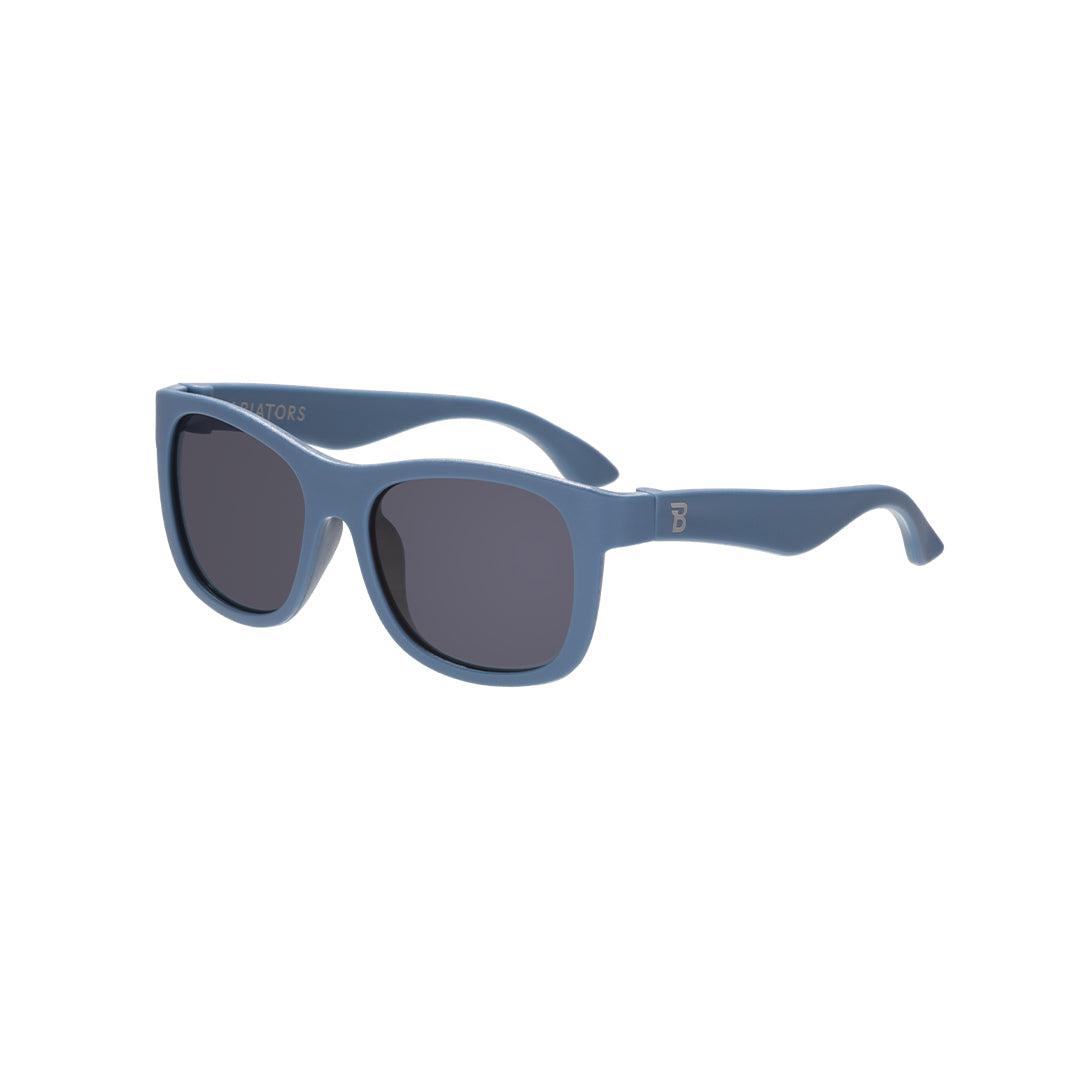
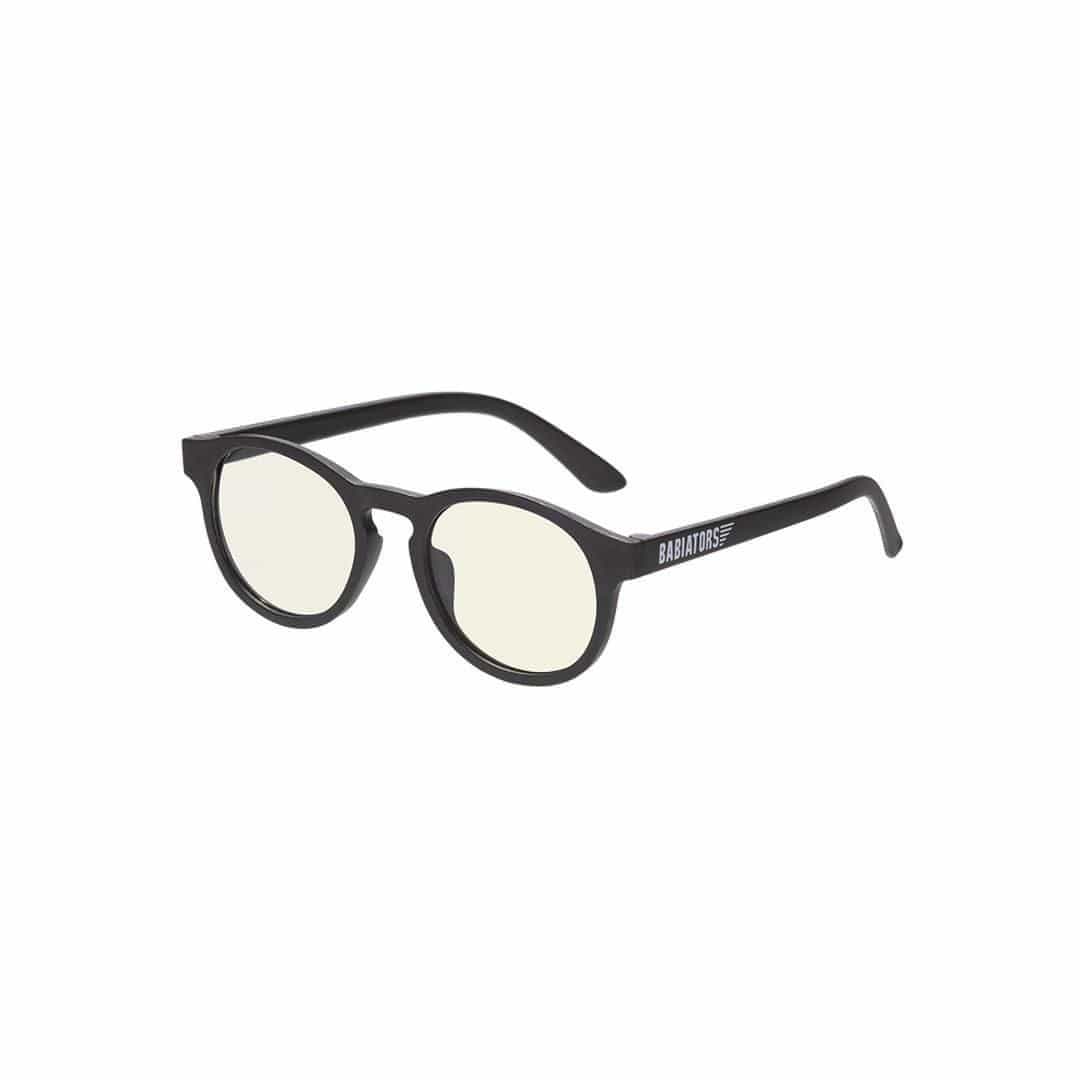
This is where a stronger promise stands out. Babiators UK, for example, backs its children’s sunglasses with an Awesome Guarantee that replaces broken sunglasses free for one year. That kind of policy is easy for parents to understand because it speaks plainly. Kids are hard on sunglasses. If they break, you are not left starting from scratch.
The claim process should be simple
A complicated claims process can make a good warranty feel useless. Parents are busy. They do not want to fill in pages of forms, wait weeks for an answer or hunt for paperwork they no longer have.
A strong warranty experience should feel low-drama. Clear instructions, reasonable proof of purchase requirements and a quick response all matter. If the process is easy, parents are far more likely to use it and stay loyal to the brand.
Time limits need to be realistic
One year is often a practical benchmark for children’s sunglasses. It covers the period when sunglasses get the most wear and when children are most likely to test their limits with them. It also gives families a full summer, holidays and day-to-day outdoor play without the pressure of a very short policy window.
Longer is not always better if the terms become restrictive. A shorter warranty with genuinely useful accidental breakage cover can be more valuable than a longer one that excludes almost everything.
Warranty versus durability - you need both
A warranty should not be there to excuse weak design. Parents still need sunglasses that are made for children from the start. The best approach is a combination of durability and backup.
Frames should be flexible, comfortable and able to handle bending and dropping. Lenses should offer 100% UV protection, because safety comes first. Sizing should also be clear, since a poor fit means sunglasses are more likely to be pulled off, lost or damaged.
A warranty then adds confidence on top. It says, in effect, these sunglasses are built for adventure, and if life still wins, you are covered. That is a much better position than hoping a cheap pair survives a toddler.
The trade-off parents often face
There is a common tension when buying children’s accessories. Many parents hesitate to spend more on something that might get broken. That reaction is understandable. Kids grow quickly, they lose things and they can be wonderfully chaotic.
But cheaper sunglasses often create a false economy. If they crack easily, slip off all the time or do not offer dependable UV protection, parents may end up buying multiple pairs anyway. That can cost more in the long run and leave children without proper protection in the meantime.
A well-made pair with a sensible warranty changes the calculation. It shifts the focus from cheapest upfront price to overall value. For many families, especially those who are outdoors often or travel regularly, that is a smarter buy.
How warranties support sun safety
Children’s eyes are especially vulnerable to UV exposure, and building sun-safe habits early matters. Hats, shade and good sunglasses all play a role. The problem is consistency. Protection only works when children actually wear it.
That is why parent confidence matters so much. If you know your child’s sunglasses are durable and backed by a clear replacement promise, you are more likely to make them part of the daily routine. You are less likely to save them for special outings and more likely to use them on the school run, in the park and during weekend adventures.
In that sense, a warranty does more than protect a purchase. It supports better habits. It helps remove the little doubts that stop parents from committing to proper eye protection.
When a warranty matters most
Some families will get more value from a warranty than others. If your child is very young, especially in the baby and toddler stages, accidental breakage is almost guaranteed at some point. Sunglasses are grabbed, chewed, thrown and folded in ways no adult would ever attempt.
Warranties are also especially helpful for active families. If you spend weekends outside, travel often, ski, head to the coast or simply have children who never sit still, sunglasses get put through more. In those cases, backup is not a luxury. It is practical.
That said, a warranty is still worth having even if your child is careful. Accidents happen to everyone. A dropped buggy, a tumble at nursery or an overenthusiastic game in the garden can be enough.
Questions worth asking before you buy
Before choosing children’s sunglasses, it helps to look at the warranty with the same attention you give the frame style or lens type. Ask yourself whether the cover is easy to understand. Check whether breakage is included, how long the cover lasts and what you need to make a claim.
Also think about how the sunglasses fit your child’s age and routine. Babies and toddlers need lightweight comfort and a secure fit. Older children may care more about style as well as performance. If the sunglasses suit the child, they are more likely to wear them, and that makes every part of the purchase work harder.
A good warranty cannot fix the wrong size or a shape your child refuses to keep on. But when the fit, protection and durability are right, warranty cover adds the final layer of reassurance.
The best warranty is the one you never need - but trust anyway
Parents want products that keep up with childhood, not products that need protecting from it. That is why the strongest warranties feel confident rather than cautious. They are built around the reality that children will be children.
When you see a clear sunglasses warranty for children, it tells you something important about the brand behind it. It suggests they understand family life, they know how tough kids can be on everyday essentials and they are willing to stand behind what they make.
That kind of promise makes buying easier. It removes hesitation, supports better sun safety and gives parents one less thing to worry about when heading out the door. And with children, one less worry is always a very good thing.
 Back to Blog

