










How to Keep Baby Eyes Safe in the Sun
That first bright day out with your baby can catch you off guard. One minute you are enjoying a stroll, the next your little one is squinting, turning away from the light, or rubbing tired eyes. Baby skin gets most of the sun-safety attention, but eyes need protection too.
Young eyes are especially vulnerable to UV exposure because the structures inside them are still developing and let in more light than adult eyes. Add in long buggy walks, beach days, garden play, ski trips and family holidays, and it is easy to see why parents ask how to protect baby eyes from sun in a way that actually works in real life.
Why baby eyes need extra sun protection
Babies and young children are not just small adults. Their eyes are clearer and more sensitive, which means more ultraviolet light can reach the back of the eye. They also cannot always tell you when the glare feels uncomfortable. Instead, you might notice watery eyes, fussiness, squinting or turning their head away from bright light.
UV exposure is not only a hot-weather issue either. Sun can be strong in spring, at the seaside, in the mountains and on overcast days. Water, sand, snow and pale paving all reflect light back upwards, so a child can get a double hit of brightness. That is why eye protection matters whether you are heading to the park, the paddling pool or the slopes.
The goal is not to keep children indoors. It is to raise your sun safety with a few smart habits that work together.
How to protect baby eyes from sun every day
The best approach is layered. Shade helps. A hat helps. Good sunglasses help. Together, they make outdoor time safer and more comfortable.
Start with timing where you can. If the sun feels harsh in the middle of the day, look for shaded routes, covered pram options or play spots with trees and shelters. You do not need to plan life around the forecast, but a little thought goes a long way.
Then add physical shade. A buggy hood can reduce direct overhead light, although it should not block airflow. A wide-brimmed sun hat helps shield the face and eyes better than a standard cap, especially for babies who are not yet wearing sunglasses happily.
Finally, use proper UV-protective sunglasses designed for children. This is the bit many parents delay, often because they assume babies will pull them off or because cheap pairs seem good enough. But the right pair can make a real difference.
What to look for in baby sunglasses
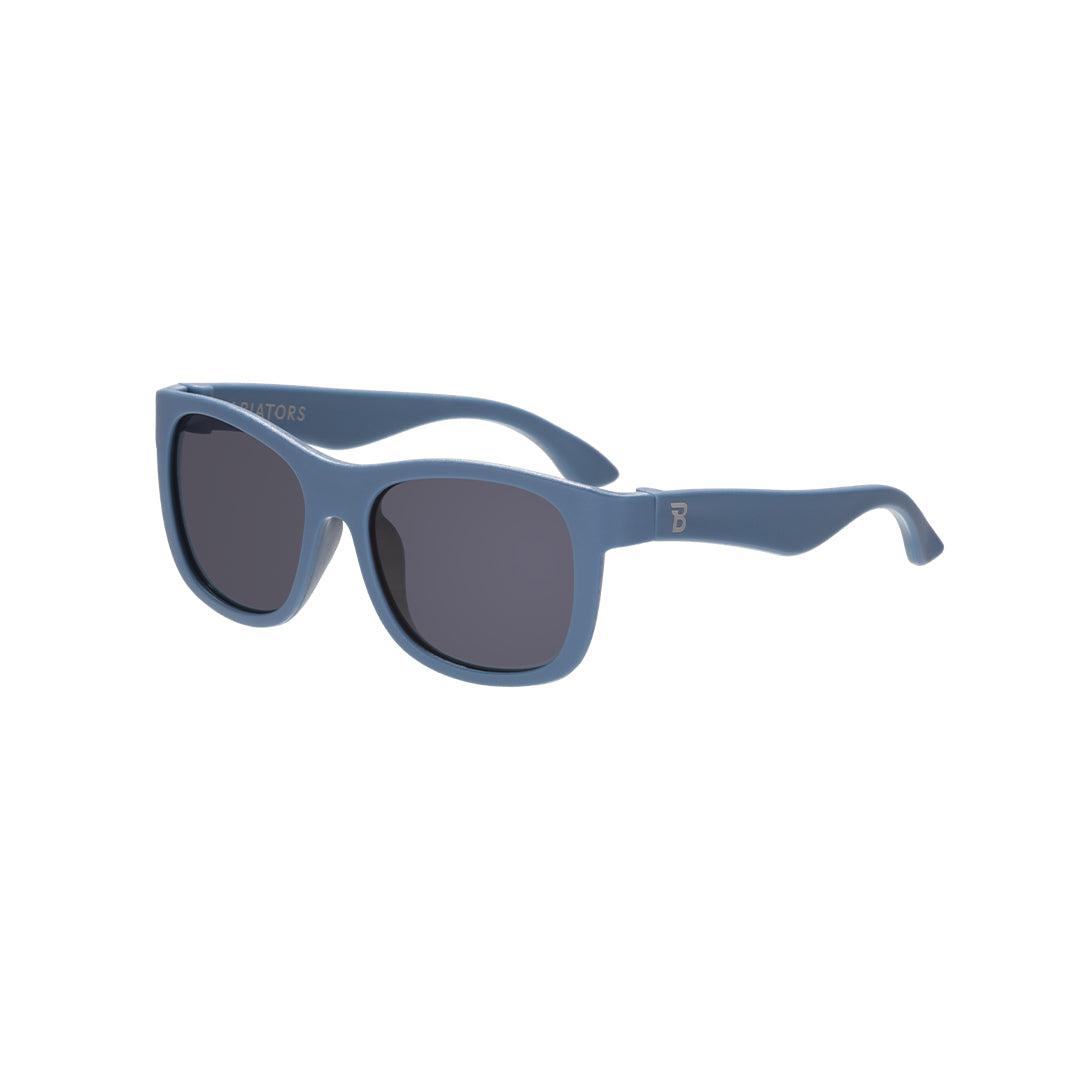
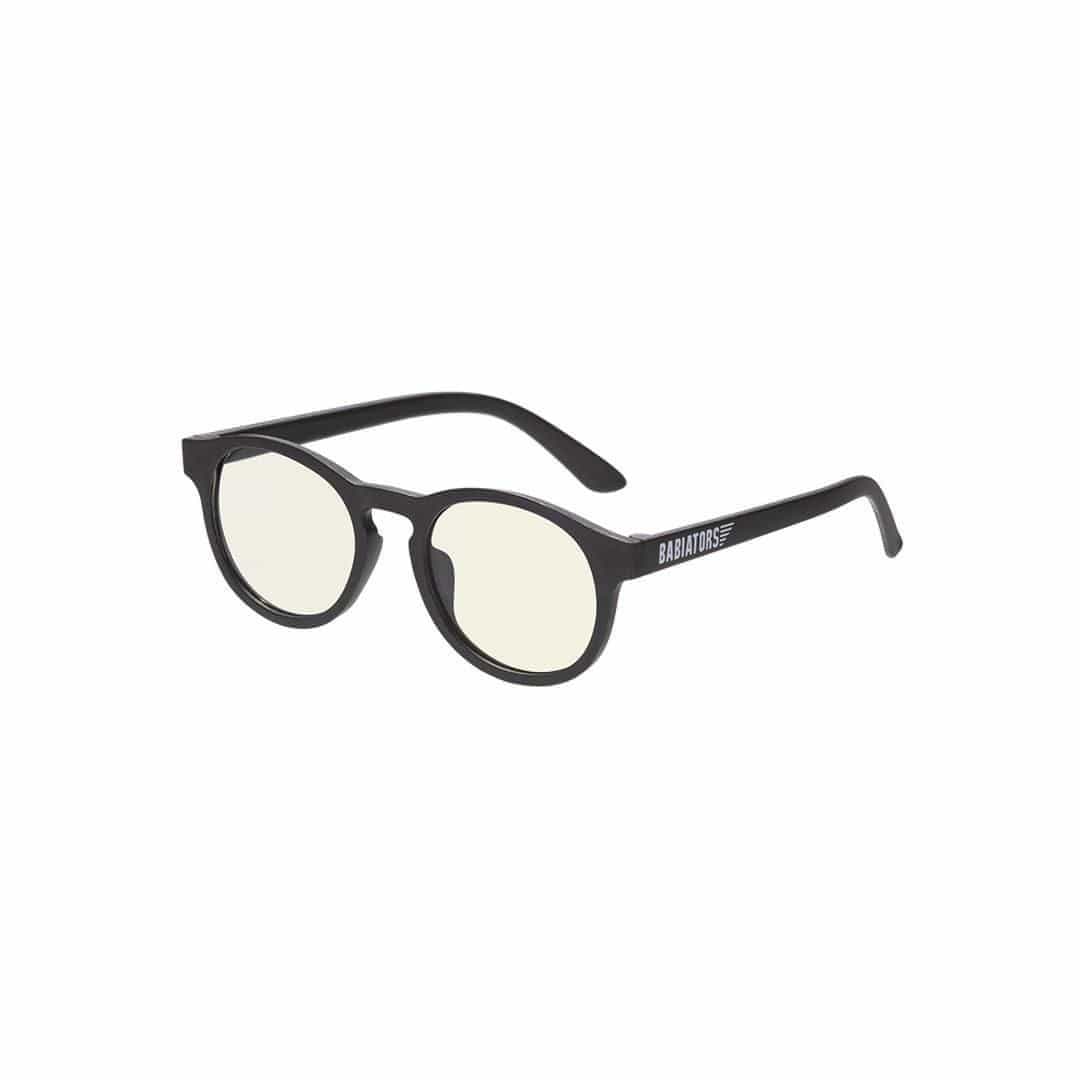
If you are choosing sunglasses for a baby, toddler or young child, UV protection comes first. Look for lenses that offer 100% UVA and UVB protection. Dark lenses alone are not enough. In fact, if a lens is dark but does not block UV properly, it can be worse than no sunglasses at all because the pupil opens wider.
Fit matters almost as much as lens protection. Sunglasses should sit comfortably, stay in place and not pinch behind the ears or slide down the nose. If they are constantly slipping, your child will fight them. If they feel too tight, they will not last long before ending up launched across the buggy.
Durability is another big one. Parents do not need delicate accessories for little people who sit on things, bend things and throw things for sport. Flexible, child-proof frames are worth it because they survive normal kid behaviour far better than flimsy fashion pairs.
Polarised lenses can also be useful, especially around water, snow or very bright surfaces, because they cut glare and make outdoor time more comfortable. That said, not every child needs polarised lenses for every outing. For everyday park trips and nursery pick-up, the key thing is reliable 100% UV protection and a fit your child will actually keep on.
How to get babies and toddlers to wear sunglasses
This is where theory meets parenting. The best sunglasses in the world do not help much if your child removes them after six seconds.
For babies, start small. Put sunglasses on for short periods in the buggy or baby carrier when the sun is bright. Keep the mood light and relaxed. If they pull them off, try again later rather than turning it into a battle. Repetition usually works better than pressure.
Toddlers often respond well when sunglasses feel like part of the routine, just like shoes before going outside. Put them on before you leave the house, not once your child is already overstimulated in the car park. A mirror can help too. Children love seeing themselves, especially in fun shapes and colours.
It also helps when the sunglasses are made for actual children, not mini adult styles with awkward proportions. The right size is easier to keep on and more comfortable for longer wear. If you are shopping by age, keep things simple and choose a pair built for your child’s stage rather than guessing.
Shade still matters, even with sunglasses
Parents sometimes wonder if sunglasses alone are enough. Usually, no. Sunglasses are one part of a bigger sun-safety picture.
A wide-brimmed hat reduces light entering from above and around the frames. Shade from a pram hood, parasol or tree lowers overall brightness. This matters because UV can still reach the eyes from the sides and from reflected surfaces.
There is also an age and tolerance factor. Some very young babies may wear sunglasses well, while others are happier with a hat and buggy shade for shorter outings. It depends on the child, the weather and how long you are outside. The answer is not one perfect trick. It is combining a few sensible ones.
Common situations where eye protection gets overlooked
Beach days are an obvious one, but they are not the only time children’s eyes get a lot of sun. UV exposure sneaks up during ordinary routines.
A buggy nap on a bright pavement, lunch in a sunny beer garden, an afternoon in the garden, a walk near water, or a winter holiday with snow on the ground can all create intense glare. Even car journeys matter. Standard car windows do not always block all UVA, and low sun can be uncomfortable for little eyes.
That is why it helps to keep sunglasses somewhere easy to grab rather than saving them for special occasions. If they live in the changing bag or buggy basket, you are more likely to use them when the sun suddenly appears.
How to protect baby eyes from sun on holiday
Holidays can mean longer outdoor days, stronger sunlight and more reflective surfaces, so this is when parents tend to notice eye discomfort faster.
For warm-weather trips, pack a hat, sunglasses and at least one backup option if your child is prone to dropping things. For beach time, rinse sunglasses gently if they get sandy and store them in a case when not in use. For ski trips, be extra mindful of glare. Snow reflects a huge amount of UV, so eye protection is not optional just because the air feels cold.
This is also where durability pays off. Family travel is full of rushing, packing, snacks, naps and things getting trodden on. Products made to handle real life make the whole experience easier on everyone.
When parents should be extra cautious
If your baby has very light sensitivity, persistent watery eyes, redness, or seems unusually uncomfortable in daylight, it is worth speaking to a GP, health visitor or optician. Sun protection is important, but it is not a fix for every eye issue.
Children with certain medical conditions or after specific eye treatments may need extra care too. If you have been given clinical advice, that should always come first.
For most families, though, the main challenge is consistency. The trick is making eye protection easy enough that it becomes automatic.
Make sun safety feel normal
Children copy what they see. If older siblings and grown-ups wear sunglasses and hats, younger children are more likely to accept them as part of going out. Keep the message simple. We wear these to protect our eyes. No drama, no long explanations.
That is also why parents love products that remove friction. Clear sizing, fun styles, and frames built to last make it easier to stick with the habit. At Babiators UK, that thinking sits behind everything from age-based sizing to durable designs and 100% UV protection, because safe can still be playful.
You do not need perfect conditions or perfect compliance. A shady route, a sun hat, a pair of proper UV sunglasses and a bit of routine can do a lot to protect young eyes. Start early, keep it simple, and let sun safety become just another part of an amazing day outside.
 Back to Blog

