








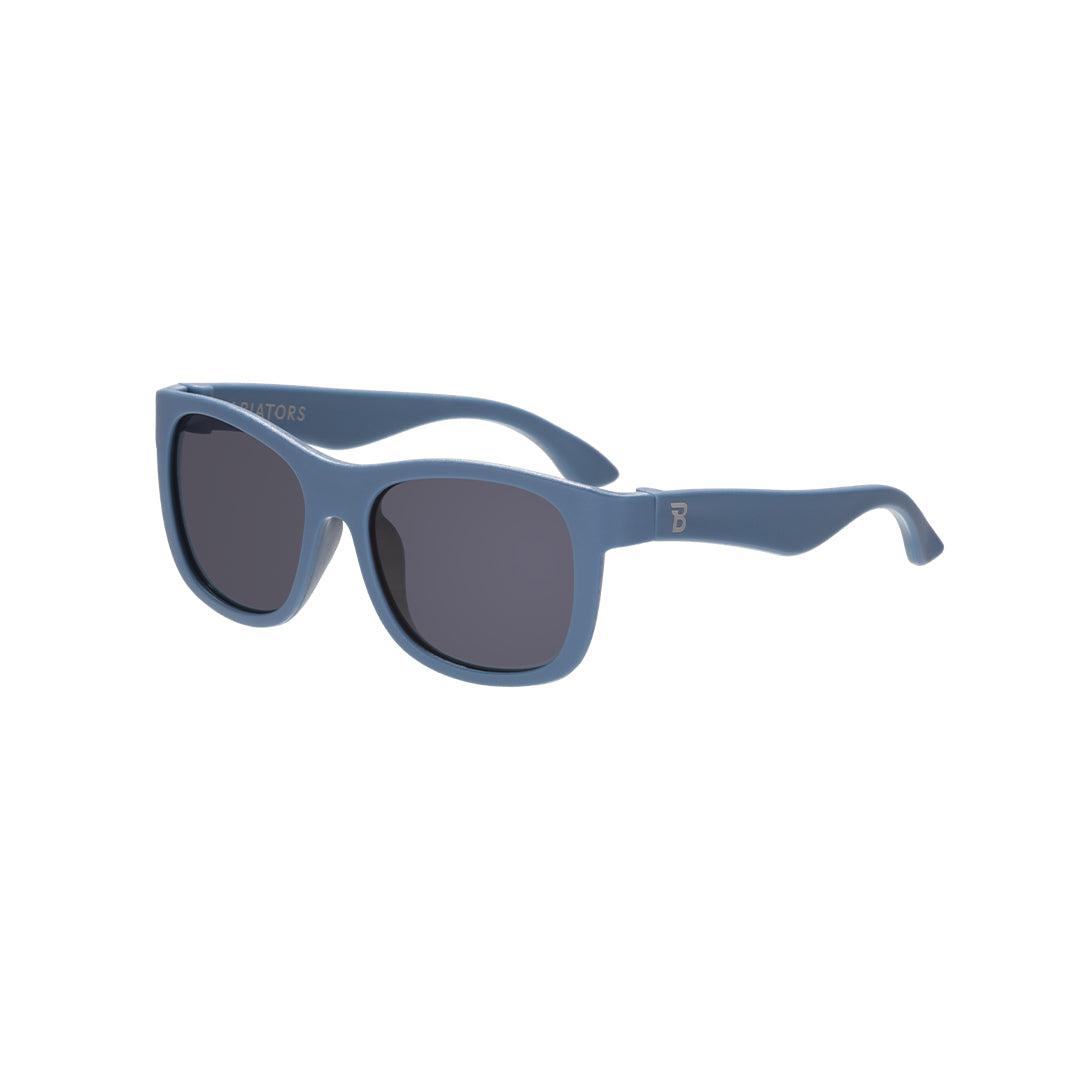
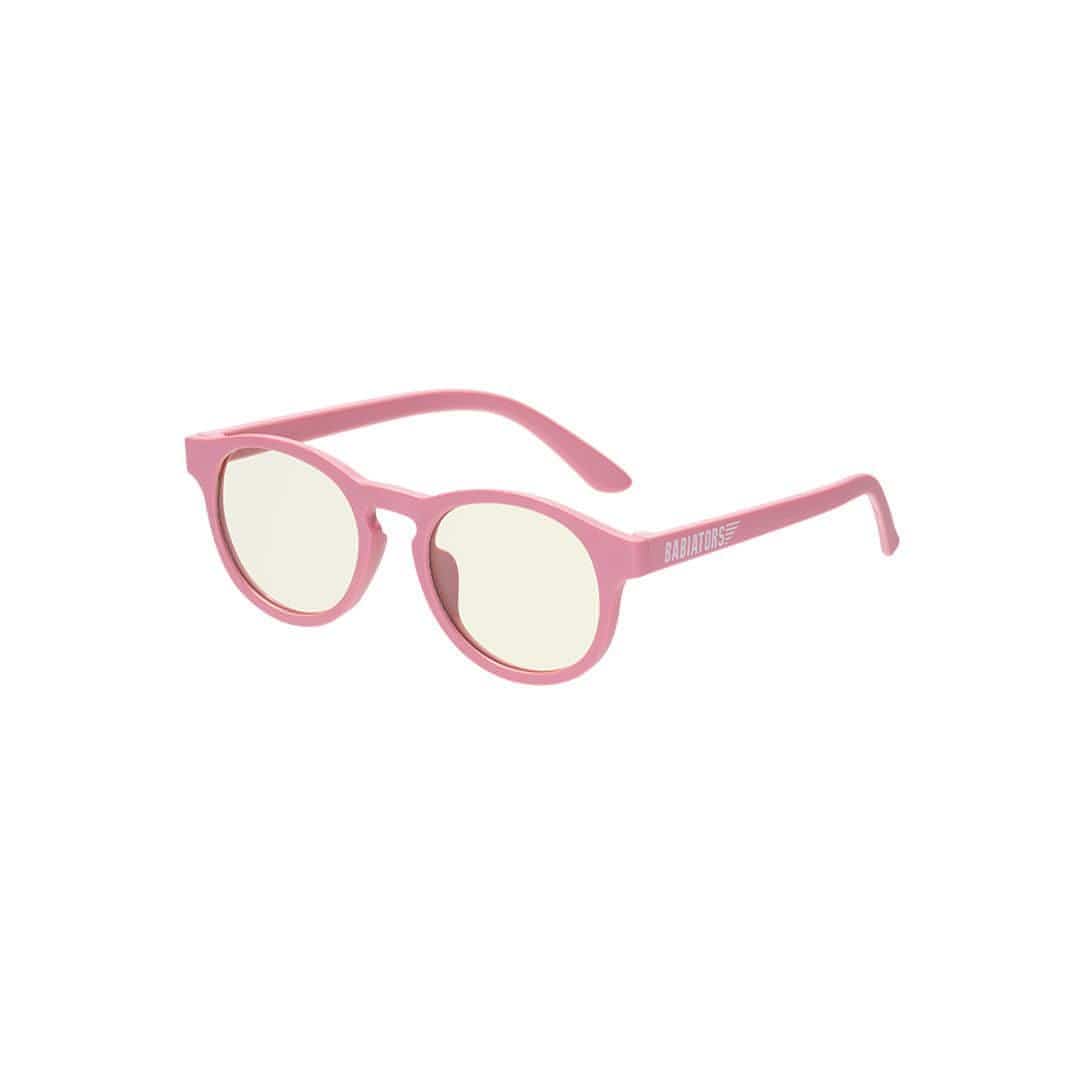


Polarised Lenses vs UV400 for Kids
Your child is squinting at the park, the sun is bouncing off the slide, and you are trying to work out whether polarised lenses vs UV400 is a real choice or just packaging language. It is a fair question. These two terms get thrown around together, but they do different jobs, and knowing the difference makes it much easier to pick sunglasses that actually protect little eyes.
For parents, the short version is this: UV400 is about blocking harmful ultraviolet rays, while polarised lenses are about cutting glare. They are not rivals. One is essential, the other is a useful extra depending on how and where your child wears their sunglasses.
Polarised lenses vs UV400: what is the actual difference?
UV400 tells you how much ultraviolet light the lenses block. If sunglasses are rated UV400, they block UVA and UVB rays up to 400 nanometres. In plain English, that means strong protection from the part of sunlight that can damage eyes over time.
Polarised lenses do something completely different. They are designed to reduce glare from reflective surfaces such as water, sand, snow, car bonnets and pavements. That harsh reflected light is what makes children screw up their eyes on a bright day, even when they are already wearing sunglasses.
So if you are comparing polarised lenses vs UV400, the key thing to remember is that UV400 is the health protection standard, while polarisation is a visual comfort feature. Good polarised sunglasses should still have full UV protection, but polarisation on its own does not automatically tell you anything about UV safety.
That matters because dark lenses without proper UV protection can be a bad bargain. They make the world look dimmer, which causes pupils to open wider, and if the lenses do not block UV, more harmful rays can reach the eyes. For babies, toddlers and young children, that is not a detail to shrug off.
Why UV400 matters most for children
Children spend a lot of time outside. Even on cloudy days, UV rays still reach the eyes, and younger eyes let in more UV light than adult eyes do. That makes proper protection especially important during the years when outdoor time is packed with buggy walks, garden play, holidays, beach trips and splash park afternoons.
If you buy just one thing in a pair of kids' sunglasses, make it 100% UV protection. Not a fashion tint. Not a vaguely dark lens. Not a pair that simply looks sporty. UV400 is the part that helps protect developing eyes from harmful exposure.
This is why parents should treat UV400 as non-negotiable. If sunglasses do not clearly state 100% UVA and UVB protection or UV400, keep scrolling.
When polarised lenses are worth it
Polarised lenses can be brilliant for the right child and the right setting. They reduce the blinding glare that comes off bright, flat surfaces, which can make everything feel calmer and easier to see.
For families who spend lots of time near water, on the beach, by the pool, on boats or on ski trips, polarisation can make a noticeable difference. The same goes for sunny days in the pram, car journeys where light bounces off roads, or long afternoons in open playgrounds with pale surfaces.
Children may not explain glare in technical terms, of course. They are more likely to rub their eyes, pull off their sunglasses, look away from the light or get a bit grumpy when it is very bright. Polarised lenses can help reduce that visual stress.
That said, they are not essential for every situation. If your child mainly wears sunglasses for nursery walks, everyday park trips and general outdoor play, UV400 protection may be the main thing you need. Polarisation is useful, but it is not a substitute for UV protection and it is not a must-have for every family.
Polarised lenses vs UV400 for everyday use
This is where the decision gets practical. If you are choosing sunglasses for all-purpose daily wear, start with fit, comfort and UV400 protection. Kids are much more likely to keep sunglasses on if they sit properly, feel light and survive being bent, dropped or launched out of the buggy.
Once that is covered, think about your routine. Do you spend weekends at the seaside? Do you travel often? Is your child outside in very bright environments for long stretches? If yes, polarised lenses are a smart upgrade.
If not, standard UV400 lenses may do the job perfectly well. There is no prize for buying extra lens features your child does not need. The best sunglasses are the ones that protect their eyes and stay on their face.
A common mix-up: dark lenses do not mean better protection
One of the biggest myths in kids' eyewear is that darker lenses equal stronger protection. They do not. Lens darkness affects visible brightness, not UV filtering.
A very dark lens without UV400 can still let harmful ultraviolet rays through. Meanwhile, a lighter lens with proper UV400 protection can do a far better job of protecting eyes. That is why product claims matter so much more than lens colour.
The same logic applies to mirrored finishes and trendy tints. They can look fun, and kids do love fun, but appearance should never be confused with actual eye protection.
What parents should look for besides lens technology
The polarised lenses vs UV400 question matters, but it is only part of the picture. Sunglasses can have great lens specs and still be useless if a child refuses to wear them.
For babies and young children, comfort is everything. Flexible frames, lightweight materials and a secure fit make a huge difference. Frames should sit neatly without pinching, sliding down or feeling too loose. Age-based sizing helps take the guesswork out of buying online, especially when you are shopping for little ones who are not exactly keen on a long fitting session.
Durability matters too. Kids are not gentle with sunglasses. They get twisted, sat on, flung into changing bags and dropped onto playground tarmac. Parents need a pair that can handle real life, not just look good for five minutes.
That is why many families look for sunglasses with 100% UV protection, child-friendly fit and a strong replacement policy. At Babiators UK, that combination is a big part of how we help parents raise their sun safety without adding drama to the day.
How to choose the right option for your child
If you are still deciding between the two, think in terms of needs rather than labels.
If your priority is eye health, choose UV400 every time. That is the baseline. If a pair does not offer 100% UVA and UVB protection, it is not the right pair for your child.
If your child spends lots of time around reflective glare, add polarisation. It can make bright environments more comfortable and easier to handle, especially for holidays and high-glare settings.
If your child is very young, focus first on whether they will actually wear the sunglasses. A comfortable, properly fitting pair with full UV protection beats a technically impressive pair they yank off after thirty seconds.
And if your budget means choosing one feature over another, choose UV400. Every time.
The best answer is often both
Parents sometimes assume they must choose one side in the polarised lenses vs UV400 debate. In reality, the strongest option is often both together. UV400 protects against harmful ultraviolet rays. Polarisation helps cut uncomfortable glare. They solve different problems, and when combined, they can make sunglasses both protective and easier for children to wear on very bright days.
That is especially helpful for active families. Whether it is a sunny holiday, a seaside afternoon or a buggy nap on a bright pavement, sunglasses that block UV and reduce glare can make outdoor time more comfortable for little eyes.
The smartest way to shop is to treat UV400 as the must-have and polarisation as the upgrade. Start with protection, then layer on comfort and real-world wearability.
Little eyes have a lot of growing and exploring ahead of them. Give them sunglasses that do more than look the part, and sunny days get a lot easier for everyone.
 Back to Blog


