










Kids Sunglasses That Don’t Break: What Works
Your child doesn’t gently place sunglasses back in their case. They fling them into the pushchair basket, sit on them in the car seat, and “help” by twisting the arms like they’re testing a new fidget toy. So when parents ask for kids sunglasses that don’t break, they’re not being dramatic - they’re being realistic.
The tricky bit is that “unbreakable” can mean a few different things. Some pairs survive a bend but scratch instantly. Others look sturdy yet pinch, slide down noses, or fall off at the first sprint towards the ice cream van. The goal is simple: sunglasses your child will actually wear, that keep their eyes protected, and that can handle the chaos of real life.
What “don’t break” should actually mean
Durability isn’t one magic feature. It’s a combination of materials, construction, fit, and how the lenses cope with everyday kid treatment.
First, the frame needs to flex without turning white at the stress points or snapping at the hinges. With kids, breakage often happens in two places: where the arm meets the front of the frame, and along the arm itself after repeated bending. A genuinely kid-proof frame springs back instead of staying warped.
Second, durability means the lenses stay safe and usable. Lots of cheap children’s sunnies pop a lens out when dropped or develop scratches that make them annoying to look through. Scratched lenses are more than a cosmetic issue - they can distort vision, which is exactly what you don’t want when your child is learning to navigate playgrounds, kerbs, scooters, and staircases.
Third, “don’t break” should include a plan for the unavoidable. Even the toughest pair can be lost at the beach, left under a buggy, or handed to a dog who thinks it’s a chew toy. A clear replacement promise matters because it turns a stressful purchase into a no-drama one.
The non-negotiable: 100% UV protection
If you’re buying sunglasses primarily for durability, it’s easy to get sidetracked by chunky frames and forget the actual job. Sunglasses are sun safety equipment. For kids, that matters even more because their eyes are still developing and their pupils are larger, which can allow more UV in.
Look for 100% UVA and UVB protection. Not “UV resistant”, not vague marketing copy, and not fashion lenses that simply darken without blocking UV. Dark lenses without proper UV protection can be worse than nothing, because they may encourage pupils to open wider.
If you’re comparing options and one pair is extremely cheap with unclear protection claims, it’s worth pausing. Sunglasses should do two things at the same time: protect properly and survive properly. You shouldn’t have to choose.
Why fit is part of durability
Here’s the part most people only learn after buying three pairs: the fastest way to “break” kids’ sunglasses is to buy ones that don’t fit.
When frames slide down a small nose, kids push them back up constantly. That repeated yanking stresses the arms and hinges. If they’re too tight, children pull them off with both hands, bending them outwards. If they’re too wide, they fall off during play, hitting the ground lens-first.
A good fit feels boring - and that’s the point. The frames sit comfortably, don’t leave angry marks, and stay put through the everyday head shakes, climbs, and tantrums.
If you’re shopping online, sizing by age bands can take out a lot of guesswork, especially when brands clearly separate sizes like 0-2, 3-5, and 6+. Age isn’t perfect (kids’ heads vary), but it’s far better than one-size-fits-all.
Materials that handle real kid behaviour
The most durable kids’ frames are typically made from flexible, rubbery polymers designed to bend and bounce back. You want something that can cope with being twisted, dropped, and shoved into pockets.
Metal frames can look cute, but they’re usually not the best match for toddlers and younger children. They can bend out of shape and stay that way, and nose pads or thin arms can be uncomfortable or fiddly.
Hinges are another deciding factor. Traditional hinges can be a weak spot if the frame isn’t engineered for repeated bending. Some children’s designs use simplified hinge areas or reinforced connections to reduce snapping.
There’s a trade-off: super-soft frames can sometimes feel less “premium” in the hand than rigid fashion sunglasses. But for kids, comfort and resilience are the luxury features.
Lens choices: what to pick for your child
Durability is only half the lens story. The other half is how your child uses sunglasses.
Standard lenses with full UV protection are great for everyday UK life: park days, nursery runs, garden play, and cloudy-bright afternoons that still carry UV.
Polarised lenses are a strong upgrade if your child spends time around water, sand, snow, or you do lots of driving with them. Polarisation reduces glare - the blinding reflection off puddles, the sea, wet roads, or ski slopes. That can mean less squinting and fewer moments of ripping sunglasses off because “it’s too shiny”.
A quick reality check: polarised lenses can cost more, and not every child needs them all the time. If most of your outdoor time is shaded parks and short walks, standard UV-protective lenses may be the best value. If you’re heading on holiday, doing beach days, or planning a ski trip, polarised is often worth it.
Design that kids actually keep on
Parents often pick sunglasses based on what they can tolerate looking at in photos. Kids pick sunglasses based on whether they feel like theirs.
This is where fun frame shapes genuinely help with wear time. Hearts, flowers, mini aviators, modern rounds - these aren’t just fashion. They’re buy-in. If your child feels like a big kid or a cool kid, they’re more likely to leave them on, which means more protection and fewer frantic “where did they go?” moments.
The best designs also avoid pokey bits and sharp edges. Comfort reduces fidgeting, and less fidgeting means fewer accidental bends.
The guarantee factor: durability plus peace of mind
Even with the best materials, kids are unpredictable. Sunglasses get lost between the back seat and the boot. They get stepped on at soft play. They get posted through the letterbox by an overly helpful sibling.
That’s why a replacement guarantee is part of what parents really mean by “don’t break”. It’s not just physical toughness - it’s purchase confidence.
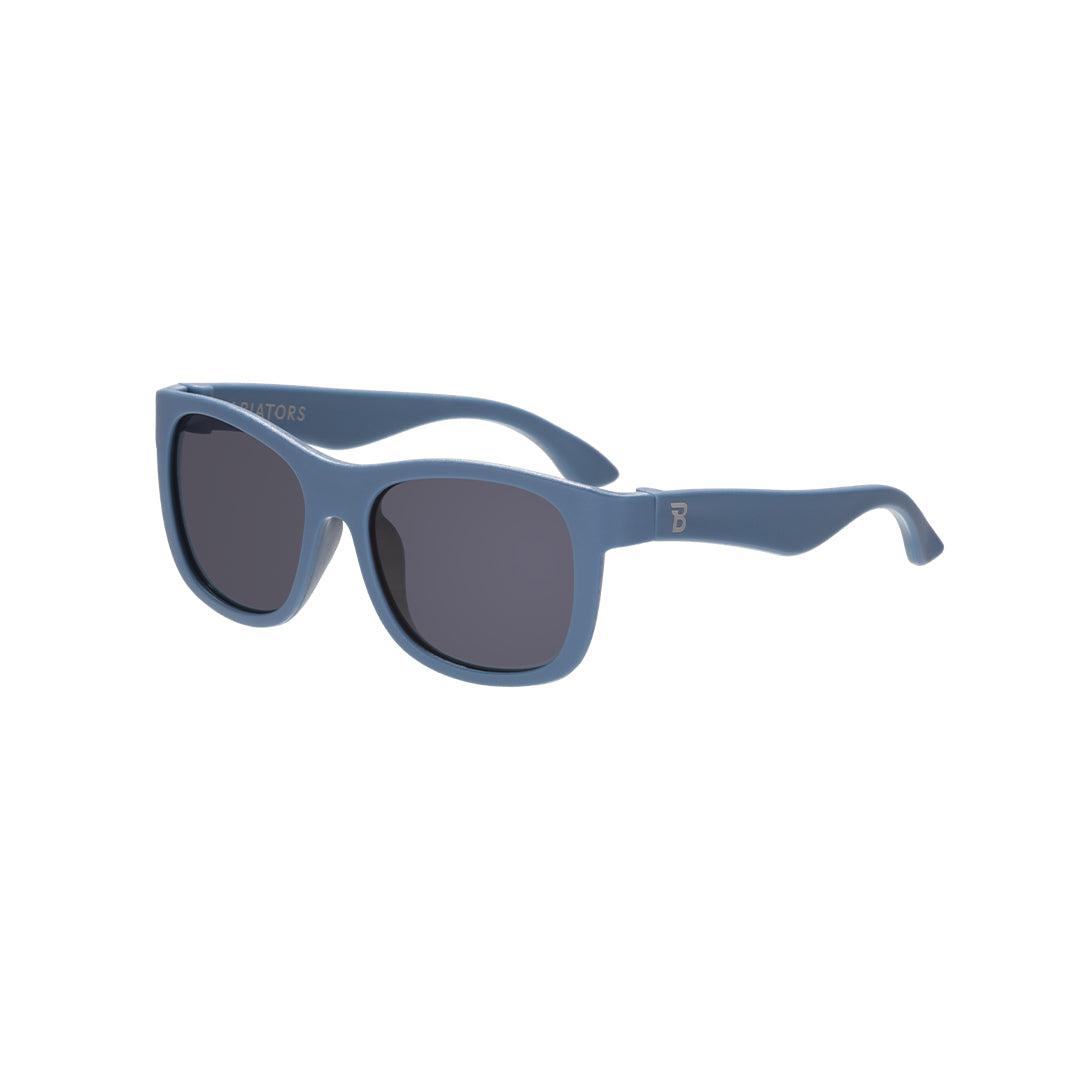
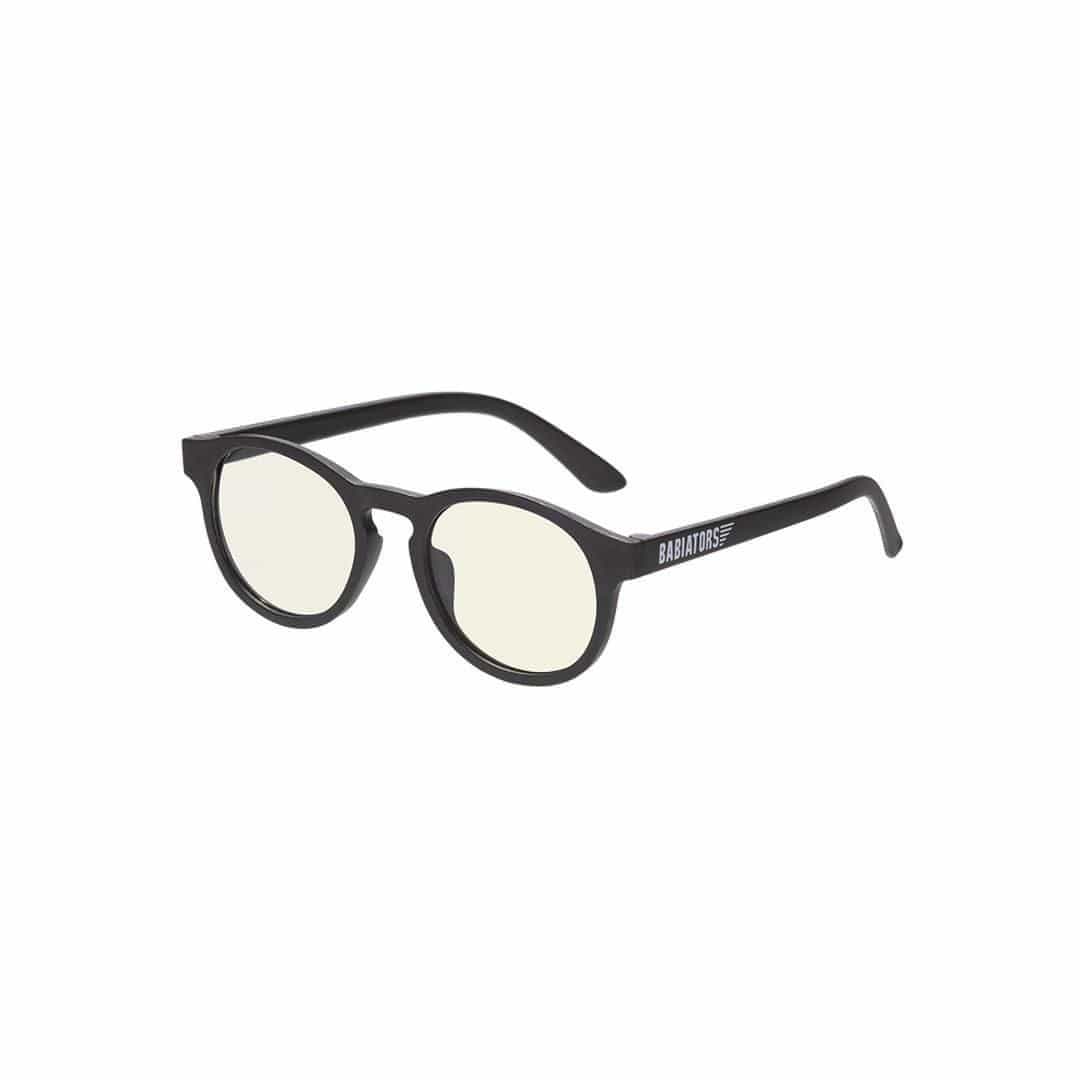
Some brands build this into the whole experience, pairing “virtually indestructible” engineering with a clear promise that if they do break, you’re not starting from scratch. For example, Babiators UK backs its children’s sunglasses with an Awesome Guarantee that replaces broken sunglasses free for one year. For many families, that turns sunglasses from a risky buy into an easy yes.
How to choose the right pair in 60 seconds
If you’re standing in the hallway trying to buy quickly while your child is asking for a snack, focus on four decisions.
Start with size by age band, then choose a frame style your child will love enough to wear. After that, pick your lens tech: standard for everyday, polarised for high-glare days. Finally, check the promise - 100% UV protection and a guarantee you understand without reading tiny print.
If you want the “it depends” version, it’s this: the best option is the one your child keeps on their face. The most protective sunglasses in the world do nothing from the bottom of a changing bag.
Keeping them going: small habits that prevent big breaks
No pair is truly indestructible against every possible scenario, but you can stretch the life of any kids’ sunglasses with a couple of simple routines.
Get your child used to a home for them, even if it’s just the same pocket in the nappy bag or the same cup holder in the car. Most losses happen in the transition moments - getting out of the car, leaving the park, swapping jumpers at the café.
Wipe lenses with a soft cloth rather than tissues or sleeves, which can grind dust into the surface. And if your child insists on wearing them on top of their head, expect more drops - it’s basically a launching platform.
None of this has to be perfect. The goal is fewer “crunch” moments and more consistent sun safety.
A helpful way to think about kids sunglasses that don’t break is this: you’re not buying an accessory. You’re choosing a tiny piece of safety kit your child will put through daily stress tests, so it should be built for the job - and backed like the brand expects kids to be kids.
 Back to Blog


