








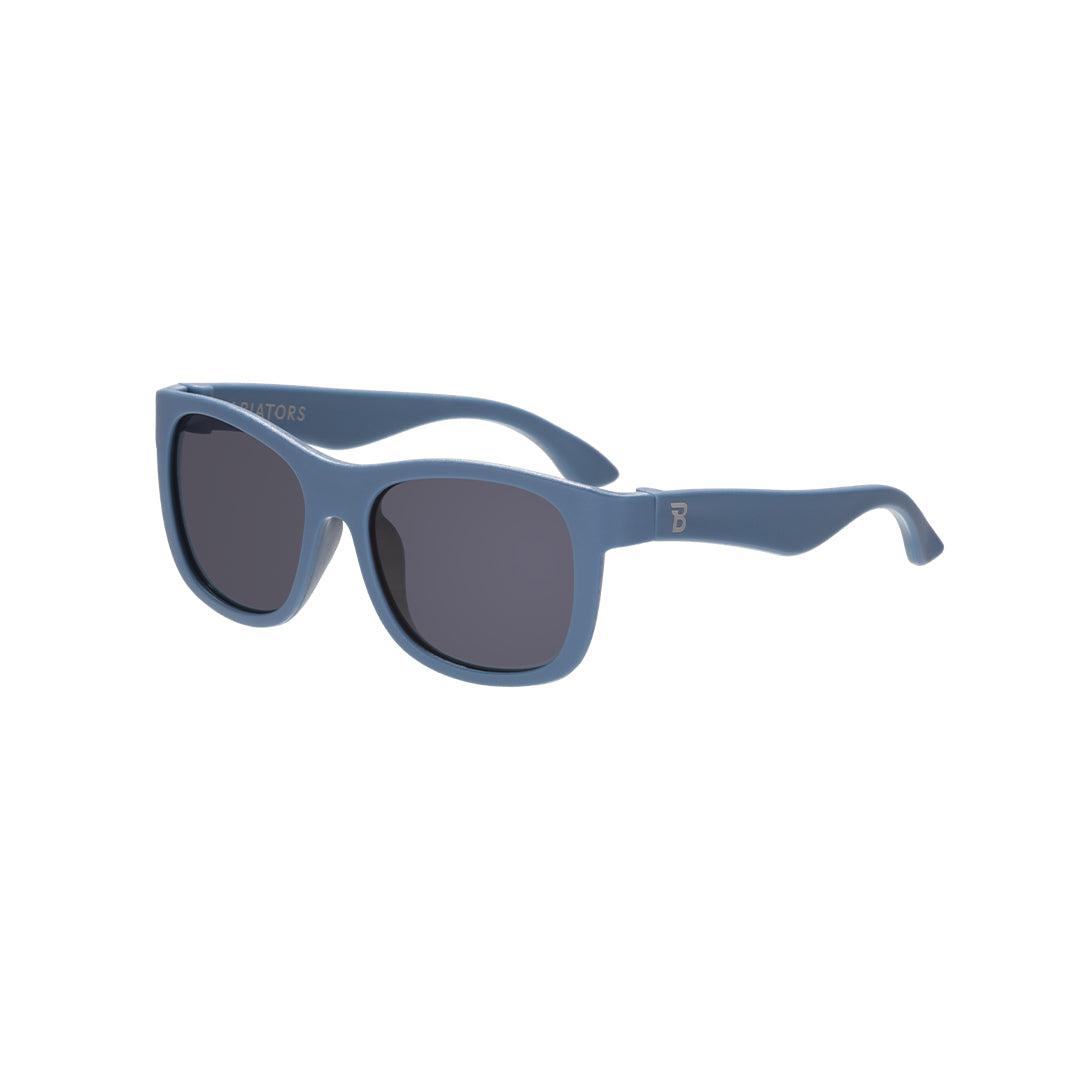
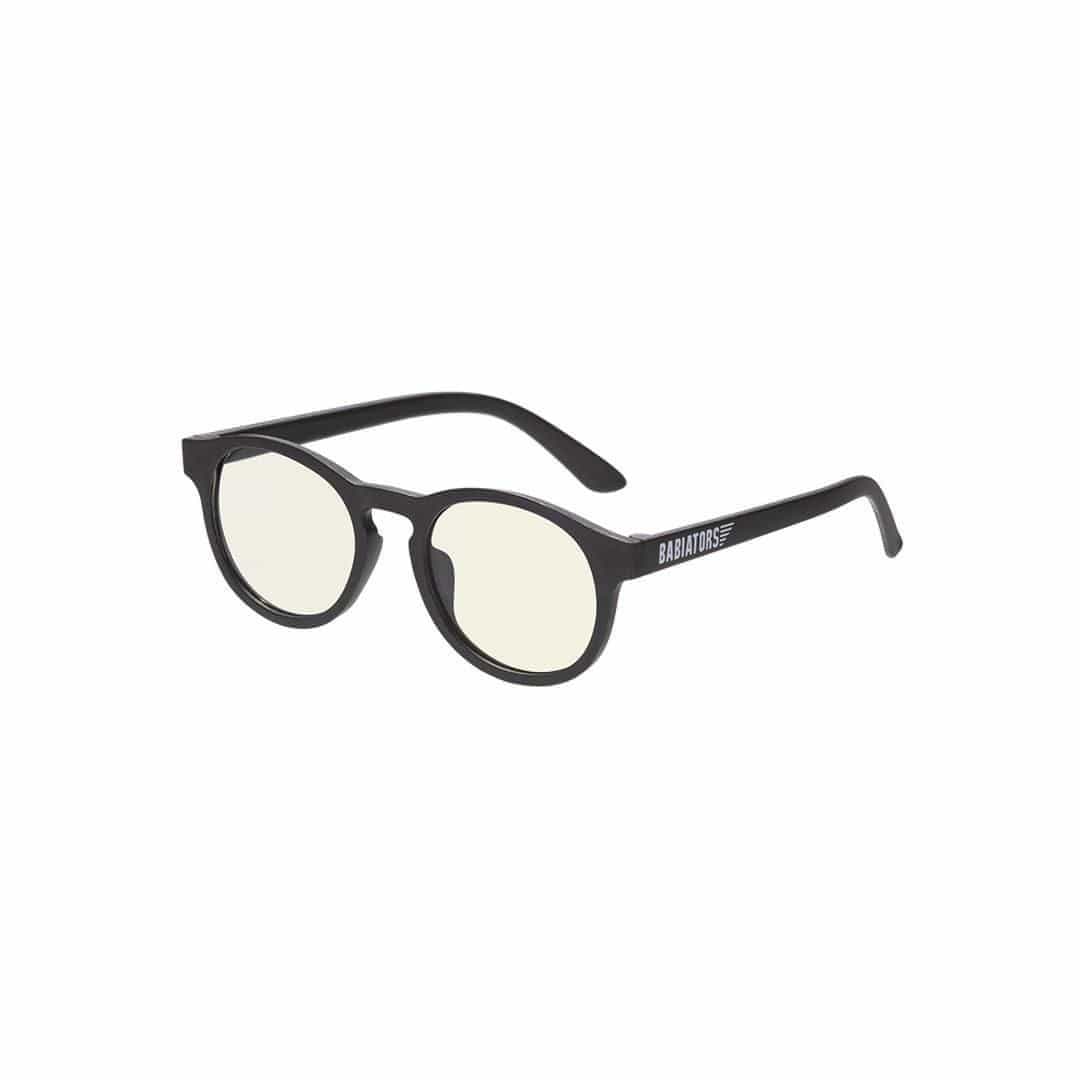


Kids Sunglasses With 100% UV Protection
The pair that survives the buggy basket, the beach bag and the inevitable throw across the back seat is usually the pair that gets worn. That is why kids sunglasses with 100% UV protection matter so much - not just because little eyes need serious sun safety, but because parents need something that works in real life.
Children spend a lot of time outdoors. Nursery pick-up, park mornings, seaside holidays, garden play, ski trips, long buggy walks - it all adds up. And while sun cream often gets the spotlight, eye protection can be missed. A hat helps, shade helps, but neither replaces sunglasses that block harmful rays properly.
Why kids need proper UV protection
Children’s eyes are still developing, and that makes protection more than a nice extra. UV exposure builds over time, so the sunglasses your child wears now are part of a bigger picture of long-term eye health. Bright days are the obvious trigger, but UV rays are still around when it is cloudy, and they can reflect off water, sand, snow and even light pavement.
That is where the phrase 100% UV protection really matters. It means the lenses are designed to block both UVA and UVB rays. Without that, dark lenses can create a false sense of security. In some cases, they may actually make things worse because the eye opens wider behind a tinted lens if it is not properly protective.
So if you are choosing between a cute pair that looks the part and a pair that clearly states full UV protection, go with protection every time. Style matters, especially if it helps children want to wear them, but safety comes first.
What to look for in kids sunglasses with 100% UV protection
Not all children’s sunglasses are equal, even when they look similar at first glance. The best pair usually gets the basics right: real UV protection, a comfortable fit and enough durability to handle day-to-day chaos.
Start with the lens claim. You want clear confirmation of 100% UV protection, not vague language about sun filtering or glare reduction. Polarised lenses can also be a great option for some families, especially near water, on bright holidays or during long days outdoors, because they cut glare and make things more comfortable to look at. But polarisation is an extra feature, not a replacement for UV protection.
Then think about fit. Sunglasses that slide down tiny noses or pinch behind the ears rarely stay on for long. A good children’s fit should feel secure without being tight. Age-based sizing can be very helpful here because it removes some of the guesswork, especially when buying online for babies, toddlers and older children.
Durability matters more than many parents expect. Kids bend frames. They sit on them. They twist one arm while holding a snack in the other hand. Flimsy pairs might be cheap at the checkout, but replacing them again and again gets expensive and annoying. A flexible, child-proof frame often works out better value.
Cheap sunglasses can be a false economy
It is tempting to grab a low-cost pair for a holiday or a sunny weekend. Sometimes that works fine if the protection is genuine and the fit is decent. But often, the trade-off shows up fast.
The hinges loosen. The frame snaps. The lenses scratch after one trip in the changing bag. Or the sunglasses never fit well enough to begin with, so your child pulls them off every five minutes. Suddenly the cheaper option is not cheaper at all.
Parents are usually balancing three things at once: safety, price and whether their child will actually wear the sunglasses. That is why a well-made pair with a replacement guarantee can make sense. It lowers the risk of investing in something better, especially for younger children who are hard on their things by default.
Choosing the right size for babies, toddlers and kids
Sizing is one of the biggest sticking points when shopping for children’s eyewear online. The good news is that it does not need to be complicated.
For babies aged 0-2, comfort is everything. Their sunglasses should be light, gentle and secure enough to stay in place during buggy rides or first beach days. For toddlers aged 3-5, you need a pair that can keep up with movement. This is the age of climbing, running and saying no to anything that feels fussy. For children 6+, style often starts to matter more, so shape and colour become part of the decision as well as protection.
If your child sits between sizes, it can depend on head width, face shape and how snugly they like things to fit. Some families prefer a slightly roomier fit for longer wear, while others want a more secure feel for active days out. If you can choose from clearly labelled age bands, that usually makes the process much simpler.
Style matters more than adults think
Parents shop for protection. Children often choose with their eyes. If they love the look, your job gets easier.
That does not mean you need to sacrifice safety for style. In fact, the best children’s sunglasses do both. Modern shapes like aviators, navigators and keyholes can feel cool without trying too hard, while hearts, flowers and round frames add personality for little ones who want something playful.
This is not a small point. The pair your child reaches for willingly is the pair that protects them. If a bright frame colour or a favourite shape helps turn sunglasses into part of the routine, that is a win.
Polarised or non-polarised - which is better?
This depends on how and where your family spends time outdoors. If you are often near water, travelling somewhere very sunny, heading to the mountains or dealing with strong reflected light, polarised lenses can be a smart upgrade. They reduce glare, which can make bright conditions more comfortable and help children keep sunglasses on for longer.
For everyday use in the park, garden or school run, standard lenses with 100% UV protection may be enough. The key is not to treat polarised as essential for every child or every budget. It is useful, but it is not the first box to tick. Protection is.
Why durability changes everything
Parents do not need sunglasses that only survive the product photo. They need sunglasses that survive actual children.
Frames built to flex rather than crack can make a huge difference. So can lenses and hinges designed for rough handling. When a brand backs that up with a strong guarantee, the whole purchase feels easier. You are not crossing your fingers every time the sunglasses end up under the buggy or at the bottom of a changing bag.
That peace of mind matters, especially for families buying for more than one child or preparing for a trip. One of the reasons parents return to dedicated children’s eyewear brands is simple: less drama. Better fit, better protection, fewer replacements.
A practical way to shop with confidence
If you are comparing options, keep it simple. Look for kids sunglasses with 100% UV protection first. Then check size, frame style and lens type. After that, consider how much punishment the sunglasses are likely to take and whether there is any guarantee behind them.
At Babiators UK, that parent-first thinking is built into the shopping experience. Age-based sizing helps narrow the choice quickly, styles are designed for babies through to older kids, and the focus stays on the big wins parents actually care about: 100% UV protection, durable frames and less worry when life gets messy.
There is no single perfect pair for every child. A toddler on a beach holiday may need something different from a six-year-old who wants sporty frames for the school run and weekend football in the garden. But the standard should stay the same. Proper UV protection is non-negotiable, comfort keeps them wearing it, and durability saves everyone time.
When sunglasses are easy to wear, hard to break and built to protect, they stop being another thing on your mental load. They become part of the routine, like hats, water bottles and the emergency raisins in your bag. And that is exactly where great children’s sunglasses belong.
 Back to Blog

