










Best Unbreakable Sunglasses for Kids
Your child has had the sunglasses on for all of three minutes. Then they are sat on, flung from the buggy, or bent in half during an ambitious game of pirates. That is exactly why parents end up searching for the best unbreakable sunglasses for kids - not because they want a cute extra, but because they are tired of buying pairs that never survive a sunny week.
The good news is that truly child-proof sunglasses do exist. The trick is knowing what actually matters, because "unbreakable" on a label can mean almost anything. For babies, toddlers and young children, the best pair needs to do two jobs at once. It needs to protect growing eyes properly, and it needs to cope with real-life kid behaviour.
What makes the best unbreakable sunglasses for kids?
Durability comes first, but not on its own. A frame can be bendy and still be a poor buy if the lenses do not offer proper protection or the fit slides down every few steps. The best unbreakable sunglasses for kids combine flexible materials, secure comfort and full UV protection in one easy-wearing pair.
Start with the frame. For young children, rigid plastic is often where things go wrong. It cracks at the hinge, snaps when stepped on, or warps after too much rough handling. Better options use flexible, child-friendly materials that bend rather than break. If a pair can twist, squash and spring back into shape, you are much closer to something that can survive nursery bags, beach days and family holidays.
Then there are the lenses. Parents sometimes focus so much on break resistance that they forget the main job of sunglasses is eye protection. Children need 100% UVA and UVB protection. That is the non-negotiable part. Dark lenses without full UV protection are not a bargain - they can be a worse choice, because they may encourage pupils to open wider without shielding the eye from harmful rays.
Fit matters more than many people realise. If sunglasses pinch, slide, or feel heavy, children pull them off. If they are too loose, they spend more time on top of the head than over the eyes. The best pairs are sized clearly by age, with lightweight frames that stay comfortable through buggy rides, park trips and long afternoons outside.
Why "unbreakable" is not always enough
Parents often use "unbreakable" as shorthand for "please let these last longer than a weekend". Fair enough. But a tough frame is only one piece of the puzzle.
A very stiff pair may resist scratches but still be uncomfortable for a toddler. A trendy shape may look great in photos but not sit securely on a smaller face. Polarised lenses can be brilliant near water, snow or bright roads, but they are not automatically essential for every child. It depends on how and where the sunglasses will be worn.
That is why the strongest choice is usually not the pair with the most dramatic durability claim. It is the pair that balances toughness, safety, comfort and simple sizing. For most families, convenience counts too. If buying online feels confusing, people either guess or give up.
How to choose by age and stage
Babies need something very different from a six-year-old who spends every spare minute charging around the garden. The younger the child, the more important softness, flexibility and low weight become.
For babies from 0 to 2, look for sunglasses with very gentle, lightweight frames that will not press too hard on the nose or ears. Babies are less likely to keep eyewear on for long, so comfort really is everything. A secure fit with full UV protection matters more than a fashion-forward shape.
For toddlers aged 3 to 5, durability becomes even more important because this is the age of bending, throwing and general testing of all household objects. Flexible frames are ideal, but they still need to feel easy to wear. Toddlers will not tolerate fiddly sunglasses for long.
For older kids aged 6 and up, style starts to matter more. If they love the shape and colour, they are more likely to wear them without a struggle. This is where having a few frame options can make a big difference. Classic shapes like aviators and navigators work well, but so do playful styles such as hearts or flowers if that is what your child reaches for willingly.
The features worth paying for
Not every premium feature is useful, but a few are worth it because they make a real difference to daily wear.
Polarised lenses are a good example. They cut glare, which can be especially helpful on bright holidays, at the seaside, on ski trips, or around reflective surfaces like water and pavement. They can make things look more comfortable and clearer in harsh light. That said, if your child mostly wears sunglasses in the pram, at the playground or on the school run, standard lenses with 100% UV protection may be all you need.
Eco-friendly materials are another worthwhile extra for some families. If you are trying to shop more thoughtfully, an ECO collection can be a smart option - as long as it still delivers on flexibility, comfort and UV protection. Sustainability is a bonus, not a substitute for performance.
A replacement guarantee is also more valuable than it sounds. Parents are not careless if kids' sunglasses get lost or broken. That is just life with little ones. A brand that backs its durability claims with a proper promise removes a lot of the risk from buying a better pair in the first place.
Frames, styles and what children will actually wear
There is no single best frame shape for every child. Some little faces suit rounder styles, while others sit better in a more angular frame. What matters is proportion and comfort.
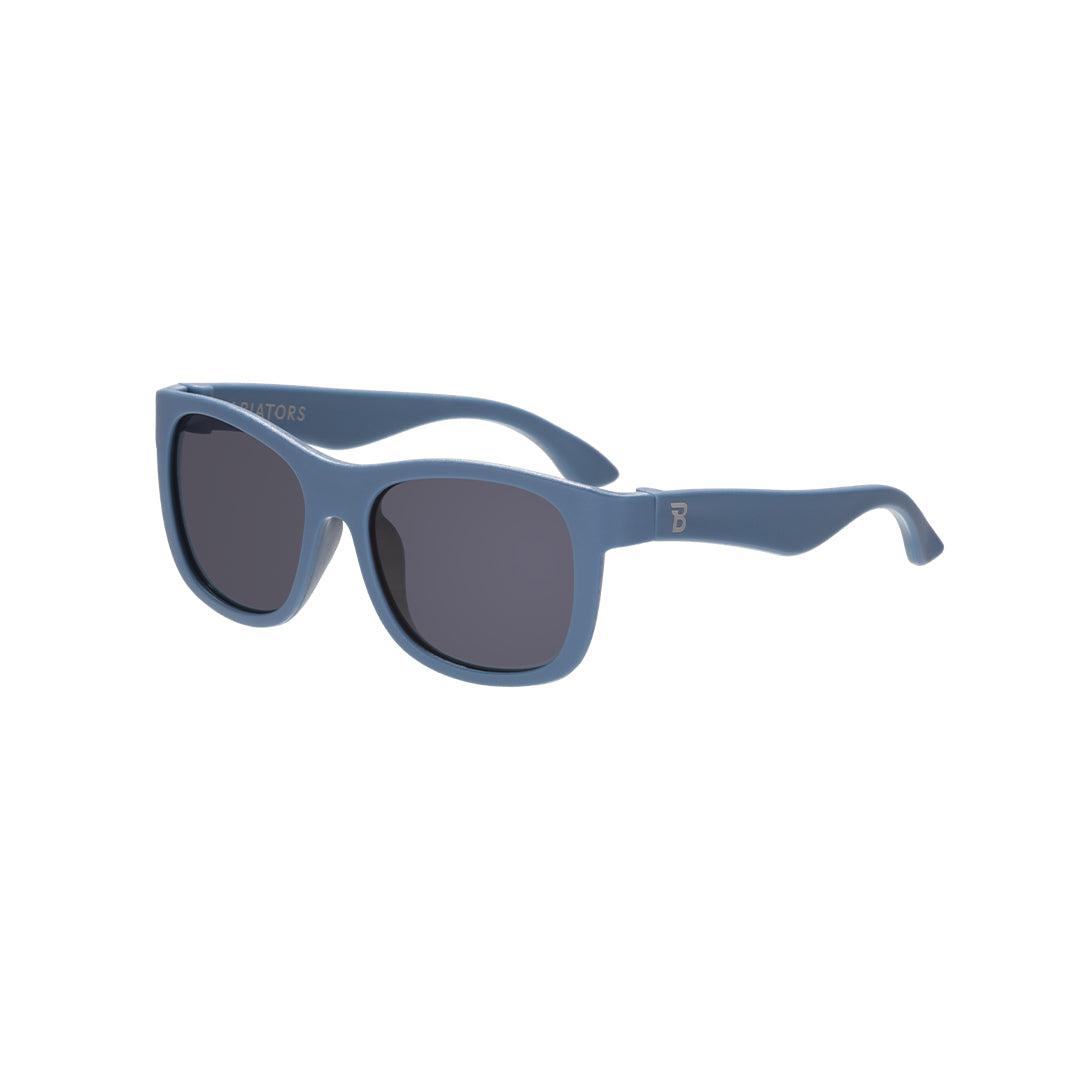
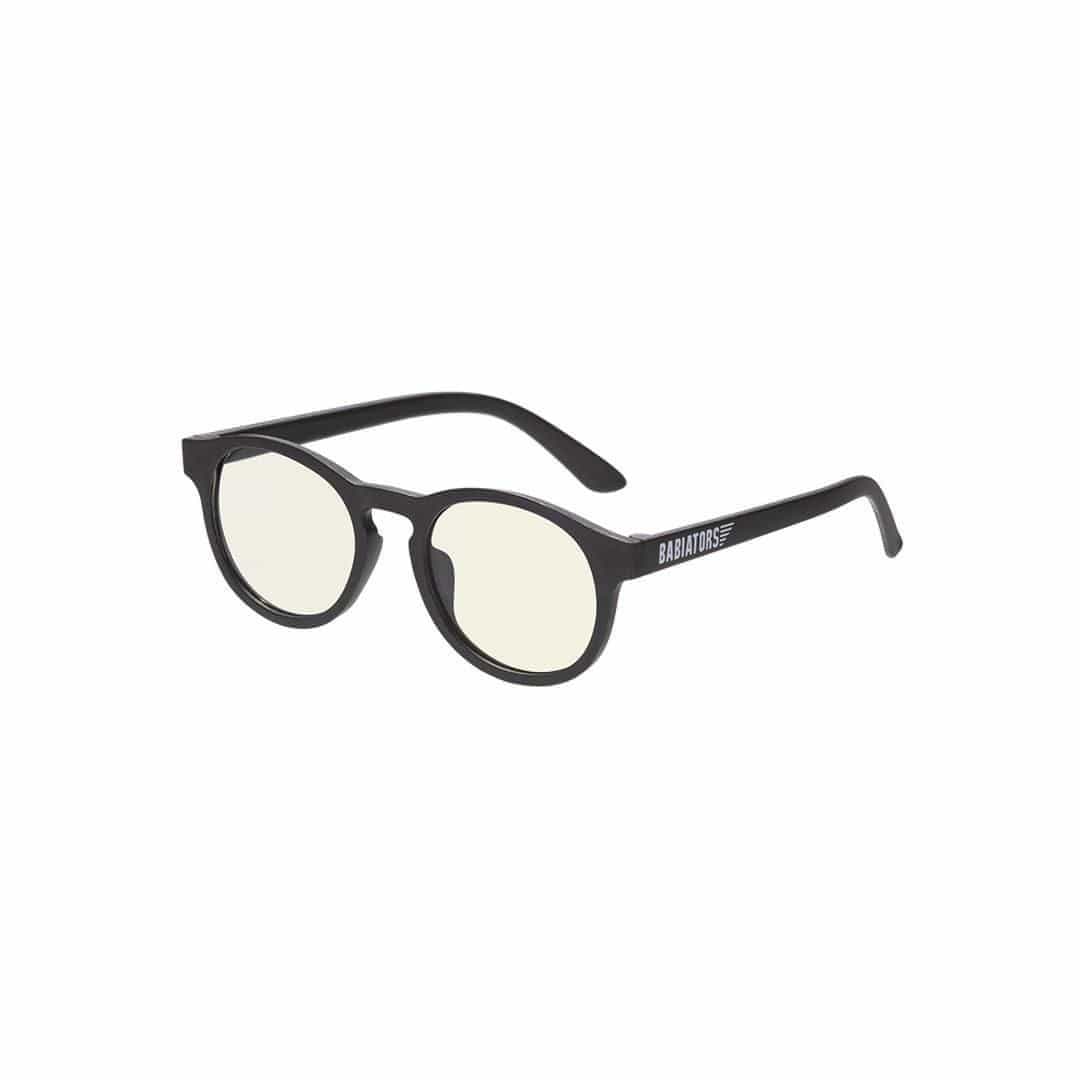
Euro Rounds can be a lovely choice for smaller faces and parents who prefer a softer look. Navigators and aviators tend to feel more classic and can work well on older children who want something that looks a bit more grown up. Keyholes offer a modern shape that still feels playful. Hearts and flowers are often the easiest win for children who want their sunglasses to feel fun rather than practical.
That style factor is not shallow. If your child loves the look, they are far more likely to keep the sunglasses on. For parents, that means less negotiating and better protection.
A simple checklist for parents
When comparing options, ask yourself a few straightforward questions. Do the lenses provide 100% UVA and UVB protection? Are the frames genuinely flexible? Is the sizing clear by age? Will the shape stay comfortable for more than ten minutes? And if the sunglasses do not survive real life, is there a guarantee behind them?
If the answer to any of those is no, keep looking. Cheap pairs often seem fine until they meet a buggy wheel, a playground fall, or a child who thinks sunglasses are an excellent chew toy.
For families who want an easier route, Babiators UK keeps things simple by organising sunglasses by age, frame style and lens type, with virtually indestructible frames and an Awesome Guarantee that replaces broken sunglasses free for one year. That kind of backup matters when you are buying for children who treat accessories like sports equipment.
So what are the best unbreakable sunglasses for kids really?
They are the pairs that children will wear, parents will trust and family life will not destroy by Tuesday. That usually means flexible frames, lightweight comfort, 100% UV protection and clear sizing that takes the guesswork out of shopping.
If you are choosing between a pair that looks impressive on a product page and a pair designed around how children actually behave, go with the second one every time. Sunny days should mean more time outside and less time hunting for yet another replacement pair. A good set of kids' sunglasses should feel simple, safe and ready for whatever your little one does next.
 Back to Blog

