










Kids Sunglasses That Get Replaced Free for a Year
The moment you find a pair of kids’ sunglasses your child will actually wear, they vanish. Or they get sat on. Or they go flying across the playground when someone decides they’re a superhero.
That’s why parents don’t just shop for cute frames. They shop for certainty. And for many families, that means looking specifically for kids sunglasses with replacement guarantee - not as a nice-to-have, but as the only way buying children’s sunnies makes sense.
Why a replacement guarantee matters (especially with kids)
Kids don’t treat sunglasses like adults do. They aren’t careless on purpose - they’re learning, moving fast, and living at ground level where everything gets dropped. If you’ve ever fished a tiny pair of shades out from under a pushchair wheel, you already understand the real problem: you can buy “cheap” sunglasses again and again, or you can buy once and remove the risk.A replacement guarantee changes the calculation. Instead of wondering whether a pricier pair is worth it, you’re paying for protection and peace of mind. If they break, you’re not back to square one.
There’s also a behaviour bonus. When you know the sunglasses are backed, you’re more likely to insist on them every time the sun comes out. That consistency matters, because UV exposure is cumulative. Eyes don’t get a reset after a cloudy day or a short walk.
The part most people miss: guarantees only help if the sunglasses are worth replacing
A guarantee is not a magic wand. It’s only genuinely valuable when the product underneath it is designed for kids in the first place.If the lenses are poor quality, a replacement just means you’re repeating the same compromise. If the fit is wrong, you’ll end up with “replacement” sunglasses that still live at the bottom of the changing bag.
So when you compare kids sunglasses with replacement guarantee options, check the fundamentals first.
1) UV protection that’s clear, specific, and non-negotiable
You want 100% UVA and UVB protection. Not vague “UV resistant” language. Not fashion-only lenses. If a brand can’t state the protection plainly, it’s not the right choice.This matters even more for babies and toddlers. Their eyes let in more UV than adult eyes, and they spend lots of time looking upwards - at faces, trees, clouds, and anything you’ve just told them not to touch.
2) A fit that stays on small faces
Kids’ sunglasses are only protective when they’re actually worn. A good fit means the arms don’t pinch, the bridge sits comfortably, and the frames aren’t sliding down a sweaty nose ten minutes into the park.Look for simple sizing that matches real ages (for example, 0-2, 3-5, 6+), and styles that cover well without blocking cheeks when they smile. The goal is “put them on and forget about them”, not “constant readjusting”.
3) Durability that matches kid reality
You’ll see lots of claims like “flexible” or “tough”. What you want is a frame that can handle bending, twisting, and being dropped repeatedly - because that’s normal use for a child.The trade-off is that ultra-stiff frames can feel ‘premium’ in the hand but may snap under pressure. Kid-proof sunglasses should be designed to give a bit, then bounce back.
What a replacement guarantee should include (and what to watch for)
Not all guarantees are created equal. Some sound generous until you read the small print. Here’s what to look for so the promise actually helps when you need it.The best guarantees are simple enough to explain to a grandparent
If you can’t describe the guarantee in one sentence, it’s probably going to be a faff when you try to use it.A parent-friendly replacement guarantee should tell you:
- how long the cover lasts (one year is a strong benchmark)
- what counts as a replacement event (breakage is the big one)
- what you need to provide (often an order number and a photo)
- whether you pay anything (some brands charge shipping, some don’t)
“Replacement” should mean replacement, not store credit with hoops
Store credit can be fine if you already love the brand, but it’s not the same as a straightforward replacement. If the whole point is removing purchase risk, the process needs to feel no-drama.Accidents should be included - that’s the point
Kids’ sunglasses break because of accidents. If a guarantee excludes the most common kid scenarios, it’s not a kids’ guarantee. It’s a marketing line.Polarised or not? It depends on how your child spends their days
Lens tech can feel like overkill for children, but it’s actually very practical.If your child is around water, snow, or bright open spaces (beach days, boat trips, ski holidays, even long buggy walks on sunny pavements), polarised lenses can reduce glare and help them keep the sunglasses on. When glare is uncomfortable, kids tend to squint, pull sunglasses off, or rub their eyes.
For everyday use in the UK - nursery runs, parks, and the odd sunny afternoon that takes us by surprise - standard lenses with full UV protection may be enough. The key is making sure the sunglasses are worn consistently, not chasing the most advanced option on paper.
A good brand will make it easy to choose: originals for everyday, polarised for high-glare adventures, and eco-minded materials if that’s important to your family.
How to buy kids’ sunglasses online without getting the fit wrong
Online shopping is brilliant when you’re sleep-deprived and don’t fancy wrestling a toddler through a shopping centre. But it can also create the “will these even fit?” anxiety.The simplest way to reduce risk is to choose a brand that organises by age-based sizing and shows frame styles clearly. You’re not trying to measure your child’s head with a tape measure mid-tantrum. You’re trying to make a confident call quickly.
If your child is between sizes or grows quickly, that’s where a replacement guarantee can feel especially reassuring. Even with the best sizing guidance, kids change fast.
What “virtually indestructible” should mean in real life
Parents are understandably sceptical of big promises. But “virtually indestructible” isn’t about never being damaged. It’s about surviving the things that happen every week.Think: falling off a picnic blanket onto gravel. Getting shoved into a coat pocket. Being bent when your child tries to put them on one-handed. Getting grabbed by a younger sibling who believes everything is a teether.
When sunglasses can handle those moments, you stop treating them like a fragile accessory and start treating them like a daily safety item - like a sunhat or a good coat.
The financial side: a guarantee can cost less than going “cheap”
Replacing £8 sunglasses five times across spring and summer doesn’t feel expensive in the moment. But it adds up fast, and you still haven’t solved the core problems: uncertain UV protection, inconsistent fit, and the hassle of repeatedly buying again.A one-year replacement guarantee is basically a hedge against kid chaos. If you get through a full year without needing it, brilliant. If you do need it, you’ll be very glad it exists.
The trade-off is upfront spend. Not every family wants to pay more, and that’s fair. But if you already know your child is hard on sunglasses, paying for a stronger pair and backing can be the cheaper, calmer option.
A practical example of what to look for in a guarantee-backed kids brand
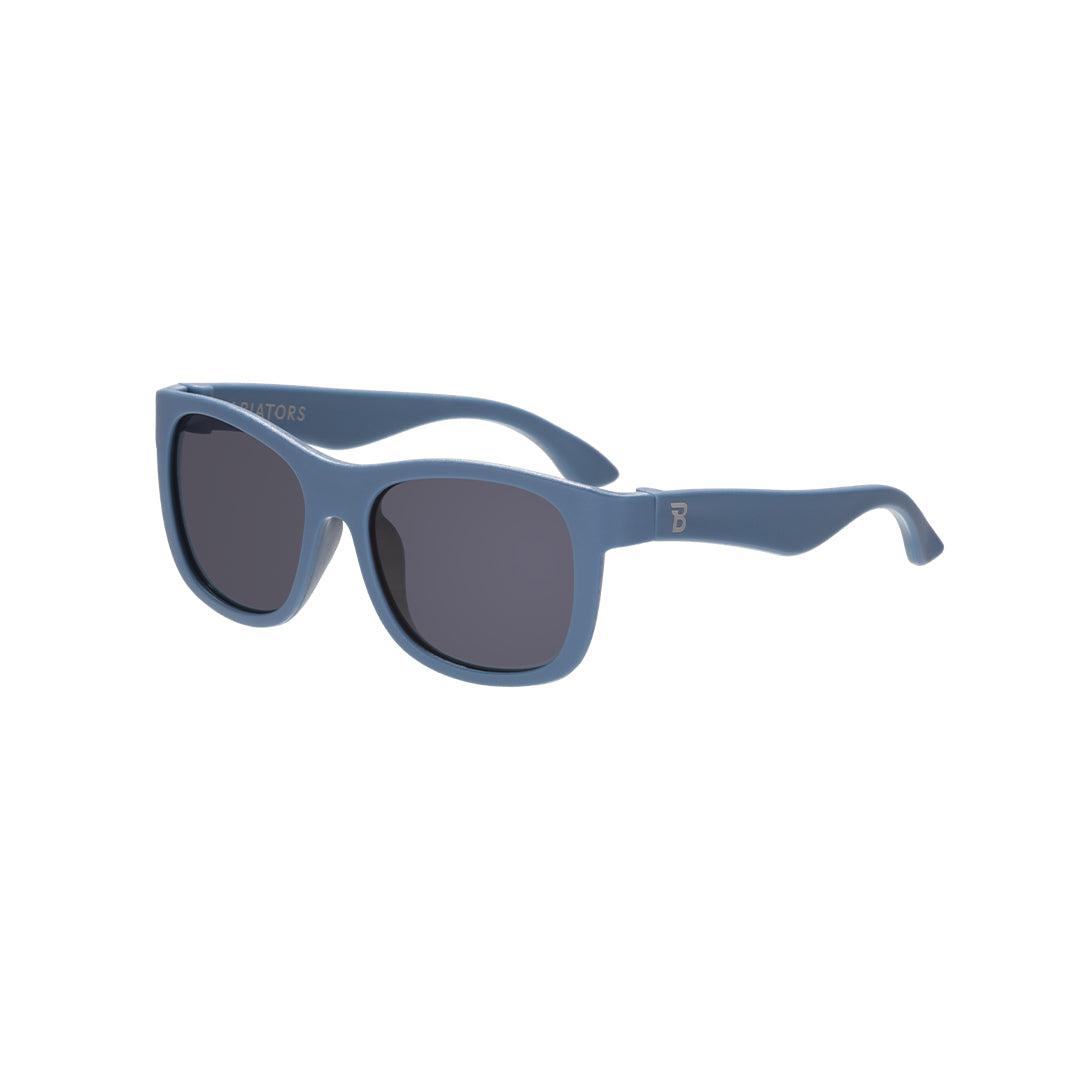
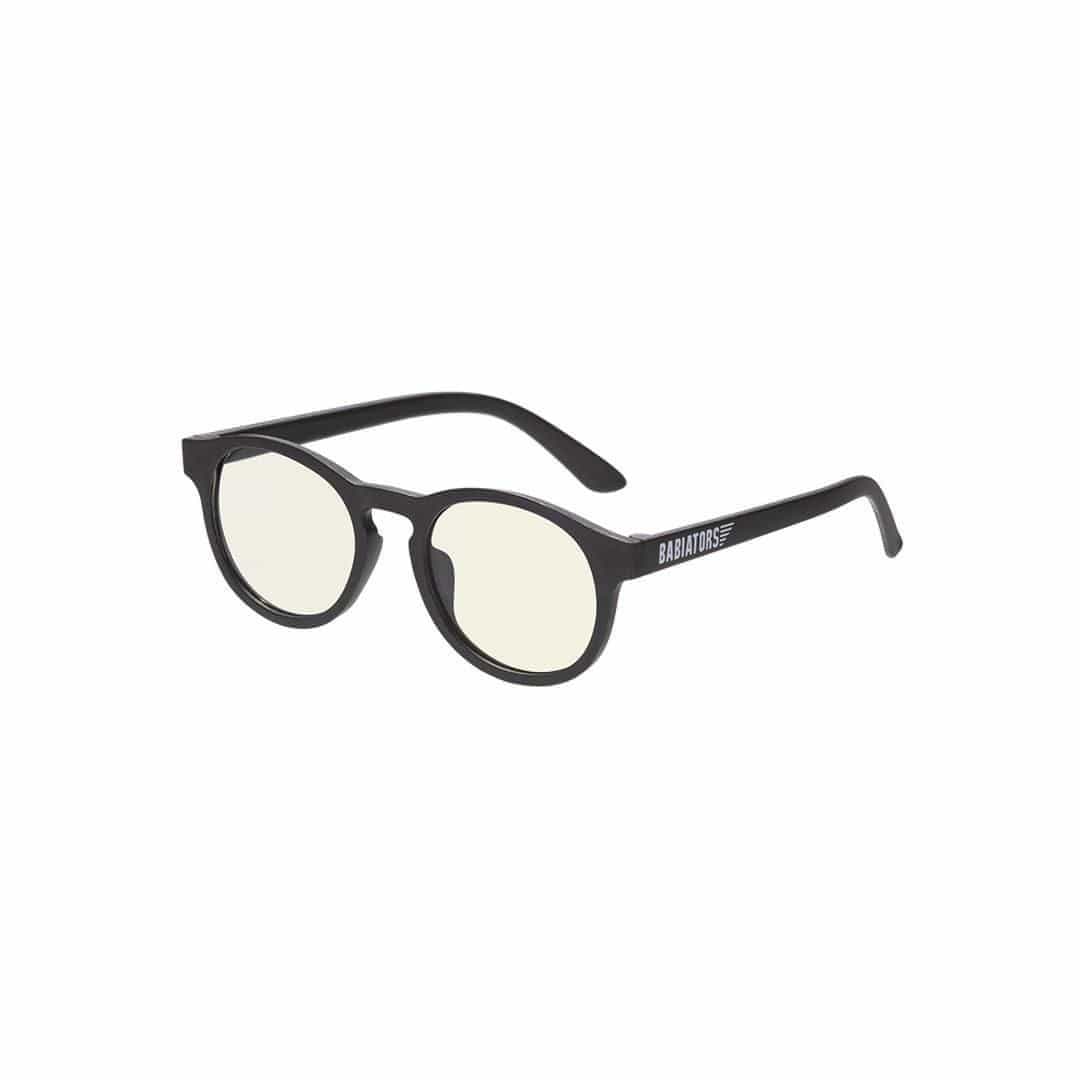
Some brands build their whole mission around sun safety, not just style. For example, Babiators UK makes kids’ sunglasses with 100% UV protection, age-based sizing (0-2, 3-5, 6+), multiple lens options, and a one-year replacement promise designed for real kid breakages.That combination is what you want to replicate in your shopping checklist: clear protection, kid-proof build, simple sizing, and a guarantee that removes the “what if they break them tomorrow?” worry.
Making sunglasses a habit (without the daily argument)
The best guarantee in the world won’t help if the sunglasses stay in the glovebox. The win is turning them into a normal part of leaving the house.Start with consistency: sunglasses go on when shoes go on. Keep them by the door. If your child resists, try making the choice about style (hearts, rounds, aviators) rather than about whether they wear them at all.
And be realistic. Some days they’ll come off after ten minutes. That’s still ten minutes of protection they didn’t have before. Over time, as the fit feels familiar and the light feels bright, most kids stop noticing them.
A replacement guarantee helps here too, because you won’t be tempted to “save” the sunglasses for special occasions. You’ll actually use them.
A helpful closing thought: if you’re already buying suncream and chasing hats, treat sunglasses the same way - a daily outdoor essential. Choose a pair you trust, then let the replacement guarantee handle the chaos kids bring to everything else.
 Back to Blog


