








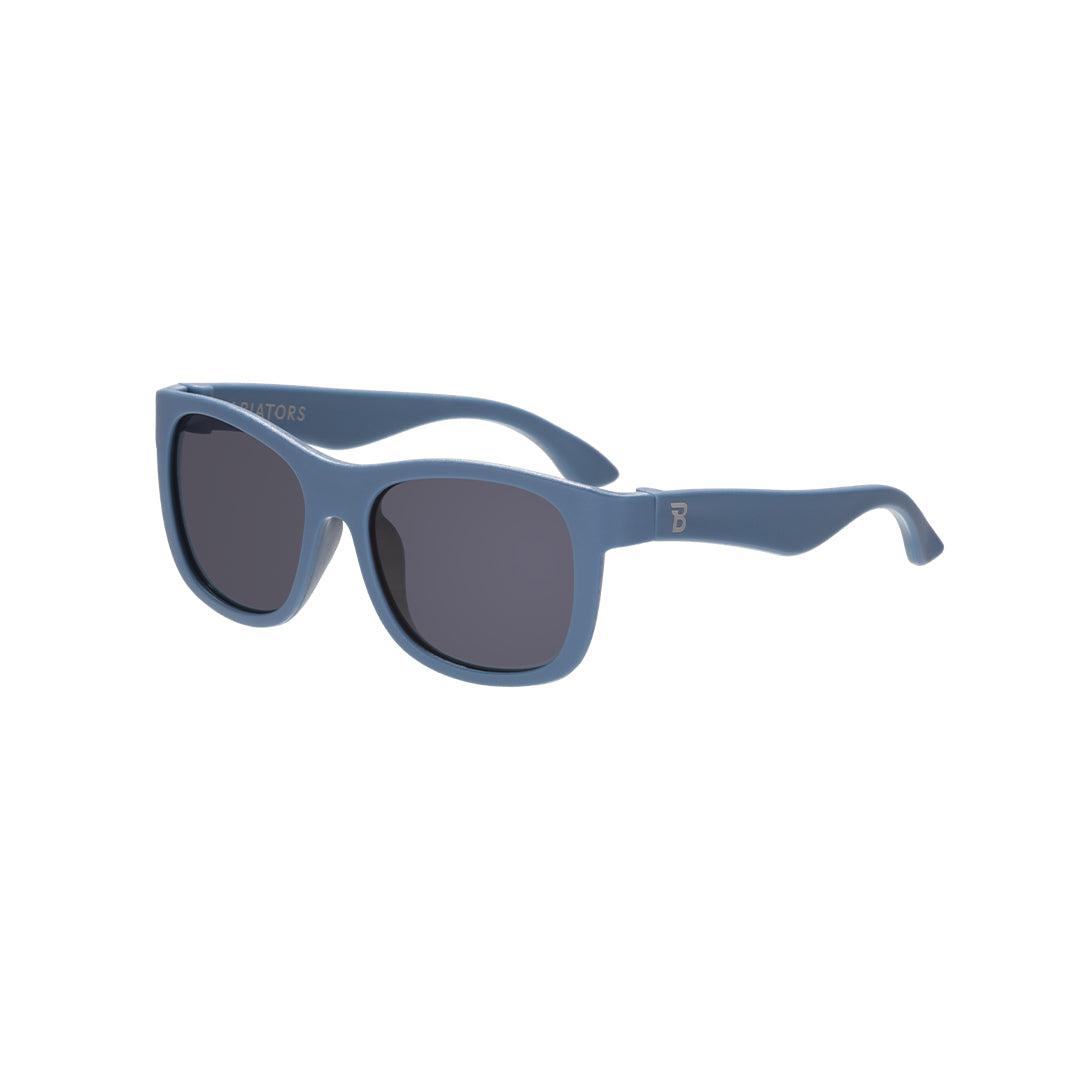
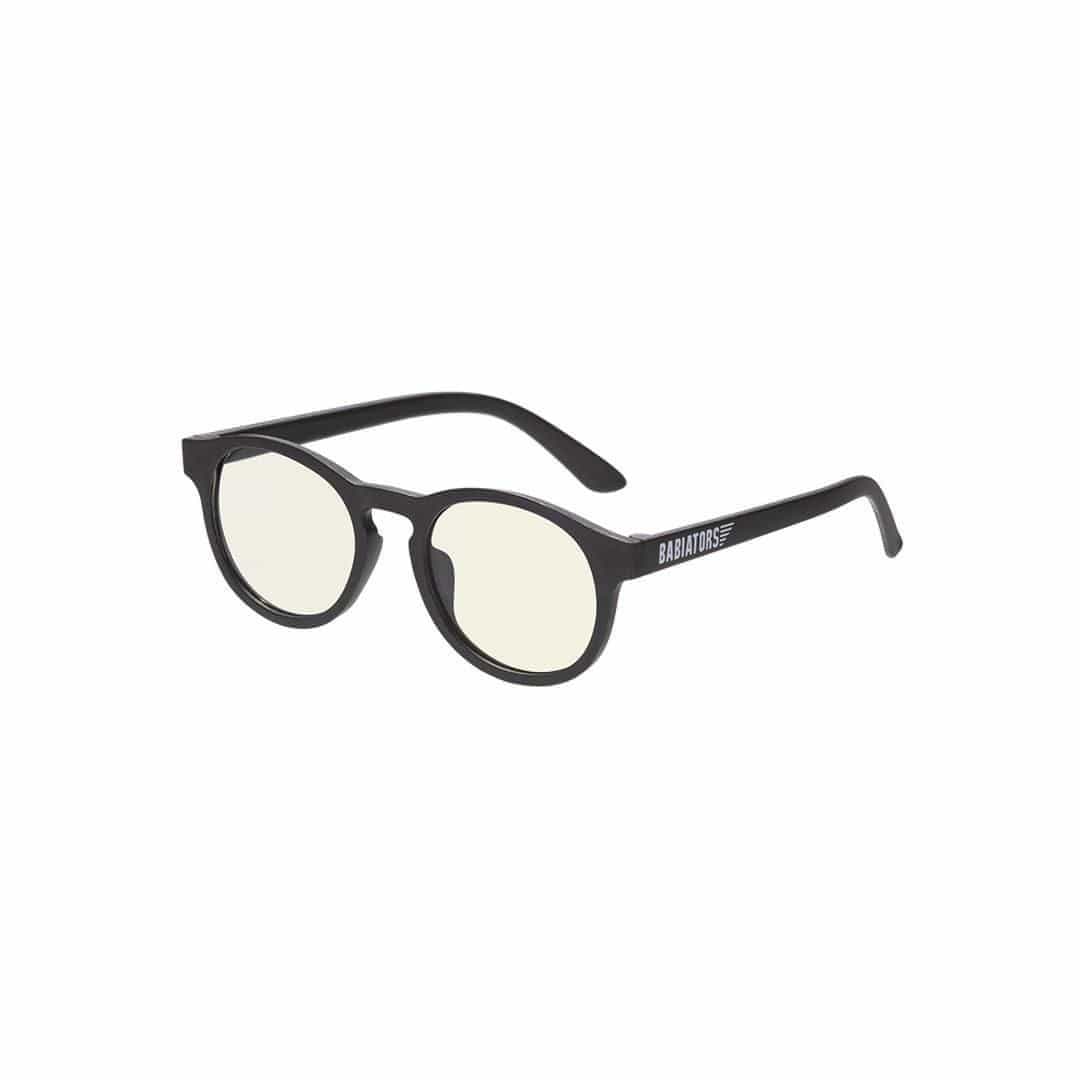


Kids Sunglasses Size: Get the Fit Right
You know the moment: you finally get sunglasses on your child, they look adorable for roughly three seconds, and then they’re either on the floor, on backwards, or being used as a snack.
A lot of that comes down to size. Not style. Not even how “cool” the frames look. If the fit is off, kids won’t keep them on - and even worse, gaps and slipping can let light in from above or the sides. This is the practical, no-fuss way to choose kids sunglasses size so they’re comfy, stable, and actually doing their job.
Why size matters (more than you think)
Kids’ sunglasses aren’t just a mini version of adult frames. Children’s faces are smaller, yes, but they also have different proportions - a flatter nose bridge, softer features, and lots of movement. A frame that’s even slightly too big tends to slide down, bounce with every step, and annoy them into ripping it off.
There’s also a protection angle. Proper UV protection starts with the lenses, but fit supports it. When glasses sit too far from the face, or leave big gaps at the brow and temples, more stray light can reach the eyes. On bright days (think beach, snow, water, or even a sunny playground), that can mean more squinting, more watering eyes, and a higher chance your child refuses sunglasses altogether.
How to choose kids sunglasses size without a measuring tape
If you’re buying online, you’re probably not excited about turning your kitchen into an optician’s workshop. Good news: you can size confidently with a few simple checks, and you only need to get close - kids’ frames should feel secure, not precision-engineered like a bike helmet.
Start with what you already know: your child’s age and how other accessories fit (hats, helmets, even face masks). Then use the fit checks below to confirm you’re in the right ballpark when the sunglasses arrive.
The three fit checks that actually matter
First, look at where the frame sits. The top of the frame should sit close to the brow line without covering eyebrows completely or riding up onto the forehead. If it’s halfway up their forehead, it’s too small. If it’s dropping low and they’re peering over the top, it’s too big or the bridge isn’t sitting properly.
Next, check cheek contact. Sunglasses shouldn’t press into cheeks when your child smiles or chats. A tiny touch is fine, but if the lenses lift or the frame gets shoved up every time they grin, the frame is likely too big or too tall for their face.
Finally, check the temples (the arms). They should sit comfortably over the ears, not stick out to the sides like little wings. If the temples flare outward, the frame is too narrow. If the temples curve aggressively and pinch, it’s too wide or the bend doesn’t match their head shape.
When those three are right, you’ll usually see the bonus signs: fewer slip-down moments, less fiddling, and more “I forgot I’m wearing these”.
Age-based sizing: the easiest starting point
Parents love a clear sizing system for a reason: kids grow fast, and you don’t have time to guess. Age ranges work well because most children’s head and face sizes cluster within predictable bands, especially in early years.
0-2: babies and early toddlers
For this age, comfort is everything. Little noses are small and low, and ears are still developing shape, so frames that rely on “adult-style” nose bridges often slip. If sunglasses constantly slide, your child will treat them like a toy, not a tool.
A good fit in 0-2 looks snug but gentle. You want coverage that reaches the outer corners of the eyes without the frame looking oversized. If the lenses extend way past the temples, it’s a sign you’ve sized up too far.
3-5: preschoolers with opinions
This is the age of strong preferences. If the sunglasses feel even slightly annoying, you’ll get a firm “no”. The right size here sits securely through running, climbing, and quick head turns. You’re aiming for stability without pressure.
If your child is on the petite side, they may still fit 0-2 depending on the frame shape. If they’re tall for their age or have a broader head, they might need to move up earlier. This is one of those “it depends” moments where comfort and coverage matter more than the number on the label.
6+: big kids, bigger adventures
From 6 upwards, faces start to vary more. Some children will still fit in a smaller size, especially with narrower faces. Others need the extra width for proper temple alignment and coverage.
This is also where kids are more likely to wear sunglasses for longer stretches (school runs, sports, holidays), so fit becomes about all-day comfort. Watch for rubbing behind the ears or red marks on the nose - those are usually signs the frame is too tight.
Frame shape changes how sizing feels
Two pairs can be the same “size” but feel completely different depending on the silhouette. When you’re choosing kids sunglasses size, it helps to think of shape as the second half of sizing.
Rounder shapes tend to feel roomier vertically, which can be great for coverage but may touch cheeks on smaller faces. Aviator-style shapes can sit lower and wider, which suits some kids brilliantly and overwhelms others. Heart and flower shapes often have more height at the outer edges, so they can feel bigger even when the width is similar.
If your child is between sizes, shape can be the deciding factor. A narrower face often looks and feels better in a rounder or keyhole-style frame in the correct width, while a wider face may be happier in a navigator-style shape that gives more horizontal room.
What if your child is between sizes?
This is common - and it’s where parents tend to overthink it. The simplest rule is: prioritise stability now over “growing into it”. Oversized sunglasses slide, gap, and fall off, which means they won’t be worn.
That said, if your child is right at the top of an age band and the smaller size looks slightly narrow (temples flaring out), sizing up can be the better call. You’re looking for a frame that sits flat at the front and wraps naturally around the head without squeezing.
If you’re seeing mild slip-down but the width looks correct, the issue may be the nose fit rather than the size. Some kids just have a low bridge, and they’ll do better in a frame designed specifically for smaller noses.
Quick at-home “fit test” once they arrive
When the sunglasses turn up, do a two-minute test before you let them become part of a dress-up box.
Put them on and ask your child to look down at their shoes. If the frames slide down their nose straight away, they’re too big or not sitting correctly. Then ask them to shake their head “no” a few times. The sunglasses shouldn’t wobble dramatically or twist.
Now check coverage in natural daylight near a window. Look for big gaps at the top near the brows or at the sides near the temples. Some space is normal, but if you can clearly see daylight pouring in around the lenses, you’re not getting the best protective fit.
Common sizing mistakes (and how to avoid them)
The biggest mistake is buying oversized because it “looks cute” or seems economical. In reality, kids who hate the feel will take them off, and you’ll be back to square one.
Another common issue is ignoring temple fit. Parents often focus on lens width, but the arms tell you the truth. If the arms are pushed outwards, the front is being forced into place and comfort won’t last.
Finally, don’t assume slipping is just “kids being kids”. A well-fitting pair is noticeably calmer on the face. Less fiddling is your clue that you got the size right.
Fit is only half the job: don’t forget protection
Sizing keeps sunglasses on. Lens quality keeps eyes protected. Look for 100% UV protection as a baseline, and consider polarised lenses if your child is around water, on bright pavements, or on snow - polarisation can cut glare and reduce squinting.
And yes, durability matters too, because the best-fitting sunglasses in the world won’t help if they snap on day two. If you want an easy, age-based way to shop by size, style, and lens type in one place, you can find that at Babiators UK.
A calmer way to shop: start with comfort
If you’re stuck deciding, choose the size that looks like it belongs on your child’s face today, not the one they might grow into by summer. The win isn’t a perfect measurement - it’s sunglasses that stay put on the buggy ride, survive the playground, and quietly do their job while your child gets on with being a kid.
 Back to Blog


