










Kids Sunglasses Fit Checklist for Every Age
A pair of sunglasses can look adorable in the kitchen, then spend the whole walk pushed up on a child’s head, sliding down their nose or being pulled off within two minutes. That is why a kids' sunglasses fit checklist matters. The right pair should protect little eyes from UV rays without pinching, slipping or turning every sunny outing into a negotiation.
Children are not simply smaller adults. Their faces, nose bridges and daily habits are different, especially when they are learning to crawl, run, climb and do everything at full speed. A great fit gives them proper coverage, feels comfortable enough to leave on, and stands up to the real world of dropped snacks, sandy hands and busy family holidays.
Start with age, then check the child
Age-based sizing is the easiest place to begin because it reflects how quickly children’s faces change in their early years. For babies, sunglasses sized 0-2 are designed for smaller head widths and lower nose bridges. Toddlers aged 3-5 usually need a little more frame width and arm length. Children aged 6+ often suit the largest kids’ fit, with enough room to stay comfortable as they grow.
But age is a guide, not a rule. A tall two-year-old may need more width, while a petite five-year-old may be happier in a smaller frame. If your child is between sizes, focus on how the frame sits rather than choosing the bigger option automatically. Sunglasses that are too large can slide down and leave the eye area exposed. Too small, and they can press at the temples or behind the ears.
When shopping online, compare the child’s current sunglasses or prescription glasses with the frame dimensions where available. A quick look at what already fits well can take much of the guesswork out of choosing a new style.
Kids' sunglasses fit checklist: five things to check
Put the sunglasses on when your child is calm, ideally indoors first. A wriggly toddler who is halfway through a biscuit is not always the best fit model, but their reaction still tells you plenty.
- The bridge sits securely on the nose. The frame should rest gently without digging in, leaving deep marks or slipping straight down. Babies and young children often have a low nose bridge, so a lightweight, well-shaped frame makes a real difference.
- The eyes sit in the centre of the lenses. Their eyes should not be pressed close to the top, bottom or outer edge. Centred eyes mean the lenses are more likely to give useful coverage when your child looks around.
- The frame width matches the face. The temples should meet the sides of the head comfortably, not squeeze them. Frames that stick out far beyond the face are usually too wide, while frames that look stretched across the temples are too narrow.
- The arms rest neatly behind the ears. They should hold the sunglasses in place without bending the ears forward or rubbing the skin. If the arms lift away or the glasses bounce with every step, try a smaller or better-shaped fit.
- Your child can move naturally in them. Ask them to look down, look up, shake their head and, if they are old enough, run a few steps. The sunglasses should stay put through ordinary movement, not only while they sit still for a photo.
Look for coverage, not just a good-looking frame
Lenses that cover the eye area well help reduce the amount of sunlight reaching the eyes from the front and sides. This is especially useful at the beach, in the park, on bright pavements and around water, where reflected light can feel surprisingly intense.
A larger lens shape may offer more coverage, but bigger is not always better. Oversized frames can overwhelm a small face, sit too low and make it easier for light to enter from above. The best choice is the frame that follows the child’s face comfortably and keeps the lenses close enough to offer protection without touching their cheeks or eyelashes.
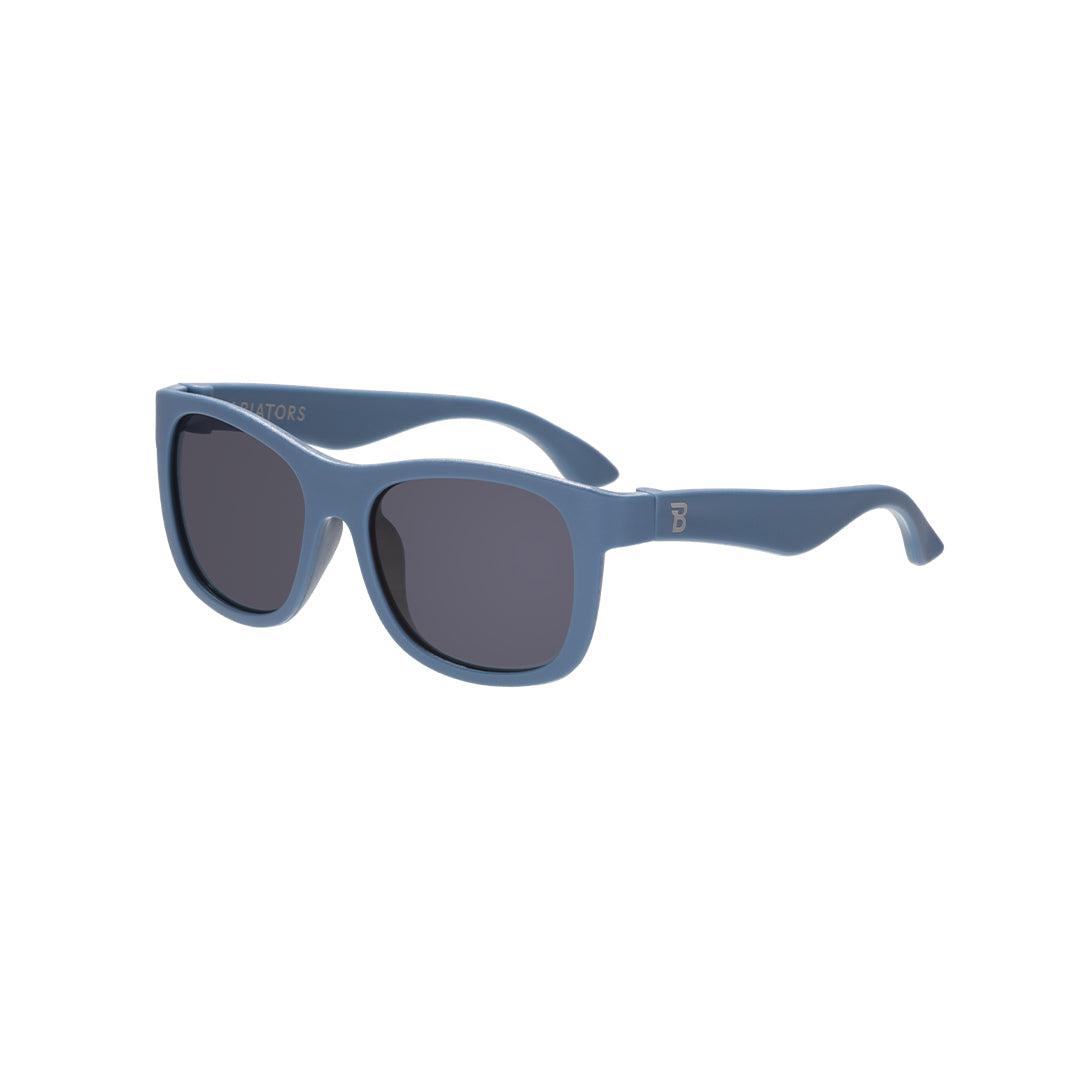
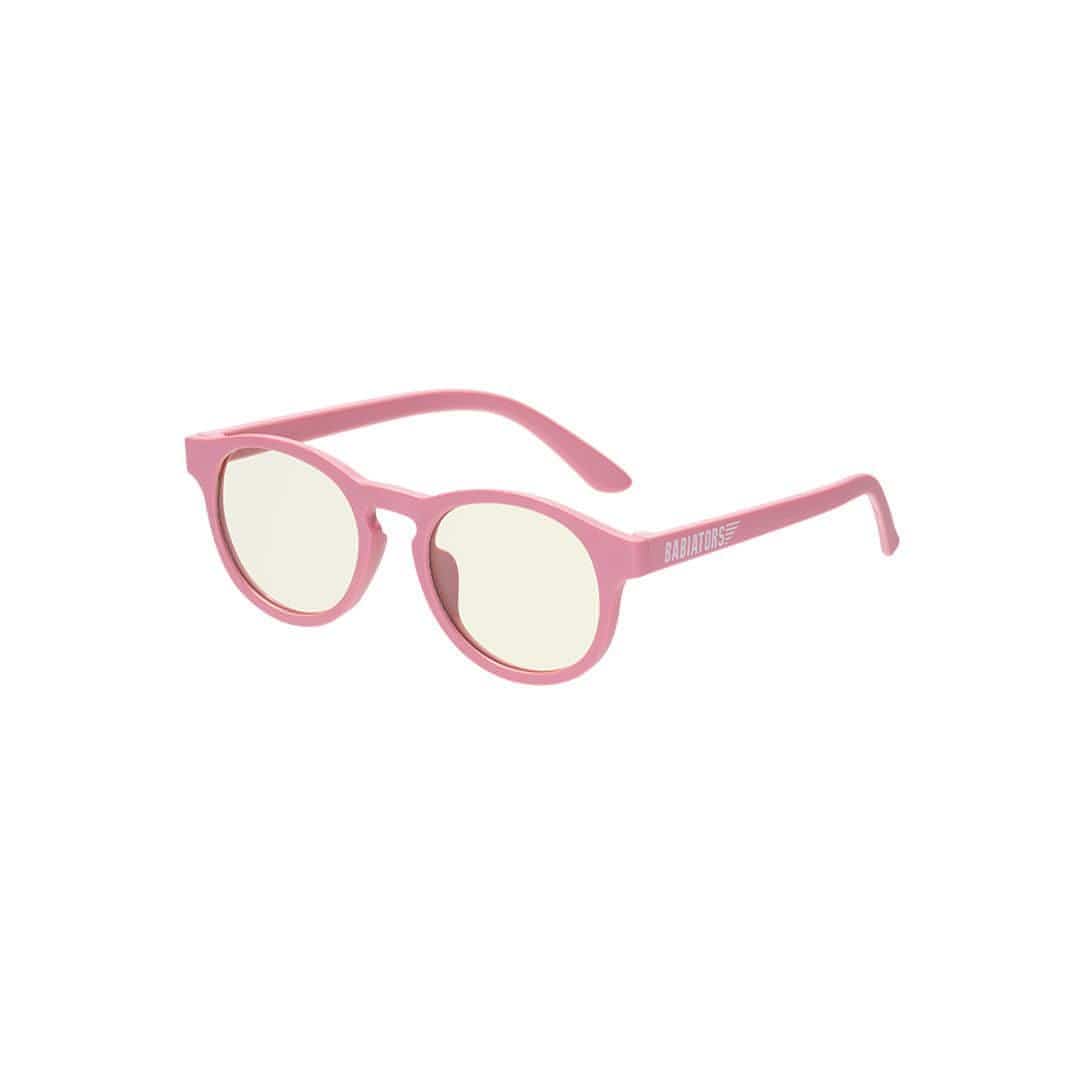
Frame style can affect this. Rounded frames can feel soft and balanced on smaller faces, while Navigator or Aviator-inspired shapes may suit children who need a little more width. Hearts and Flowers add plenty of personality, but fit should still lead the decision. The pair your child loves is the pair they are more likely to wear, so style matters after the comfort and coverage checks are passed.
Check for the tell-tale signs of a poor fit
Children do not always say, “These sunglasses are pinching my temples.” More often, they tug at them, throw them in the buggy or refuse to put them back on. Watch for repeated pushing up the nose, red marks that linger after removal, arms that catch on hair, or lenses touching the cheeks when they smile.
Fogging can also be a clue. It may happen briefly when a child moves from a cool car into warm sunshine, but frequent fogging can mean the frame is sitting too close to the face. On the other hand, a big gap around the frame may mean a poor fit and less effective coverage.
If sunglasses slip only when your child is sweaty, swimming or racing around, an adjustable strap can be helpful. For everyday use, though, the frame itself should still fit well. A strap is useful backup, not a fix for a frame that is much too wide.
Do not compromise on UV protection
Dark lenses are not proof of sun protection. Tint changes how bright the world looks, but UV protection is what helps shield young eyes from harmful ultraviolet rays. Look for sunglasses that clearly state 100% UV protection or UV400 protection, whether you are choosing a subtle everyday lens or a polarised option for brighter conditions.
Polarised lenses can be particularly handy near water, snow or on long car journeys because they help reduce glare reflected from flat surfaces. They are not essential for every family walk, and some children simply prefer a lighter lens look. The non-negotiable part is full UV protection and a fit that means the sunglasses will actually be worn.
For babies, shade, a wide-brimmed hat and keeping out of the strongest midday sun are still sensible parts of sun safety. Sunglasses add another layer of protection when you are outdoors, rather than replacing those habits.
Make the first wear feel easy
A child who has never worn sunglasses may need a little practice. Try them on for a few minutes before leaving the house, then build up during a favourite activity such as scooter time or a trip to the playground. Keep the tone light: sunglasses are part of getting ready, just like shoes and a sun hat.
Avoid forcing a pair that is clearly uncomfortable. If they repeatedly pull the frames off, check the fit first. Once the fit is right, let them choose between two parent-approved styles or colours. A little ownership goes a long way with toddlers and independent-minded school starters.
Durability matters here too. Kids will bend arms, drop frames and occasionally use sunglasses as a toy. Flexible, child-proof frames take the pressure off everyday accidents, while Babiators’ Awesome Guarantee offers one year of free replacement if the unexpected happens. That is reassurance parents can use, not just a nice promise on a box.
Recheck fit as they grow
Children can outgrow sunglasses before the frames look worn. Revisit the fit at the start of each sunny season, before a holiday, or whenever you notice the frames slipping more than usual. Check that their eyes still sit centrally, the arms are not tight, and the lenses still give good coverage.
Keep the sunglasses in a case when they are not on little faces, and give the lenses a gentle clean with a soft cloth. Clear lenses make it easier for children to enjoy wearing them, while a clean, comfortable frame is far less likely to be rejected halfway through a sunny day.
The best sunglasses are the ones your child forgets they are wearing - until they spot their reflection and feel brilliantly grown-up. Get the fit right, pair it with 100% UV protection, and every park trip, beach day and family holiday starts with one less thing to worry about.
 Back to Blog


