








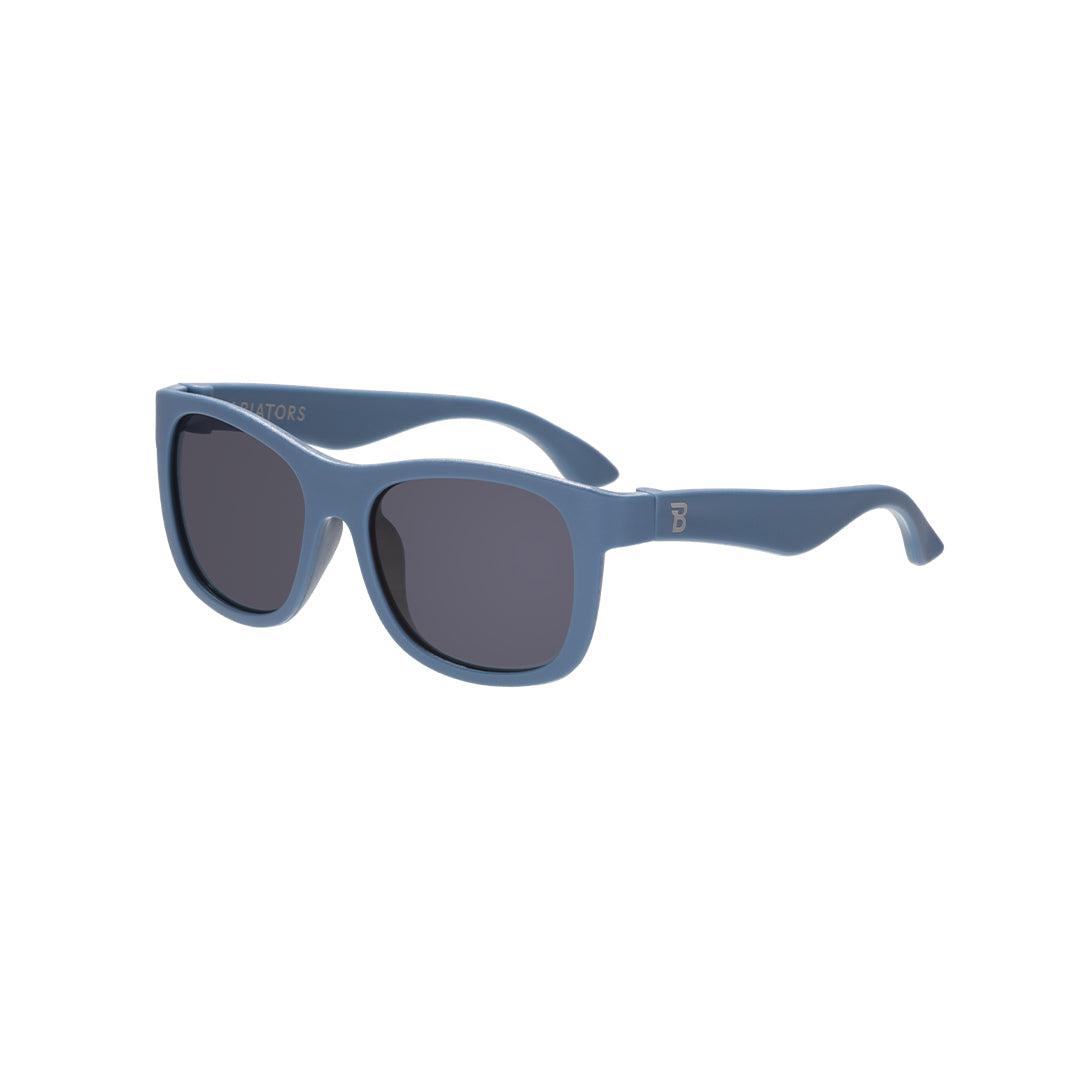
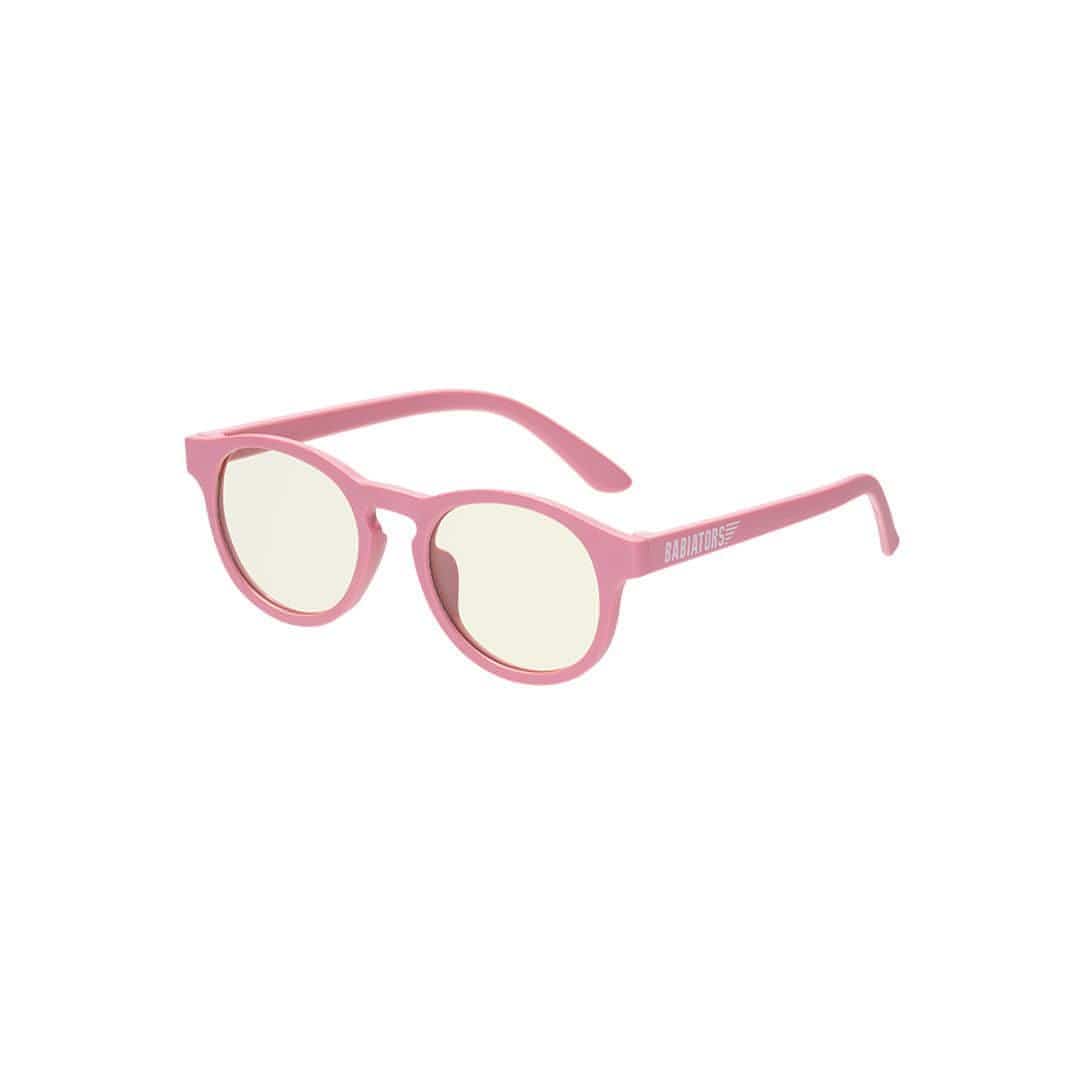


Polarised vs Non Polarised Kids Sunglasses
One minute they are happily digging in the sand, the next they are squinting at the sea and pulling their sunglasses off. That is usually when parents start asking the big question: polarised vs non polarised kids sunglasses - which is actually better for children?
The short answer is that both can protect your child’s eyes if they offer 100% UV protection. The bigger difference is how they handle glare. For some children, polarised lenses make bright days far more comfortable. For others, non polarised lenses do the job perfectly well and keep things simple.
Polarised vs non polarised kids sunglasses: what is the difference?
Let’s start with the part that matters most. Polarised and non polarised lenses are not the same as UV protection.
UV protection blocks harmful ultraviolet rays from reaching your child’s eyes. That is the non-negotiable bit. Whether you are choosing sunglasses for a baby in the pushchair, a toddler at the park, or a bigger child on holiday, 100% UV protection should always come first.
Polarisation is something extra. A polarised lens is designed to reduce intense reflected glare bouncing off flat surfaces such as water, sand, snow, pavements and car bonnets. That means less harsh brightness and often a clearer, more comfortable view.
A non polarised lens can still be brilliant for everyday wear. It can still be dark, protective and comfortable in sunshine. It just will not cut reflective glare in the same way.
Why glare matters for children
Adults often notice glare when driving or sitting by a pool. Children feel it too, but they are less likely to explain it clearly. They may rub their eyes, turn away from the light, get frustrated outdoors, or keep taking their sunglasses off.
That matters because kids spend a lot of time outside looking at bright, reflective surfaces. At the beach, on ski trips, near lakes, on sunny playgrounds, or even while scooting down a pale pavement, glare can make it harder for them to keep their eyes open comfortably.
If your child is sensitive to bright light, polarised lenses can make a noticeable difference. The world can look calmer and less dazzling, which often means they are more likely to keep their sunglasses on. For parents, that is a win.
When polarised kids sunglasses are worth it
Polarised lenses shine in high-glare situations. If your family spends lots of time near water, goes on sunny holidays, enjoys snow sports, or is outdoors for long stretches in bright conditions, they can be a very smart choice.
They are especially helpful for children who squint a lot in bright sun or complain that the light feels "too shiny". They can also be useful for travel days, particularly when your child is in a buggy, bike trailer, carrier or car seat and facing reflected light for long periods.
For active little ones, better visual comfort can mean fewer distractions. If they are running, climbing and exploring, lenses that reduce glare may help them feel more at ease outdoors.
That said, polarised lenses are not essential for every child or every outing. If most of your child’s outdoor time is spent in everyday settings like the garden, local park or nursery run, non polarised sunglasses with full UV protection may be exactly what you need.
When non polarised kids sunglasses make sense
Non polarised sunglasses are a strong everyday option, especially if your top priority is reliable UV protection, comfort and a pair your child will actually wear.
For many families, they are ideal as the go-to pair for regular use - walking to preschool, playing in the garden, riding in the pram, or heading to the playground. They keep harmful UV rays out and help reduce brightness, even if they do not specifically target reflected glare.
They can also be the right pick for parents who want a simple first pair for a baby or toddler. If you are just getting your child used to wearing sunglasses, comfort, fit and durability may matter even more than lens extras.
The most important thing parents often miss
It is easy to get caught up in lens jargon, but the best sunglasses for your child are not automatically the most technical pair. They are the pair that combines proper protection with a secure fit and child-proof durability.
A brilliant lens does not help much if the sunglasses slide down, pinch behind the ears or get snapped on day three. Kids are not gentle with sunglasses. They bend them, drop them, sit on them and fling them across the buggy. That is normal.
So yes, lens type matters. But fit, comfort and toughness matter just as much. A pair that stays on, feels good and survives real life is far more likely to protect your child’s eyes day after day.
Polarised vs non polarised kids sunglasses for babies and toddlers
With babies and toddlers, the answer often depends on where and how you use them.
If your little one is mainly out for short daily walks, park trips and errands, non polarised sunglasses with 100% UV protection are usually a practical choice. They cover the essentials and keep things straightforward.
If you are heading on a beach holiday, spending lots of time by the water, or taking a trip somewhere snowy, polarised lenses can be a great upgrade. Babies and toddlers cannot tell you that the glare is uncomfortable, but they can still feel it.
At this age, though, fit is everything. The sunglasses need to sit securely without feeling too tight. Lightweight frames, age-based sizing and flexible construction all help. The easier they are to wear, the less likely your child is to pull them off every thirty seconds.
Do polarised lenses affect how children see screens?
Sometimes, yes. Polarised lenses can make certain digital screens, car displays or reflective surfaces look darker or slightly odd at particular angles. Most young children will not care about this in everyday life, but it is worth knowing.
If your child often looks at tablets outdoors or is fascinated by dashboard screens in the car, you may occasionally notice this effect. For most families, it is a small trade-off compared with the comfort benefits of reduced glare.
How to choose the right pair for your child
The best choice usually comes down to your family’s routine.
If your child spends lots of time around water, sand or snow, go polarised. If you need an everyday pair for general outdoor use, non polarised can be spot on. If your child is especially light-sensitive or struggles with glare, polarised is worth serious consideration.
Then check the basics. Make sure the sunglasses offer 100% UVA and UVB protection. Choose the right size for your child’s age and face shape. Look for frames that are lightweight, flexible and made to handle rough treatment. And pick a style your child enjoys wearing - because fun matters too.
A child who loves their sunglasses is much more likely to leave them on.
Polarised vs non polarised kids sunglasses: which is better?
Better depends on the job.
Polarised kids sunglasses are better for bright, reflective environments and for children who are bothered by glare. Non polarised kids sunglasses are better if you want dependable daily sun protection without paying for an extra feature you may not need every day.
What does not change is the baseline. Your child’s sunglasses should always provide 100% UV protection. That is the real eye health essential. Everything else builds on top of it.
For many parents, the sweet spot is having the right pair for the right moment - an everyday pair for regular use and a polarised pair for beach days, boating, skiing or long sunny holidays. If you prefer one pair that can do more, polarised lenses are often the more versatile option for outdoor adventures.
At Babiators UK, we believe sun safety should feel simple, not stressful. When you know what lens type actually does, choosing becomes a lot easier.
Your child does not need complicated. They need sunglasses that protect their eyes, feel comfortable on little faces and stand up to big adventures. Start there, and you will be on the right track.
 Back to Blog


