








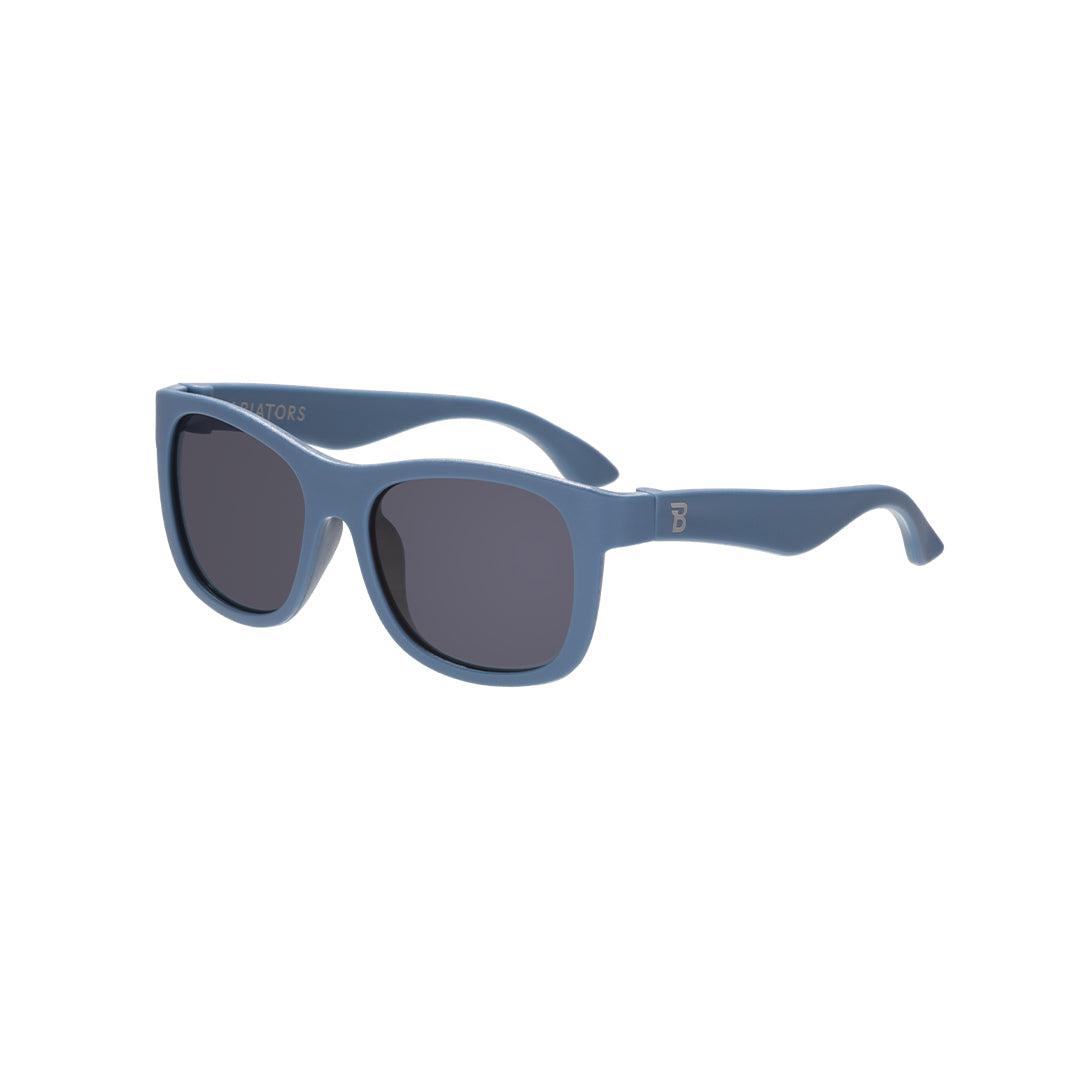
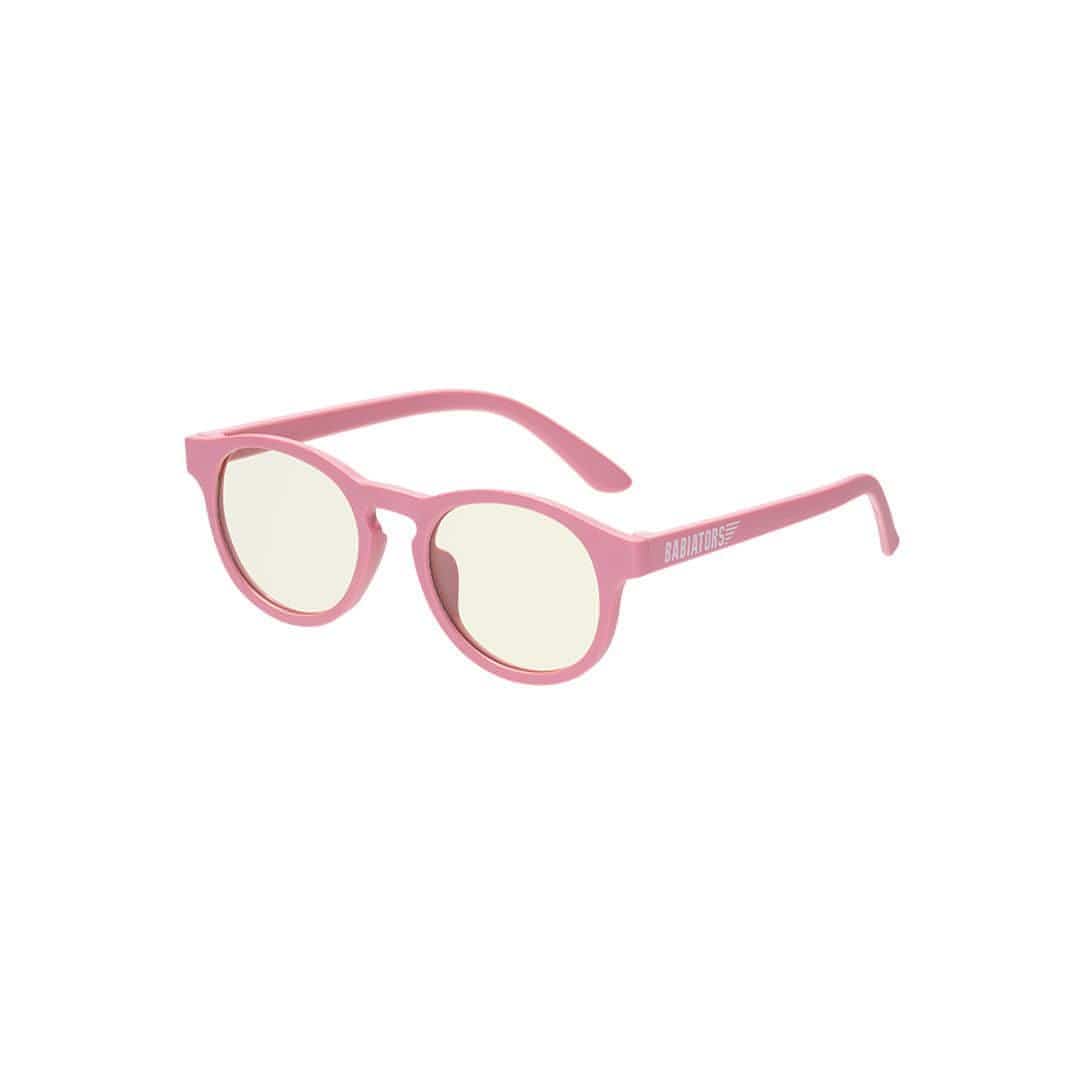


What Does UV400 Mean on Sunglasses?
You spot a pair of children’s sunglasses labelled UV400, and it sounds reassuring - but what does UV400 mean on sunglasses, exactly? If you’re buying for a baby, toddler or young child, that little label matters far more than the frame colour or cute shape. It tells you whether the lenses are blocking the harmful ultraviolet rays that can reach your child’s eyes on bright summer days, cloudy afternoons, ski trips and even quick buggy walks.
What does UV400 mean on sunglasses?
UV400 means the lenses are designed to block light rays with wavelengths up to 400 nanometres. In plain English, that covers both UVA and UVB rays - the types of ultraviolet radiation most often linked to sun damage.
That’s why UV400 is widely treated as shorthand for maximum UV protection in sunglasses. If a pair of sunglasses meets that standard, it should block 100% of harmful UVA and UVB rays. For parents, that’s the key takeaway. You don’t need to memorise nanometres. You just need to know whether the sunglasses protect your child’s eyes properly.
This is especially important for little ones because children’s eyes are still developing. Their lenses are clearer than adult lenses, which means more UV can pass through to the inner eye. Add all the time children spend outside - at the park, in the garden, on holiday, at nursery pickup or splashing at the beach - and good protection stops being a nice extra. It becomes part of everyday sun safety.
Why UV400 matters more than dark lenses
One of the biggest misunderstandings is thinking darker lenses automatically mean better protection. They don’t.
A very dark lens without proper UV protection can actually be worse than no sunglasses at all. Why? Because dark lenses make the pupil open wider, which can let in more harmful UV if the lens itself isn’t blocking it. So while a cheap pair might look the part, the tint alone tells you almost nothing about safety.
UV400 is the detail that matters. It’s the difference between sunglasses that simply reduce brightness and sunglasses that help protect eye health.
For children, this is a big deal. Kids rarely tell you that glare is bothering them, and they definitely won’t inspect lens labels. They rely on grown-ups to choose protection that does the job properly. That’s why clear, trustworthy UV claims matter so much when you’re shopping.
What kind of UV rays are being blocked?
Sunlight contains different types of ultraviolet radiation, but the two you’ll hear about most are UVA and UVB.
UVA rays are present all year round and can penetrate deeply. UVB rays are often associated with stronger seasonal sun and surface-level damage. Both can contribute to long-term harm, and both can affect the eyes as well as the skin.
When sunglasses are labelled UV400, they should block both. That’s why you’ll often see brands also describe this as 100% UV protection. The two phrases are closely connected.
It’s worth saying that UV exposure does not only happen in obvious heat. Children can be exposed on overcast days, in winter light, near water, on snow and at higher altitudes. Reflection makes a difference too. Sand, pavements, water and snow can all bounce UV back towards the eyes.
Is UV400 the same as polarised?
No - and this is where a lot of parents get tripped up.
UV400 refers to protection from ultraviolet rays. Polarised refers to glare reduction. A polarised lens can make it easier to see comfortably around reflective surfaces like water, wet roads or snow. That can be brilliant for older children on bright days, family holidays or mountain trips.
But polarisation is not a substitute for UV protection. Ideally, sunglasses do both: block 100% of harmful UV rays and, if needed, reduce glare as well.
If you’re choosing between the two, UV protection comes first every time. Polarisation is a helpful extra. UV400 is the non-negotiable part.
How to check if sunglasses really offer UV400 protection
The safest approach is to buy from a trusted children’s eyewear brand that states the protection level clearly and consistently. Product pages, packaging and labels should all make the same promise. Look for wording such as UV400 or 100% UVA and UVB protection.
Be cautious with vague claims like UV protected or sun lenses if nothing explains what that means. Those phrases can sound official without telling you much at all.
Price is not always the clue people expect. Expensive sunglasses are not automatically safer, and budget sunglasses are not automatically unsafe. What matters is whether the lenses have been made and tested to meet the standard claimed.
For children, the frame matters too. Even the best lens protection won’t help much if the sunglasses constantly slide off, pinch, snap or get thrown aside after five minutes. A good pair needs proper UV400 lenses, a comfortable fit and enough durability to survive real child behaviour.
Why UV400 is especially important for babies and young children
Babies and toddlers have delicate eyes and thinner natural filtering than adults. They also spend a surprising amount of time facing upward in prams and buggies, where light can hit directly. If you’ve ever watched a toddler on the beach at midday, you’ll know they do not naturally seek shade with perfect judgement.
That’s why protective habits need to start early. A sun hat helps. Shade helps. Avoiding the strongest midday sun helps. But when children are outdoors, a well-fitting pair of UV400 sunglasses adds an important layer of defence.
There’s also the practical side. Parents need sunglasses that stay on, feel good and don’t create drama every time they’re handed over. Protective eyewear only works if children will actually wear it.
What UV400 does not tell you
UV400 is a strong sign of lens protection, but it doesn’t tell you everything about the sunglasses.
It doesn’t tell you whether the lenses are polarised. It doesn’t tell you how impact-resistant the frames are. It doesn’t tell you whether the fit is right for a 2-year-old with a smaller bridge or a 6-year-old who is constantly on the move. And it definitely doesn’t tell you whether the sunglasses will survive being sat on, bent in a car seat or dropped out of a pushchair for the tenth time that week.
For parents, the best choice usually balances several things at once: 100% UV protection, a secure and comfortable fit, child-friendly durability and a style your child is happy to wear. If one of those is missing, the whole experience gets harder.
What parents should look for beyond the label
Once you know what does UV400 mean on sunglasses, the next step is choosing a pair that works in real life.
Start with fit. Sunglasses should sit comfortably without slipping down or pressing too tightly behind the ears. Age-based sizing helps here, especially for younger children.
Then think about lifestyle. If your child is outdoors constantly, near water, on snow or travelling somewhere very bright, polarised lenses may be a useful upgrade. If they are rough on everything they touch, flexibility and durability matter just as much as lens quality.
And finally, think about ease. Parents do not need one more fiddly purchase. Clear protection claims, simple sizing and a straightforward replacement policy can make all the difference when you’re shopping for something your child will use every day.
At Babiators UK, that’s exactly why we keep the promise simple: 100% UV protection, built for real kids, with backup that gives parents peace of mind.
So, are UV400 sunglasses good?
Yes - if the claim is genuine, UV400 sunglasses are exactly what you want from a UV protection point of view. They help block the harmful rays that can damage young eyes, and they offer the level of protection parents should be looking for.
The better question is whether the sunglasses are also comfortable, durable and made for children who wriggle, run, throw and explore. Because the best sunglasses are the ones that protect your child and stay on their face long enough to matter.
When you’re choosing a pair, keep it simple. Don’t be distracted by dark tints or flashy styling alone. Look for UV400, make sure the fit is right, and choose sunglasses made for the wonderfully chaotic way kids actually live. That’s how you raise your sun safety without overthinking it.
 Back to Blog


