










Sunglasses for 1 Year Olds: What Matters Most
Your one-year-old will happily wear a hat for six seconds, then fling it into a puddle like it is their job. Sunglasses can feel even more ambitious - until you remember how often a toddler’s day happens at eye level: pram walks, playground slides, sand at the beach, reflective water, and bright pavements on a sunny high street.
Sunglasses for a 1 year old are not about looking cute (although yes, they will). They are about consistent, reliable UV protection in a fit that actually stays on, even when your child’s main hobby is grabbing their own face.
Do 1-year-olds really need sunglasses?
Yes - and it is not a “nice to have”. Little eyes are still developing and let in more light than adult eyes, which means more UV reaches the sensitive parts of the eye. Add the reality that toddlers spend a lot of time outdoors, often staring straight ahead from a buggy, and you have a strong case for everyday sun protection.It also depends on your lifestyle. If you are outside a lot, travelling, heading to the seaside, or spending time around water or snow, sunglasses move from useful to essential because glare and reflected UV are much stronger.
What to look for in sunglasses for 1 year old kids
The trick is to focus on the few features that genuinely change safety and wearability. Everything else is just styling.1) 100% UV protection (not just dark lenses)
The non-negotiable is clear labelling for full UV protection. Dark lenses without proper UV filtering can be worse than no sunglasses because they may encourage the pupil to open wider while still letting UV in.Look for sunglasses that state 100% UVA and UVB protection, or UV400. That is the baseline for sun safety.
2) A fit that covers the eye area properly
Toddlers do not sit still, and sunlight sneaks in from above and the sides. A good pair should sit close to the face, cover the whole eye area, and not perch like an adult fashion frame.If the frame is too wide, it slides down. If it is too narrow, it pinches and becomes a guaranteed tantrum. The “right size” is less about your child’s age in months and more about head width and nose bridge shape - but age-based sizing is a helpful starting point when shopping online.
3) Comfort and bendy durability
One-year-olds bend everything. They also sit on things. And they love a two-handed twist.Sunglasses for this age should have flexible frames that can survive real kid behaviour without snapping. Comfort matters too: soft-touch materials and a lightweight feel make it more likely your child keeps them on. If they leave pressure marks at the temples or slide constantly, the battle is lost.
4) Lenses that help with glare (when it makes sense)
Polarised lenses reduce glare, which is particularly helpful near water, sand, and on bright days when light bounces off pavements and car windscreens. If your family spends lots of time outdoors or you are planning a sunny holiday, polarised can be a big upgrade.The trade-off is cost. For nursery runs and the average British summer (sun, cloud, sun again), standard 100% UV lenses may be perfectly fine. If you are often by the sea, lakes, or on ski trips, polarised is worth considering.
5) A guarantee that matches toddler reality
You can buy an “affordable” pair and replace it three times, or buy a durable pair backed by a proper promise. For parents, that peace of mind is not a luxury - it is sanity.If a brand offers a replacement guarantee for breakages, it takes the stress out of letting your child actually wear their sunglasses instead of keeping them for “best”.
Getting the right size without trying on in person
Online shopping is a lifesaver with toddlers, but sizing can feel like guesswork. The easiest route is to use age-based sizing that is designed around typical head measurements, then sanity-check the fit once they arrive.For one-year-olds, look for ranges that include 0-2 sizing. When you try them on, the frame should sit comfortably on the nose without sliding down immediately. The arms should not dig behind the ears, and the sunglasses should stay put through gentle head turns.
A quick real-life test: put them on, distract your child with something exciting (snack, bubbles, a dog walking past), and see if the sunglasses stay in place for a minute. If they are constantly slipping, they are probably too wide or too heavy.
Will a strap help a 1-year-old keep sunglasses on?
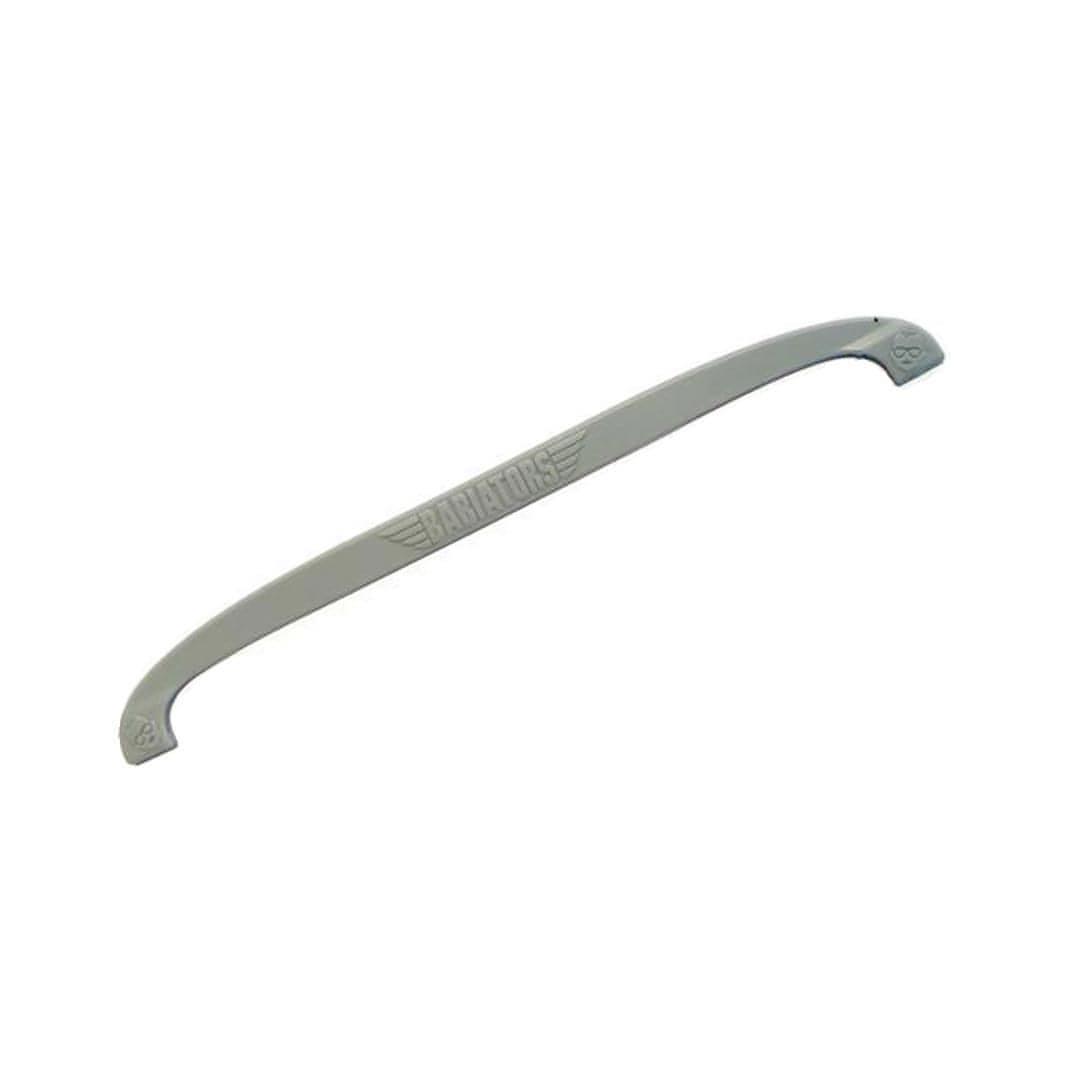
Sometimes, yes - and sometimes it becomes a chew toy.A strap can be brilliant for pram naps and days out, because it stops the “on-off-drop” cycle. It can also help if your toddler is in the stage where they remove sunglasses just to see your reaction. But if the strap bothers them, they will focus on it and the sunglasses will come off anyway.
If you use a strap, keep it comfortable and properly adjusted. It should be snug enough to prevent slipping, but not tight. And always supervise - anything around the neck needs sensible adult judgement.
How to actually get your toddler to wear them
There is no magic method, but there are patterns that work.Start with short wins. Put the sunglasses on right before you step outside, not ten minutes earlier while you are hunting for shoes. Make it routine: sunglasses, then out the door. Toddlers love predictable sequences even when they pretend they do not.
Let them see you wearing yours. If sunglasses are something “grown-ups do”, toddlers often want in. You can also offer a choice between two pairs or two colours - not twenty options, just two - so they feel in control.
And if they rip them off at first, that is normal. Keep trying in low-pressure moments. The goal is familiarity, not instant perfection.
When sunglasses are especially worth it in the UK
UV is not only a hot-country problem. Bright, hazy days can carry plenty of UV, and glare can be intense even when it feels cool.Sunglasses are particularly useful for:
- Pram walks when the sun is low and straight ahead
- Beach days where sand reflects light up into the eyes
- Days near water (lakes, paddling pools, fountains) where glare is relentless
- Winter sunshine, especially on frosty days when surfaces reflect light
- Long car journeys as a passenger, when side windows let in a lot of brightness
Choosing a style that your child will keep on
Style is not just for photos - it affects fit. Some shapes sit better on small faces, and some are more likely to slip.Rounder frames can work well for little noses and soft facial features, while more structured shapes can feel “bigger” even in the same size. The best approach is to pick a style you love, then prioritise the size and features that make it wearable.
If you are shopping for a one-year-old, you will usually be happiest with a frame that is light, snug, and not overly tall. Big fashion lenses can look adorable, but if they bump cheeks or shift when your toddler smiles, you will spend your day re-adjusting them.
A quick note on safety and quality
Avoid anything that feels like a toy. If the lenses scratch easily, the frame feels brittle, or the UV claims are vague, it is not worth the risk.Also, keep sunglasses in a case when they are not being worn. Toddlers are fast, and a lens can get scuffed in seconds inside a changing bag next to keys and biscuits.
Where Babiators fits in
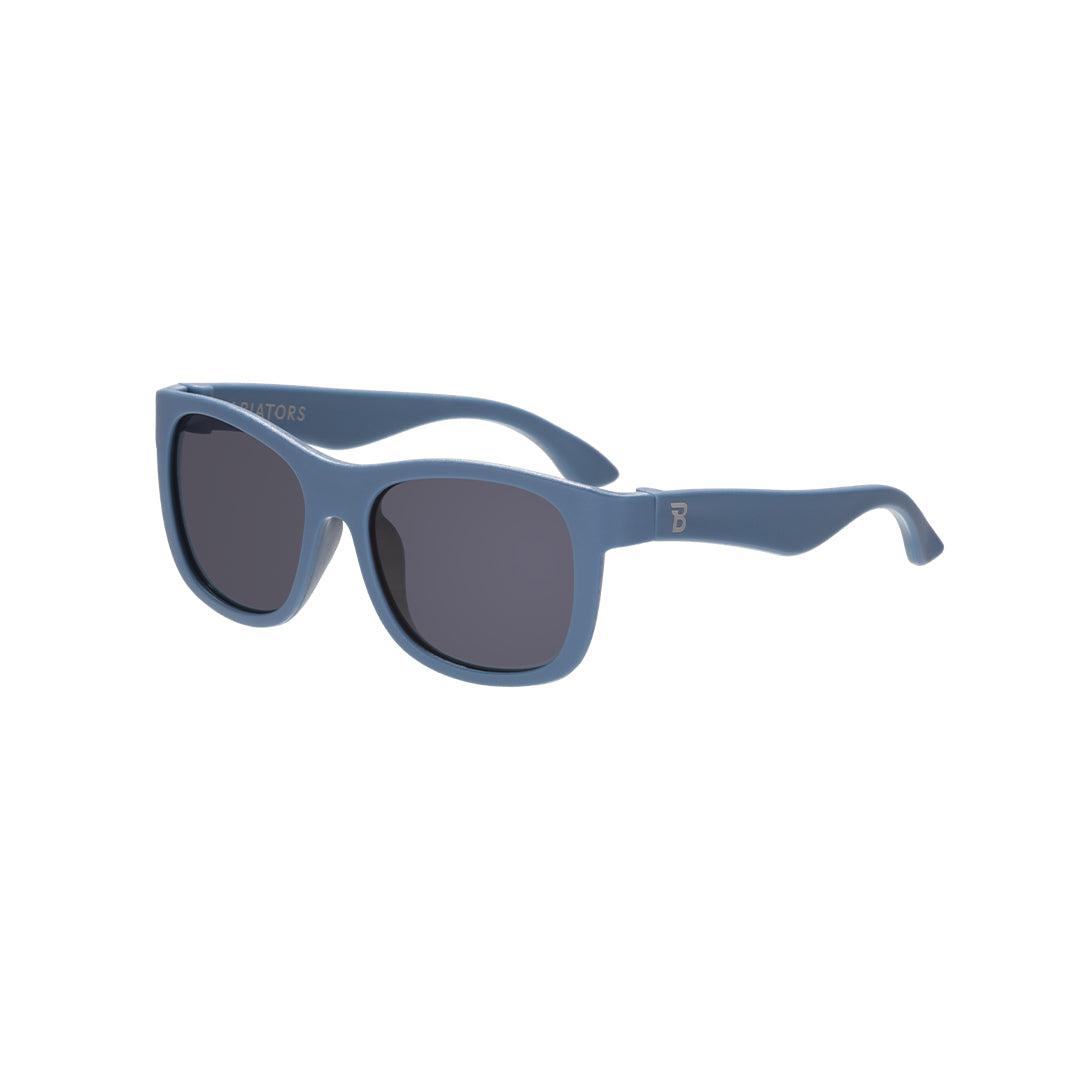
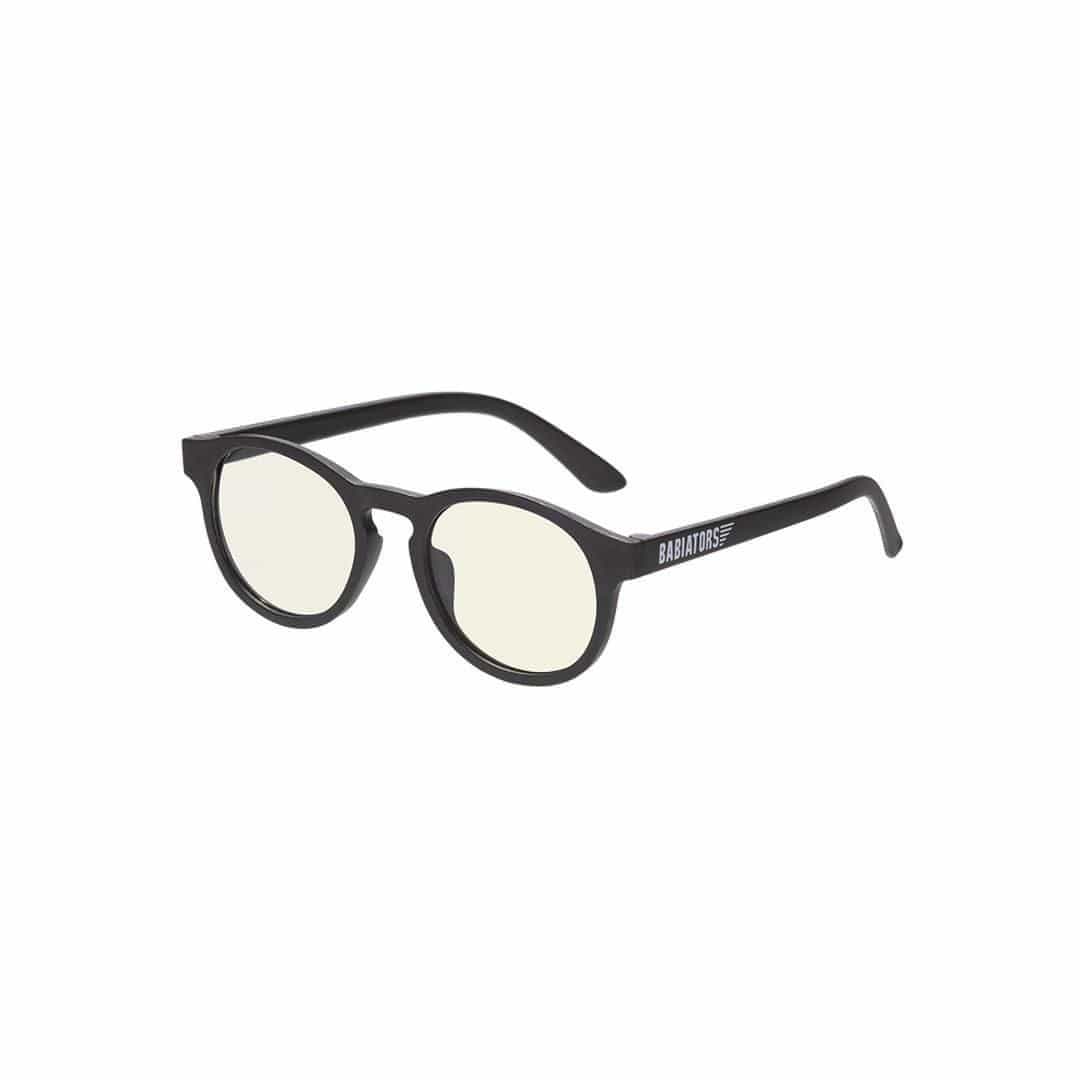
If you want the simple version - choose a toddler-specific size, insist on 100% UV protection, and pick a pair built to survive being dropped, bent, and grabbed.That is exactly why we build Babiators: premium kids’ sunglasses with 100% UV protection, kid-proof durability, and our Awesome Guarantee that replaces broken sunglasses free for one year. You can shop by age sizing (including 0-2), frame style, and lens type at https://babiators-uk.com.
The trade-offs worth knowing before you buy
There is no single “best” pair for every one-year-old. It depends on temperament and how you use them.If your toddler is a determined remover, a lighter, snugger fit matters more than any extra lens upgrade. If you are outdoors constantly, polarised lenses can make days feel calmer because glare is less intense - but if the sunglasses end up in the sand after two minutes, durability and a strong guarantee will matter more.
And if your child refuses sunglasses no matter what, do not panic. Keep offering them, use a wide-brimmed hat, and prioritise shade at peak brightness. Sun safety is a stack of small choices, not one perfect purchase.
Closing thought: the best sunglasses are the ones your one-year-old will actually wear, because consistent protection beats the “perfect” pair left in the bag.
 Back to Blog

