










Stop Kids Losing Sunglasses (Without Drama)
You buy a pair. They last exactly one trip to the park. Next thing you know, they are either (a) in the sandpit, (b) in the footwell of the car, or (c) posting themselves through the letterbox of someone else’s buggy.
If that feels familiar, you are not failing at parenting. Kids lose sunglasses because sunglasses are small, portable, easy to take off, and weirdly exciting to play with. The good news: you can stack the odds in your favour. The goal is not perfection. It is fewer losses, less stress, and more protected eyes when the sun actually shows up.
Why kids lose sunglasses (and why it keeps happening)
Most “lost” sunglasses are not really lost. They are misplaced in predictable places: the pushchair basket, the back seat, the toy box, the bottom of a changing bag, or under a cushion. For little kids, sunglasses come off for three big reasons: comfort, distraction, and habit.
Comfort is the silent deal-breaker. If the fit pinches, slides down, or presses behind the ears, they come off fast. Distraction is the other culprit - a toddler sees a puddle or a dog and the glasses become optional. And habit is the long game: if sunglasses are only worn occasionally, they never become part of “getting ready”, so they get treated like a toy instead of kit.
There is also a trade-off to accept. The more independent your child is, the more they will take them on and off. That independence is brilliant. It just means you need a system that can survive it.
How to stop kids losing sunglasses starts with fit
If you want fewer lost pairs, start by reducing the number of times the glasses come off. Fit is the lever that controls that.
A good kids’ fit sits comfortably, stays put when they look down, and does not leave deep marks on the nose or temples. If your child pushes the frames up constantly, they are sliding. If they complain, rub their eyes, or yank them off within minutes, something is irritating them. If they can shake their head and the sunglasses fly, that is not a “they are dramatic” problem - it is a fit problem.
It also depends on age and face shape. Babies and toddlers have flatter nose bridges, so adult-style frames often slip. Some kids suit round shapes, some do better in a slightly more structured style. The best test is simple: put them on, do a quick wiggle check, then see if your child forgets about them for five minutes. Forgetting about them is the win.
Make sunglasses part of the routine (not a special event)
Kids are routine machines. If sunglasses only appear on beach day, they will always feel optional. If they appear every time the sun is bright, they become normal.
Try pairing sunglasses with an existing “always” moment: shoes on, sun cream on, sunglasses on. Or coat on, hat on, sunglasses on. Keep the language consistent and short so it becomes a cue, not a negotiation. Something like: “Sun kit on - hat and sunnies.”
It helps to put sunglasses on before you step outside, not once you have arrived somewhere exciting. At the park gate, there is too much going on. At home, you can do it calmly, you can check the fit, and you can build the habit.
If your child is in nursery, pre-school, or school, you can also decide in advance whether sunglasses are a “home-only” item or allowed to travel. There is no universal right answer. If they can keep track of them, great. If not, keep a pair for outings with you and avoid the daily handover risk.
Give them one home, one rule: “Sunglasses live here”
Most losses happen during transitions: leaving the house, getting into the car, swapping activities, packing up snacks. Your best defence is a single, boring storage spot.
Pick one place and commit to it. A sunglasses pouch in the changing bag. A small case that stays in the pushchair. A specific pocket in the car door. The actual location matters less than the consistency.
Then add one rule that is easy for a child to follow: sunglasses are either on your face or in their home. Not in a cup holder. Not on your head. Not balanced on a scooter handle. Kids do well with binary rules because they remove decision-making.
If you want your child involved, turn it into a tiny job: “Can you park your sunnies?” They love being the person who knows where the important thing goes.
Use “transition checks” to stop accidental drop-offs
Here is where most parents can halve their losses in a week. Create a quick check at the moments sunglasses are most likely to vanish.
When you leave the house, do a two-second scan: sunglasses on or packed. When you get into the car: sunglasses off and into the same place. When you arrive: sunglasses on before you unbuckle. When you leave the park: sunglasses back in the pouch.
This is not about being strict. It is about catching the exact moment when small items fall into cracks. If you do it for a couple of weeks, it becomes automatic - and you stop donating sunglasses to the back seat.
Choose “hard to lose” habits for holidays and days out
Holidays are the danger zone because the day has more transitions: beach to café, buggy to carrier, pool to room, plane to taxi. You need a slightly different approach.
First, pack a dedicated sun kit. A small pouch that holds sunglasses and sun cream means you are not rummaging through a bag full of snacks and random toys. The less rummaging, the fewer chances sunglasses get set down “for a second”.
Second, avoid the “temporary place” trap. That is when you put sunglasses on a towel, a table, a buggy tray, or the top of a suitcase. Temporary places become permanent losses. If sunglasses are not on a face, they go in the pouch, every time.
Third, consider having a back-up pair for travel. This is not defeat, it is realism. If you are out all day and the sunglasses go missing, you still want 100% UV protection on their eyes, not a day of squinting and rubbing.
Teach the why, in kid language
Kids cooperate more when they understand the point, but “UV protection” is not exactly toddler poetry. Keep it simple.
Try: “Sunnies help your eyes in the bright sun.” Or: “They are your eye shield.” If your child likes superheroes, lean into that. If they like being grown-up, call them their “going-out glasses”.
The aim is not to scare them. It is to connect sunglasses to comfort and confidence, not just a rule from you.
Expect losses - plan for replacements without the pain
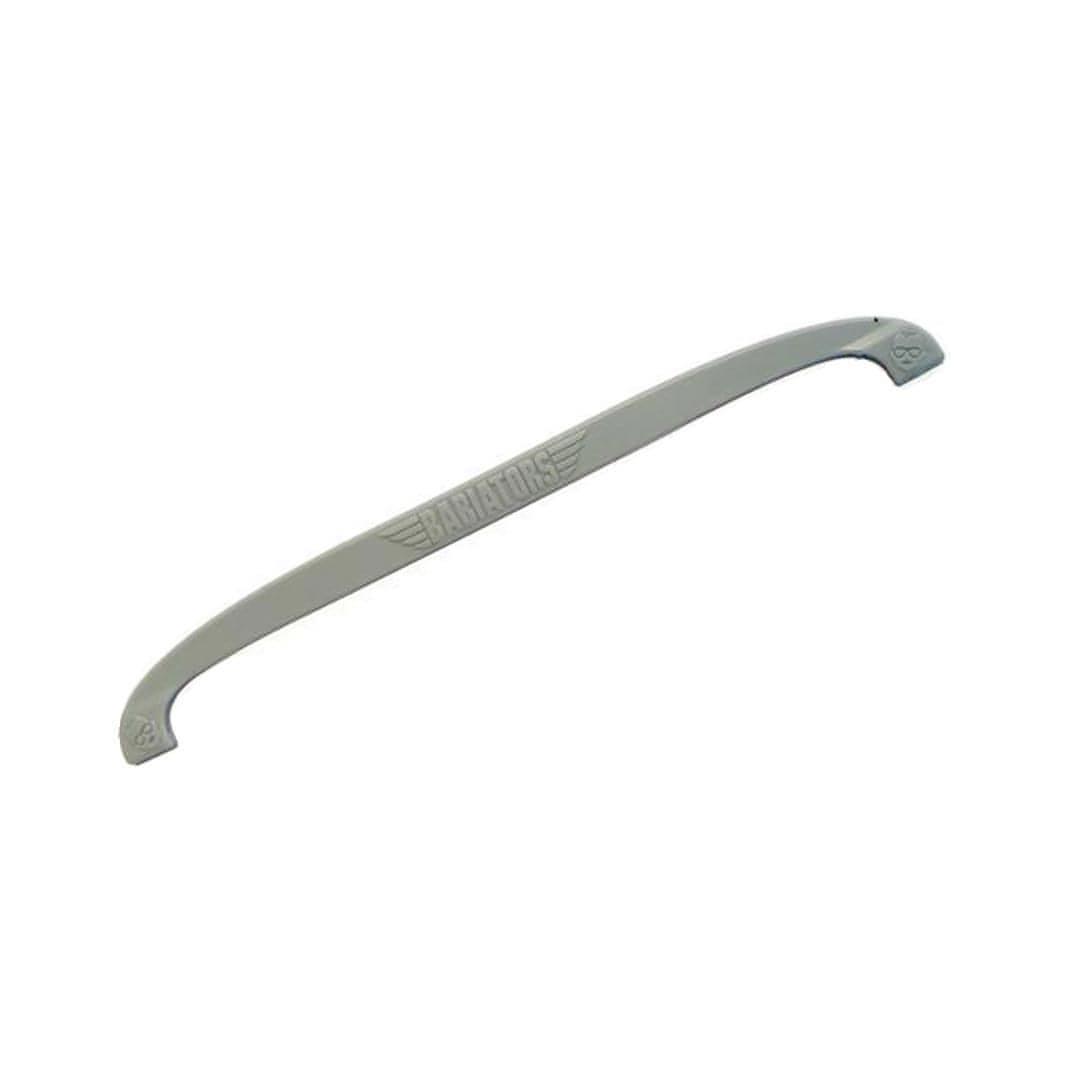
Even with great routines, kids are kids. Some families will lose fewer pairs by using a strap, but others find straps get fiddled with or pulled, and that becomes its own distraction. Some children keep track brilliantly at age six and still lose them at the skate park. It depends.
So it is smart to choose sunglasses that are built for real life: durable enough to survive drops and bends, and backed in a way that makes replacements less of a drama. That is exactly why we created the Awesome Guarantee at Babiators UK - broken sunglasses are replaced free for one year, so you can focus on sun safety rather than buyer’s remorse.
If you are buying for multiple kids, it also helps to reduce mix-ups. Pick distinct frame colours or styles for each child so you are not constantly sorting “whose are these?” at the end of the day. Fewer mix-ups equals fewer missing pairs.
A quick reality check: the goal is protected eyes
There will be days when the sunglasses do not make it out of the house. There will be days when they get left at Gran’s. There will be days when your child insists they only want to wear them upside down like a tiny fashion icon.
Keep coming back to the real win: when the sun is bright, their eyes are covered with proper protection, comfortably enough that they keep them on. Build the routine, give the sunglasses a home, and make transitions your secret weapon. The calm, repeatable systems beat the perfect lecture every time - and your future self will thank you when you are not buying yet another “emergency pair” on day two of your holiday.
 Back to Blog
)


