










A Parent’s Guide to Children’s Lens Technology
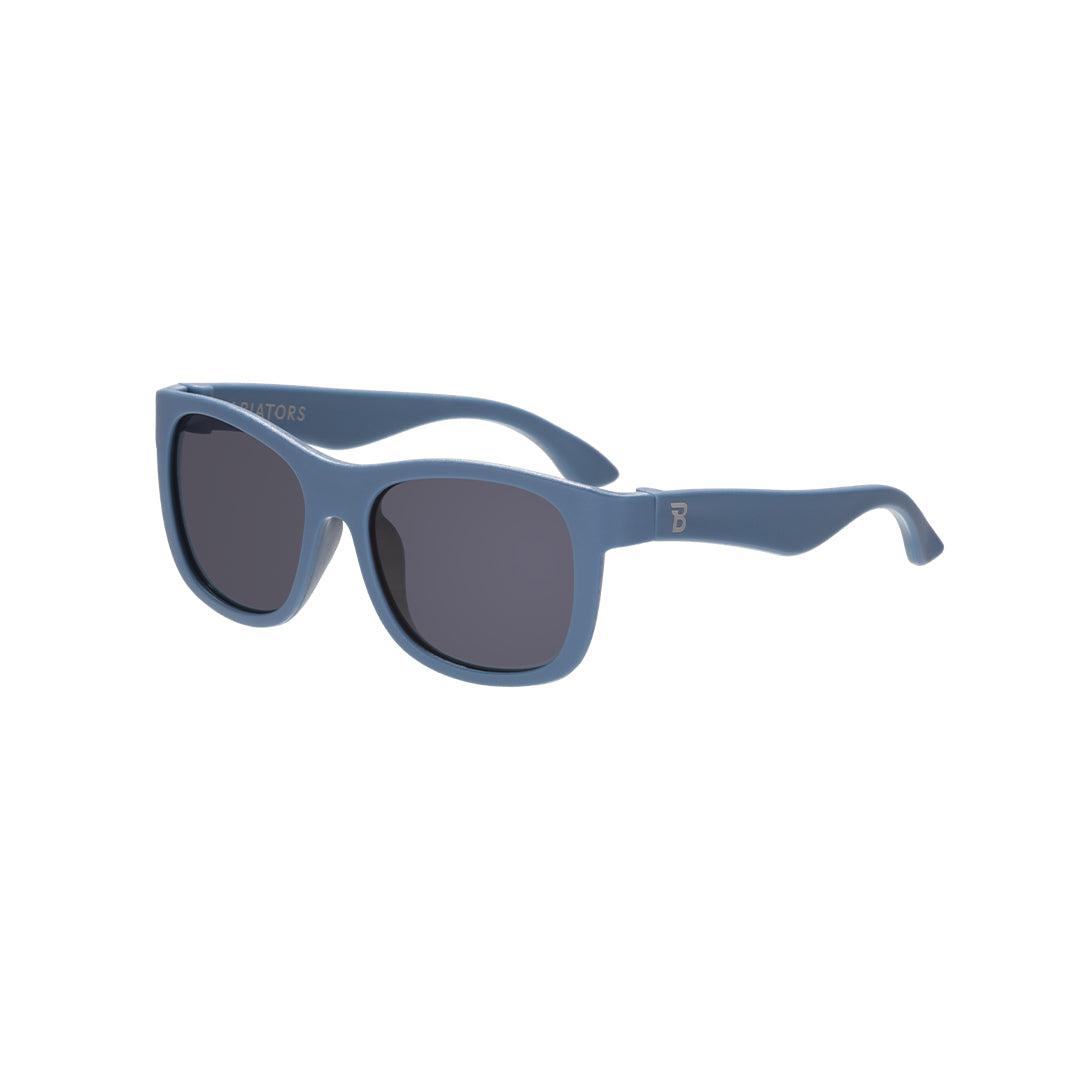
A pair of sunglasses can look adorable in the pushchair photo, but the lens is doing the serious work. This guide to children’s lens technology helps you look past the frame colour and choose eyewear that protects young eyes through park days, beach holidays, school runs and every brilliantly bright adventure in between.
Children’s eyes are still developing, and they often spend more time close to the ground, where sunlight bounces back from pavements, sand, water and snow. Great sunglasses should make outdoor time more comfortable while giving parents a clear answer to the big question: are their eyes properly protected?
Start with 100% UV protection
UV protection is the non-negotiable part of any children’s lens. Ultraviolet light is invisible, so a dark lens alone does not prove it is protective. In fact, a tinted lens without proper UV filtering can be a poor choice, because it may make the pupil widen while leaving the eye exposed to UV rays.
Look for sunglasses that state 100% UV protection or UV400 protection. UV400 means the lens blocks light with wavelengths up to 400 nanometres, covering both UVA and UVB rays. Both matter. UVA is associated with long-term exposure, while UVB is more commonly linked with burning. Your child does not need to understand the science to benefit from it, but you should not have to guess whether their lenses are up to the job.
Protection matters on cloudy days too. Clouds can soften visible brightness, yet UV can still reach the eyes. That makes sunglasses a useful everyday outdoor essential, not just a beach-bag extra reserved for the hottest week of the year.
A guide to children’s lens technology: tint, polarised or both?
Lens technology is not about making a child look grown-up. It is about matching their eyewear to how they play, travel and spend time outside. The two choices parents will see most often are standard tinted lenses and polarised lenses.
Standard tinted lenses
A tinted lens reduces visible light, helping a child feel more comfortable in sunny conditions. It is a straightforward, reliable choice for everyday outdoor play, nursery drop-off, garden time and family walks. Provided the lenses offer 100% UV protection, they cover the core job very well.
Lens tint can affect how bright the world feels, but it should not be confused with UV protection. A grey or smoke tint typically keeps colours looking natural. That can be useful when children are running, climbing and spotting the next exciting thing in front of them.
Polarised lenses
Polarised lenses add another layer of visual comfort. They are designed to reduce harsh reflected glare, especially from flat, shiny surfaces such as water, wet roads, snow, car bonnets and pale sand. For a family that spends weekends by the coast, takes ski holidays or has a child who is often near water, polarised lenses can make a noticeable difference.
Think of glare as the intense flash that makes a child squint and turn away. Polarisation helps cut that reflected brightness, so their view can feel calmer and clearer. It does not replace UV protection - a good polarised lens should still provide 100% UV protection - but it can improve comfort in high-glare settings.
There is a small trade-off. Some digital displays, including certain car screens or devices, can appear darker or show unusual patterns through polarised lenses. For most young children this is unlikely to be a deal-breaker. Still, it is useful to know if your child is older, particularly observant, or spends time looking at screens in the car.
The lens material matters when life gets messy
Children do not handle sunglasses delicately. They sit on them, drop them from the buggy, fling them into the sandpit and occasionally use them as a snack-time toy. That is why lens material deserves as much attention as the frame.
For children’s eyewear, choose lenses designed to resist impact and everyday knocks. Impact-resistant lenses are not the same as unbreakable, and sunglasses should never be treated as protective sports goggles. But a lens built for real kid behaviour is far more reassuring than a brittle alternative that may crack after one enthusiastic adventure.
Scratch resistance is helpful too, although no lens is completely scratch-proof. Sand, gravel and rough cleaning can leave marks over time. Teach little ones to pop their sunglasses into a case when they are not wearing them, and rinse off grit before wiping the lenses. A soft microfibre cloth is kinder than a T-shirt, sleeve or the corner of a picnic blanket.
Durability is also about what happens after the inevitable. Babiators pairs kid-ready sunglasses with its Awesome Guarantee, replacing broken sunglasses free for one year. It is a simple promise for a very familiar parenting problem: children should be free to play, and you should not be replacing eyewear after every tumble.
Choose the right lens darkness for the day
Darkness and protection are different things, but lens darkness still affects comfort. A medium-to-dark tint is often a sensible all-round choice for bright spring and summer days. It helps reduce squinting without making shaded areas feel overly dim.
Very dark lenses may feel comfortable in intense sunshine, but they are not automatically better for every situation. A child moving between sunshine and shade, such as under trees at the playground, may prefer a lens that does not make the shaded areas feel too dark. For cloudy weather, the same 100% UV protection remains useful even if a very dark tint is unnecessary.
For snow and water, reflected light can be surprisingly powerful. This is where a good tint and polarised technology can earn their place. If you are packing for a ski trip or a sunny seaside break, sunglasses are as practical as sun cream and a hat.
Fit helps the lens do its job
The best lens cannot protect eyes properly if the sunglasses are constantly slipping down a tiny nose or being pushed aside because they pinch. A close, comfortable fit helps cover the eye area and encourages children to keep their sunglasses on.
Start with age-based sizing as a simple guide, then consider your child’s head shape and how they like to wear things. Frames for babies aged 0-2 need a very different feel from sunglasses for a lively five-year-old or an older child. The arms should sit comfortably without digging in, and the frame should stay put when your child looks down to inspect a bug, build a sandcastle or race towards the slide.
Coverage matters as well. Larger lenses or a more wrapped shape can help limit light entering from the sides. That does not mean every child needs oversized frames. It means choosing a shape that sits well on their face and gives them a clear, comfortable view.
How to build a simple sun-safety habit
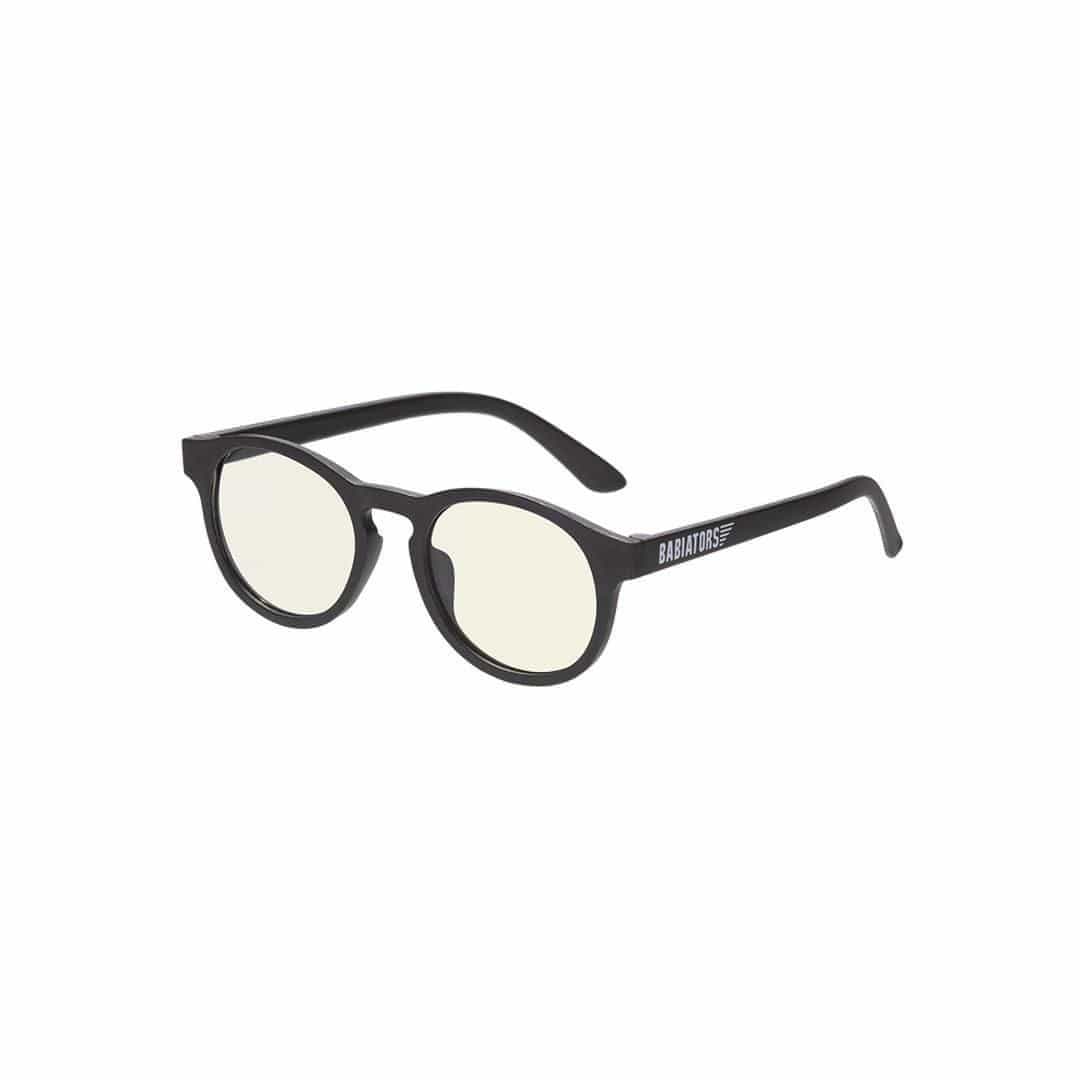
The easiest sunglasses are the ones children will actually wear. Let them choose a frame they love, whether that means cheerful Hearts, Flowers, classic Aviators or a clean, modern round shape. When they feel like their sunglasses are theirs, the morning routine gets easier.
Make sunglasses part of the same outdoor checklist as shoes and sun cream. Keep a pair by the front door, in the changing bag or in the car, with a case nearby for safe storage. For babies and toddlers, start with short, happy wearing sessions rather than insisting on a full afternoon straight away. A familiar routine builds quickly.
Sunglasses work best alongside other sensible protection. A wide-brimmed hat creates useful shade around the eyes and face, and breaks in the shade help on the brightest part of the day. On exceptionally bright days, especially near snow or water, combining all three makes perfect sense.
What to check before you buy
Before choosing a pair, confirm that the lenses offer 100% UV protection, then decide whether your family would benefit from polarisation. Consider impact resistance, a child-friendly fit and a frame tough enough for everyday mishaps. Finally, choose a style your child will be excited to put on.
The cleverest children’s lens technology is the kind that removes drama from outdoor play: clear protection, comfortable vision and sunglasses that can keep up with the child wearing them. Put a trusted pair within reach before the next sunny outing, and let them get on with the important work of being little.
 Back to Blog

