










Do Kids Need Polarised Sunglasses?
You know that moment when your child scrunches their face at the pavement like it is personally offending them? That is glare. It bounces up from the ground, the sea, the car bonnet, the playground slide - basically any bright surface - and it can make a sunny day feel harsh fast.
So, do kids need polarised sunglasses? Sometimes yes, sometimes no. Polarisation is a comfort and visibility upgrade, not a replacement for proper UV protection. The best choice depends on where your child plays, how sensitive they are to bright light, and how likely those sunglasses are to survive the day.
Do kids need polarised sunglasses or just UV protection?
If you take one thing from this article, make it this: 100% UV protection is non-negotiable for kids. Polarisation is optional.
UV rays are invisible. Glare is obvious. That is why polarised sunglasses can feel like the bigger change - your child may stop squinting, stop complaining, and actually keep them on. But UV protection is what helps protect developing eyes from long-term sun damage.
A pair of sunglasses can be dark and still be a poor choice if it does not block UV properly. Dark lenses without UV protection can even be worse than no sunglasses, because pupils may open wider behind the tint. So if you are choosing between “polarised but unclear UV claims” and “100% UV protection without polarisation”, choose the guaranteed UV protection every time.
Now the good news: you do not have to pick one or the other. Plenty of kids’ sunglasses offer both.
What polarised lenses actually do (in parent terms)
Polarised lenses have a special filter that cuts horizontal reflected light. In plain English, they reduce the blinding “white sheen” you get off water, wet roads, sand, snow, and shiny playground equipment.
What this means for your child:
They usually squint less and look more comfortable in bright settings. Details can look clearer too - edges on steps, ripples in water, and the line between “puddle” and “deeply suspicious puddle” can be easier to see. Some kids also feel less tired after a long sunny day because they are not fighting glare all afternoon.
But polarisation does not block more UV by default. It is a separate feature.
When polarised sunglasses are genuinely worth it for kids
Polarised lenses shine in specific situations. If these sound like your family, it is often money well spent.
Beach days and pool days
Water is glare central. Even when the sun is not scorching, reflected light from the surface can be intense. Polarised lenses can make it more comfortable for kids who are building sandcastles, learning to swim, or just staring at the sparkle for ages.
Snow, ski trips, and winter sun
Snow reflects a lot of light. Add altitude and clear skies and it can feel dazzling - even for adults. For children, polarised lenses can reduce that harshness and help them see better when they are sledging or toddling around in bright conditions.
Car rides and buggy walks
The road, the bonnet, and other cars can throw glare straight into little eyes. If your child sits facing forward in a pushchair or in a car seat with sunlight coming in at an angle, polarised lenses can make journeys more comfortable.
Bright playgrounds and outdoor nursery life
Metal slides, pale concrete, wet tarmac after rain - glare does not only happen on holiday. If your child is outdoors most days and often squints even when wearing a cap, polarised lenses can be a noticeable upgrade.
Kids who are light-sensitive
Some children are simply more sensitive to brightness. You might notice frequent squinting, watery eyes, or complaints that it is “too bright” when you feel fine. Polarisation can help, especially paired with a good wrap or well-fitting frame that reduces light leaking in from the sides.
When polarised lenses might not be necessary
Polarised sunglasses are great, but they are not mandatory for every child.
If your child mostly wears sunglasses for short bursts - the school run, a quick park visit, walking to the shops - standard lenses with 100% UV protection are often absolutely fine. You might also prioritise having multiple pairs (one for the changing bag, one for nursery, one at grandparents’) over a single premium upgrade.
There are also a couple of practical “it depends” moments:
Some screens can look a bit odd through polarised lenses at certain angles. If your child is old enough to use a tablet on a flight or you rely on a mobile phone screen for navigation during a sunny walk, you might notice a rainbow effect or dimming when you tilt the screen. It is not dangerous, just mildly annoying.
And if your child is in the phase of flinging sunglasses into the pram basket, sitting on them, or feeding them to the dog, durability and a strong guarantee may matter more than polarisation.
Polarised vs non-polarised: the real trade-offs
Parents usually weigh up three things: comfort, cost, and survival rate.
Polarised lenses often cost a bit more because of the extra filter. For many families, the question becomes: will these be worn enough to justify it?
If your child refuses sunglasses because “they are too bright” or they keep pulling them off mid-walk, polarisation can be the difference between “will not wear” and “will actually keep them on”. In that case, paying extra is less about luxury and more about making sun safety realistic.
If your child already happily wears their sunglasses and you mainly need UV protection for everyday use, polarisation may be a nice-to-have rather than essential.
What to look for in kids’ sunglasses (polarised or not)
The lens feature gets all the attention, but the best sun safety habit is the one you can stick with. That comes down to a few non-negotiables.
100% UV protection
Look for clear claims like “100% UVA and UVB protection” or “UV400”. Do not rely on lens darkness. And do not assume fashion sunglasses from a random shop have been tested properly.
A fit that stays on small faces
If the sunglasses slide down, pinch behind the ears, or leave big gaps at the sides, kids will hate them. A good fit is comfortable, stable, and sized for their age. Babies and toddlers need frames designed for tiny noses and cheeks - not shrunken adult styles.
Impact resistance and kid-proof materials
Kids drop things. A lot. Sunglasses should be able to handle being thrown in a changing bag, bent, and sat on. If you are nervous every time they touch them, you will end up leaving them at home.
Coverage
Bigger lenses and a frame shape that reduces side glare can help. This matters whether you choose polarised lenses or not, because light can sneak in from the edges and still cause squinting.
How to decide in 30 seconds
If you are standing at the checkout or scrolling while your toddler is using you as a climbing frame, here is a simple way to choose.
If your child spends lots of time around water, snow, or bright reflective surfaces, or you notice constant squinting, go polarised.
If your child mainly needs everyday UV protection for parks and short outdoor trips, non-polarised with 100% UV protection is often enough.
If you are unsure, think about where sunglasses fail in your family. Is it comfort (they will not wear them) or durability (they will not survive)? Polarisation helps with comfort. Build quality and guarantees help with survival.
Making polarised sunglasses work for real kids
Even the best lenses do nothing if they live at the bottom of the changing bag.
Pair sunglasses with a habit your child already understands: shoes on, hat on, sunglasses on. Keep them somewhere visible near the door. For babies, put them on before you step into full sunlight so it is not an immediate “too bright” shock.
If your child is older, let them choose the frame style. A hearts or flowers shape can be the whole reason they agree to wear them. Sun safety is not the place to win an argument about aesthetics.
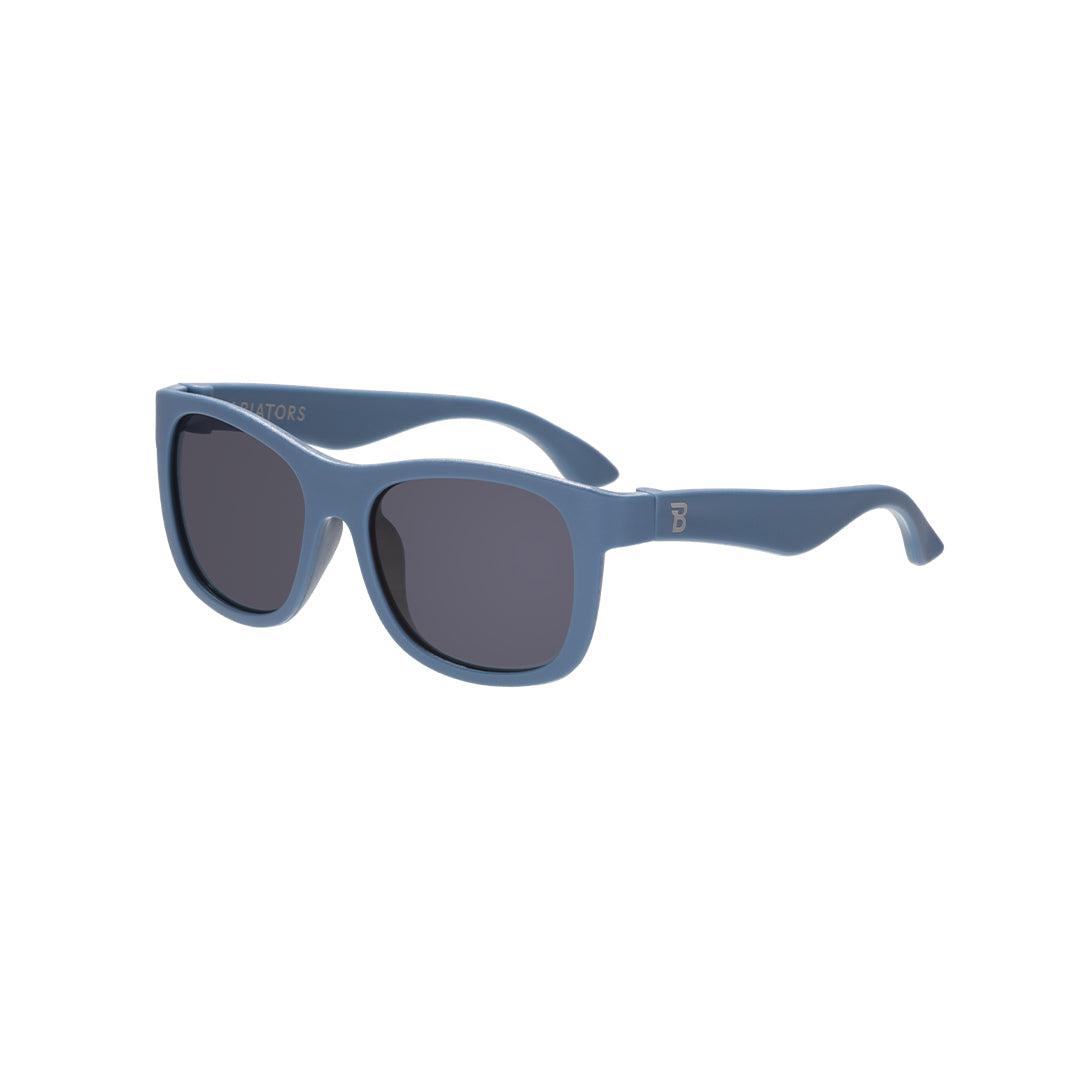
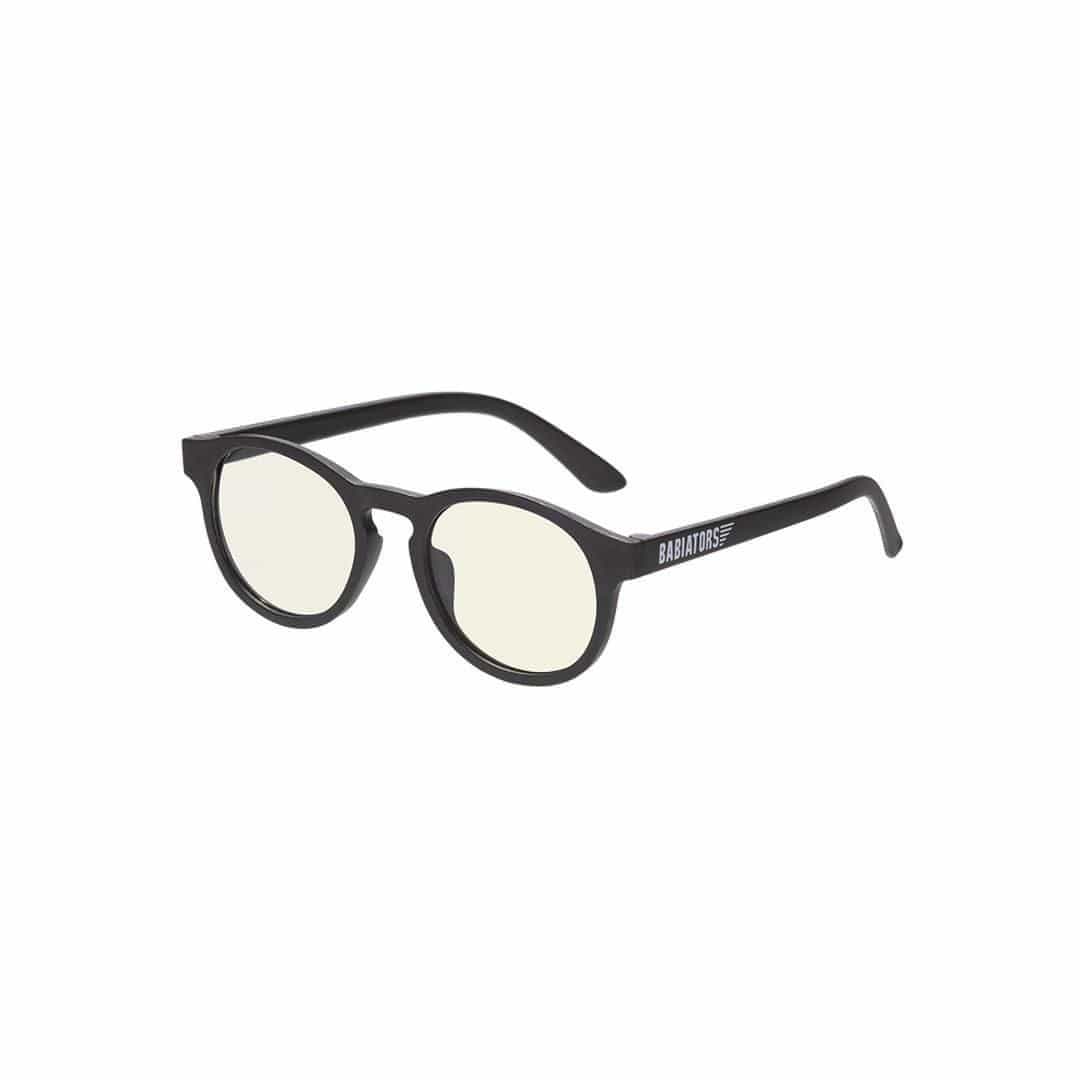
And if you are investing in a better lens, it makes sense to choose a brand that expects kids to act like kids. Babiators UK, for example, builds children’s sunglasses to be virtually indestructible and backs them with an Awesome Guarantee that replaces broken sunglasses free for one year, which can take the stress out of upgrading to polarised lenses (https://babiators-uk.com).
A note for babies and toddlers
Parents often ask whether babies “need” sunglasses at all. Babies and toddlers have developing eyes and they spend a lot of time looking up and around, often without the instinct to squint and look away. If they are outdoors in bright daylight, sunglasses with 100% UV protection are a smart move.
Polarised lenses for babies and toddlers can be helpful if you are out for long walks, you live near water, or you are travelling somewhere consistently bright. But the bigger win at this age is a comfortable fit they cannot instantly pull off, plus a wide-brimmed hat and shade breaks when you can.
The bottom line parents actually need
Polarised sunglasses are not a moral requirement. They are a practical one.
If glare is part of your child’s day - beaches, pools, shiny roads, ski holidays, bright nursery playgrounds - polarised lenses can make the outdoors feel calmer and clearer, which often means your child keeps their sunglasses on.
If your day-to-day is more “quick park run between naps”, prioritise 100% UV protection, a solid fit, and a pair that can handle being treated like a toy for five minutes.
The helpful closing thought: the best sunglasses for your child are the ones they will wear without a fight - so choose the protection you trust, then make it fun enough that they actually keep them on.
 Back to Blog


