










Do Babies Need Sunglasses in the UK?
A cloudy British afternoon can feel harmless, right up until you notice your baby squinting in the pram. That is the bit many parents miss. UV rays do not vanish just because the sky is grey, and little eyes are more vulnerable than adult eyes.
So, do babies need sunglasses in the UK? Often, yes. Not every minute of every day, and not instead of a hat or shade, but whenever your baby is exposed to bright daylight, especially in spring and summer, at the beach, near water, on snowy holidays, or during long buggy walks, proper UV-protective sunglasses can make a real difference.
Do babies need sunglasses UK parents can rely on?
The short answer is yes, in the right conditions. Babies have developing eyes and clearer eye lenses than adults, which means more UV light can reach the inside of the eye. They are also less likely to look away from glare or tell you when the light feels uncomfortable.
That matters in the UK because UV exposure is not just a hot-country problem. Bright days in Britain can bring strong UV levels, and reflection can make it worse. Water, sand, pale pavement and snow all bounce sunlight back up into the eyes. Even on overcast days, UV can still get through.
For babies under six months, doctors generally recommend avoiding direct sun as much as possible. That means shade, a wide-brimmed sun hat, and careful timing are the first line of defence. But if you are outdoors and there is reflected glare or unavoidable brightness, sunglasses made specifically for babies can be a smart extra layer.
For older babies and toddlers, sunglasses become even more useful because they spend more time upright, looking around, wriggling out of the buggy and joining in with outdoor play.
Why baby eyes need more protection
A baby’s skin is delicate, and most parents know to think about sun cream and shade. Eyes deserve the same attention. UV exposure builds up over time, so sun safety is not just about preventing short-term discomfort. It is also about protecting growing eyes over the long run.
There is the everyday problem of glare, which can leave babies fussy, watery-eyed and uncomfortable. Then there is the bigger issue of repeated UV exposure. You cannot see UV damage happening, which is why it is easy to underestimate. Sunglasses with 100% UVA and UVB protection help block that exposure before it reaches the eye.
That said, sunglasses are not magic on their own. If a baby is lying in full sun at midday without a hat or shade, sunglasses are not enough. The best approach is layered sun safety - shade first, hat second, sunglasses third, with clothing and sensible timing doing their part too.
When babies are most likely to need sunglasses
It depends on the season, the time of day and where you are. A quick walk to the car on a dull winter morning is very different from an afternoon at the seaside.
Babies are most likely to benefit from sunglasses when the light is strong or reflective. Think beach days, park trips in the middle of the day, buggy walks with no canopy, picnics, family holidays, and winter sun on ski trips. Snow is a big one. Many parents do not realise how intense the glare can be until their child starts turning away or rubbing their eyes.
Even in the UK, late morning to mid-afternoon is often the brightest part of the day, especially from spring into early autumn. If you are reaching for your own sunglasses, that is usually a good sign your baby may need eye protection too.
What to look for in baby sunglasses
Not all children’s sunglasses are created equal. The cute pair at the supermarket till might look the part, but if they do not clearly state proper UV protection, they are not doing the job.
The most important thing is 100% UVA and UVB protection. That is non-negotiable. Dark lenses alone are not enough. In fact, very dark lenses without UV protection can be worse than no sunglasses at all because they make the pupil open wider, allowing more harmful rays in.
Fit matters almost as much as lens protection. Baby sunglasses should sit comfortably, stay in place and cover the eyes well without pinching. If they slide straight down or leave big gaps, they are less effective and more likely to be pulled off.
Durability matters too, because babies chew, bend, throw and drop everything. Flexible frames are a huge help, especially if you want a pair that survives more than one outing. Parents do not need one more fragile item in the changing bag.
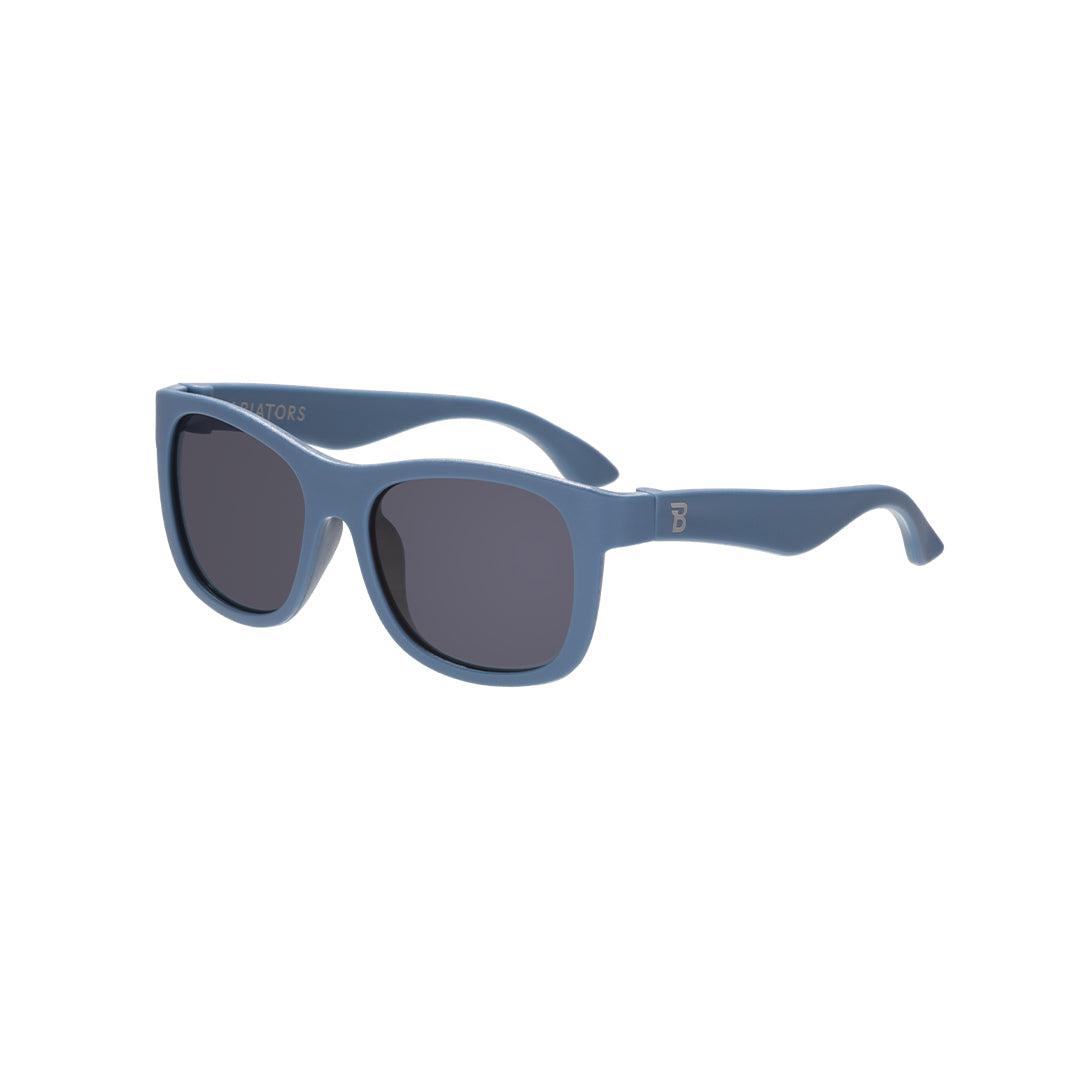
Polarised lenses can be useful in very bright conditions because they reduce glare from reflective surfaces like water, roads and snow. They are not essential for every family, but they are a strong option if you spend lots of time outdoors, travel often, or head to the coast regularly.
Do all babies keep sunglasses on?
Honestly, no. Some babies wear them happily from day one. Others treat them like a personal challenge.
A lot comes down to comfort and habit. If sunglasses are lightweight, flexible and properly fitted, babies are more likely to tolerate them. Starting with short periods can help. Pop them on during a buggy walk or while your child is distracted by the view, rather than making a big fuss about it.
It also helps when babies see adults and older siblings wearing sunglasses. They copy what they know. If it feels normal, it often becomes easier.
If your baby refuses every pair, do not panic. Focus on shade and hats, then try again another day. Sun safety is not about perfection. It is about stacking the odds in your favour.
How to choose the right size
Sizing is where many parents get stuck, especially when shopping online. Too big and the sunglasses slide off. Too small and they become uncomfortable fast.
Age-based sizing is usually the easiest place to start, but age is only a guide. Some babies have rounder faces, lower nose bridges or need a slightly wider fit. Look for frames designed specifically for baby proportions rather than miniature adult styles.
A good pair should feel secure without leaving marks. If your child is between sizes, think about how they will actually wear them. A slightly snug but comfortable fit often works better than a looser pair they can instantly yank off.
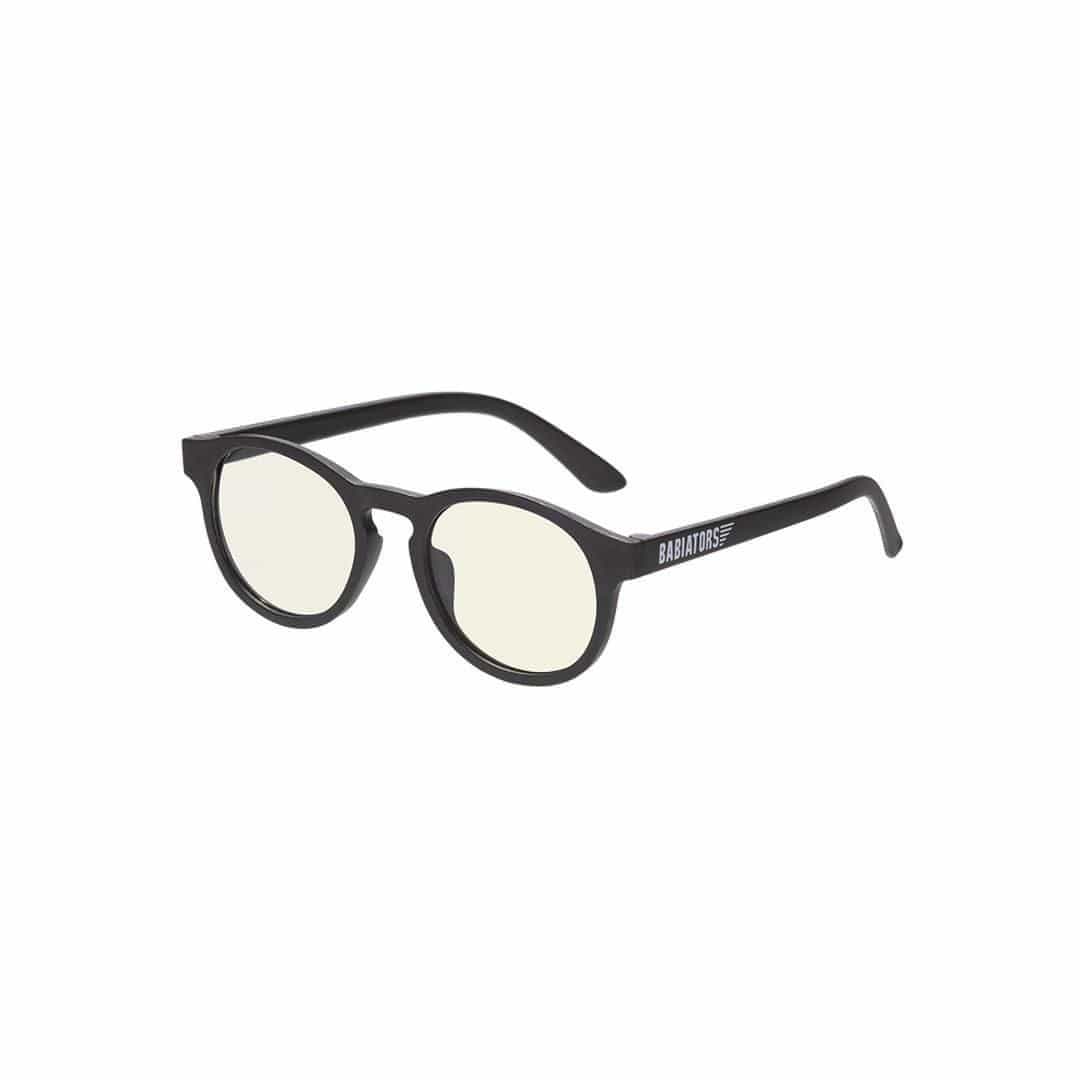
For families who want less guesswork, brands built around children’s eyewear tend to make this simpler. Babiators UK, for example, organises by age and style, which helps parents find a more confident fit without overthinking it.
Do babies need sunglasses in the UK if they already wear a sun hat?
Usually, a hat is brilliant but not complete protection. A wide brim helps block light from above, but it cannot stop UV reflecting up from below or from the sides. That is why hats and sunglasses work so well together.
If your baby is in a fully shaded pram with a good canopy, a hat may be enough for part of the walk. If they are front-facing, sitting upright, at the beach, or near reflective surfaces, sunglasses add a more reliable shield for their eyes.
This is one of those it-depends questions. The answer changes with the setting. But as a rule, if the environment is bright enough to make you squint, extra eye protection is worth considering.
Common mistakes parents make
The biggest mistake is assuming the UK sun is too weak to matter. Another is buying sunglasses based only on looks. The flower frames might be adorable, but protection comes first.
Parents also sometimes forget that babies outgrow sunglasses just like they outgrow shoes. A pair that fitted beautifully last summer may now sit too close to the eyes or fall off every few minutes.
And then there is the bargain trap. Cheap sunglasses are not always bad, but if they do not clearly promise full UV protection and child-friendly durability, they can end up costing more in replacements and frustration.
The practical answer for real family life
If your baby spends time outdoors in daylight, especially in brighter months or reflective settings, sunglasses are a sensible part of your sun-safety kit. Not instead of shade. Not instead of hats. Alongside them.
The best pair is the one that actually protects, fits properly and survives real kid life. That means 100% UV protection, a comfortable fit, and frames that can handle being bent, dropped and stuffed into a changing bag.
Parents already have enough to think about. Baby sunglasses should make outdoor time easier, not fiddlier. When they fit well and do their job, your child stays more comfortable and you get one less thing to worry about when the sun shows up.
A good rule to keep in mind is simple: if the light feels bright for you, it is probably bright for your baby too - and little eyes are counting on you to raise their sun safety.
 Back to Blog

