










Virtually Indestructible Kids Sunglasses Explained
Anyone who has handed sunglasses to a toddler knows the test starts immediately. They get bent, dropped, sat on, chewed, launched from the buggy and somehow still need to make it to the park tomorrow. That is exactly why virtually indestructible kids sunglasses explained matters to parents - because durability is not a nice extra when you are buying for children, it is the difference between one good pair and a drawer full of broken ones.
The phrase sounds bold, and it should. But it does not mean a pair of children’s sunglasses is literally impossible to break. It means they are engineered for real kid behaviour. In practice, that usually points to flexible frames, tough lenses, secure hinges or hinge-free designs, and materials that can handle twisting and pressure without snapping the first time little hands get curious.
What virtually indestructible kids sunglasses really means
When parents hear “virtually indestructible”, they often picture a product that can survive absolutely anything. The more useful way to think about it is this - the sunglasses are built to stand up to the kind of rough treatment children dish out every day.
That includes being pulled on and off with one hand, dropped onto pavements, packed into changing bags without a case, and stretched wider than they should be. Adult sunglasses are not usually built for that. Kids’ sunglasses need a completely different approach because the wearer is still learning how to handle them properly.
The key word is “virtually”. It leaves room for real life. If any sunglasses are deliberately crushed, scratched by sharp objects or lost at the beach, they may not come back looking perfect. Durability is about reducing the usual break points, not pretending accidents never happen.
Why durability matters just as much as UV protection
Parents rightly focus on lens protection first. That should never change. Children’s sunglasses need 100% UV protection, full stop. But durability matters more than many people realise because broken sunglasses do not protect anything.
If a pair snaps after a week, gets loose after a few wears or becomes uncomfortable because the frame has warped, children are less likely to keep them on. A sturdy pair supports the real goal - consistent wear outdoors. That is the win.
For babies and younger children, comfort is part of safety too. Frames that pinch, slip down or feel rigid can trigger instant rejection. A flexible, lightweight design is not only more likely to survive rough handling, it is also more likely to stay on a child’s face long enough to protect their eyes.
The features behind virtually indestructible kids sunglasses explained
Not all durability claims are equal, so it helps to know what actually supports them.
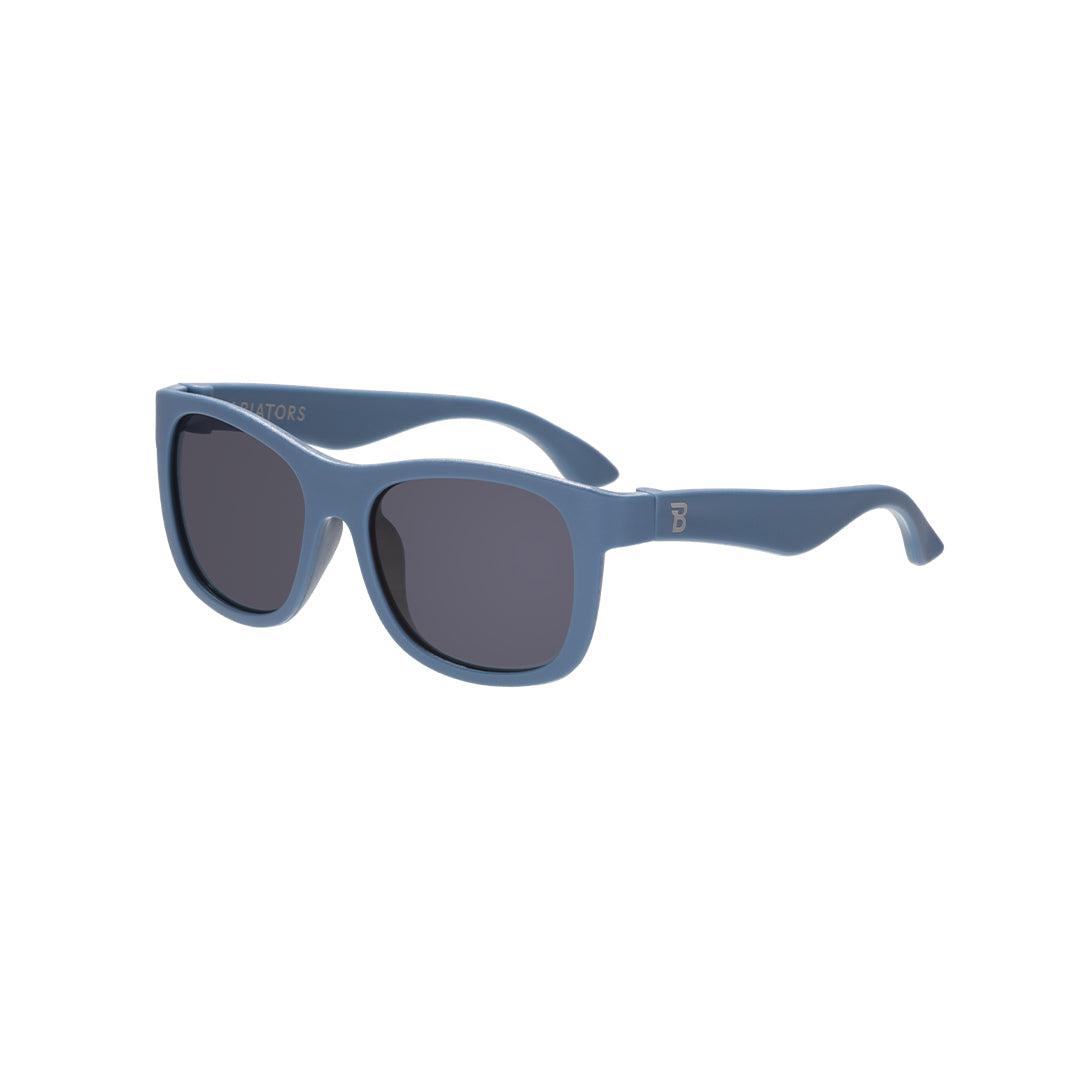
Flexible rubber-like frames are a big one. These materials can bend and twist without cracking, which is ideal for babies, toddlers and pre-schoolers who treat sunglasses more like toys than accessories. A frame with give is far less likely to snap under pressure than a hard plastic one.
Shatter-resistant lenses matter as well. Parents often focus on frame breakage, but lenses take plenty of abuse too. They need to cope with drops and knocks while still delivering clear vision and reliable UV protection.
Simple construction also helps. The more complicated the moving parts, the more opportunities there are for failure. Some children’s sunglasses are designed with fewer weak points, which makes a big difference over months of daily use.
Fit is another underrated part of durability. If sunglasses are too big, they fall off more often. If they are too small, they get stretched beyond their intended shape. Age-based sizing takes some of the guesswork out, especially when buying online for fast-growing children.
What “kid-proof” looks like in real life
The best test is not a laboratory phrase. It is the family routine.
A kid-proof pair should survive being tossed into the nappy bag with snacks and wipes. It should cope with being tugged off during a tantrum. It should handle a summer holiday, a day at nursery pick-up, a trip to the beach and a buggy nap in bright sunshine.
That does not mean they will stay pristine forever. Lenses can still pick up wear over time, especially if they are rubbed with sandy sleeves or stored loose next to keys. But the frame should keep doing its job, and the glasses should still feel wearable rather than fragile.
This is where a strong guarantee becomes more than a nice bit of marketing. It removes the fear that one energetic afternoon will turn a sensible purchase into wasted money. For parents, that reassurance matters.
How to choose the right pair for your child
Durability starts with the right match. A virtually indestructible frame is only useful if your child will actually wear it.
Start with size. Babies, toddlers and older children need different proportions, not just different styles. A proper fit helps the sunglasses stay put and makes them more comfortable for longer stretches outdoors.
Then think about your child’s routine. If they are outside most days, travelling often or spending long afternoons in bright conditions, polarised lenses may be worth considering for extra glare reduction. If your main goal is everyday protection for nursery runs, park trips and the garden, a reliable everyday lens may be exactly right.
Style counts too, especially once children start having opinions. Some love classic shapes. Others want hearts, flowers or something that feels a bit more grown-up. There is no prize for picking the practical pair your child refuses to wear. The best sunglasses are the ones that combine proper protection with a look they are happy to keep on.
The trade-off parents should know about
There is one honest trade-off with ultra-flexible children’s sunglasses. Very soft, bendy frames can feel different from adult eyewear, especially if you are used to rigid designer styles. That is deliberate. They are built for resilience first.
For most families, that is exactly the right compromise. A pair that feels strong, light and forgiving is usually better suited to children than one that looks sleek but breaks under pressure. Still, it depends on your child. Some older kids may want a more structured look, while younger ones benefit most from maximum flexibility.
Price can also raise questions. Durable sunglasses may cost more upfront than bargain pairs. But if cheap options keep snapping, the lower ticket price stops looking like a saving. Parents often end up paying more through repeat replacements than they would for one well-made pair backed by a guarantee.
Why parents should not settle for flimsy shades
Children’s eyes are still developing, and they spend a lot of time outdoors - in prams, playgrounds, pushchairs, gardens, on ski trips and by the sea. That makes sun protection a daily habit, not a once-a-year purchase.
Flimsy sunglasses get in the way of that habit. They break, slip, annoy children and create one more thing for parents to troubleshoot during a busy day. Durable sunglasses support consistency. They make it easier to say yes to outdoor time because one practical problem has already been solved.
That is part of the reason strong claims around child-proof design have become so important. Parents do not just want a cute accessory. They want confidence. They want to know the sunglasses can keep up with family life.
Where protection, fit and confidence come together
Virtually indestructible kids sunglasses explained is really about peace of mind. It is not only about whether a frame bends. It is about whether the whole product has been designed around how children actually live.
That means 100% UV protection. It means flexible, child-friendly construction. It means easy sizing, so parents are not left guessing. It means a style children enjoy wearing. And ideally, it means a brand stands behind the promise with a clear guarantee, as Babiators UK does with its Awesome Guarantee.
When all of that comes together, sunglasses stop being one more thing to replace and start becoming part of your family’s everyday sun-safety routine.
If you are choosing a pair for your child, look past the slogan and ask the practical question: will these survive real life and protect their eyes while they do it? When the answer is yes, you are not just buying sunglasses. You are making outdoor days easier, safer and a lot less dramatic.
 Back to Blog

