










Kids Polarised Sunglasses Review for Parents
The fastest way to waste money on kids' sunglasses is to buy a pair that looks great on day one and is scratched, snapped or lost by day three. That is exactly why a proper kids polarised sunglasses review matters. Parents are not just buying a cute accessory for the buggy, beach or ski holiday - they are buying eye protection that has to survive real life.
Polarised lenses can be a brilliant upgrade for children, but they are not automatically the right choice for every family. The real question is simpler: do they help your child see more comfortably outdoors, and are they built to last through all the dropping, bending and general chaos that comes with babies, toddlers and young kids?
What this kids polarised sunglasses review should actually cover
A useful review should go far beyond whether the frames are adorable. For parents, the big four are protection, comfort, durability and ease of buying. If one of those falls short, the sunglasses usually end up abandoned in the changing bag or at the bottom of the pram.
First, there is UV protection. This is non-negotiable. Polarisation reduces glare, but it is not the same thing as UV protection. A child needs 100% UVA and UVB protection first. Polarisation is an extra benefit on top, not a substitute.
Then there is visual comfort. Polarised lenses help cut glare bouncing off water, sand, snow, roads and pavements. That can make a big difference for children who squint in bright light or get frustrated outdoors because everything feels too harsh.
Durability matters just as much. Kids' sunglasses are handled by small hands, sat on in the car, dropped in the park and twisted while being taken off one-handed by an impatient toddler. If the frame cannot handle that, it is not good value however nice the lens technology sounds.
Finally, fit is everything. Lenses only protect properly when the sunglasses stay on. A pair that slides down a small nose, pinches behind the ears or feels heavy will not last five minutes.
Are polarised lenses worth it for children?
In many cases, yes. Polarised lenses are especially helpful for children who spend lots of time outdoors, whether that means summer holidays, buggy walks, park trips, paddling by the coast or bright winter days in the mountains. They reduce reflected glare, which can make the world look calmer and clearer.
That said, it depends on the child and the setting. If your little one only wears sunglasses occasionally for short trips out, standard UV-protective lenses may do the job perfectly well. Polarised options tend to make most sense for families who are outside often, travel regularly or want extra comfort in high-glare environments.
For babies and toddlers, the main win is often comfort rather than performance in the grown-up sense. They cannot explain glare, but they can show you when light is bothering them by squinting, turning away or constantly pulling sunglasses off. If a better lens helps them stay happier outside, that matters.
Lens performance: what parents should look for
The strongest point in any kids polarised sunglasses review should be whether the lenses genuinely help in bright conditions. Good polarised lenses reduce that sharp reflective shine from horizontal surfaces. On a beach, that can mean less harsh light bouncing off water and sand. On a snowy holiday, it can mean less dazzle. On everyday walks, it can simply mean more comfort when the sun is low and bright.
Clarity matters too. Children need lenses that darken bright light without making everything gloomy or distorted. A well-made lens should feel comfortable rather than heavy-handed. If the world looks too dim, some children become more likely to take the sunglasses off.
This is also where quality control matters. Cheap lenses can be inconsistent, with visual distortion that adults notice immediately and children just respond to by rejecting the glasses altogether. Parents may read that as fussiness when it is really discomfort.
Frame design: the part parents usually underestimate
Most disappointment with kids' sunglasses starts with the frame, not the lens. Frames for children need to be lightweight, flexible and shaped for smaller faces. They should feel secure without digging in.
Age-based sizing helps a lot here. A simple size system such as 0-2, 3-5 and 6+ removes the guesswork and makes online shopping far less of a gamble. It will never replace common sense if your child has a particularly petite or broader face, but it is a strong starting point.
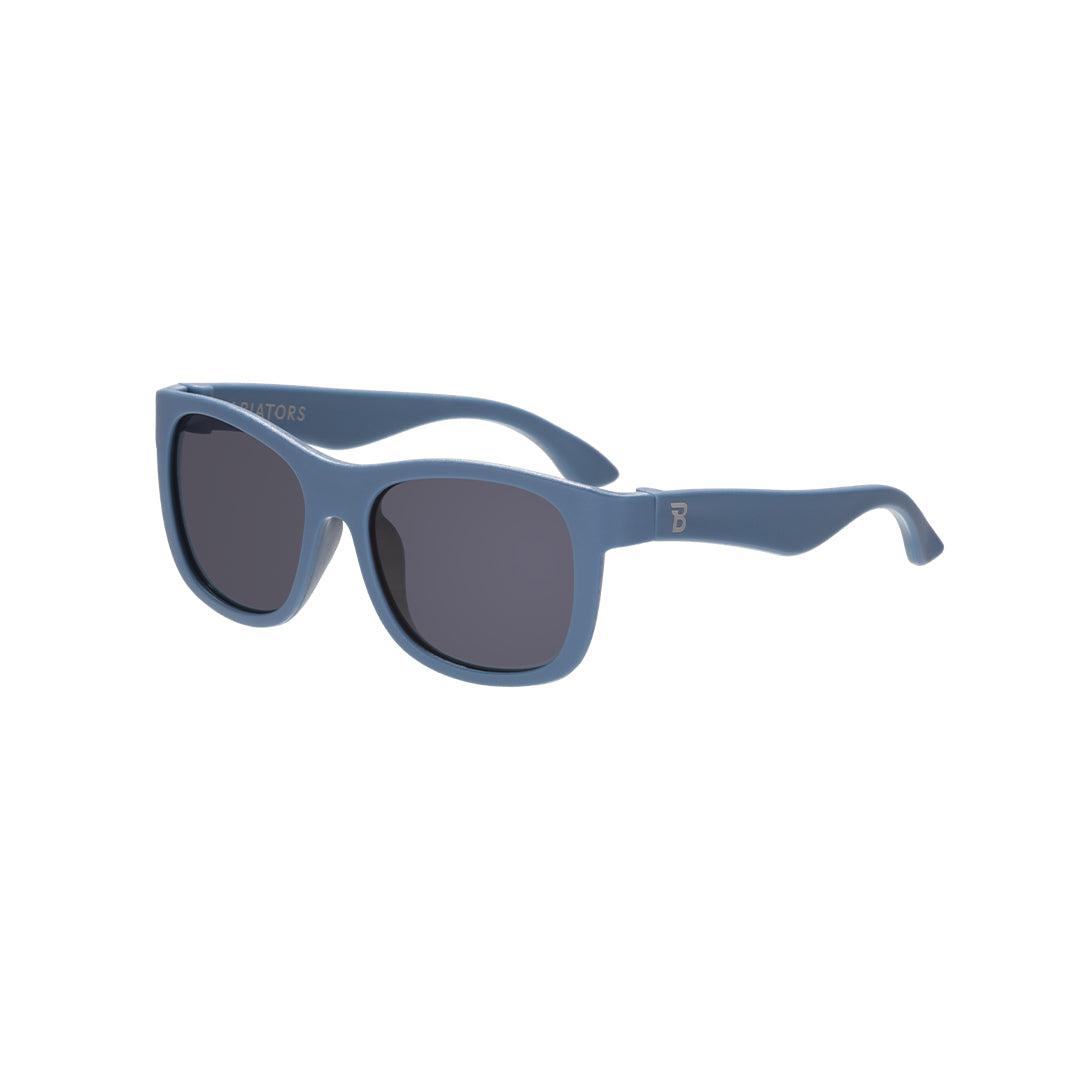
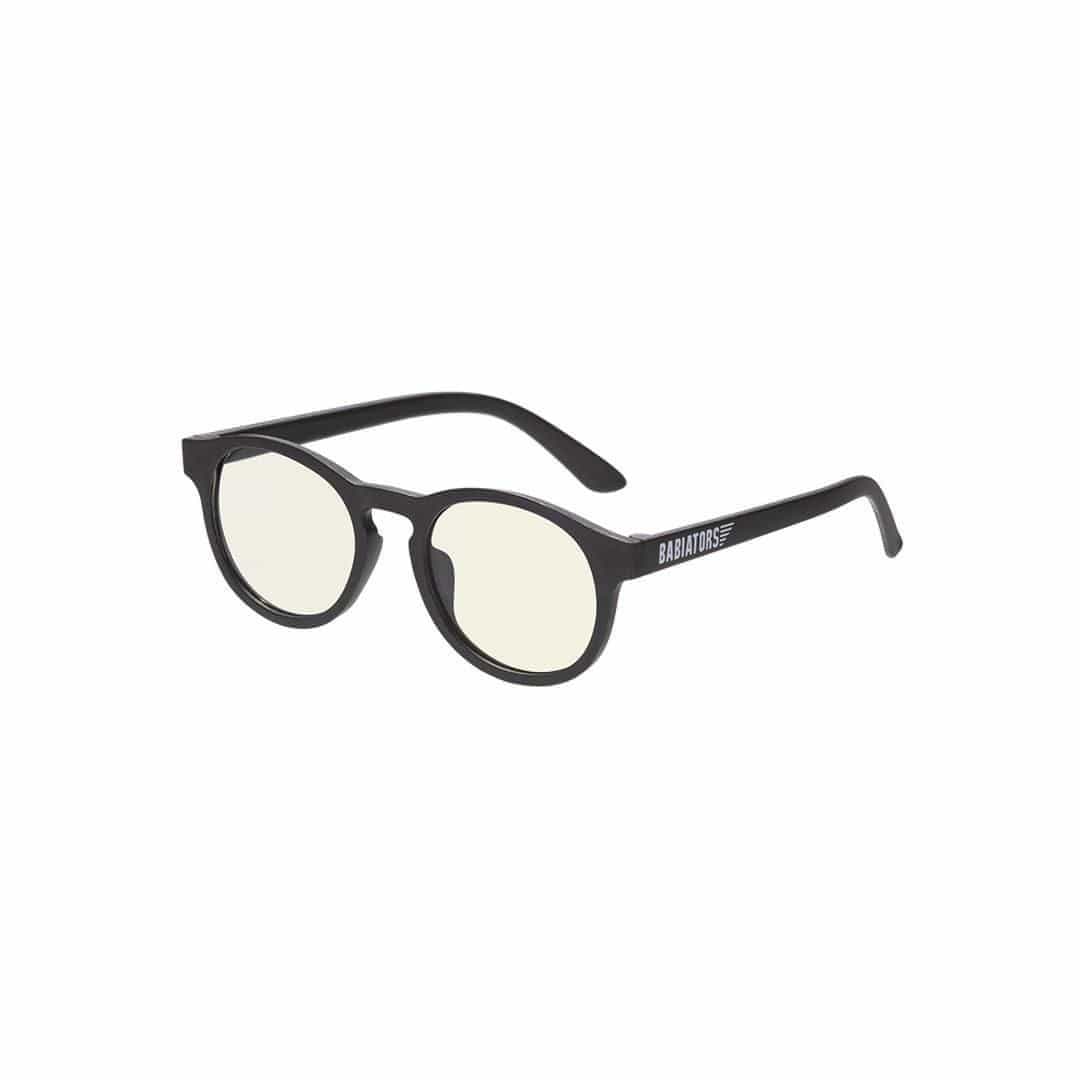
Style also matters more than some adults expect. If your child loves the look of their sunglasses, they are much more likely to keep them on. Hearts, flowers, aviators, rounds and other playful shapes are not just about appearance - they help turn sun safety into something children enjoy rather than resist.
Durability: where the real value shows up
This is where premium kids' sunglasses either justify their price or do not. Children do not treat sunglasses delicately, and they should not have to. The best pairs are made to bend, flex and survive everyday knocks without drama.
A good durability test is to ask whether you would feel nervous handing them to a two-year-old. If the answer is yes, they are probably not built for real family life. Parents need frames that can cope with rough handling, being stuffed into a changing bag and the occasional full-body flop onto the floor.
That is also why guarantees matter. A replacement promise takes much of the risk out of buying a better-quality pair. One of the reasons Babiators has built such loyal support among families is that its Awesome Guarantee backs up the durability claim with a free replacement for one year if the sunglasses break. For parents who are tired of buying flimsy pairs over and over, that promise changes the calculation.
Comfort and wearability for babies, toddlers and bigger kids
Comfort is what separates the pair that stays on from the pair that becomes a toy. Babies need very light frames that sit gently and do not overwhelm smaller features. Toddlers need all that plus enough flexibility to cope with constant grabbing and pulling. Older children usually care more about style and independence, but they still need a secure fit for active play.
If your child always removes sunglasses, that does not necessarily mean they dislike wearing them. It may mean the bridge fit is wrong, the arms are too tight, or the lenses are too dark for the setting. Sometimes parents assume they need to train the child to accept sunglasses when the better answer is simply a better pair.
Is the higher price justified?
Sometimes yes, sometimes no. If your child wears sunglasses a few times each summer and tends to lose everything, you may not need every premium feature available. But if you want daily use, reliable UV protection, strong glare reduction and frames that can survive rough treatment, paying more can be the cheaper choice over time.
The trap is comparing only the upfront price. A bargain pair replaced three or four times can cost more than one well-made pair backed by a guarantee. Add in the stress of wondering whether the lenses and fit are doing the job properly, and the value of a trusted option becomes clearer.
Who should choose polarised kids' sunglasses?
Polarised sunglasses make the most sense for children who spend lots of time in bright outdoor settings, especially near reflective surfaces such as water, sand and snow. They are also a strong choice for children who seem particularly sensitive to glare.
If your family is often outside walking, travelling or playing sports, polarised lenses are likely worth considering. If your child mostly needs occasional sun protection for short bursts outdoors, standard UV-protective sunglasses may be enough. It is not about buying the fanciest option. It is about choosing the one that matches your real routine.
Final verdict in this kids polarised sunglasses review
A good pair of polarised kids' sunglasses is absolutely worth it when it combines three things: 100% UV protection, child-proof durability and a fit your child will actually tolerate. Polarisation on its own is not the headline. Better comfort in bright light is.
For most parents, the best choice is not the pair with the most technical language or the trendiest shape. It is the pair that protects properly, survives family life and makes getting out the door easier, not harder. If your child can wear them happily on the school run, at the beach and on holiday without a fuss, you have found the right pair - and that is always money well spent.
 Back to Blog

