










Unbreakable Toddler Sunglasses That Work
You know the moment. You pop sunglasses on your toddler, feel quietly proud, and then - thwack - they’re on the pavement, sat on, or lovingly folded in half like a snack wrapper. If you’ve replaced more pairs than you can count, you’re not being fussy by searching for unbreakable sunglasses for toddlers. You’re being practical.
The tricky bit is that “unbreakable” gets used loosely. Some kids’ sunnies are simply cheap enough to replace. Others are genuinely engineered to handle bending, dropping, twisting, and the kind of enthusiastic handling only a toddler can deliver. The best pairs also take eye health seriously, because a frame that survives everything is pointless if the lenses don’t protect properly.
What “unbreakable sunglasses for toddlers” should actually mean
Let’s be honest: nothing is truly indestructible in a house with a two-year-old and a hard floor. “Unbreakable” should mean the frames are built to flex without snapping, the hinges and arms can take repeated stress, and the lenses won’t pop out the first time they’re dropped at the playground.It should also mean the sunglasses stay comfortable and wearable. Overly stiff frames can survive a stomp, but they often pinch, slide down tiny noses, or get yanked off in seconds. Toddler-proof design is a balancing act: flexible enough to endure, structured enough to fit.
Then there’s the hidden part many parents don’t hear about until later - lens quality. A pair that’s “tough” but has poor UV filtering can be worse than no sunglasses at all, because dark lenses can encourage your child’s pupils to open wider, letting more light in if protection isn’t there.
So when you’re evaluating a pair, think of “unbreakable” as a bundle of promises: durability, safe lenses, and a fit that your child will tolerate for more than thirty seconds.
The non-negotiable: 100% UV protection
Toddlers’ eyes are still developing and can be more sensitive to UV exposure than adult eyes. That’s not meant to scare you - it’s meant to simplify the shopping decision. Whatever style you choose, the baseline should be 100% UVA and UVB protection.Don’t get distracted by colour, trend, or price before you’ve confirmed this. If it’s not clearly stated, treat it as a no.
Coverage matters too. Bigger isn’t always better, but a lens that’s too small can let in light from the sides. This is where toddler sizing becomes more than marketing. A frame designed for their face shape can sit closer to the temples and reduce that side-glare you see on bright days at the park, on holiday, or in the pram.
Polarised or not? It depends on your toddler’s life
Parents often ask whether polarised lenses are worth it for small children. The honest answer: it depends on where you spend your time.If your toddler is around reflective surfaces a lot - think seaside days, paddleboarding, the lake at the park, even long pram walks on bright pavements - polarised lenses can reduce glare and make things look more comfortable. They can be especially helpful for kids who squint in bright conditions.
If you mostly need sunglasses for nursery drop-offs, quick trips, and the odd sunny day in the garden, standard UV-protective lenses may be all you need. Polarised is a nice-to-have, not a requirement for safety, as long as UV protection is 100%.
Fit is everything (and it’s not just about age)
You can buy the toughest sunglasses in the world, but if they slide down your toddler’s nose, they’ll end up in their hands, and then on the ground. Fit is the difference between “they wore them all afternoon” and “they lasted 45 seconds”.Age ranges are a helpful start because they roughly map to head width and nose bridge size. But toddlers don’t read size charts. If your child is on the smaller side, they may fit an “under 2” for longer. If they’ve got a broader head, they might be more comfortable sizing up sooner.
A good fit should feel secure without squeezing. Watch for red marks at the temples or behind the ears - that’s a sign the arms are too tight. If there’s a gap above the cheeks and the glasses bounce when they walk, they’re probably too loose. And if your toddler keeps pushing them up with a sticky finger every ten steps, they’re telling you something.
The quick fit check you can do at home
Put the sunglasses on and gently shake their head side-to-side (make it a game). If the frames stay put without needing to be pushed back into place, you’re close. Then step outside into bright light. If they stop squinting and don’t instantly pull them off, you’ve hit the toddler jackpot.Durability details that matter in real life
“Durable” can mean a lot of things, so it helps to know what actually breaks in kids’ sunglasses.Frames often fail at the arms, where toddlers twist and pull. They also fail at the bridge after repeated bending, or at the hinges if those parts aren’t designed for constant stress. Lenses can scratch quickly when wiped with a sleeve (or worse, sandy hands), and some pop out if the frame flexes too much.
Look for frames described as flexible and designed to bend. The goal isn’t a hard plastic that resists movement; it’s a material that can move and return to shape. Think “built for chaos”, not “built for display”.
Lens scratch resistance is another trade-off area. Harder lens coatings can reduce scratching, but no lens is magic against gravel, sand, and being stored loose in a nappy bag next to keys. If your child spends time at the beach or in a sandpit, a protective pouch and a quick rinse before wiping will extend lens life dramatically.
Style isn’t frivolous - it’s strategy
Toddlers are surprisingly opinionated. If the sunglasses feel “like theirs”, you’ll have less of the off-on-off battle.Some kids love round frames because they look like a mini version of what adults wear. Others want hearts, flowers, or a classic aviator look because it feels fun and dress-up-ish. Style can also affect fit. Rounds and keyholes often suit smaller faces, while navigator and aviator shapes can offer a bit more coverage.
If your toddler keeps removing sunnies, try letting them choose between two parent-approved options. It keeps you in control of the safety specs while giving them a sense of ownership.
The guarantee question: because toddlers don’t do “careful”
Even the best-made sunglasses will face the full force of toddler life: being sat on in the car seat, launched from the buggy, or grabbed by an enthusiastic friend at nursery. That’s why guarantees matter.A strong replacement promise changes the whole value equation. Instead of buying three cheap pairs and hoping one survives, you can buy a pair designed to last, with back-up if something genuinely goes wrong. It also reduces the stress of letting your child actually wear them, which is the whole point.
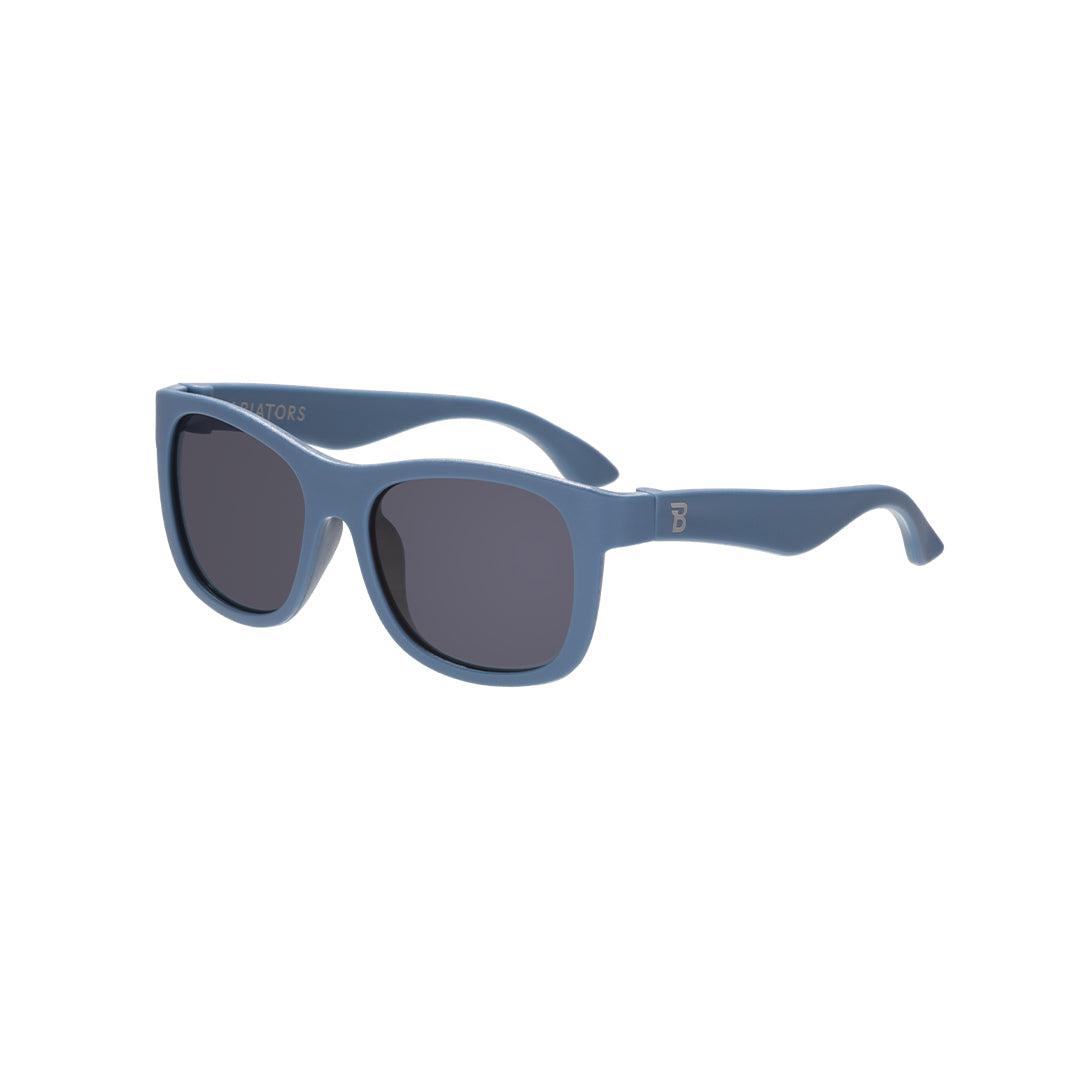
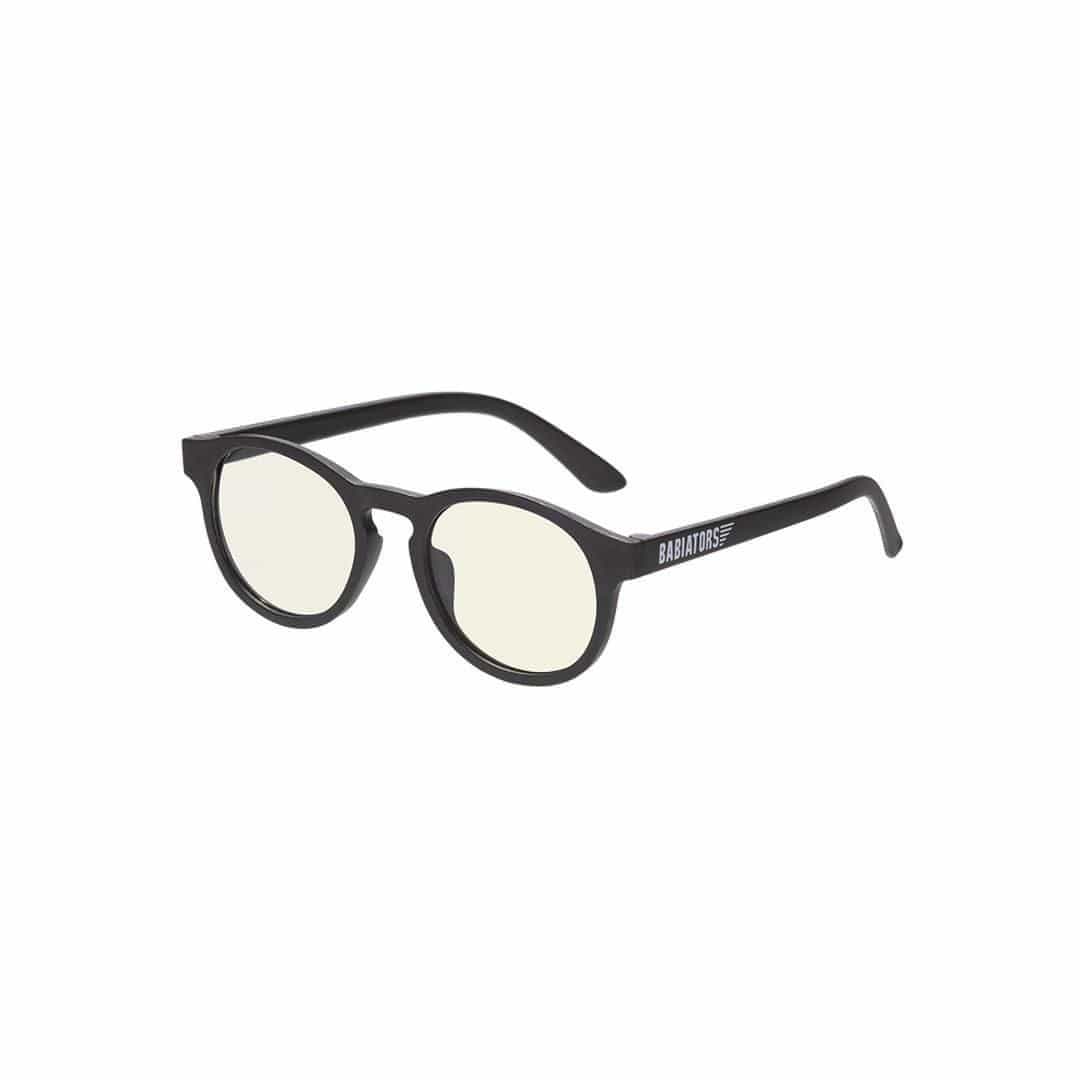
If you want an option engineered for kids with a one-year free replacement promise, Babiators UK pairs 100% UV protection with frames built to be virtually indestructible, backed by the Awesome Guarantee.
How to get your toddler to actually wear them
Sometimes the issue isn’t the sunglasses. It’s the moment you’re trying to introduce them.Start when they’re not already overstimulated. A busy playground, a hot car, and a hungry toddler is not the time for a new accessory. Try a calm moment before you leave the house, or pop them on during a pram walk when they’re relaxed.
Make it routine rather than a negotiation. Shoes, suncream, sunglasses - same order each time. Toddlers like predictability.
And keep expectations realistic. Some children will happily wear sunglasses from day one. Others need a week of short tries. If they tolerate them for two minutes today, you’re building the habit.
Common buying mistakes (so you can skip the regret)
The biggest mistake is prioritising “cute” over “safe”. If the lenses don’t clearly state 100% UVA/UVB protection, they’re not worth it.The second is sizing up too early. Parents often buy bigger thinking they’ll “grow into them”, but loose sunglasses fall off and get broken faster. A secure fit is more durable in practice than a larger frame.
The third is assuming all dark lenses are protective. Darkness is not UV protection. You want both: proper UV filtering and a tint that’s comfortable in bright light.
Lastly, don’t underestimate storage. Tossing sunglasses loose into a bag invites scratches. A soft pouch takes seconds and saves you replacing pairs prematurely.
Choosing the right pair for your family’s routine
If you live for beach days, look for polarised lenses and a frame with good side coverage. If you’re a park-and-pram family, lightweight comfort and an easy fit matter most. If your toddler attends nursery, durability and a replacement guarantee can be the difference between “worth it” and “why did I bother”.And if you’re buying as a grandparent, keep it simple: prioritise 100% UV protection, toddler-specific sizing, and a frame designed to bend without snapping. You’ll give a gift that gets used, not one that sits in a drawer waiting for “best behaviour”.
The goal isn’t to find sunglasses your toddler will never damage. The goal is to find sunglasses that protect their eyes, survive the rough bits, and remove the constant mental load of replacing them. When that happens, you’ll stop treating sunnies as a gamble and start treating them like any other daily essential - just with a lot more style.
 Back to Blog


