










Kids Eye Protection Sun Safety Tips That Work
That squint on a bright buggy walk is easy to brush off. But children’s eyes let in more UV than adult eyes, and they do not have the same natural filters yet. That is why kids eye protection sun safety tips matter from babyhood onwards - not just at the beach, but in the garden, on the school run and on cloudy British days too.
Why sun safety for eyes starts earlier than most parents think
Most of us are quick with sun cream and a sun hat, but eyes often get missed. The tricky part is that UV damage is cumulative. It builds over time, and children have years of outdoor play ahead of them.
Babies and young children are especially vulnerable because their eyes are still developing. More ultraviolet light can reach the retina than it does in adults. That does not mean parents need to panic or avoid outdoor time. It means a simple routine makes a real difference.
There is also a common myth that only strong summer sunshine counts. In reality, UV can be high in spring, reflective surfaces can intensify exposure, and bright light can feel harsh even when the temperature is mild. Snow, sand, water and pale paving all bounce light back upwards, which is why a ski trip or seaside holiday can be extra demanding on little eyes.
The best kids eye protection sun safety tips for everyday life
The strongest routine is not complicated. It is just consistent. Think of eye protection the same way you think of applying SPF before heading out.
Start with proper UV sunglasses
Children’s sunglasses should do one job brilliantly before anything else - block 100% of UVA and UVB rays. Dark lenses alone are not enough. In fact, a very dark lens without proper UV protection can be worse, because the pupil opens wider and lets in more harmful light.
For parents, this is the big filter when shopping. After that, fit matters. Glasses that slide down the nose, pinch behind the ears or feel heavy are likely to be pulled off within minutes. A better fit usually means a child is happier to keep them on, which is half the battle.
Durability matters too, especially for babies and toddlers. Sunglasses for children get bent, dropped, sat on and launched out of the pushchair without warning. If they cannot handle real life, they will not protect eyes for long. That is why many families look for flexible frames and lenses built for rough-and-tumble wear.
Add a hat, because sunglasses do not block everything
Even excellent sunglasses work better with a brimmed hat. A wide brim or legionnaire style hat reduces glare from above and helps shield the delicate skin around the eyes as well.
This is one of those low-effort changes that pays off quickly. If your child refuses sunglasses some days, a good hat still gives helpful extra protection. If they wear both, even better.
Use shade wisely, not just occasionally
Shade is not a backup plan. It is part of the plan. A parasol over the buggy, a shady spot in the park, a covered area at the beach or the pram hood positioned properly can all reduce direct exposure.
That said, shade is not complete protection because UV can reflect off nearby surfaces. So if your little one is under a canopy by the pool or on pale sand, sunglasses are still worth having on.
Watch the clock when you can
When the sun is strongest, usually around the middle of the day, eyes and skin are under more pressure. Parents do not always have the luxury of planning every outing around UV levels, especially with nursery pick-ups, naps and weekend plans. But when you can choose, early morning and later afternoon are gentler times for longer outdoor play.
This is an area where perfection is not realistic. The goal is not to stay indoors. It is to be smarter about exposure on the brightest days.
Kids eye protection sun safety tips by age
Different ages need slightly different strategies. What works for a six-year-old will not always work for a wriggly one-year-old.
Babies under 2
For babies, shade comes first. Use the pram hood, parasol and a hat, and avoid long stretches in direct sun where possible. If your baby is happy wearing sunglasses designed for infants, that can add another useful layer, especially on bright walks or holidays.
Comfort is everything at this age. Lightweight frames, a secure fit and soft materials tend to work best. If they keep tugging them off, do not assume sunglasses are impossible forever. Sometimes it is just the wrong size or style.
Toddlers aged 3 to 5
Toddlers are busy, opinionated and fast. This is the age when sunglasses often need to survive being twisted, chewed, dropped and rediscovered under the car seat.
Routine helps. Put sunglasses on before leaving the house, not halfway through a meltdown in the supermarket car park. Children this age respond well when sunglasses feel like part of getting dressed, just like shoes or a sun hat.
It also helps to let them have a say in the style. A frame they love is a frame they are more likely to wear.
Older children 6+
Older children can understand the why a bit better. They may still lose sunglasses, but they can usually learn when to wear them - at the beach, in the playground, on a bike ride or during a sunny lunch break.
This is also when glare becomes more of a comfort issue during sport and travel. Polarised lenses can be helpful for some children because they reduce reflected glare from roads, water and snow. They are not essential for every child, but they can be a useful upgrade if your family spends lots of time around highly reflective surfaces.
What to look for when buying children’s sunglasses
A lot of parents feel unsure here, and fairly so. The labels can be confusing. The most important point is simple: choose sunglasses with 100% UV protection.
After that, think about fit, comfort and how your child actually lives. If they are outdoors every weekend, hard on their things or always on the move, sturdier frames are worth it. If they are between sizes, a poor fit can mean constant slipping and less coverage around the eyes.
Lens category can affect visible brightness, but it is not the same as UV protection. A lens can be darker without offering proper protection, which is why the UV claim matters far more than the tint alone.
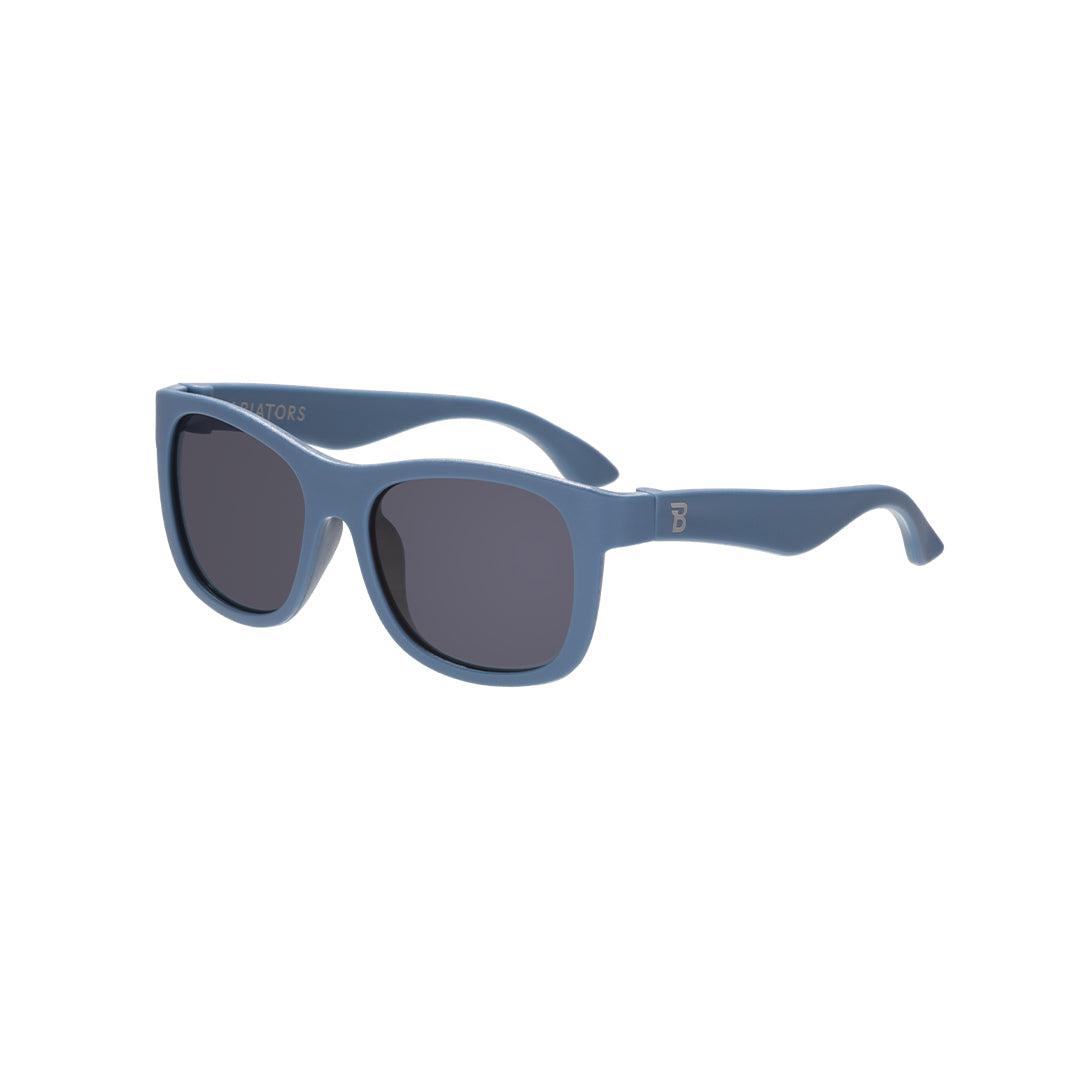
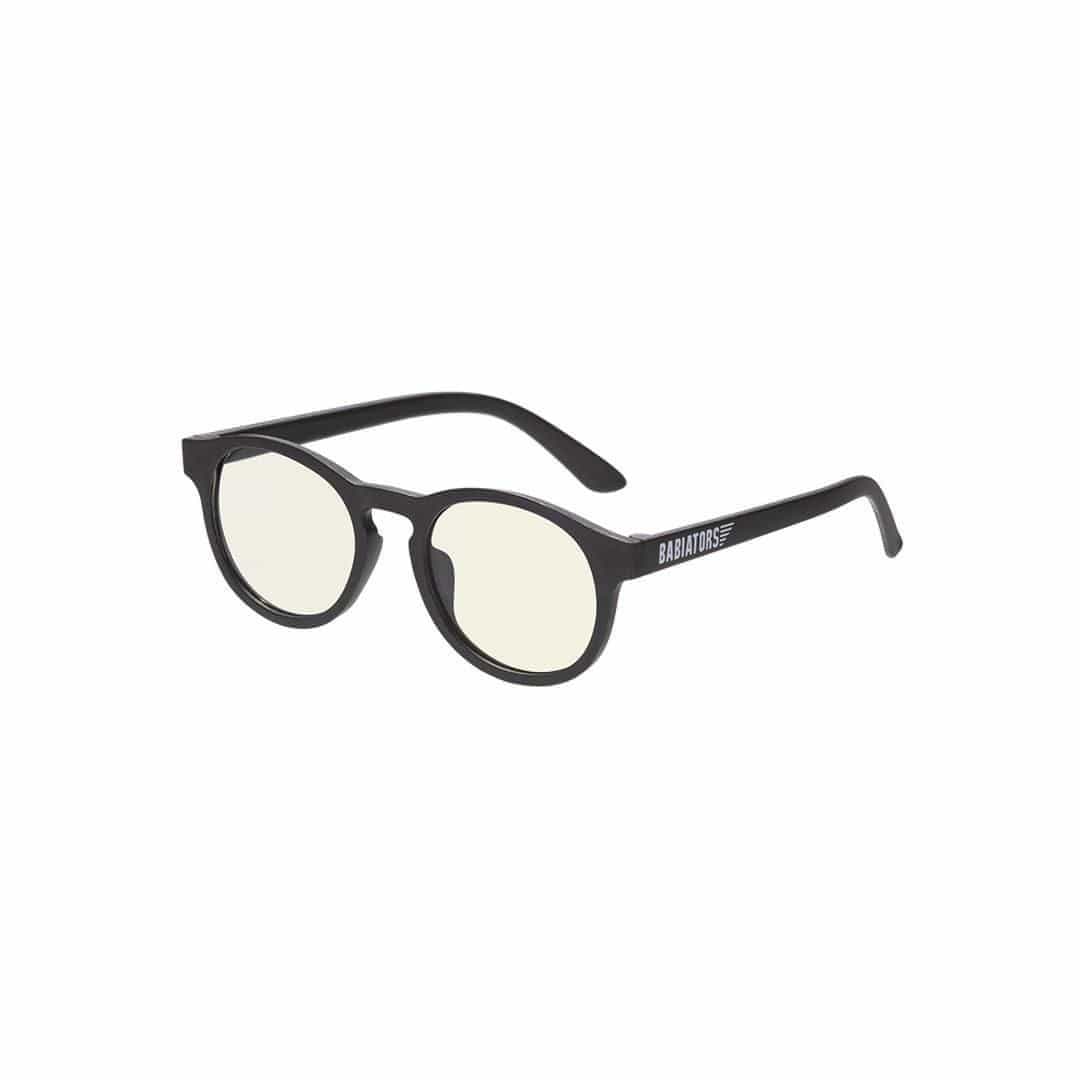
For families who want a straightforward place to start, Babiators UK focuses on children’s sunglasses with 100% UV protection, age-based sizing and frames built to cope with real kid behaviour. That kind of simple sorting can take some of the guesswork out of buying online.
Common mistakes parents make, even with the best intentions
One of the biggest is saving sunglasses for holidays only. UV exposure happens at home too, whether that is a sunny park day, a buggy nap on a walk or paddling in the garden.
Another is assuming cloudy weather means no risk. Clouds do not block all UV, and bright overcast days can still be uncomfortable for little eyes.
The third is focusing on style first and protection second. Fun shapes and lovely colours are a bonus, but protection and wearability come first. If your child will not keep them on, the best-looking pair in the world will stay in the changing bag.
Finally, there is the issue of replacements. Parents often delay buying decent sunglasses because they expect them to be broken within a week. Fair concern. But flimsy options usually end up costing more in frustration and repeat purchases.
Making sun-safe habits stick
Children are more likely to accept sunglasses when they see adults wearing theirs too. If eye protection is just what the family does before heading out, it feels normal rather than negotiable.
Keep sunglasses somewhere obvious by the door or in the nappy bag. Put them on as part of the routine. Pair them with a hat. Mention comfort, not fear. A simple “let’s protect your eyes” lands better than turning it into a battle.
And if one pair is rejected, it does not mean your child hates sunglasses. Sometimes the fit is wrong, the bridge slips, or the frame shape bothers them. A small change can make a big difference.
Children do not need a complicated sun-safety lecture. They need grown-ups who make the safe choice easy, comfortable and part of everyday fun outdoors.
 Back to Blog

