










How to Choose Kids Sunglasses
The pair that gets worn is the pair that works. That is the real challenge when you are figuring out how to choose kids sunglasses. Parents do not just need strong UV protection. They need sunglasses that fit properly, stay on busy little faces, survive being sat on, and still feel fun enough for children to actually keep wearing them.
A good pair should make life easier, not add another battle to the day. Whether you are packing for nursery drop-off, a beach holiday, park days or a ski trip, the right sunglasses protect young eyes while keeping things simple for grown-ups.
How to choose kids sunglasses without overthinking it
The fastest way to narrow your options is to focus on four things first - UV protection, fit, durability and lens type. Style matters too, of course, but it should come after the basics.
Children’s eyes are more vulnerable to UV exposure than adult eyes because their lenses are clearer and allow more of the sun’s rays through. That means sunglasses are not just a cute extra. They are part of everyday sun safety, especially for babies, toddlers and children who spend lots of time outdoors.
If a pair looks great but pinches, slips, or feels heavy, it will probably end up at the bottom of the changing bag. The best choice is the one that balances serious protection with kid-proof comfort.
Start with 100% UV protection
This is the non-negotiable. When you are shopping for children’s sunglasses, look for lenses that block 100% of UVA and UVB rays. If that information is unclear or missing, move on.
Lens darkness on its own does not tell you much. A darker lens without proper UV protection can actually be worse than no sunglasses at all because it may cause the pupil to widen, letting in more harmful rays. That is why the label matters more than the tint.
For parents, this is where the decision should become simpler. Do not get pulled off course by trendy names or vague claims. If the sunglasses do not clearly state 100% UV protection, they are not doing the job.
Fit matters more than most parents expect
A child can have the best lenses in the world, but if the sunglasses keep sliding down their nose, the protection will be patchy at best. Good fit is what turns a nice product into a useful one.
Look for frames sized by age range as a starting point, such as 0-2, 3-5 and 6+. Age guides are not perfect because children’s faces vary, but they are much more helpful than one-size-fits-all claims. Babies and toddlers usually need smaller, lighter frames that sit close to the face without pressing at the temples or cheeks.
A proper fit should feel secure but not tight. If there are deep marks after a few minutes, they are too snug. If the frames wobble when your child turns their head, they are too loose. You also want decent coverage around the eyes, because UV can reach the eye from different angles.
Signs the fit is right
The sunglasses should sit comfortably on the bridge of the nose, line up well with the eyes, and stay in place when your child walks, runs or looks down. The arms should rest neatly over the ears without digging in.
Some styles suit different face shapes better than others. Rounded frames can work beautifully on narrower faces, while slightly wider shapes may give better coverage for broader faces. It depends on the child, which is why clear sizing and easy shopping categories make such a difference.
Choose frames built for real kid behaviour
Let’s be honest - children do not handle sunglasses gently. They twist them, drop them, chew the arms, fling them into the buggy and occasionally sit on them. Durability is not a bonus feature. It is part of the value.
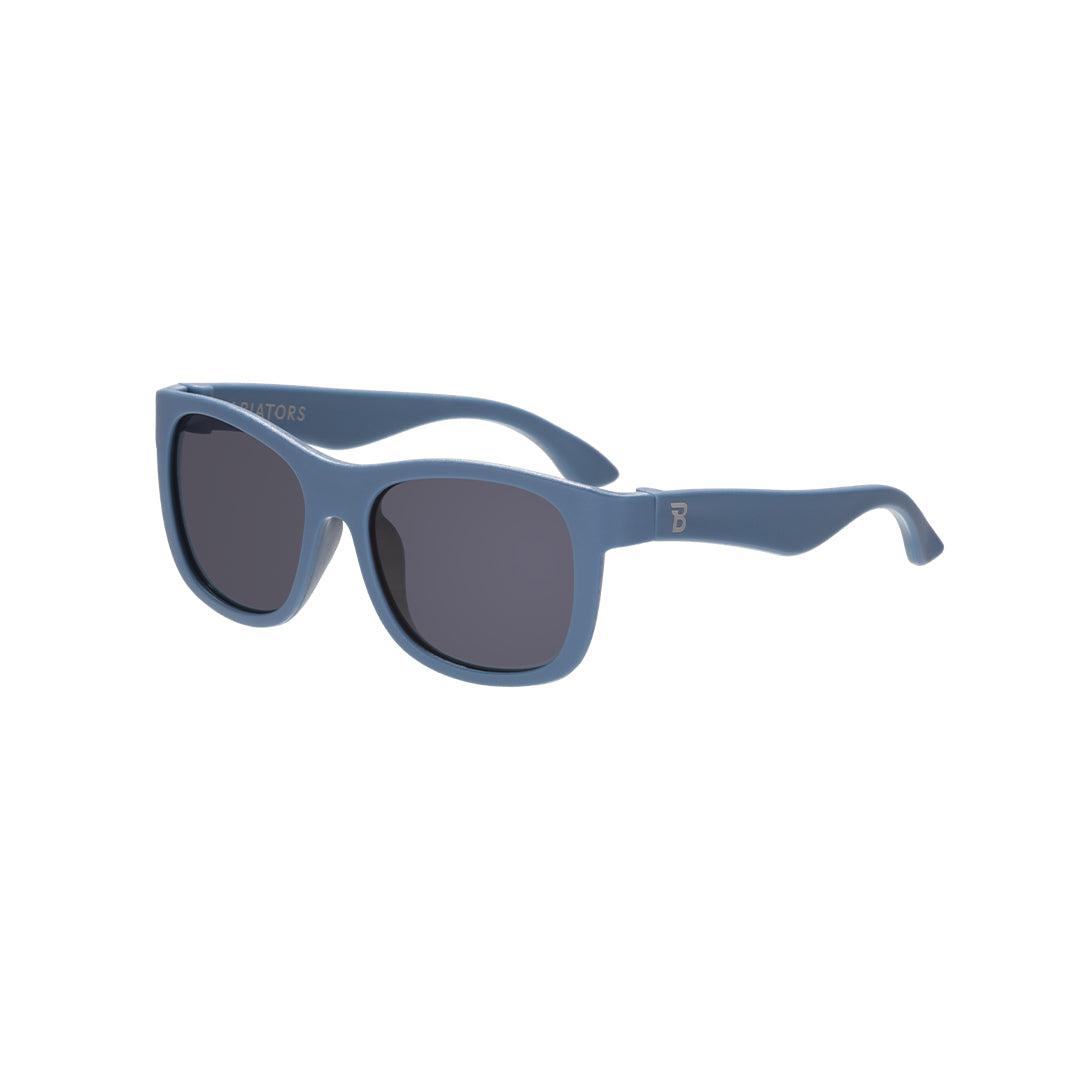
Flexible rubbery frames are often a smart choice for younger children because they can bend without snapping and feel softer against the face. Lightweight designs also help, especially for first-time wearers who may reject anything that feels bulky.
This is where cheap pairs often disappoint. They can seem fine for a week, then the hinge loosens, the frame cracks, or the lens pops out. Replacing sunglasses again and again is frustrating and usually more expensive in the long run.
If you can choose a pair designed specifically for babies and children rather than scaled-down adult styles, do it. Purpose-built kids’ sunglasses are more likely to account for comfort, flexibility and rough-and-tumble wear.
Do you need polarised lenses?
Not always, but sometimes they are well worth it. Polarised lenses reduce glare from reflective surfaces like water, sand, snow and roads. That can make outdoor time more comfortable and improve visual clarity for children who spend a lot of time in bright conditions.
For everyday playground use, standard lenses with 100% UV protection may be all you need. For holidays, beach days, boating, skiing or regular buggy walks in strong sun, polarised lenses can be a great upgrade.
There is a trade-off, though. Polarised options can cost more, and not every family needs the extra feature for day-to-day use. If you are choosing one pair to do everything, think about your child’s routine. A toddler in the garden every now and then has different needs from a child who spends weekends by the coast.
Style still matters - maybe more than you think
Parents often start with protection and price, but children often decide based on whether the sunglasses feel fun. That does not mean giving in to every glittery option you see. It means recognising that wearability is linked to style.
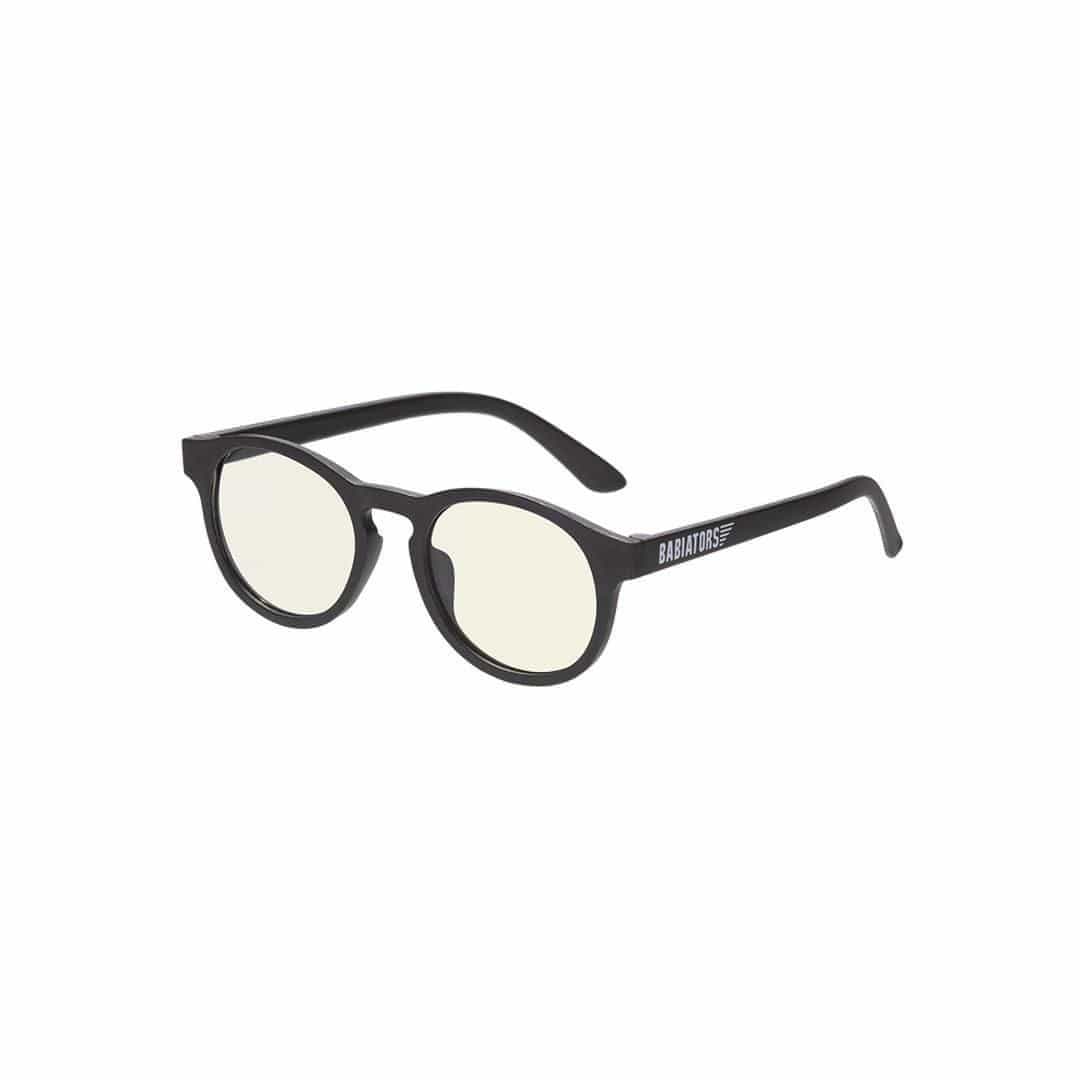
If your child loves the look of their sunglasses, there is a much better chance they will leave them on. For some children that means classic aviators or navigators. For others it is soft round frames, keyholes, hearts or flowers. A pair that feels like part of their outfit can remove a lot of resistance.
This is especially true from toddler age onwards, when children begin to have strong opinions about what they wear. If you are deciding between two equally protective, well-fitting pairs, choose the one your child is excited about.
Think about your child’s age and stage
Babies, toddlers and older children do not all need the same thing. A baby or very young toddler usually needs the lightest possible frame, soft materials and a very simple fit. Comfort wins here, because babies will not tolerate fuss for long.
Toddlers need all of that plus extra toughness. This is the age of throwing, grabbing and general chaos. Flexibility and a secure fit matter most.
Children aged 6 and up often care more about style, but they still need reliable protection and durability. At this stage, they may also benefit more from polarised lenses if they are active outdoors, travelling often or taking part in brighter seasonal activities.
What to check before you buy online
Buying children’s sunglasses online can feel slightly risky if you are not sure about sizing. The easiest way to make it feel manageable is to look for a clear age-based size guide, straightforward lens descriptions and product information that spells out the protection level.
It also helps to choose a brand that understands parent worries. Guarantees are not just nice extras. They reduce the stress of buying something for a child who may test the limits of any product within the first hour.
At Babiators UK, that thinking sits behind our approach - 100% UV protection, child-friendly sizing, frames designed for real-life wear, and an Awesome Guarantee that replaces broken sunglasses free for one year. For parents, that means less second-guessing and more confidence when you click add to basket.
Common mistakes when choosing kids sunglasses
One of the biggest mistakes is assuming any small pair of sunglasses will do. Adult fashion brands sometimes offer mini versions, but they are not always designed around the shape, comfort needs or behaviour of young children.
Another common slip is choosing based on lens darkness alone. As mentioned earlier, dark tint is not the same as UV protection. You also want to avoid frames that are too stiff or heavy for younger children, because discomfort quickly turns into refusal.
Finally, it is worth resisting the temptation to buy oversized pairs for your child to grow into. When sunglasses are too big, they slide, let in more light around the edges and tend to come off every few minutes. Better fit now beats future-proofing every time.
The best choice is the one your child will wear
If you are still wondering how to choose kids sunglasses, come back to the practical question: will these protect my child’s eyes and will my child actually keep them on? That is the sweet spot.
Start with 100% UV protection, then look for an age-appropriate fit, flexible durability and a lens type that suits your family’s routine. After that, let style do its job. Children are far more likely to wear sunglasses that feel good and look fun.
Little eyes have many sunny days ahead. Choose a pair that is ready for all of them.
 Back to Blog

