










How to Measure Kids Sunglasses Size
One minute they are happily wearing their sunglasses, the next they are sliding down a tiny nose or pinching behind the ears. If you are wondering how to measure children's sunglasses size without turning it into a full-scale family negotiation, the good news is that it is much simpler than it sounds.
The right fit matters for more than comfort. Sunglasses that are too wide can slip off during play, while frames that are too tight can leave marks and quickly become a battle to keep on. For babies, toddlers and older children, a well-fitted pair helps keep 100% UV protection where it belongs - over their eyes when they are out in the sun.
Why size matters more than most parents think
Children are constantly moving. They run, climb, wriggle, nap in pushchairs and somehow drop everything at least twice before lunch. That means sunglasses need to do two jobs at once: protect their eyes and stay comfortably in place.
A poor fit usually shows up fast. Frames that are too large may bounce down the bridge of the nose, let extra sunlight in at the sides or get pushed off during play. Frames that are too small can press at the temples, sit too close to the cheeks or feel uncomfortable enough that your child refuses to wear them.
That is why knowing how to measure children's sunglasses size is worth a few minutes before you buy. It helps take the guesswork out of shopping online and gives you a much better chance of getting a pair your child will actually keep on.
How to measure children's sunglasses size at home
You do not need special tools. In most cases, a soft tape measure is easiest, but a piece of string and a ruler will do the job just as well.
Start with face width
The most useful measurement is the width of your child’s face across the eye area. Measure from temple to temple, roughly where the sunglasses arms will sit. This gives you a strong starting point for choosing frames that are not too narrow or too wide.
If your child is not in the mood to sit still, measure while they are distracted by a snack, book or favourite programme. For babies and toddlers, speed helps.
Check the bridge fit
Next, look at the bridge of the nose - the area where the sunglasses rest. Kids’ noses are still developing, especially in the early years, so adult fit rules do not always apply neatly. You are not looking for a technical optical measurement here. You simply want to notice whether your child has a narrower or broader bridge, because this affects how likely frames are to slide.
If your child has had sunglasses before, think about what happened. Did they constantly slip down? Did they sit firmly in place? That real-life clue is often just as helpful as a measurement.
Look at arm length and ear placement
The arms of the sunglasses should rest comfortably over the ears without pressing in. If you already have a pair of glasses or sunglasses that fit well, measure the arm length from the hinge to the end tip. That gives you a useful reference when comparing sizes.
For younger children, flexible frames can make fit more forgiving. A child-proof design matters because even a well-sized pair will need to survive being bent, dropped and stuffed into bags.
Use a pair that already fits well
If your child already owns sunglasses or prescription glasses that fit nicely, use them as your cheat sheet. Many frames have sizing numbers printed on the inside of the arm. You might see three numbers, which usually refer to lens width, bridge width and arm length.
For example, a marking such as 42-15-110 means the lens width is 42 mm, the bridge is 15 mm and the arm length is 110 mm. You do not need to become an eyewear expert, but these numbers can help you compare sizes more confidently.
If there are no printed numbers, measure the frame yourself. Check the total front width and the arm length, then compare those measurements to the new pair you are considering.
Age-based sizing helps, but it is not perfect
Age bands are useful because they simplify shopping. Most kids’ sunglasses are grouped into ranges such as 0-2, 3-5 and 6+. That is a very practical place to begin, especially if you are buying for a gift or your child has never worn sunglasses before.
Still, age is only a guide. Some two-year-olds have petite faces, some have broader ones, and growth does not follow a neat timetable. If your child sits near the top or bottom of an age range, or if they have a particularly narrow or wide face, measurements matter more than birthdays.
This is where brands that organise styles by age-based sizing can make life easier for parents. It removes a lot of the uncertainty, but it still helps to sense-check the fit using your child’s face width and any previous sunglasses that worked well.
Signs the sunglasses fit properly
A good fit should look and feel easy. The sunglasses should sit level across the face, cover the eyes fully and stay in place when your child moves normally.
The bridge should rest gently without sliding straight down. The arms should sit securely over the ears without digging in. Lashes should not brush against the lenses, and the frame should not press into the cheeks when your child smiles.
If your child is old enough to tell you, ask a simple question: do these feel comfy? That matters. Protection only works if they are happy to wear the sunglasses for more than thirty seconds.
Signs the size is wrong
Sometimes the problem is obvious. Frames that leave red marks on the temples or behind the ears are too tight. Frames that drop forward every few steps are too loose.
Other clues are subtler. If the sunglasses sit far away from the face, they may be too wide. If the lenses look small compared with your child’s eye area, coverage may not be good enough. If your child keeps pulling them off, size may be part of the issue, even if style is the complaint of the day.
It also depends on the frame shape. Round styles, aviator-inspired shapes and more angular designs can all fit a little differently even within the same age bracket. A frame that works beautifully in one shape may feel different in another.
Frame shape changes the fit
This is where shopping gets more specific. The size number matters, but shape matters too.
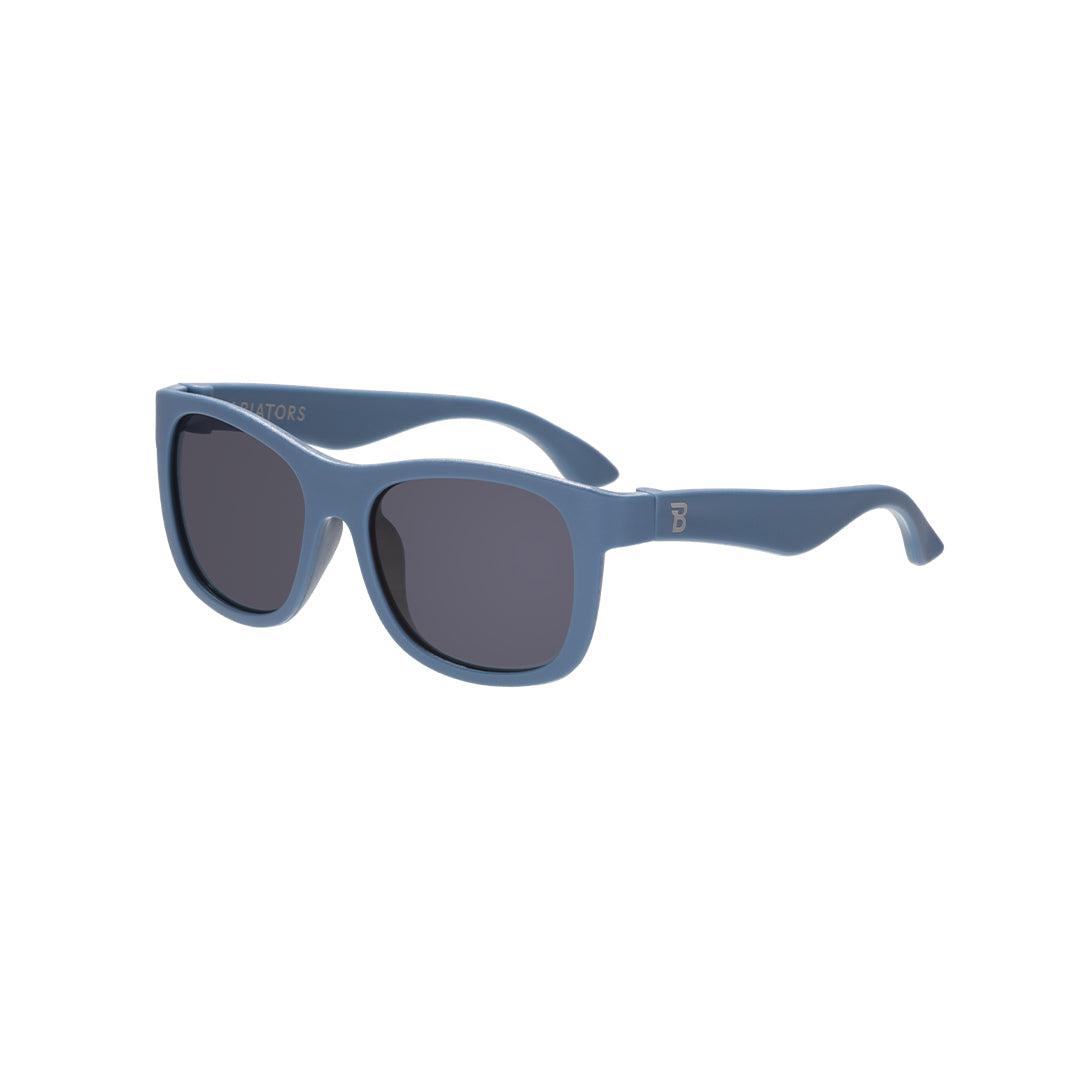
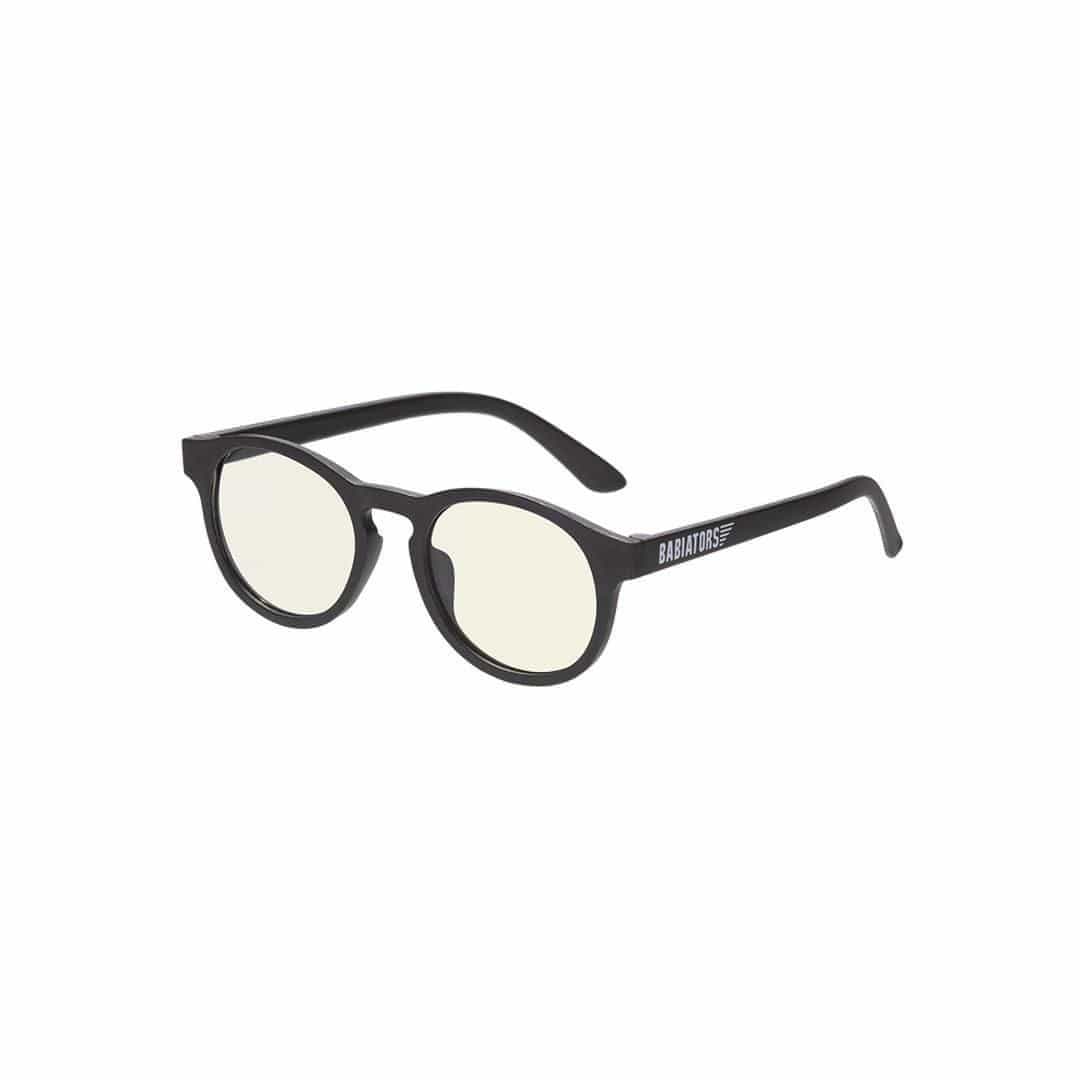
A wider, flatter style may suit a child with a broader face. A more rounded frame can work well for smaller features. Heart or flower shapes may sit differently on the cheeks than a classic navigator or keyhole design. None of that means one shape is better than another. It simply means that if your child is between sizes, the frame silhouette can tip the balance.
If your child is active, outdoors often or rough on accessories, there is also a trade-off between slim fashion-led frames and designs built for all-day durability. The best sunglasses for real family life are the ones that fit well, protect properly and can cope with being handled by actual children.
Measuring babies and toddlers without drama
Babies and toddlers are not always keen on standing still for measurements. Keep it light and quick.
Measure while they are calm, perhaps after a nap or during a cuddle. Use a soft tape rather than anything rigid. If that fails, take a clear front-facing photo and compare it with the fit of sunglasses they already own. It is not as precise as measuring in person, but it can still help.
For the youngest age group, comfort is everything. Lightweight frames with a gentle fit tend to win because there is less for little ones to fuss about. If the sunglasses feel easy, they are much more likely to stay on.
Protection still comes first
Once you have worked out how to measure children's sunglasses size, do not stop at fit alone. Size is only one part of the job. Your child’s sunglasses should also provide full UV protection and be tough enough for everyday family life.
That matters whether you are heading to the park, the beach, a summer holiday or a bright winter day on the slopes. Children’s eyes are more vulnerable to UV exposure, so the right pair needs to combine proper protection with a fit that stays put.
That is why parents often look for sunglasses designed specifically for babies, toddlers and kids, not just mini versions of adult frames. At Babiators UK, the sizing is kept simple for exactly this reason - less guesswork for parents, more sun-safe days for kids.
When the fit is right, everything gets easier. Your child is more comfortable, the protection works better and you spend less time chasing sunglasses across the playground. Measure once, choose carefully, and you are much more likely to end up with a pair that can keep up with real life.
 Back to Blog

