








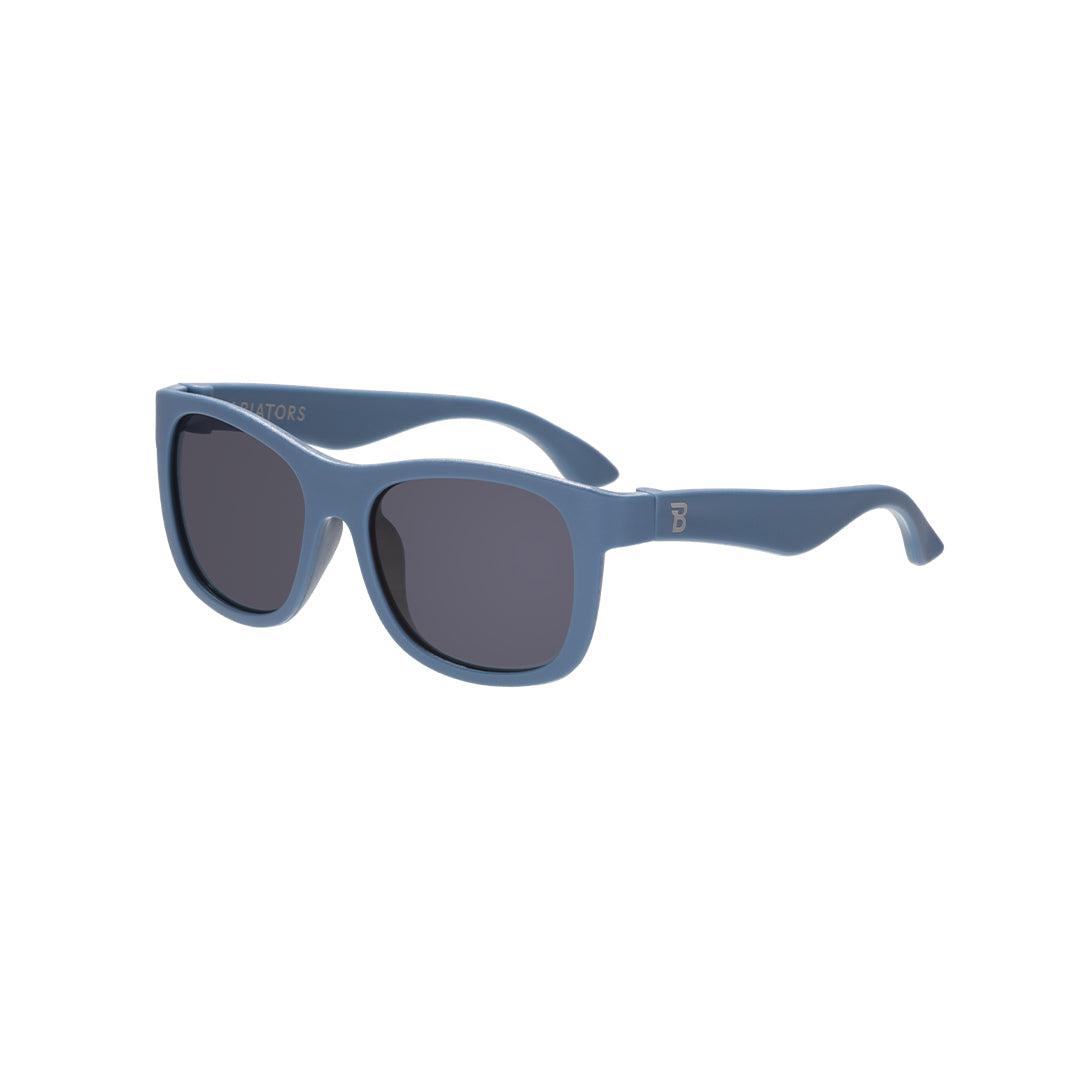
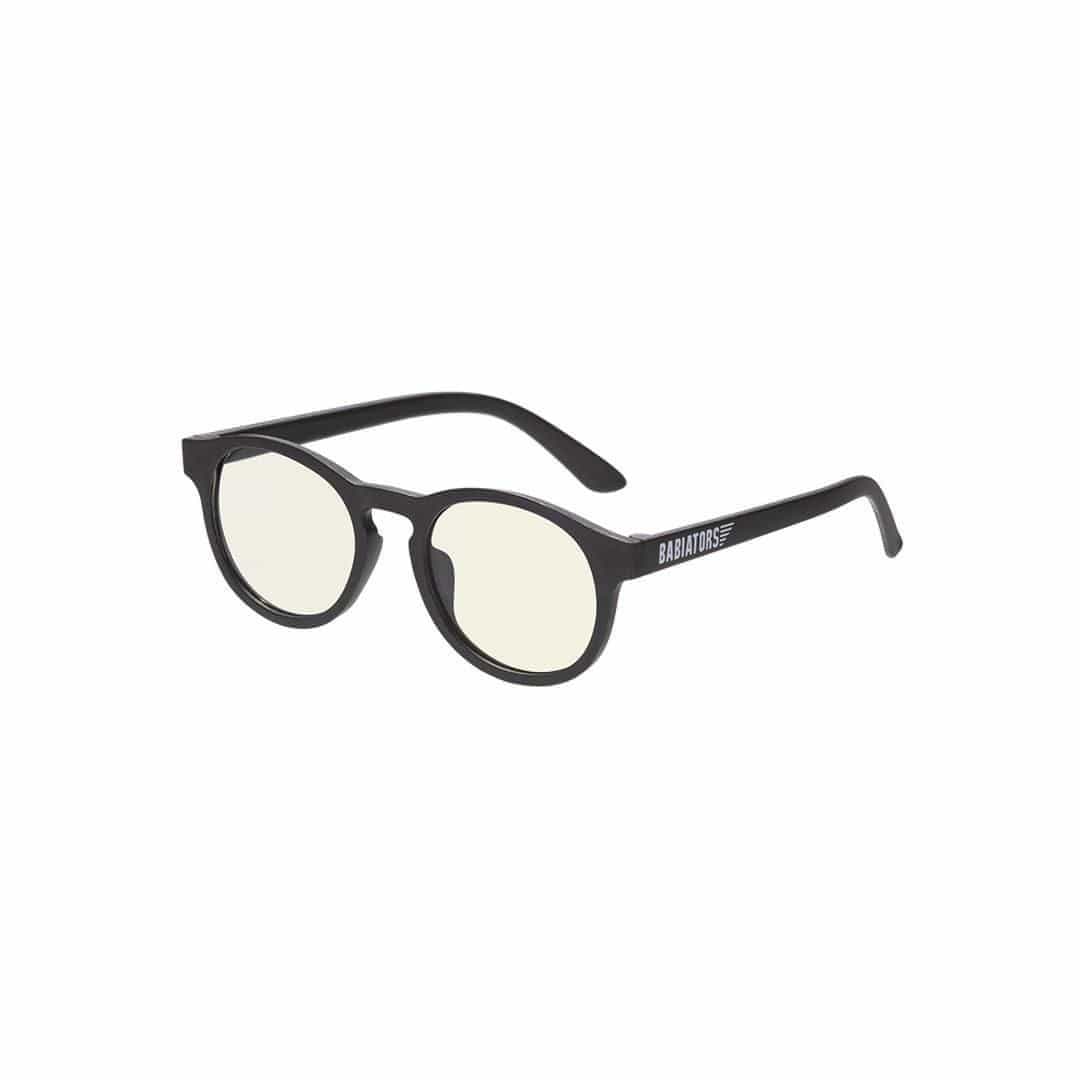


How Much UV Protection Kids Sunglasses Need
That scrunched-up, blinking face your child makes in bright sun is more than a sign they are fed up with the glare. It is a reminder that young eyes need real protection. If you are wondering how much UV protection kids sunglasses need, the short answer is simple - they need 100% UVA and UVB protection, every time.
That is the standard worth looking for. Not “high protection”. Not a dark lens that looks convincing. Not a cute pair from the holiday shop that happens to fit. For babies, toddlers and older children, the right sunglasses should block 100% of harmful UV rays while also being comfortable enough to keep on.
How much UV protection do kids sunglasses need?
Kids sunglasses should offer 100% UV protection, which is sometimes labelled as UV400. In practical terms, that means the lenses block both UVA and UVB rays up to 400 nanometres. If a pair does not clearly state 100% UV protection or UV400, it is not worth the gamble.
This matters because children’s eyes are still developing. Their lenses are clearer than adult lenses, which means more UV can reach deeper into the eye. Add in all the time kids spend outdoors - at the park, in the buggy, by the pool, on the school run, at the beach or up the mountain on a ski trip - and those daily exposures start to add up.
Sun damage is not usually something you can spot straight away. The issue is cumulative. The more unprotected UV exposure children get early on, the more it may affect long-term eye health later in life.
Why dark lenses are not enough
This is where plenty of parents get caught out. A darker lens does not automatically mean better protection.
Lens tint helps with brightness and comfort. UV protection is a separate feature built into the lens material or coating. A cheap dark lens with poor UV protection can actually be worse than no sunglasses at all, because the darker tint may cause the pupil to widen and let in more harmful rays.
So if you are comparing pairs, ignore the darkness test. The only wording that really counts is 100% UVA and UVB protection or UV400.
What the labels really mean
Sunglasses packaging can make things sound more complicated than they need to be. Most parents do not want an optics lesson while trying to buy shades before a family holiday. Fair enough.
Here is the plain-English version. UVA rays are linked with longer-term damage to the eyes and skin. UVB rays are more associated with surface damage and burning. Both matter. That is why the safest choice is complete coverage against both.
UV400 is the label many brands use to show that the lenses block all light rays with wavelengths up to 400 nanometres, which includes virtually all UVA and UVB rays that reach the earth’s surface. For children, that is the level you want.
If a product description is vague, skips the UV rating, or only talks about glare reduction, move on.
How much UV protection kids sunglasses need at different ages
The answer does not really change by age. Babies, toddlers and older children all need 100% UV protection.
What does change is the fit, how likely they are to keep sunglasses on, and the type of activities they do. A baby in a pram may get some cover from a hood or sunshade, but reflected UV still reaches the eyes. A toddler running around the garden will need a secure, comfortable fit that can survive bending, dropping and general chaos. Older children may need something that works for school pick-up, beach days and active play without slipping down every five minutes.
So while the protection level stays the same, the best pair is the one that combines full UV protection with a fit your child will actually wear.
Fit matters more than many parents realise
Even the best lens cannot do much if the sunglasses are constantly pushed onto the forehead or pulled off after thirty seconds.
A good fit helps in three ways. First, it keeps the lenses in front of the eyes where they belong. Second, it reduces the amount of sunlight sneaking in around the edges. Third, it makes the whole experience less of a battle.
For younger children, lightweight frames with a gentle, secure fit are often the sweet spot. If frames pinch, slide or feel heavy, kids notice fast. For online shopping, age-based sizing can take out a lot of the guesswork, especially when buying for babies and toddlers.
Polarised lenses versus UV protection
This one causes confusion all the time. Polarised lenses are great, but they are not a replacement for UV protection.
Polarisation reduces glare bouncing off flat surfaces like water, roads, sand and snow. That can make it easier for children to see comfortably on bright days, especially on beach holidays or during winter sports. But polarisation is about visual comfort, not automatic UV safety.
The ideal setup is polarised lenses with 100% UVA and UVB protection. If you have to choose between the two, UV protection is non-negotiable. Polarisation is a useful extra.
When kids need sunglasses most
The honest answer is more often than many of us think. Bright summer afternoons are obvious, but UV exposure is not limited to hot weather.
Children need sunglasses on sunny spring days, during winter walks, on overcast but bright afternoons, and anywhere with lots of reflection. Water, pale paving, sand and snow can all bounce UV back towards the eyes. That is why sunglasses are just as useful on a family ski break as they are on the beach.
The sun is usually strongest between late morning and mid-afternoon, but if your child is squinting, rubbing their eyes, or looking uncomfortable in the brightness, it is time for shades and a hat.
What to look for besides 100% UV protection
Once you have ticked off the UV requirement, there are a few practical details that make a real difference for families.
Durability matters because children are not known for delicate handling. Frames that can bend without snapping are a lot more useful than rigid pairs that last one outing. Comfort matters because the best protection in the world does nothing from the bottom of the changing bag. Lens quality matters too, because clear vision helps children feel happier wearing them.
Wraparound coverage can be helpful for very bright environments, although some families prefer more classic frame shapes for everyday wear. It depends on your child, where you go, and whether they will keep a sportier shape on.
And then there is style. That may sound less serious, but it counts. If your child loves the look of their sunglasses, you are much more likely to get them on without a negotiation worthy of a peace summit.
Common mistakes parents make
One of the biggest mistakes is assuming all children’s sunglasses sold on the high street offer proper UV protection. Many do, but not all. Check the product details rather than trusting the display stand.
Another is choosing sunglasses based only on lens darkness. Again, dark does not equal protective.
A third is buying too big so the child can grow into them. It sounds sensible, but oversized frames slip, let in extra light and are less likely to stay on. Better to choose the right fit now and get the protection working properly.
Parents also sometimes save the good sunglasses for holidays. But regular everyday use matters just as much. Trips to the playground, nursery drop-off, buggy walks and weekends in the garden all add up.
The easiest rule to remember
If you want the quickest way to cut through the noise, use this rule: choose kids sunglasses with 100% UVA and UVB protection, a comfortable age-appropriate fit, and frames tough enough for real life.
That is the core of it. Everything else is a bonus.
At Babiators UK, that is exactly the thinking behind our approach - bold sun safety, child-friendly comfort and durable frames built for babies, toddlers and kids who do not sit still for long.
A quick word on babies
Parents often ask whether babies really need sunglasses. Yes, in many situations they do.
Babies have especially sensitive eyes, and while a pram hood or sun canopy helps, it does not block all reflected light. If you are outdoors in bright conditions, especially around water, sand or snow, baby sunglasses with 100% UV protection are a smart extra layer of defence. A hat with a brim and shade are still important too. It is not one or the other.
The trick with babies is prioritising a gentle fit and lightweight frames. If they are comfortable, you have a much better chance of keeping them on.
The best kids sunglasses are not just mini accessories. They are everyday protection for developing eyes. So when you are choosing a pair, keep it simple, keep it strict, and do not settle for less than 100% UV protection. Your child’s future eyes will not send a thank-you card, but they will benefit all the same.
 Back to Blog

