










UV Exposure Risks for Babies and Toddlers
That quick trip to the park at 10am can feel harmless - especially when the breeze is cool and the sun does not seem particularly strong. But UV exposure risks for babies and toddlers do not disappear just because the weather feels mild. Young children can pick up significant sun exposure on cloudy days, in prams, near water, on holiday, and even during everyday nursery runs.
For parents, that is the tricky part. Sun safety is not just a beach-day issue. It is a daily protection habit, and with little ones, the stakes are higher because their skin and eyes are still developing.
Why UV exposure matters more in early childhood
Babies and toddlers are not simply smaller versions of adults. Their bodies are still growing, and that includes the natural structures that help protect the eyes and skin. Young skin is thinner and more delicate, which means it can burn more easily. Young eyes also allow more light to reach the retina than adult eyes, so UV exposure may have a deeper effect over time.
This does not mean parents need to panic every time they leave the house. It does mean early habits matter. Repeated sun exposure in childhood adds up, and the goal is not perfection. It is consistent protection.
A common point of confusion is the difference between heat and UV. They are not the same. You can have a cool, breezy day with high UV levels, and a very warm day with lower risk depending on season, time, and cloud cover. That is why judging sun safety by temperature alone can catch families out.
The real UV exposure risks for babies and toddlers
The most immediate risk is sunburn. Babies and toddlers can burn quickly, and even one serious burn in childhood is something most parents would rather avoid altogether. Sunburn is painful, upsetting, and can make sleep, bath time, and getting dressed miserable for everyone.
But the longer-term concern is cumulative exposure. UV damage builds over the years. Too much exposure in early life can increase the risk of skin problems later on, including premature ageing and a higher lifetime risk of skin cancer. That sounds serious because it is, but it is also exactly why everyday prevention makes such a difference.
The eyes need equal attention. UV rays can irritate the eyes in the short term, particularly in bright conditions, around reflective surfaces, or at the beach and in the snow. Over time, unprotected exposure is associated with eye damage that may not show up until much later. Babies and toddlers will not tell you that glare feels harsh or that they are squinting more than usual. Often, parents only notice rubbing, fussiness, or reluctance to keep their eyes open in strong light.
Reflective surfaces make exposure worse
One of the biggest surprises for families is how much UV bounces. Sand, water, pavements, and snow all reflect sunlight. So a child sitting under partial shade at the seaside may still be getting more exposure than expected. The same goes for toddlers in pushchairs with the sun coming in at an angle, or little ones playing near a paddling pool in the garden.
That is why one protective measure is rarely enough on its own. Shade helps, but it is not a complete shield.
Cloud cover does not cancel the risk
Grey skies can create a false sense of security. UV rays can still pass through clouds, and children can still burn when it does not look especially sunny. In the UK, this catches plenty of families off guard during spring and summer, particularly on long afternoons outside when exposure builds quietly.
When babies and toddlers are most at risk
The highest UV levels are usually around the middle of the day, but risk also depends on location and setting. Holidays abroad often mean stronger sunlight than families are used to at home. Altitude matters too, so mountain trips and ski holidays deserve proper eye protection even in cold weather.
Water-side days are another high-risk moment. Pools, beaches, lakes, and boat trips combine direct sunlight with reflected glare. Add the fact that young children are often moving between hats, towels, splash play, and snacks, and it is easy for protection routines to slip.
Even ordinary days can add up. The school run, buggy walks, garden play, soft play queues outside, weekend football, a picnic in the park - these are all small exposure moments that matter when repeated often.
How to protect babies and toddlers without making life complicated
The best sun safety routine is the one parents can actually stick to. That usually means layering simple protections rather than relying on one perfect fix.
Shade is the first line of defence, especially for younger babies. Keeping infants out of direct midday sun where possible is a sensible starting point. A parasol or pram hood can help, although airflow matters and coverings should never create overheating. Shade reduces exposure, but because UV can reflect and reach children from the side, it should be paired with other protection.
Clothing does a lot of heavy lifting. Lightweight long sleeves, close-weave fabrics, and wide-brimmed hats give reliable coverage without needing constant reapplication. For toddlers who never stop moving, this can be much easier than trying to keep every bit of skin perfectly covered in sun cream alone.
Sunscreen has a place too, particularly on exposed skin such as the face, ears, neck, hands, and feet. Parents should choose a broad-spectrum product suitable for children and reapply it as directed, especially after water play or towelling off. The trade-off is that sunscreen can rub away, sting, or be resisted by wriggly little ones, so it works best as part of the full routine rather than the only plan.
Why eye protection is often missed
Parents are generally well aware of sunburn risk, but eye protection is still easy to overlook. That is partly because eye damage is less visible in the moment. You can see a red nose. You cannot easily see UV reaching the eyes.
Another reason is practical. Many adults assume young children will not keep sunglasses on, or that cheap pairs are good enough for occasional use. But flimsy sunglasses that pop off, snap, or lack proper UV protection do not solve the real problem. They often create more hassle and end up abandoned at the bottom of the changing bag.
What to look for in children's sunglasses
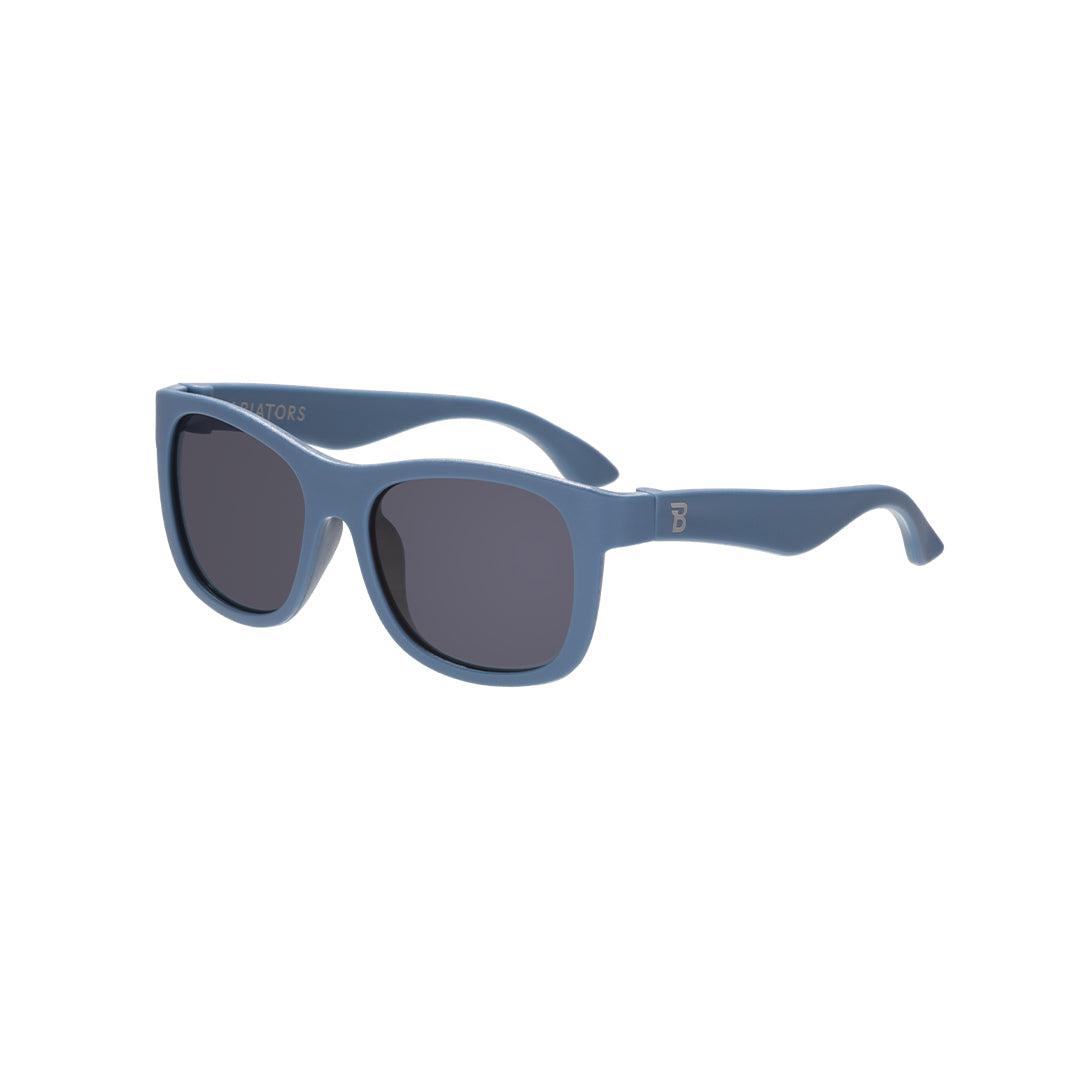
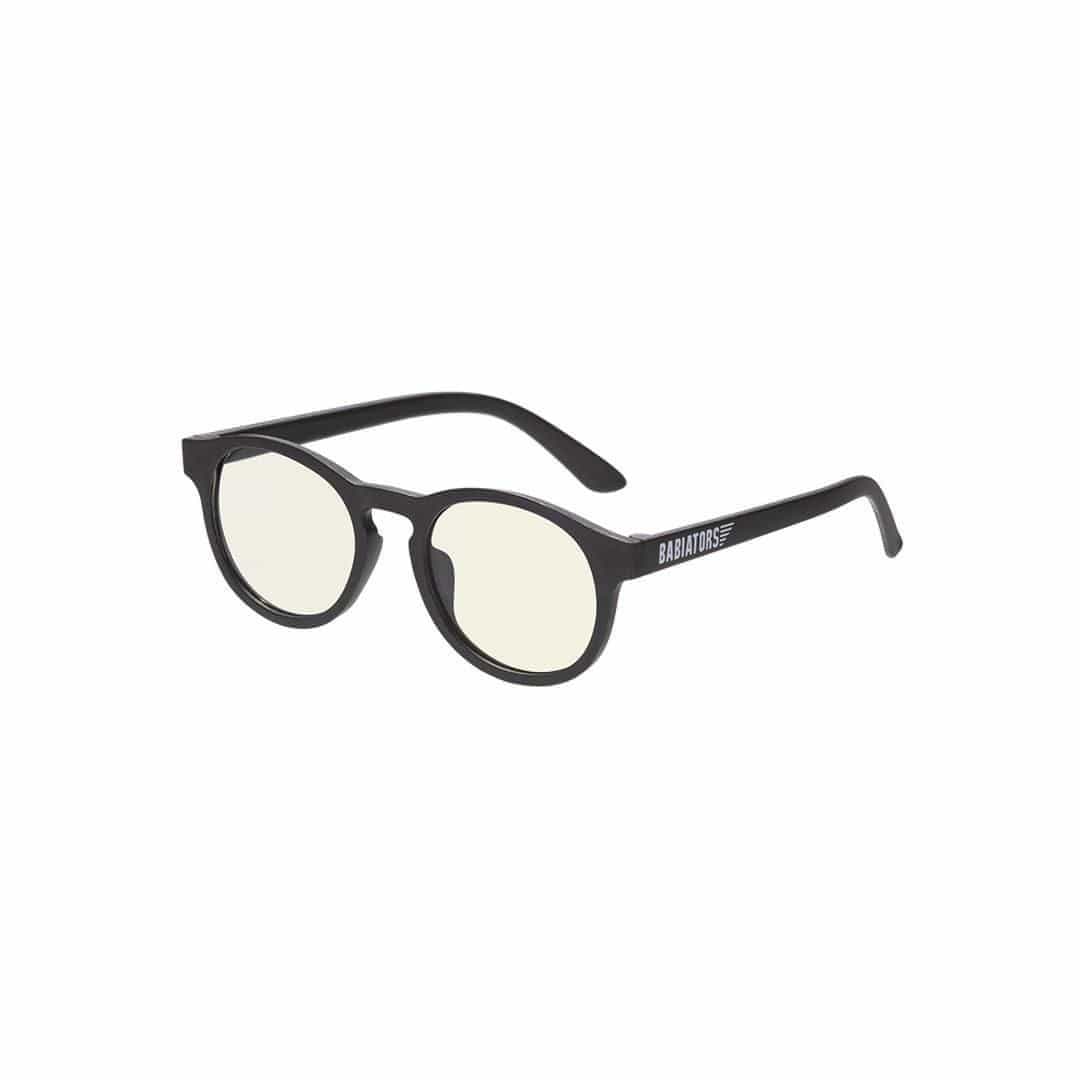
For babies and toddlers, proper eye protection needs to do two jobs at once. It has to block 100% of UVA and UVB rays, and it has to survive real child behaviour. That means bending, dropping, sitting on them, throwing them from the buggy, and pulling them off with sticky hands.
Fit matters just as much as the lens. Sunglasses that slide down or pinch are less likely to stay on. Age-based sizing can make buying easier because parents do not need to guess what might fit a small face. Durability matters too, because if sunglasses break after a week, even the best intentions disappear fast.
This is where purpose-built children's eyewear stands apart from novelty pairs. Parents need protection they can trust and a fit that works in the real world, whether their child is 10 months old at the beach or four years old charging round the garden. At Babiators UK, that is exactly the idea behind frames made for kids, with 100% UV protection and a design built to handle family life.
Building sun-safe habits that actually last
Children notice routines more than lectures. If sunglasses, hats, and shade are simply part of getting ready to go out, they become normal much faster. Toddlers especially respond well when sun protection feels familiar rather than negotiable.
It also helps to match protection to the day. A short buggy walk in spring may need a hat, shade, and sunglasses. A beach afternoon may call for all of that plus regular sunscreen top-ups and breaks indoors. There is no one-size-fits-all rule because weather, location, and activity change the risk.
That flexibility is important. Parents do not need to turn every sunny outing into a military operation. They just need to recognise when exposure is likely to be higher and step up protection accordingly.
If you are ever unsure, it is worth thinking of UV safety the way you think about car seats or bike helmets. The point is not to make outdoor time stressful. It is to make protection automatic, so children can enjoy more fresh air, more play, and more adventures with less risk.
The good news is that small choices made early really do count. A hat on the way to the park, shade in the garden, proper sunglasses on holiday - these are simple actions, but they help protect growing eyes and skin when it matters most. And that is a habit worth raising with every child.
 Back to Blog

