










How to Fit Baby Sunglasses Properly
A pair of baby sunglasses can look adorable for about three seconds. After that, the real test starts - slipping down, getting pulled off, leaving red marks, or ending up somewhere under the buggy. If you are wondering how to fit baby sunglasses so they actually stay on and protect little eyes, the answer comes down to size, shape and comfort working together.
The good news is that a proper fit is much simpler than it sounds. You do not need to become an eyewear expert. You just need to know what a secure fit looks like, what warning signs to watch for, and why buying by age range is usually the easiest place to start.
How to fit baby sunglasses without guesswork
The best fit should feel almost unremarkable to your baby. The frames should sit neatly on the face, cover the eyes well, and stay in place when your child turns their head or wriggles in the pushchair. They should not pinch, slide constantly or sit so close to the cheeks that every smile pushes them upward.
For most parents, age-based sizing is the most practical route. Baby sunglasses are often designed in ranges such as 0-2, 3-5 and 6+, which helps remove some of the uncertainty when shopping online. That said, age is only a starting point. Babies and toddlers are not built to a standard template, and some little ones have fuller cheeks, narrower bridges or smaller heads than others.
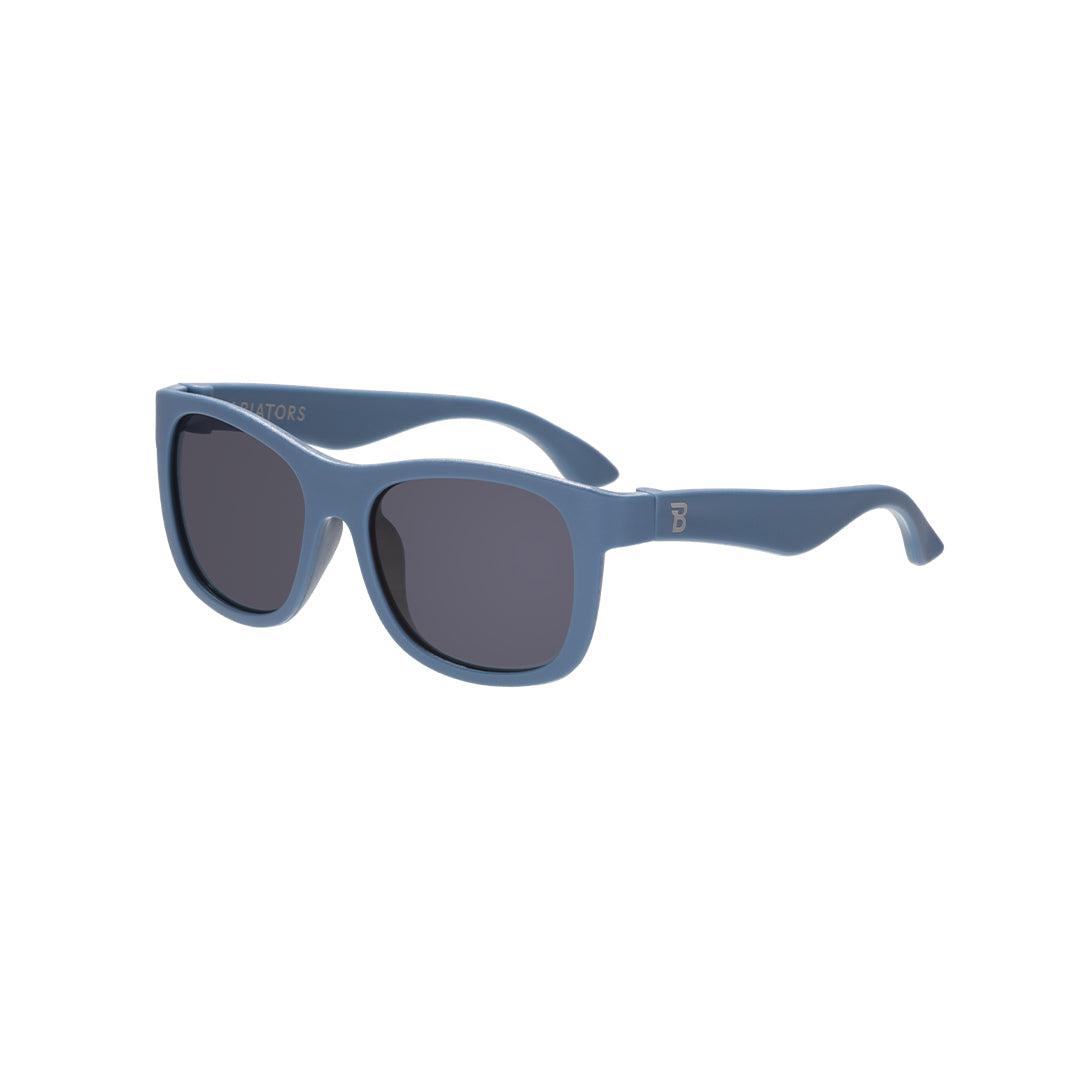
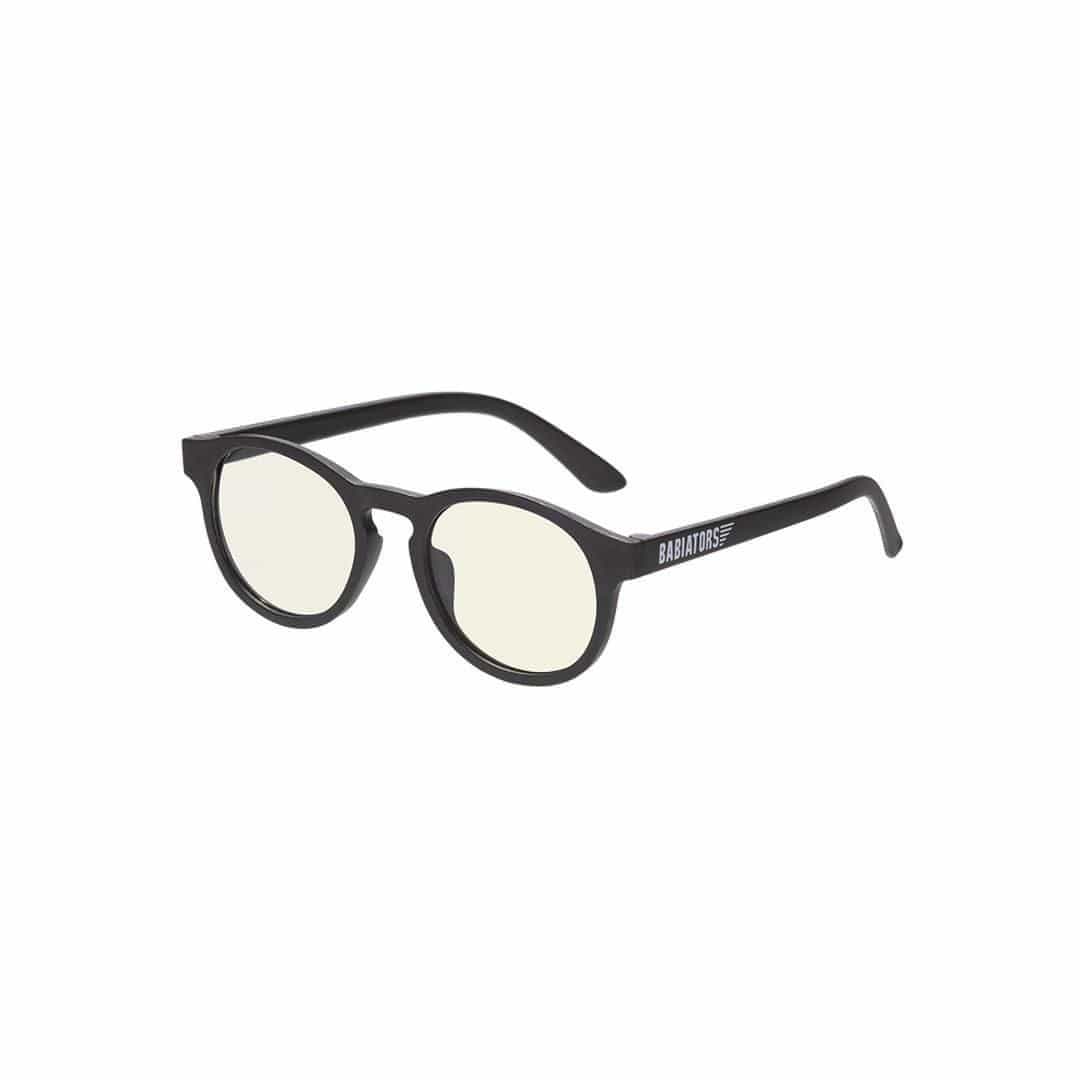
A good fit usually comes down to four things. The sunglasses should sit level across the face, the arms should rest comfortably over the ears, the bridge should feel secure without digging in, and the lenses should fully cover the eye area. If one of those is off, the whole fit can feel wrong.
Start with the right size for your child’s age
When parents buy too big, it is usually with good intentions. You want room to grow. But oversized sunglasses tend to slide down the nose, let more sunlight in around the edges, and annoy babies enough that they whip them off at every opportunity.
Too small is just as tricky. Tight frames can leave pressure marks, sit too high on the cheeks and create instant fuss. If your baby seems irritated the moment you put them on, sizing is worth checking before assuming they simply dislike sunglasses.
For babies and young toddlers, a 0-2 size is generally made to match smaller features and shorter arm lengths. That matters more than many people realise. Adult sunglasses shrink badly when turned into children’s styles unless the fit has been engineered for little faces from the start.
What a proper baby sunglasses fit looks like
Once the sunglasses are on, take a proper look from the front and side. This tells you far more than a quick mirror check.
From the front, the frame should sit straight rather than tilting to one side. The pupils should line up naturally behind the lenses, and the top of the frame should not block your child’s view. The sunglasses should cover the eyes fully, with enough width to help shield from bright light without swallowing the face.
From the side, the arms should curve back comfortably and stay in place without pressing hard. If the frames are popping forward, perching awkwardly or sliding every few seconds, the fit is not doing its job.
Then look at the bridge. Babies do not have prominent nose bridges, so this area matters a lot. If the bridge fit is poor, the sunglasses will move constantly. A baby-friendly frame should sit securely on a smaller nose shape without pinching.
Signs the sunglasses are too big
Some fit problems are easy to miss because the sunglasses technically stay on for a moment. But a poor fit usually shows itself quickly in movement.
If the frames slip down after a few seconds, sit away from the temples, or wobble when your child crawls, they are probably too large. You may also notice gaps that let bright light in from above or the sides. That weakens both comfort and protection, especially on sunny holidays, beach days or bright winter walks.
Oversized frames can also end up resting on the cheeks. That sounds minor, but once your child smiles, babbles or chews, the whole frame shifts.
Signs the sunglasses are too small
Too-small sunglasses often look neat at first, but they usually feel much less comfortable than they appear. If you see red marks near the temples, behind the ears or on the bridge, that is a clear sign the fit is too tight.
You might also notice the lenses seem narrow across the face, leaving part of the eye area exposed. If the arms feel stretched outward or the frame looks like it is being pulled wide, size up. A proper fit should feel secure, not strained.
Comfort matters more than parents think
If you want sunglasses to stay on a baby, comfort is everything. Babies do not tolerate fiddly, awkward things just because they are practical. If the fit feels wrong, they let you know immediately.
Lightweight frames make a big difference here. So do flexible materials that can handle being bent, dropped or squashed into a changing bag. Parents often focus on lens protection first, and rightly so, but durability and comfort are what make sunglasses wearable in real life.
This is especially true for active toddlers. If your child is walking, climbing or insisting on doing everything independently, their sunglasses need to move with them. A pair that feels sturdy but not rigid tends to get far more wear than one that looks smart but feels fussy.
Why the lens size and coverage matter
When learning how to fit baby sunglasses, parents often focus on whether the arms feel snug enough. That matters, but coverage matters too. Good baby sunglasses should provide enough lens area to shield little eyes from direct sun while also helping reduce glare around the eye area.
That does not mean the biggest lenses are automatically best. Very large styles can overwhelm a small face and slide about. The sweet spot is balanced coverage - enough to protect, not so much that the frames dominate the face.
For brighter conditions, such as seaside trips, buggy naps on sunny walks or family ski breaks, a secure fit becomes even more important. If the sunglasses keep shifting, your child loses both comfort and consistent protection.
Choosing a frame shape that suits your child
Different frame shapes do fit differently. Rounder styles may suit some babies beautifully, while more angular shapes may sit better on others. This is where face shape and feature spacing can make a small but noticeable difference.
If your child has fuller cheeks, you may prefer a shape that gives a little extra lift away from the cheek line. If they have a narrower face, a compact frame can stop that constant side-to-side movement. There is no universal best shape. It depends on the child.
That is why simple category shopping helps. Being able to browse by age, style and lens type takes some of the stress out of choosing, especially if you are buying online and cannot try several pairs in person.
Fit, protection and durability should work together
A good fit is not only about keeping sunglasses on. It is what allows the protection to do its job. If the sunglasses are forever pushed onto the head, dangling from one ear or tossed into the footwell of the car, they are not helping much.
Look for frames designed specifically for babies and young children, with 100% UV protection built in. Then consider whether the frames can cope with actual family life. That means being bent, dropped, chewed, flung and rediscovered under the sofa.
This is where parent-friendly design really earns its place. Products made for children should expect children to behave like children. That is exactly why many families prefer baby sunglasses that are built to be durable, flexible and easy to size, rather than fragile mini versions of adult styles. At Babiators UK, that thinking sits behind the whole approach - raise your sun safety, and make it easy for parents too.
A quick fit check before you head out
Before you leave the house, pop the sunglasses on and give them a one-minute test. Look for a level frame, secure bridge fit and comfortable arms. Let your child move naturally. Turn their head, lift them up, settle them in the buggy. If the sunglasses stay put without leaving marks or prompting instant protest, you are in a good place.
And if the first pair is not quite right, do not assume baby sunglasses simply never work. Usually, it is a fit issue, not a child issue. Once the size and shape are right, many little ones accept them far more quickly than parents expect.
The best baby sunglasses are the ones your child will actually keep on - because proper protection only works when the fit feels just right.
 Back to Blog

