










Babiators Trustpilot Reviews: What Parents Say
You can tell a lot about a kids’ sunglasses brand by what parents say after the first real test - the playground drop, the pushchair footrest bend, the “I sat on them” moment in the car seat. That’s why babiators trustpilot reviews are so useful: they’re full of the unfiltered stuff that happens between “add to basket” and “actually wore them all day”.
If you’re weighing up Babiators for your baby, toddler, or big kid, Trustpilot feedback can help you spot patterns: what families love, what trips people up, and what depends on choosing the right size or lens type. Here’s how to read those reviews like a pro - with sun safety, fit, and real-life durability in mind.
What parents usually look for in Trustpilot reviews
Most people aren’t reading reviews for entertainment. They’re trying to reduce risk. With kids’ sunglasses, that risk is very specific: will they stay on, will they survive, and will my child actually keep them on their face?Trustpilot tends to surface three practical themes parents care about straight away. First is protection - reassurance that the lenses do the job and that the sunglasses feel “proper”, not toy-like. Second is toughness - whether frames bounce back after bending and whether they keep their shape. Third is service - because if a guarantee exists, parents want to know it works in the real world, without a long back-and-forth.
The big pattern in babiators trustpilot reviews: durability vs “kid chaos”
When parents rave about Babiators, it’s often about how the sunglasses cope with daily kid behaviour. Reviews commonly mention frames being dropped on hard surfaces, stuffed into changing bags, or pulled on and off one-handed at the park. That’s the stress test that cheap pairs fail.The nuance is that “virtually indestructible” isn’t a magic spell that makes sunglasses immune to everything. Some families are rougher on gear than others. A toddler who enjoys twisting the arms like they’re a fidget toy will find the limits of any frame faster than a child who mostly wears them in the pram. When reading Trustpilot, look for the context: age, habits, and how often they’re worn. The most helpful reviews tend to explain the scenario, not just the outcome.
Fit and sizing: the quiet make-or-break factor
A surprising number of review comments - positive and negative - come down to fit. Parents don’t always expect sizing to matter much with sunglasses, but with little faces it really does. A pair that’s slightly too big can slide down, irritate behind the ears, or get tugged off. Too small and the arms can feel tight, which is a fast route to “Nope, not wearing those.”What to take from Trustpilot here is less “this runs small” and more “did the reviewer choose the right age bracket?” Babiators’ age-based sizing is designed to take the guesswork out, but kids’ heads vary, especially around growth spurts. If you’re buying for the top end of a size range, it can be worth reading reviews from parents of similarly aged children and paying attention to phrases like “snug”, “sits well under the hat”, or “covers the eyes properly”.
Another detail parents mention is whether the sunglasses stay put during active days - scooters, balance bikes, beach runs, or skiing. If you see consistent comments about slipping, cross-check the size chosen, because fit is usually the lever you can actually control.
Lens choice in reviews: Originals vs Polarised
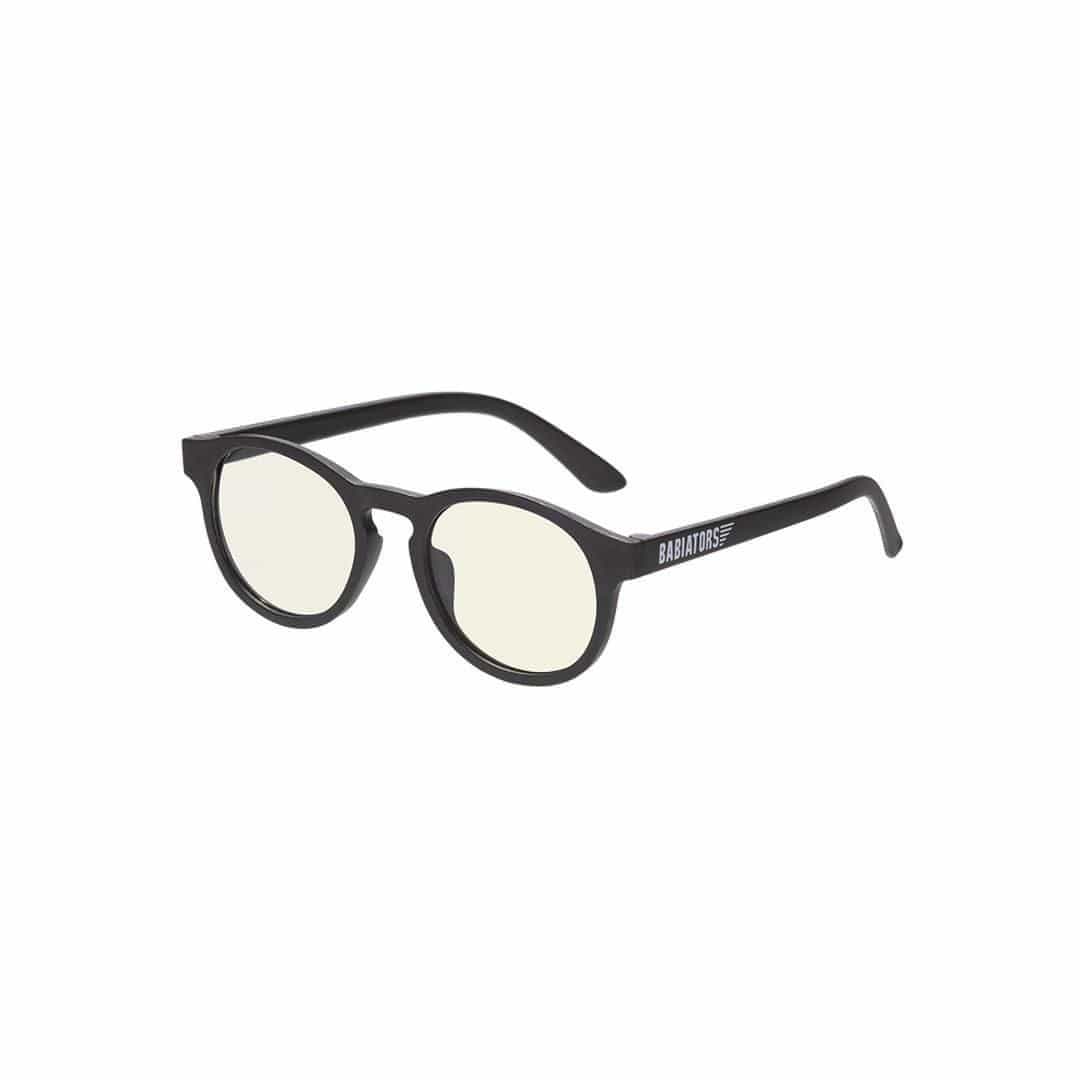
Trustpilot reviews often include quick comments like “great for sunny holidays” or “brilliant at the beach”, and that’s your cue to consider lens type.Original lenses are a solid everyday option for general outdoor play, nursery runs, and British weather where sun pops in and out. Polarised lenses are the upgrade parents tend to mention when they’ve been dealing with glare - think water, snow, sandy beaches, or bright car journeys. The benefit of polarisation shows up as “less squinting” or “they actually kept them on”, which matters because the best sunglasses are the ones your child will wear.
The trade-off is simple: Polarised can be the better experience in high-glare conditions, but Originals can be perfectly right if your child’s wear pattern is more park than pool. Reviews help you match the lens to your real life, not an imagined version of it.
“Do they actually wear them?” - what reviews reveal about kid acceptance
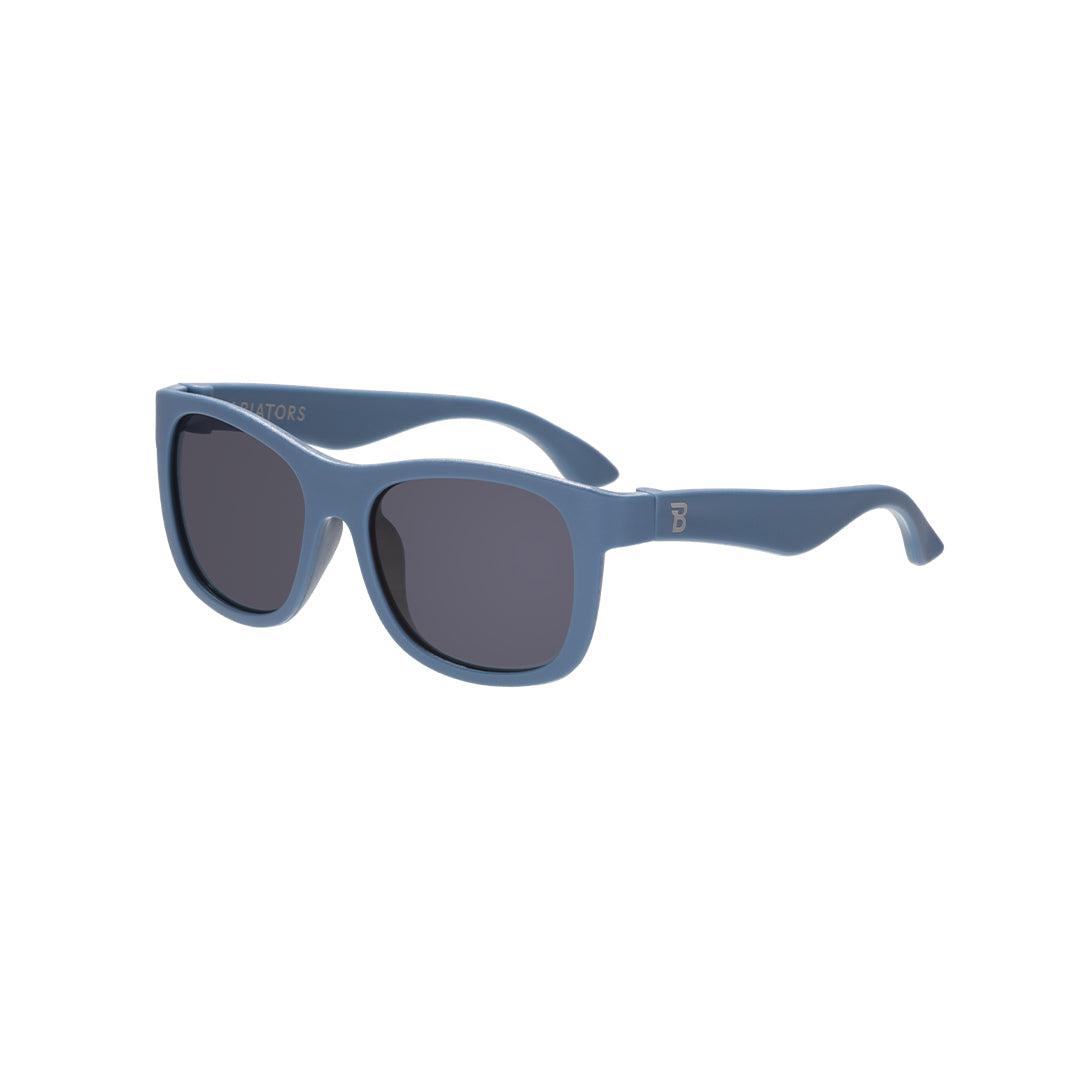
One of the most telling review patterns is when parents say their child tolerated these when they rejected others. That’s not just cuteness - it’s a win for sun safety.Comfort and fit are part of it, but style plays a bigger role than adults like to admit. Hearts and Flowers can turn sunglasses into something kids want, not something they’re made to wear. Meanwhile, classic shapes like Navigators or Aviators often win with parents who want that mini-me look without the fuss.
When you read Trustpilot, notice whether the reviewer mentions the frame style. Some shapes suit certain face widths better, and some just become a “favourite” because the child likes how they look in the mirror. That emotional buy-in is what gets sunglasses out the bag and onto the face.
Shipping and customer service: what matters most to parents
Parents’ standards for service are high because time is tight. In reviews, the best service stories tend to sound boring - in a good way. Fast delivery, clear updates, easy checkouts, no drama.When something does go wrong, Trustpilot is where you’ll see whether a brand owns it. Look for comments about response time and how quickly issues are resolved. With kids’ products, the most common pinch points are missed delivery windows, needing an urgent replacement before a holiday, or getting the wrong size and wanting to swap quickly.
If you’re scanning reviews for confidence, prioritise the ones that describe the process, not just the emotion. “Sorted within two days” tells you more than “amazing!”.
The Awesome Guarantee: how to read review mentions
Guarantees are only as good as the experience behind them. In babiators trustpilot reviews, you’ll often see references to replacements and how straightforward the process felt.Here’s the smart way to interpret those comments. First, check what the reviewer says happened to the sunglasses. “Broken” can mean anything from snapped arms to a lens scratch. Second, look for detail on timing - did they get sorted quickly, especially when they needed a replacement for school, travel, or an upcoming sunny weekend?
Also keep your expectations realistic. A one-year replacement promise is designed to remove the fear of wasting money on a pair that won’t survive childhood. It’s not a free-for-all for every cosmetic mark. Reviews that clearly describe what was replaced and how are the ones you can actually use to predict your own experience.
Eco choices and values: when they show up in reviews
Not every parent talks about sustainability in reviews, but when they do, it’s usually tied to “I wanted something better made” rather than a long checklist. That’s a useful signal: people are often linking values to performance. If a product is designed to last, it naturally reduces the cycle of buy-break-replace.If you’re considering the ECO Collection, Trustpilot comments can be especially handy for checking whether parents feel the same about feel, fit, and durability compared to other ranges. Values are great, but parents still want sunglasses that survive the sandpit.
How to use Trustpilot reviews to choose the right pair
The fastest way to get value from reviews is to read with your own child in mind. If your little one is in the 0-2 range and lives in a pram with a sun hat on, prioritise reviews that mention comfort, staying on, and whether the frames work well with hats. If your child is 3-5 and constantly on the move, look for comments about slipping, bending, and how the sunglasses cope with independent “I’ll do it!” handling.If you’re buying for holidays or ski trips, search for glare-related words: “water”, “snow”, “beach”, “squint”, “bright”. Those are often the reviews that quietly confirm Polarised was worth it.
And if you’re buying as a gift, reviews can help you choose a style that reliably delights. Hearts and Flowers often get the biggest emotional reactions; classic frames get the most “goes with everything” approval.
If you want to see the ranges laid out by size, style, and lens type in one place, you can browse Babiators UK and match what you’re reading on Trustpilot to the exact option you’re considering.
When a negative review is still useful
Negative reviews aren’t automatically red flags. They’re data.Sometimes a complaint is really about a mismatch: the wrong size chosen, expectations about lens darkness, or a child who refuses anything on their face (fair). Other times it can highlight a genuine issue like a delayed delivery at a busy period.
The key is frequency and specificity. One vague complaint tells you little. Several reviews describing the same friction point, in similar circumstances, is when you should pay attention and adjust your plan - maybe order earlier, double-check sizing, or choose Polarised for that high-glare holiday.
Trustpilot is at its best when you treat it like a conversation with other parents at the school gate: you’re not looking for perfection, you’re looking for predictability.
 Back to Blog


