








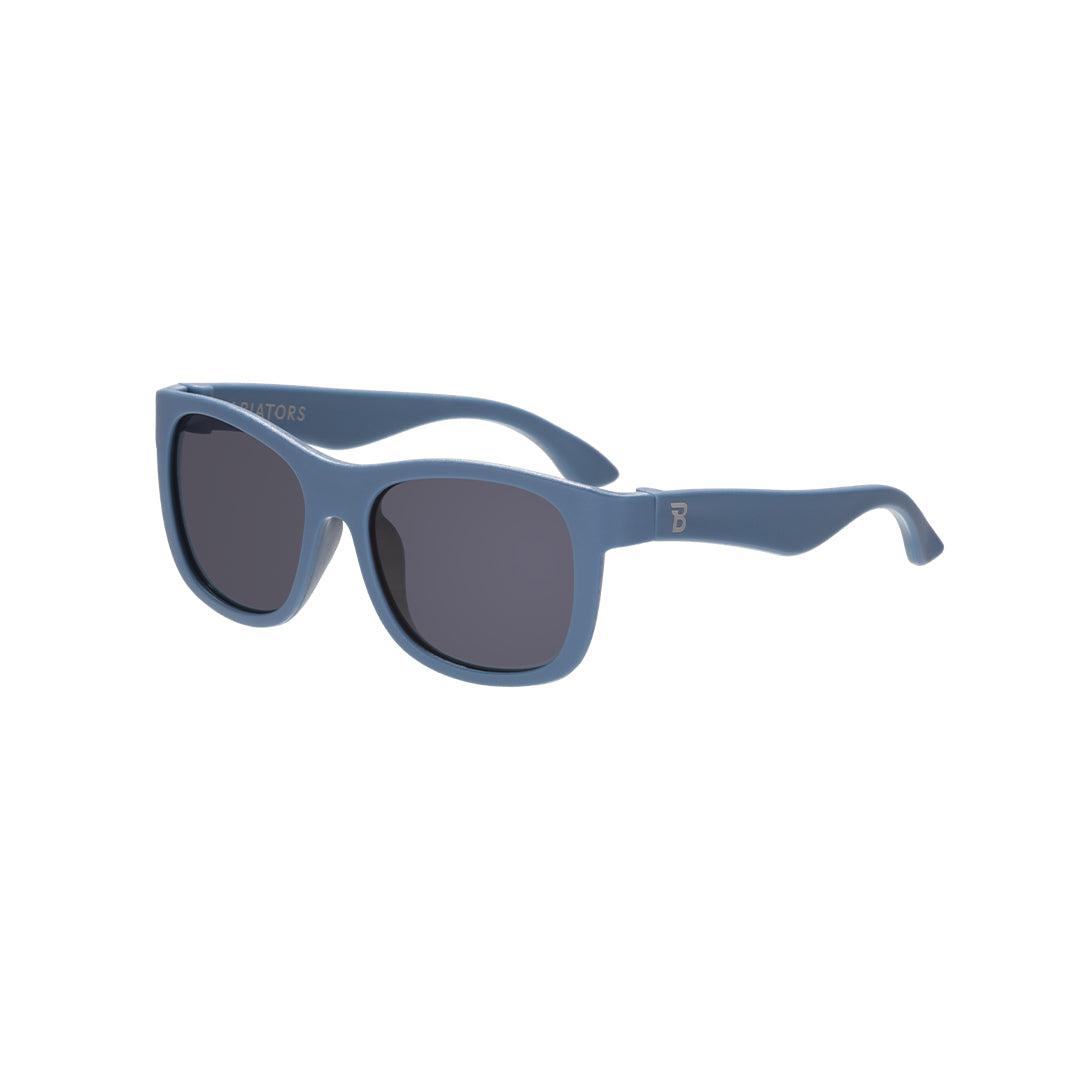
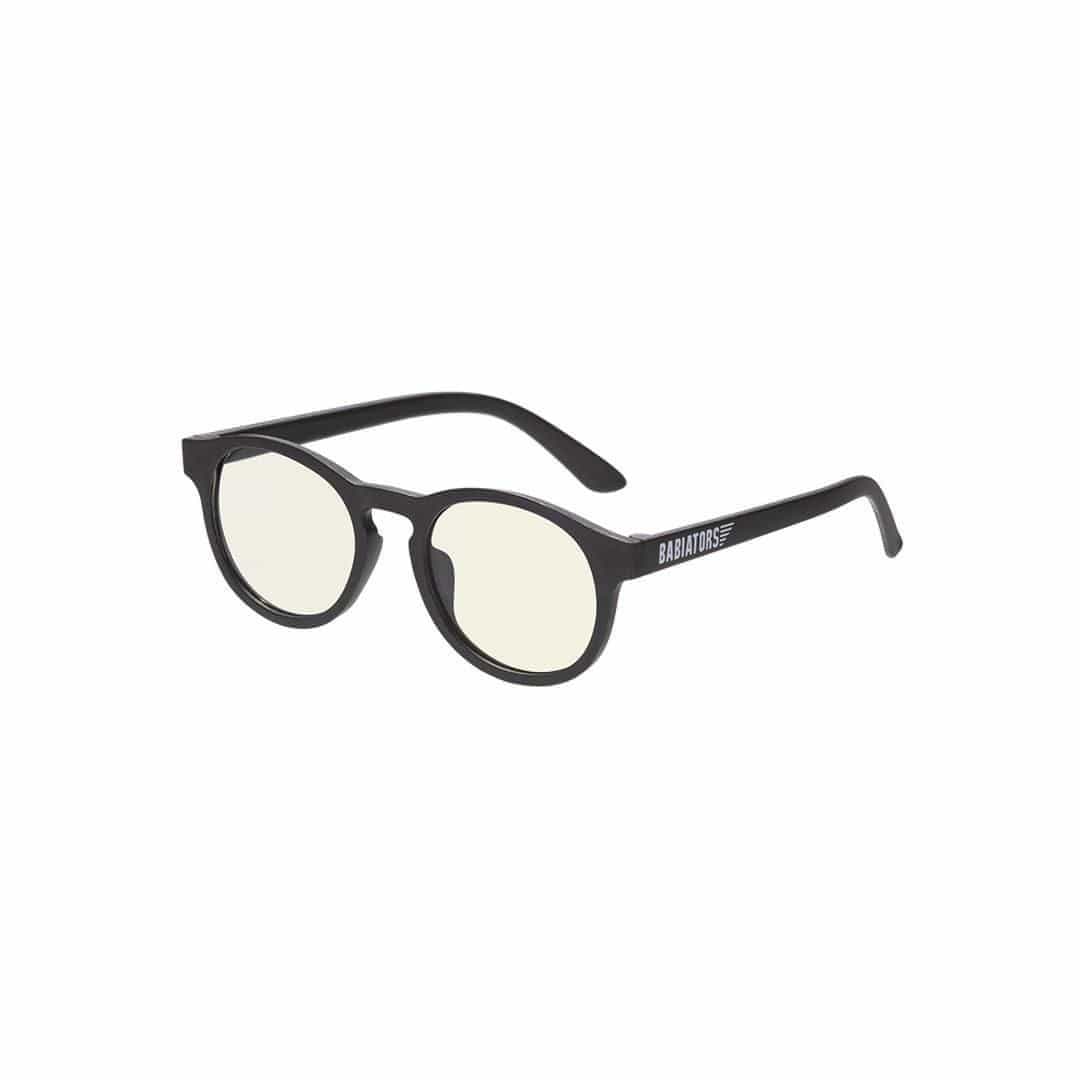


Are Sunglasses Safe for Babies? Yes, If They Fit
You know that moment when the pram hood is up, the sun is still sneaking in sideways, and your baby is squinting like they’ve just stepped onto a beach in August. That’s usually when the question lands: are sunglasses safe for babies - or are they just a cute accessory that gets chewed, flung, and lost?
They can be genuinely safe and genuinely useful. The catch is that baby sunglasses only do their job when they’re made properly and fit properly. Poorly made pairs can be worse than none at all - not because “sunglasses are bad for babies”, but because dark lenses without the right UV protection can encourage your little one to look at brighter light while getting more UV exposure.
Are sunglasses safe for babies?
Yes, sunglasses are safe for babies when they’re designed for infants and used sensibly. Babies’ eyes are still developing, and the structures inside the eye are clearer than adults’, which can allow more UV to reach sensitive tissues. That’s why shade and hats matter - and why proper UV-blocking sunglasses can be a smart extra layer, especially in strong sun or high-glare settings.
The important word there is proper. “Dark” is not the same as “protective”. If a lens is tinted but doesn’t block UVA and UVB, it may cause the pupil to open wider behind the tint - letting in more of the harmful stuff. That’s the scenario parents are right to worry about.
So the safety question isn’t really about age. It’s about product standards, comfort, fit, and how your baby wears them.
When babies actually benefit from sunglasses
There are plenty of days when you can rely on a buggy canopy, staying in the shade, and a wide-brimmed hat. But sunglasses earn their keep in situations where UV and glare are hard to avoid.
If you’re out and about between late morning and mid-afternoon in spring or summer, UV levels can be surprisingly high even when the air feels cool. Add reflective surfaces - water at the paddling pool, pale sand, concrete playgrounds, or snow on a family ski trip - and it becomes less about “sunbathing” and more about everyday exposure.
Sunglasses can also help with comfort. Some babies are more light-sensitive than others, and reducing glare can mean fewer scrunched-up faces, fewer watery eyes, and a more relaxed little passenger.
What makes baby sunglasses safe (and what doesn’t)
Parents often look at style first because, let’s be honest, tiny sunglasses are ridiculous in the best way. But safety comes from the details you can’t always see.
1) 100% UVA and UVB protection
This is the non-negotiable. Look for clear wording that the lenses provide 100% UV protection (UVA and UVB). If you only remember one thing from this article, make it this: a dark lens without UV protection is not “better than nothing”.
2) A fit that stays put without squeezing
If the sunglasses slide down, your baby will push them off, chew them, or end up looking over the top - which defeats the point. If they pinch, they’ll come off even faster.
A safe baby fit usually means soft, flexible frames and a shape that sits comfortably on the bridge of the nose. For younger babies, a snug-but-gentle wrap can work well, and some parents prefer styles that sit close to the face to limit side glare.
3) Baby-safe materials and construction
Babies explore with their mouths. That means sunglasses need to cope with chewing, bending, twisting, and repeated drops. Frames should be durable and flexible, with no sharp edges, brittle plastic, or easy-to-snap hinges.
Lens material matters too. Babies do not need glass lenses. They need lenses that can handle real life without shattering.
4) Coverage that reduces squinting
If a lens is tiny and only covers the centre of the eye area, glare will still creep in from above and the sides. Bigger coverage doesn’t need to mean huge fashion frames - it just needs to suit the baby’s face so the lens area actually protects.
5) Sensible tint and visibility
A good tint reduces brightness and glare, but your baby should still be able to see clearly. If the world looks overly dark, they may resist wearing them. Comfort matters, because “safe” only counts when they’re actually on your baby’s face.
Polarised vs non-polarised: what parents should choose
Non-polarised lenses with 100% UV protection are a solid everyday option. Polarised lenses add glare reduction, which can be particularly helpful around water, on bright pavement, or in snow.
If you do a lot of holidays in sunny places, spend time at the seaside, or your child tends to screw their eyes up even on mild days, polarised can feel like an immediate upgrade in comfort.
The trade-off is that polarised lenses can sometimes make it harder to see certain digital screens at specific angles. For a baby, that usually isn’t a deal-breaker. For older kids who might glance at a car screen, tablet, or handheld games, it can be worth knowing.
The real risks: when sunglasses are not safe for babies
It’s not common, but there are a few situations where sunglasses can become the wrong choice.
If the lenses don’t provide full UV protection, that’s the big one. If the frame is prone to snapping into sharp pieces, not great. If the sunglasses are too loose and your baby keeps dropping them, you’re not just wasting money - you may end up with scratched lenses that distort vision.
There’s also a practical point: babies should never be left with sunglasses (or any accessory) unsupervised. If your little one treats them like a teether, you want to be there to keep things safe and hygienic.
How to get your baby to actually wear them
This is where parenting meets reality. Sunglasses only work if your baby accepts them, and that can take a few tries.
Start on an easy day. Put them on in the buggy when your baby is relaxed, fed, and already facing the sun. If you only bring the sunglasses out when your child is overtired, they’ll become the enemy instantly.
Keep the first sessions short. A minute is fine. Two minutes is a win. You’re building familiarity, not enforcing a rule.
And model it. If you’re wearing sunglasses, babies and toddlers are more likely to tolerate them. It feels normal, not strange.
Choosing the right size (without the guesswork)
Sizing is where many parents get stuck, especially when buying online. The easiest approach is to follow an age-based size guide and then sanity-check the fit when they arrive.
If the frames leave deep marks, they’re too tight. If your baby can look down and the frames slide off, they’re too loose. The sweet spot is secure but comfortable - no pinching at the temples, no sliding down the nose, and no gaps so large that sunlight floods in from the sides.
Remember that head sizes vary. If your baby is on the smaller side or larger side for their age, you may need to size accordingly. And if your child is between sizes, prioritise fit over “growing room” - sunglasses that don’t stay on don’t protect.
Shade, hats, and sunglasses: what’s the best combination?
Think of sun safety as layers rather than a single magic product. Shade is brilliant, but it shifts and it’s not always available. Hats protect the scalp and help shade the eyes, but babies tilt their heads and the brim doesn’t always do what you want. Sunglasses protect the eyes directly, but only when they’re worn.
Together, they’re a strong team. A pram hood plus hat plus sunglasses is the kind of low-drama setup that makes a bright day feel easy.
What to look for when you’re ready to buy
If you want a quick confidence check before you hit “add to basket”, focus on three things: 100% UVA/UVB protection, baby-proof durability, and a sizing system that removes uncertainty.
That’s the reason parents gravitate towards specialist kids’ eyewear rather than mini versions of adult sunglasses. Brands built specifically for babies and kids are more likely to prioritise flexible frames, safe materials, and lenses that meet proper UV standards. If you want a straightforward place to start, Babiators UK makes it simple by organising styles by age-based sizing (0-2, 3-5, 6+) and lens tech (including polarised), with an “Awesome Guarantee” that replaces broken sunglasses free for one year - which is exactly the kind of promise that makes baby sunglasses feel like a sensible purchase, not a gamble.
A note for the days when they still won’t wear them
Some babies just refuse, especially during certain phases. On those days, lean harder on shade and a hat, adjust your walk to less intense sun, and don’t turn it into a battle. Sun safety is a long game - the goal is building habits and protecting little eyes over time, not winning every outing.
A helpful way to think about it is this: sunglasses for babies aren’t about looking cool (even if they do). They’re about giving your child’s eyes the same sensible protection you already give their skin - and making sunny days feel comfortable enough to enjoy.
 Back to Blog


