








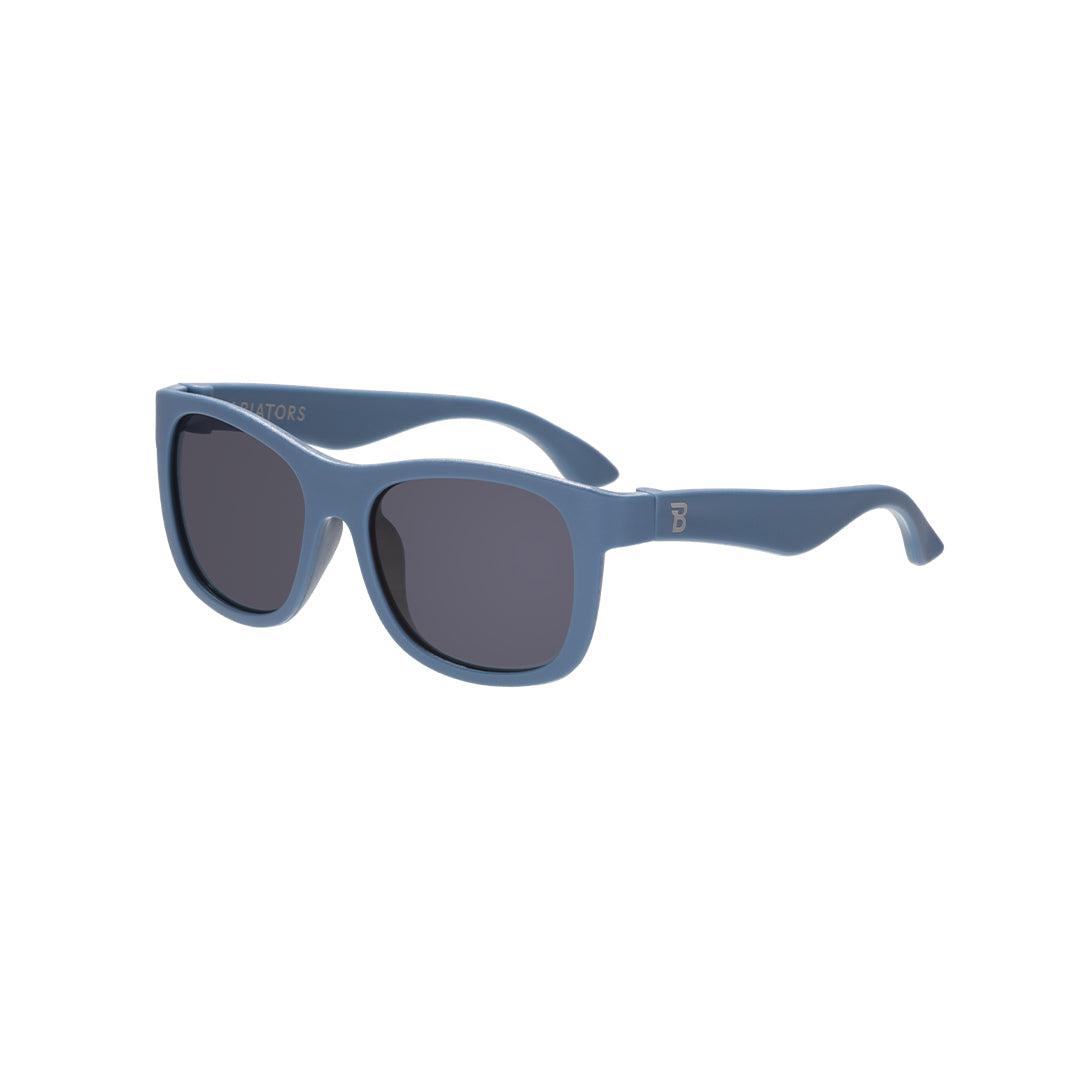
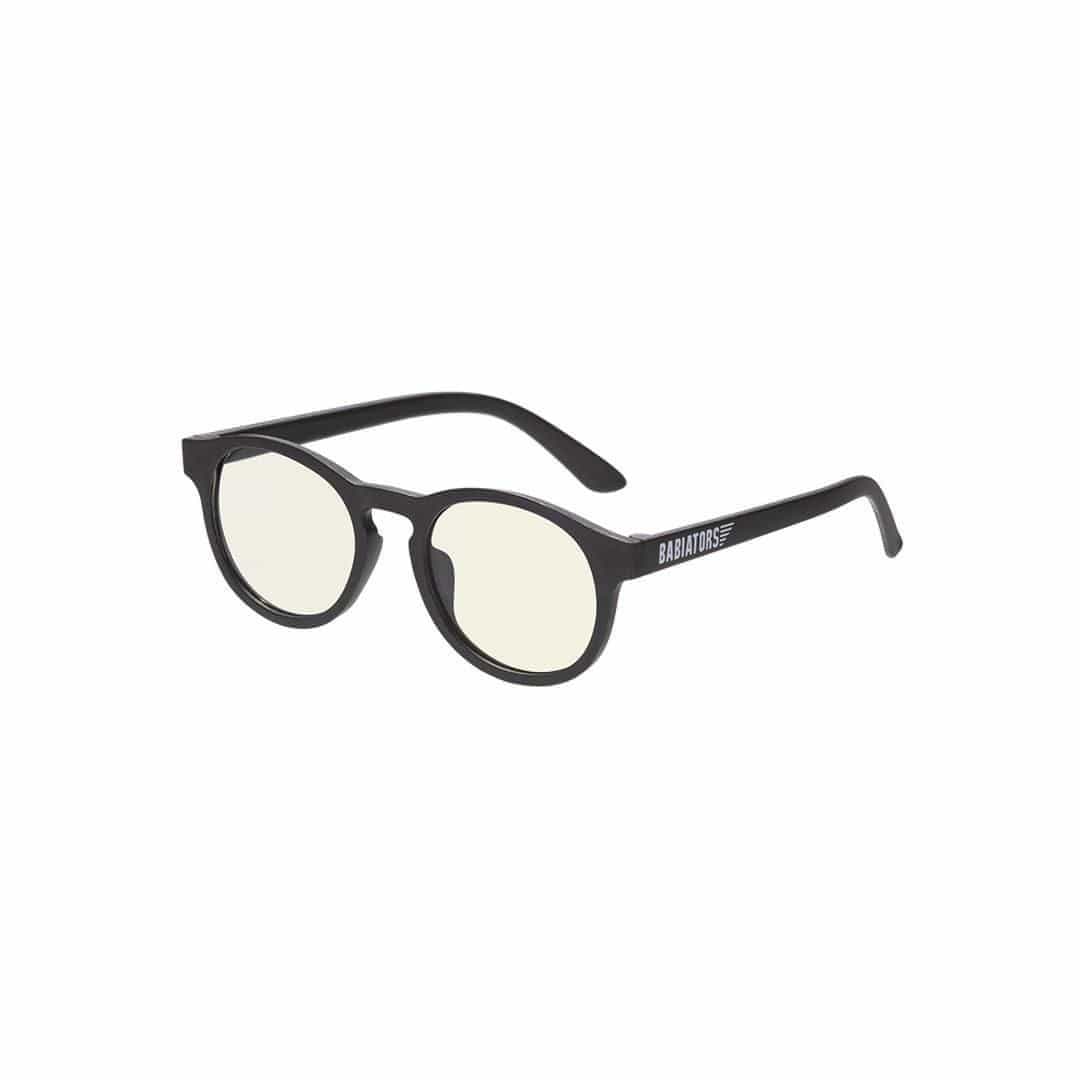


Why Eco Friendly Kids Sunglasses Matter
A pair of sunglasses that lasts one sunny weekend is not a win - not for your child, not for your wallet, and not for the planet. That is why eco friendly kids sunglasses matter more than a trendy label or a cute frame shape. Parents need shades that protect young eyes properly, survive real-life kid wear and tear, and avoid adding to the pile of short-lived plastic.
The good news is that you do not have to choose between sustainability and performance. The best children’s sunglasses now do both. They use more thoughtful materials, keep packaging lighter, and still deliver the one thing that matters most on bright days out - reliable UV protection.
What makes kids sunglasses eco friendly?
Not every pair marketed as greener is genuinely a better choice. Sometimes the difference is in the frame material. Sometimes it is the packaging. Sometimes it is simply that the sunglasses are built to last, which can be just as important as the raw materials used.
Eco friendly kids sunglasses are usually designed with one or more of these goals in mind: reducing virgin plastic use, choosing plant-based or recycled materials, cutting excess packaging, and making a product durable enough that parents are not replacing it every few weeks. For children’s products, that last point matters a lot. A flimsy pair made from a greener material is still wasteful if it snaps the first time it gets twisted in a buggy basket.
That is where a bit of balance helps. Sustainability claims sound great, but for kids, durability is part of the eco story too. The longer a pair stays in use, the fewer replacements a family needs to buy, post, and eventually throw away.
Eco friendly kids sunglasses still need serious UV protection
A sustainable frame is not enough if the lenses are not doing the hard work. Children’s eyes are still developing, and they can be more vulnerable to UV exposure than many parents realise. On bright walks, beach days, park trips, ski breaks, and even cloudy afternoons with glare, proper eye protection matters.
Look for 100% UVA and UVB protection as a non-negotiable. If that claim is missing or vague, move on. Dark lenses alone are not proof of safety. In fact, a dark lens without full UV protection can be worse than no sunglasses at all because it may cause the pupil to widen while still letting harmful rays through.
For many families, polarised lenses are worth considering too. They reduce glare bouncing off water, sand, snow, and roads, which can make outdoor time more comfortable for little eyes. Polarisation is not essential for every child, but it can be especially helpful for holidays, buggy naps on bright pavements, and long days outside.
Why durability is part of sustainability
Parents know how kids actually treat sunglasses. They get sat on, flung from the pushchair, bent during tantrums, buried in a changing bag, and dropped in car parks. If a pair cannot handle that, it is not practical - and it is not especially eco friendly either.
This is why durability deserves more attention in the sustainability conversation. A sturdier pair that lasts through nursery runs, family holidays, and garden play can have a lower real-world impact than a cheaper pair replaced over and over again. Less breakage means less waste, fewer emergency purchases, and less frustration.
It is also why flexible frames matter. For babies, toddlers, and younger children in particular, sunglasses need to cope with constant handling. A frame that bends rather than breaks has a much better chance of staying in rotation all summer.
How to choose the right pair for your child
The best pair is not just eco friendlier on paper. It also fits your child well enough that they will actually keep it on.
Start with size. Age-based sizing is helpful because babies, toddlers, and older children need very different fits. A pair that is too wide slides down, lets in more light, and gets pulled off more often. A pair that is too snug will not survive long and is unlikely to become a favourite.
Then think about frame style. Some children love bold, playful shapes. Others are happier in a simple, sporty silhouette. There is no single right answer here. The pair your child enjoys wearing is the pair that gets used, and regular use is what protects their eyes.
Lens choice comes next. If your child spends most of their time in everyday outdoor play, standard lenses with full UV protection may be enough. If you are often near water, snow, or bright open spaces, polarised lenses could be a smart upgrade.
Finally, check the practical details parents care about. Is the frame lightweight? Is it built for rough handling? Is there a straightforward replacement promise if real life wins? That reassurance can make a premium pair feel far more sensible.
Materials matter, but context matters too
It is easy to focus only on what the frames are made from, but that tells only part of the story. Recycled and plant-based materials can be a positive step, especially when they reduce dependence on virgin plastics. Minimal packaging is another plus, and so is thoughtful production.
But materials should never be viewed in isolation. If the sunglasses are uncomfortable, poorly fitted, or too delicate for children, parents will replace them sooner. That weakens the environmental benefit quickly.
A better question is this: does the whole product help families buy less often and use it for longer? That is where good design, proper lens protection, and child-proof construction all work together.
What parents often get wrong about greener sunglasses
One common mistake is assuming eco friendly means automatically safer. It does not. Safety comes from certified UV protection, a reliable fit, and quality lenses.
Another is assuming the cheapest option is the low-impact option. It rarely works out that way with children’s accessories. Cheap pairs are often treated as disposable because they behave like disposable products. Once that cycle starts, families end up buying multiple pairs in a season.
There is also a temptation to buy a pair that looks adorable but ignores how children really move. For toddlers especially, practicality usually beats perfection. Lightweight, flexible frames with easy sizing and dependable lenses tend to get worn more often than fiddly, fragile styles.
Why parents are looking for more from eco friendly kids sunglasses
Family shopping habits have changed. Parents are asking sharper questions now. They want to know what products are made from, how long they are likely to last, and whether a bigger price tag actually means fewer hassles later.
With children’s sunglasses, that shift makes sense. This is not an occasional accessory for many families. It is part of the everyday kit for nursery runs, buggy walks, beach bags, travel, and weekends outdoors. If sunglasses are going to be used again and again, they need to earn their place.
That is why brands that combine eye protection, durability, and more responsible design stand out. Babiators UK, for example, has built its approach around making children’s sunglasses that are ready for real life - with 100% UV protection, flexible construction, and an Awesome Guarantee that replaces broken pairs for free for one year. That kind of backing does not just reduce purchase risk for parents. It can also help keep a good pair in use for longer.
The best choice is the one your child will wear
This may be the most useful rule of all. The most sustainable sunglasses in the world will not help much if they live at the bottom of the changing bag.
Children are more likely to wear sunglasses that feel comfortable, fit properly, and match their personality. That could mean rounded frames for a softer look, classic aviators for older kids, or playful hearts and flowers for little ones who love dressing up. Fun matters. When children enjoy wearing their shades, sun safety becomes easier.
For parents, the sweet spot is simple: choose a pair with full UV protection, a fit matched to age, enough toughness for daily life, and a more thoughtful approach to materials and waste. If you can get all of that in one pair, you are making a stronger choice for your child and a smarter one for the long run.
Sunny days should feel easy. When your child’s sunglasses are protective, durable, and designed with a lighter footprint in mind, that is one less thing to worry about before you head out the door.
 Back to Blog

