










Toddler Sunglasses for Beach Glare: What Works
The first time your toddler reaches the sand, squints hard and turns their face into your leg, the problem is obvious: beach light is intense. Toddler sunglasses beach glare is not just a comfort issue. Sunlight bounces off pale sand, water and even paving, reaching little eyes from more than one direction. A good pair of sunglasses helps them see, play and explore with far less fuss.
For parents, the challenge is finding sunglasses that stay on, offer genuine protection and survive being dropped in the sand bucket. Here is what makes the biggest difference on a family beach day.
Why beach glare feels so strong for toddlers
At the coast, sunlight does not only come from overhead. Sand reflects a surprising amount of light, while water creates those bright, flickering flashes that make everyone screw up their eyes. Add the fact that beaches often have little natural shade, and your child can be exposed to bright conditions for much of the day.
Toddlers may not tell you that glare is bothering them. They might rub their eyes, become grumpy in the buggy, refuse to look towards the water or keep pulling a hat down over their face. These are useful cues to offer shade and sunglasses, rather than assuming they are simply tired.
Young children also rely on adults to create good sun habits. Making sunglasses part of the beach routine early can make the whole thing feel normal: shoes on, sun cream on, hat on, shades on.
What toddler sunglasses need for beach glare
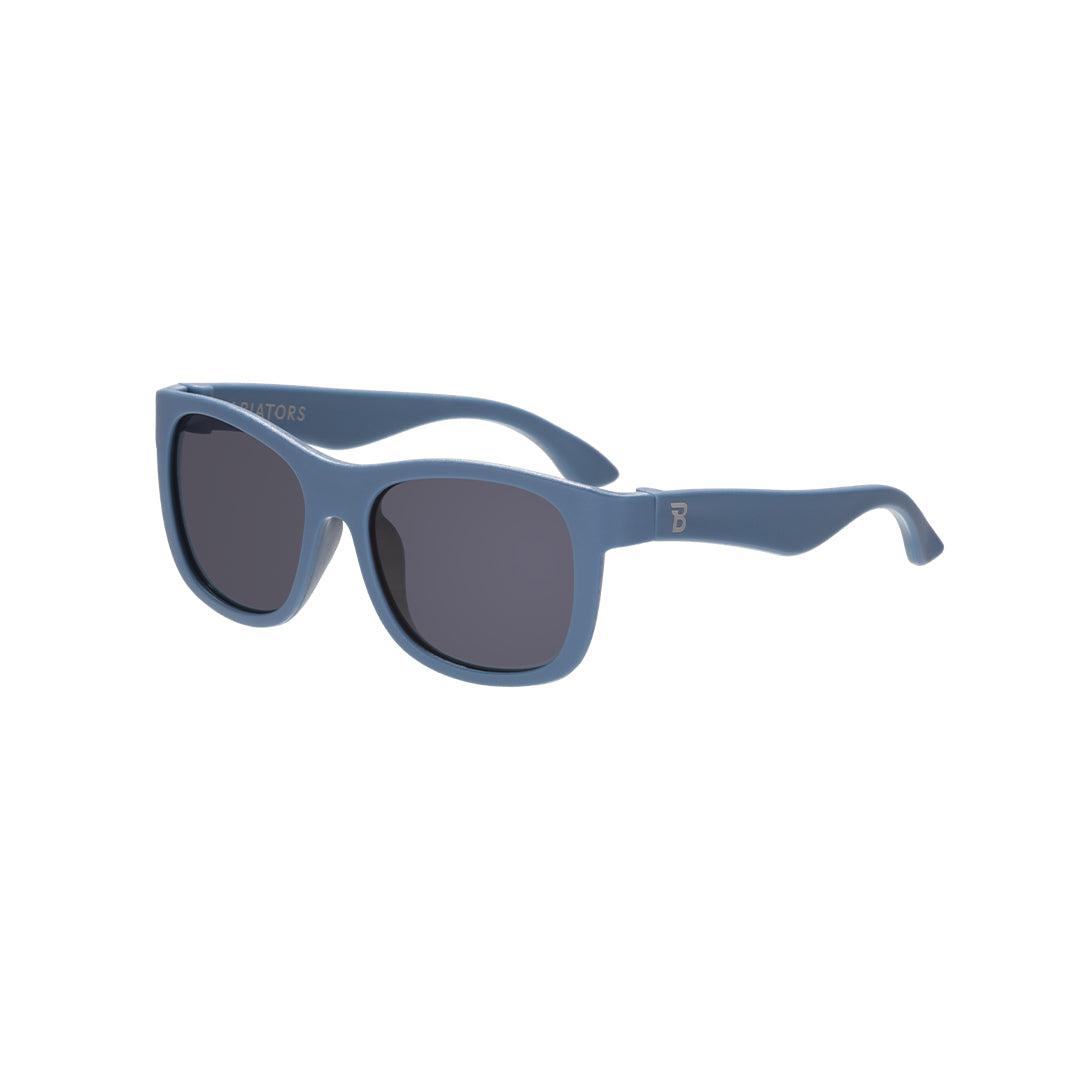
The label matters more than how dark the lenses look. Dark lenses without proper UV protection can be a poor choice because they may make the pupil open wider while failing to filter harmful rays. Look for sunglasses that clearly state 100% UV protection or UV400 protection.
Polarised lenses cut reflected glare
Polarised lenses are especially helpful around water, sand and other highly reflective surfaces. They are designed to reduce the harsh reflected light that can make a beach scene look washed out and uncomfortable. For a toddler who hates the bright shimmer off the sea, this can be a real game-changer.
Polarisation is about visual comfort and clearer viewing in glare. UV protection is the non-negotiable protection feature. Ideally, beach sunglasses provide both. If you are choosing between styles or colours, do not let lens tint distract from checking the UV claim first.
A close, comfortable fit does more than look cute
The best lenses cannot do their job properly if the frames keep slipping down your toddler's nose or coming off every time they look at a shell. A close fit helps reduce the amount of light reaching the eyes around the edges, while making it more likely your child will actually keep their sunglasses on.
Choose by age-based sizing as a starting point, then consider your child's face. Frames should sit comfortably across the nose without pinching, and the arms should feel secure without digging in behind the ears. If your toddler is between sizes or has a particularly petite face, a more snug fit is usually more useful at the beach than oversized frames they can easily flick off.
Durable frames are a beach essential
Beach days are tough on kids' gear. Sunglasses get sat on in the car, tossed into the buggy and buried in sand with the spade. Flexible, child-proof frames are worth prioritising because they are made for the real-life pulling, bending and dropping that comes with toddler territory.
That durability also gives parents more freedom. You can let your little one wear their shades independently without hovering over every wobbly step or snack-time grab. Babiators are built to be virtually indestructible and come with the Awesome Guarantee, which replaces broken sunglasses free for one year. That is one less holiday mishap to worry about.
How to get a toddler to keep sunglasses on
A brilliant pair of sunglasses is only helpful when it stays on their face. The answer is usually gentle repetition, not a battle. Put them on for short periods before the holiday, perhaps during a walk to the park or a sunny buggy ride. Familiarity makes a difference.
Let your toddler choose between two parent-approved frame colours or shapes. They may care far more about hearts, flowers or a bold pair of aviators than lens technology, and that is fine. You are still choosing the protection and fit, while they get a little ownership over the look.
Be matter-of-fact when you put them on. Try, “Hat and shades for the beach,” rather than asking whether they would like to wear them. If they remove them straight away, take a break in the shade and try again later. Forcing sunglasses on an upset child can turn a useful habit into a power struggle.
Sunglasses are one part of the beach plan
Even excellent toddler sunglasses do not make direct sun safe for unlimited time. Think of them as a key layer alongside a wide-brimmed hat, regular breaks in the shade, protective clothing and sun cream applied as directed.
The strongest sun is often around the middle of the day, when the sand and water can feel dazzling. That may be the ideal time for lunch under a parasol, a nap in a shaded buggy or a quieter indoor break. It depends on the day, the location and your child's age, but planning for shade is always smart.
Remember that cloudy beach days can still be bright. High cloud often softens the heat without removing UV exposure, and reflected glare from water and sand can remain uncomfortable. If your toddler is outdoors and squinting, reach for the shades even when the sky does not look especially sunny.
Choosing a style without compromising protection
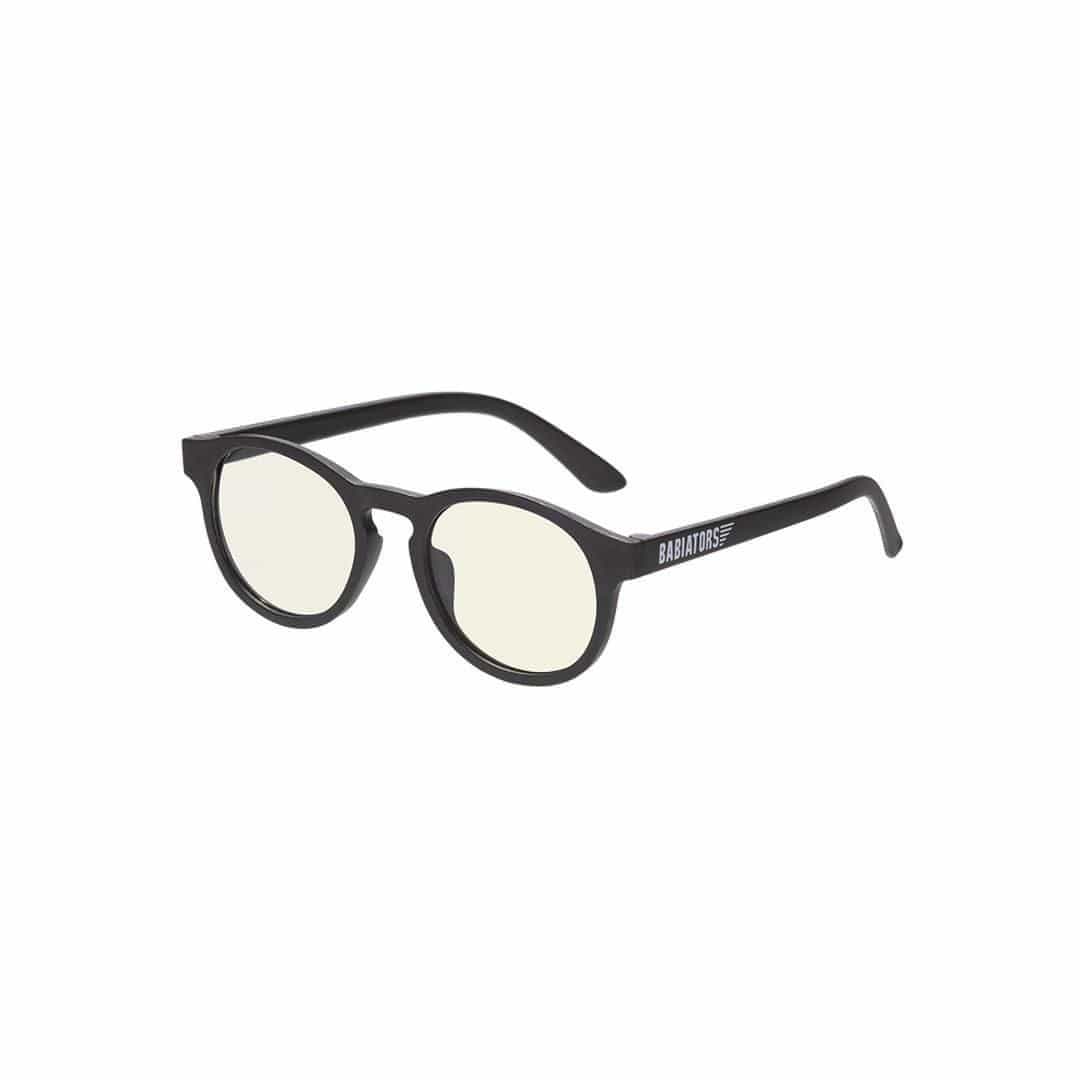
Parents often assume that wraparound styles are the only sensible option for a seaside trip. They can be a great choice, particularly for active little ones, but the right answer is the pair your child will tolerate and wear consistently. A well-fitting round, navigator, keyhole or aviator frame can work brilliantly when it offers full UV protection and stays secure.
Consider your plans, too. For a long day building sandcastles near the shoreline, polarised lenses may be the best fit. For a short trip to the promenade or an everyday pair for nursery pick-up, standard UV-protective lenses may be all you need. One dependable pair is better than a drawer full of sunglasses that never leave the house.
Keep a protective case in your beach bag and rinse off salt or sand with fresh water when you get back to your accommodation. Dry the lenses with a clean, soft cloth rather than a towel, which can drag grit across the surface. A quick check for loose-fitting frames before each outing helps avoid mid-beach meltdowns.
When to ask for extra advice
If your toddler has an existing eye condition, wears prescription glasses or seems unusually sensitive to light, speak with an optician or eye-care professional about the most suitable eyewear. This is also sensible if they regularly complain of eye pain, keep one eye closed in bright conditions or seem bothered by light even indoors.
For most families, though, the practical goal is simple: choose properly protective sunglasses, make sure they fit, and pair them with shade and a hat. The beach should feel like a place for tiny footprints, sandy knees and big discoveries, not a day spent blinking against the glare.
 Back to Blog

