










Sunglasses for a 6 Year Old: What Matters
A six-year-old doesn’t “wear sunglasses”. They lose them at the playground, sit on them in the car, swap them with a mate, then insist they’re essential for the walk to school. So if you’re buying sunglasses for a 6 year old, the job is simple to say and oddly specific to do: protect their eyes properly, keep them on their face, and pick a pair that survives real kid life.
This is the age where kids start spending longer stretches outside without you hovering inches away. They also start caring how they look. The right pair makes sun safety feel like a normal part of getting dressed, not a battle you fight every sunny day.
Why sunglasses suddenly matter more at 6
By six, children’s routines change. They’re in the playground at lunchtime, walking to clubs, out on bikes and scooters, and spending holidays running in and out of shade. That adds up to more UV exposure than most parents expect, especially in the UK where bright days can still carry high UV.
Kids’ eyes are also still developing, and their lenses can let in more UV than adult eyes. That doesn’t mean panic - it means we treat sunglasses like we treat sunscreen and helmets: everyday protection, chosen once, used often.
There’s a second reason it matters now: habit. If your child learns that sunglasses are part of “shoes, coat, water bottle”, they’re far more likely to keep wearing them as they get older and harder to influence.
The non-negotiables for sunglasses for a 6 year old
There are lots of cute frames out there. There are fewer that actually do the job.
Start with the big two: protection and fit. Everything else is a bonus.
100% UV protection (not just dark lenses)
A darker lens isn’t automatically safer. In fact, a dark lens without proper UV filtering can be worse, because it encourages the pupil to open wider while UV still gets in. Look for a clear statement of 100% UVA and UVB protection. If the description is vague, treat it as a red flag.
Polarised lenses can help with glare, which is handy near water, on the ski slope, or even on a bright school run when the road surface is reflecting light. But polarised is not a replacement for UV protection. Think of it as comfort and clarity on top of safety.
A fit that stays put through real play
At six, kids are constantly looking down (climbing frames), up (trees, slides), and sideways (friends). If the sunglasses slide down their nose, they’ll be pushed onto the head, dropped, or “accidentally” left behind.
A good fit means the frames sit comfortably on the bridge of the nose without pinching, and the arms sit snugly without digging in behind the ears. You want a close, secure feel - not tight, not wobbly. If you can gently shake your child’s head side-to-side and the frames stay aligned, you’re close.
Coverage matters too. The lens area should be large enough to shield the eyes from front-on sun, but also reduce side glare. If you can see their eyebrows and half their cheeks through gaps, the frame is probably too small or too narrow.
Durability: the hidden feature that saves your sanity
This age group doesn’t “break things” on purpose. They just live loudly. Sunglasses get twisted, thrown into a school bag, dropped onto tarmac, or used as a toy for a few seconds before you spot it.
So durability is more than a nice-to-have - it’s the difference between “we have sunglasses” and “we used to have sunglasses”. Look for flexible, kid-proof materials that can take bending and bouncing without snapping. Also think about hinges and arms, which are common failure points.
A guarantee can be part of the durability story too. If you know replacements are straightforward, you’re less likely to ration wear to “special occasions”, and more likely to make sun protection a daily habit.
Lens choices: Originals vs polarised (and when to choose)
If your child mainly needs sunglasses for the park, school runs, and general UK outdoors, a standard UV-protective lens is usually enough.
Polarised lenses are worth it when glare is the problem: beach days, boat trips, lakes, bright winter days, skiing, or anywhere light is reflecting off water, snow, or shiny surfaces. They can reduce squinting and make it easier for kids to see what they’re doing, which can help with comfort and confidence outdoors.
The trade-off is cost. If you’re buying a pair that will live in the school bag and get knocked about daily, you might choose standard lenses and replace if needed. If you’re gearing up for a holiday where they’ll wear them all day, polarised can feel like money well spent.
Choosing a frame style your child will actually wear
Six-year-olds have opinions. If they don’t love the look, the sunglasses won’t leave the house - even if you picked the most protective pair on the planet.
The trick is to let style do some of the parenting for you. A child who feels “cool” in their sunglasses is a child who remembers them.
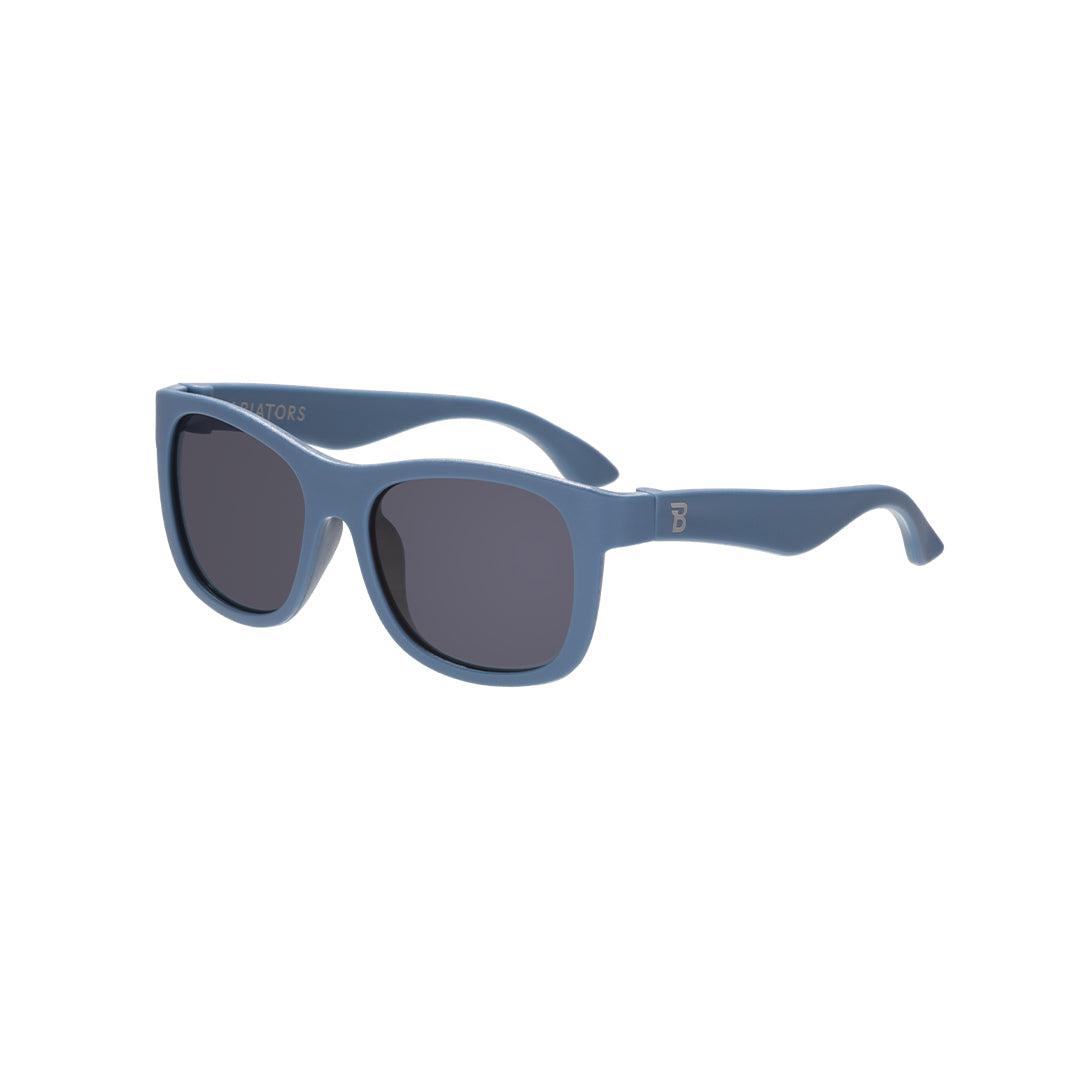
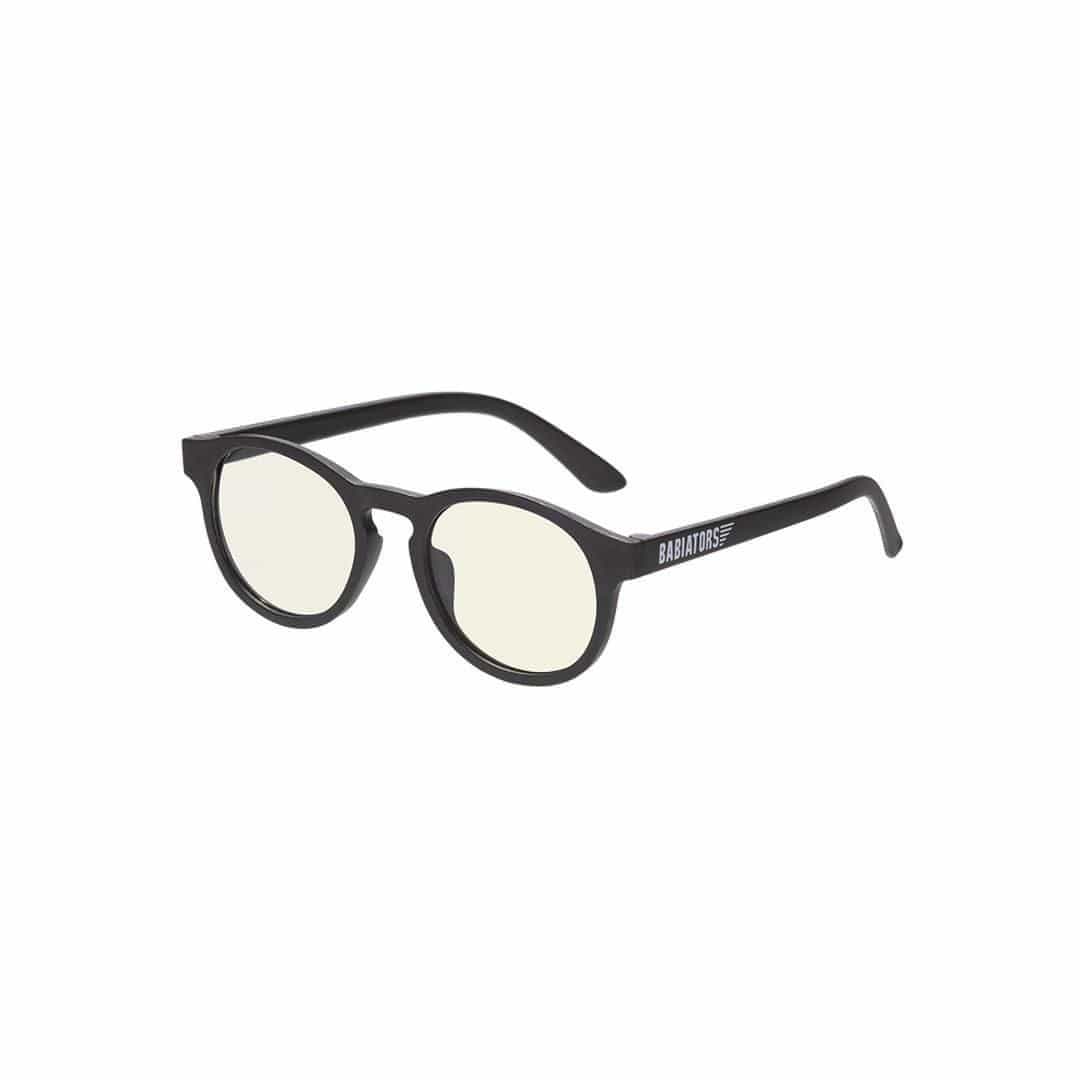
Round and keyhole styles tend to look modern and suit lots of face shapes, especially if your child is between sizes. Navigators and aviator-inspired shapes often feel a bit more “grown up”, which can be a powerful motivator at this age. Hearts and flowers are the instant win for kids who want fun first and practicality second - as long as the fit and UV protection are still right.
If you’re stuck between two styles, choose the one your child reaches for first. Compliance beats perfection.
Getting the size right when you’re buying online
Buying sunglasses online can feel like guessing. You can reduce the guesswork with two quick checks.
First, measure the width of a pair that already fits your child’s face well (even if it’s a cheap pair). Frame width is often the simplest indicator of whether a new pair will sit correctly.
Second, pay attention to age-based sizing guidance, but treat it as a starting point, not a rule. Some six-year-olds have smaller faces and will still suit a 3-5 size. Others are firmly in the 6+ category. If your child is on the cusp, prioritise comfort and coverage over the number on the label.
If your child has ever complained that sunglasses “hurt”, it’s usually pressure behind the ears or a frame that’s too narrow. If they constantly slide down, it’s often a bridge fit issue or arms that don’t grip well.
The everyday scenarios parents forget about (but your kid won’t)
Most people picture sunglasses as a beach accessory. For a six-year-old, they’re a multi-location item.
School runs and playground time are the big ones. Add weekend football, cycling, nature walks, and those deceptively bright spring days when the sun sits low and right in their eyes.
Then there’s travel. Car journeys can be brutal on little eyes because sunlight flickers through trees and reflects off dashboards and roads. If your child is squinting in the back seat, sunglasses can make the whole journey calmer.
And don’t forget winter. UV still matters in colder months, and low sun can be more irritating than a summer overhead glare. If you only own “summer sunglasses”, you’ll end up buying twice.
A note on safety and comfort
For day-to-day wear, comfort is safety. If the frames pinch, rub, or give your child a headache, they’ll ditch them. If the lenses distort their vision or make colours look odd, they’ll complain or take them off while running around.
Keep an eye on fit as they grow. At six, a growth spurt can turn a great fit into a squinting, sliding mess surprisingly quickly.
Also, teach one simple rule: sunglasses are for faces, not mouths. It sounds obvious, but kids absent-mindedly chew arm tips or hold frames between teeth when climbing or carrying things. That’s when they get damaged and that’s when germs spread fast.
Where Babiators UK fits in
If you want a parent-proof shortcut, Babiators UK organises kids’ sunglasses by age sizing (including 6+), frame styles, and lens options like polarised, and backs them with 100% UV protection plus an Awesome Guarantee that replaces broken sunglasses free for one year. It’s the sort of set-up that makes online buying feel less like a gamble and more like ticking the right boxes.
The decision that makes everything easier
When you’re choosing sunglasses for a 6 year old, the win isn’t finding a “perfect” pair. It’s finding a pair your child likes enough to wear without being chased, that fits well enough to stay on, and that protects well enough that you don’t have to think about it again every time the sun shows up.
Pick the pair that will live by the front door, go in the school bag, and end up in every holiday photo - because the sunglasses that get worn are the ones that actually do the protecting.
 Back to Blog

