










Kids Sunglasses vs Blue Light Glasses Explained
A sunny pushchair walk, a beach holiday and a cartoon before tea might all involve light, but they do not create the same eye-care job. That is the key to kids sunglasses vs blue light glasses: one is designed to protect little eyes from the sun’s UV rays outdoors, while the other is marketed for use around screens. They are not interchangeable, and for most families, sunglasses are the everyday essential.
Children’s eyes are still developing, and their larger pupils and clearer lenses can allow more UV to reach inside the eye than in adults. That is why sun protection is not just a grown-up concern. The right pair of kids’ sunglasses makes bright outdoor adventures safer, more comfortable and far more likely to stay fun.
Kids sunglasses vs blue light glasses: the big difference
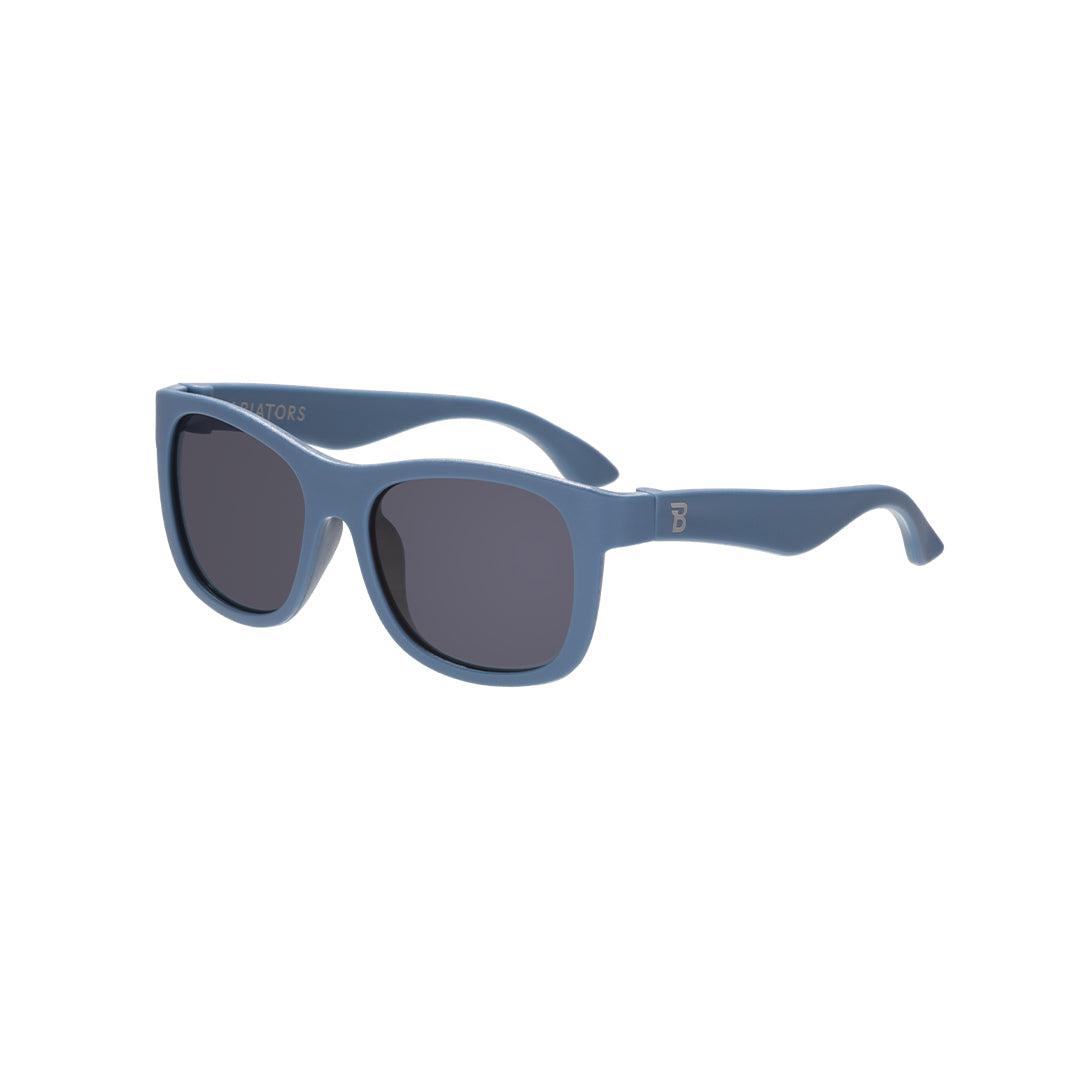
Kids’ sunglasses are made for sunlight. A quality pair should provide 100% UV protection, blocking UVA and UVB rays that are present even when the sky is cloudy. Tinted lenses reduce visible brightness too, helping children see more comfortably on sunny days. Polarised lenses add another useful benefit by cutting glare reflected from surfaces such as water, sand, snow and wet pavements.
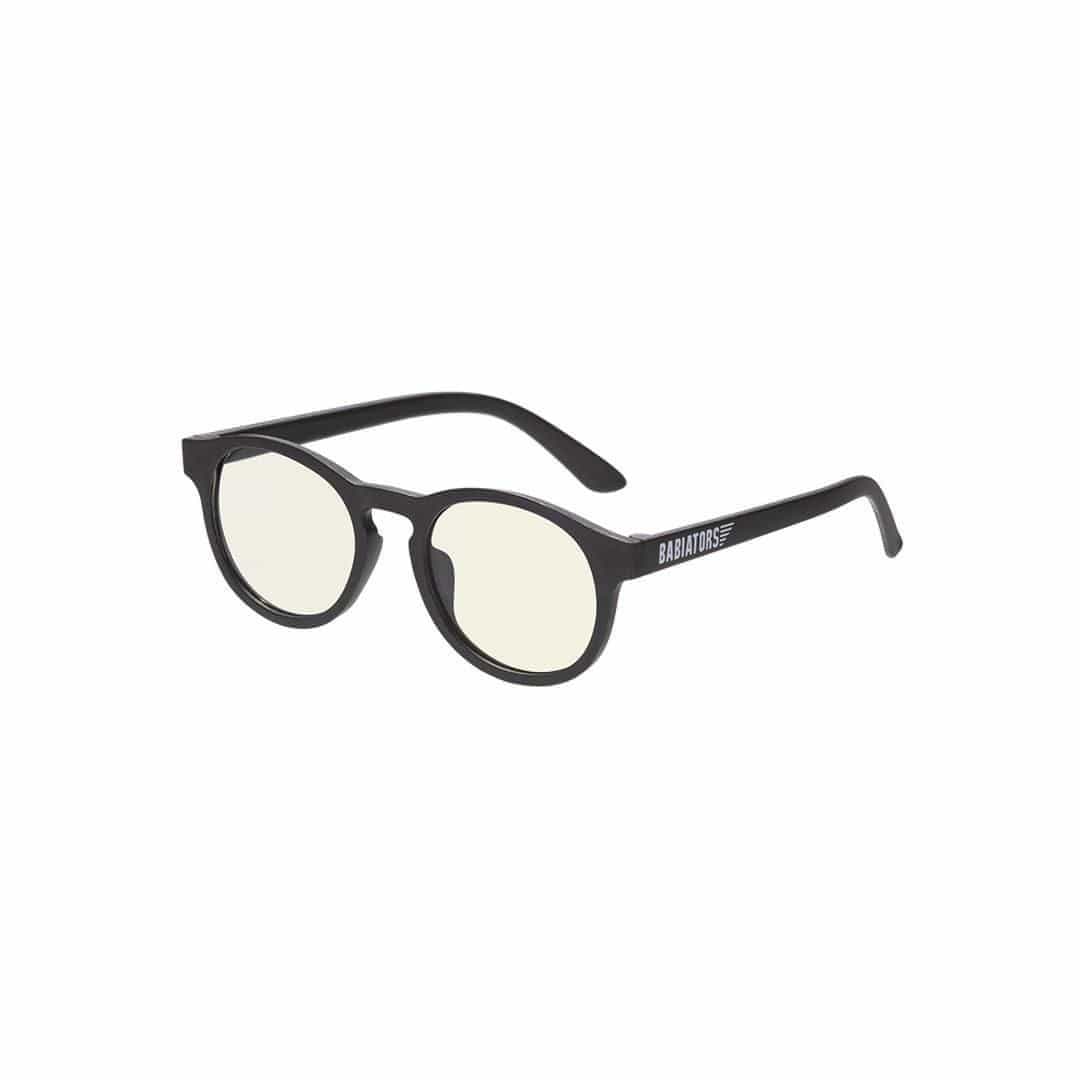
Blue light glasses are a different category. They usually have clear or lightly tinted lenses designed to filter a portion of blue light from digital screens and artificial lighting. They do not replace UV-protective sunglasses for outdoor play, and a clear pair should never be assumed to offer sun protection unless it is specifically labelled as providing it.
Think of it like packing for a family trip. Wellies and sandals both go on feet, but they solve different problems. Sunglasses belong in the changing bag for the park, the school run, the garden and holidays. Blue light glasses, if you choose them, are a separate screen-time consideration.
What kids’ sunglasses protect against
UV radiation is invisible. A dark lens alone does not prove that a pair of sunglasses is protective. In fact, dark lenses without proper UV filtering can be a poor choice because they may cause pupils to widen while UV still reaches the eye.
Look for a clear claim of 100% UV protection or UV400 protection. This is the non-negotiable feature, whether your child prefers classic Aviators, cheerful Hearts or a bright, bold pair they insist on wearing indoors too.
Sunglasses are especially useful when children are outside for longer periods or around highly reflective surfaces. On a beach, by a lake, on snowy slopes or during a sunny buggy nap, reflected light can make the day feel much brighter. Polarised lenses can be a brilliant option for these glare-heavy moments, although standard 100% UV-protective lenses still provide essential UV protection.
A few practical habits make a real difference. Pop sunglasses on before you head outside rather than waiting for your child to squint. Use a sun hat with a brim for extra shade, and remember that UV exposure happens on overcast days as well as sunny ones. Sun safety is a routine, not a weather forecast.
Do children need blue light glasses for screens?
This is where parents deserve a calm, straight answer. Blue light glasses are not usually the first or most effective step for protecting a child’s eyes during everyday screen use. Evidence does not show that blue light filtering glasses prevent eye damage from typical screen time, and they are not a cure for tired eyes, headaches or sleep struggles.
Screens can still cause discomfort, particularly when children stare closely for long periods, blink less or use a device in a dark room. But the usual causes are more about how a screen is used than blue light alone. A child who rubs their eyes after an hour of gaming may need a break, a drink, better room lighting or a screen positioned farther away.
For bedtime, the timing of screens matters more than a pair of special glasses. Bright, stimulating content close to sleep can make it harder for children to wind down. A predictable screen-free period before bed is generally a more useful family rule than relying on filtered lenses.
There can be situations where a child finds blue light glasses comfortable, or where an optician recommends lenses for a particular need. If your child has recurring headaches, persistent eye strain, squinting, trouble focusing or complaints about blurred vision, book an eye examination rather than trying to solve it with an off-the-shelf pair of blue light glasses.
Which pair does your child actually need?
For most babies, toddlers and children, the answer starts with sunglasses. If they spend time outdoors, they need properly fitted frames with 100% UV protection. This includes winter days, not only summer holidays. Low winter sun can be dazzling, and snow reflects a surprising amount of light.
Blue light glasses are optional. They may suit a family that wants an extra screen-time tool for an older child, but they should sit alongside sensible device habits, not replace them. They also do not make unlimited screen time harmless, and they are not a reason to skip outdoor eye protection.
If you are choosing between the two for a younger child, put your budget into sun-safe sunglasses first. A toddler is much more likely to need protection during buggy walks, nursery drop-offs and garden play than a dedicated pair for a tablet.
Fit matters as much as the lens
The best protection only works when sunglasses stay on. Kids are not known for treating accessories gently, so a pair needs to handle drops, bends and being discovered at the bottom of a sand-filled bag.
Start with age-appropriate sizing. Frames that are too wide may slide down and let light in from above, while frames that pinch behind the ears are likely to be pulled off within minutes. The lenses should cover the eyes well without resting on cheeks, and the arms should feel secure without leaving uncomfortable pressure marks.
Durability matters too. Flexible, child-proof frames give parents fewer worries and children more freedom to play. Babiators are made for this real-life kind of wear, with virtually indestructible frames and an Awesome Guarantee that replaces broken sunglasses free for one year. It is one less drama in a day already full of them.
Style has a part to play as well. A child who loves their frames is more likely to wear them. Letting them choose between a favourite colour or shape can turn sunglasses from something they tolerate into something they proudly reach for.
A quick check before you buy
When comparing children’s eyewear, focus on the job the glasses need to do. For sunglasses, check for 100% UV protection first, then choose the lens type, frame fit and style. Consider polarised lenses if your family spends lots of time near water, snow or bright open spaces.
For blue light glasses, be realistic about the benefit. Check that the frame fits comfortably and, if prescription lenses are involved, follow guidance from an optician. Most importantly, keep regular screen breaks, encourage outdoor play and avoid close-up screen sessions right before bed.
One final reminder for sunny days: sunglasses are not just a holiday accessory. A well-fitting, UV-protective pair belongs by the front door, ready for every little adventure. Raise your sun safety early, and it can become a habit your child carries with them for years.
 Back to Blog

