








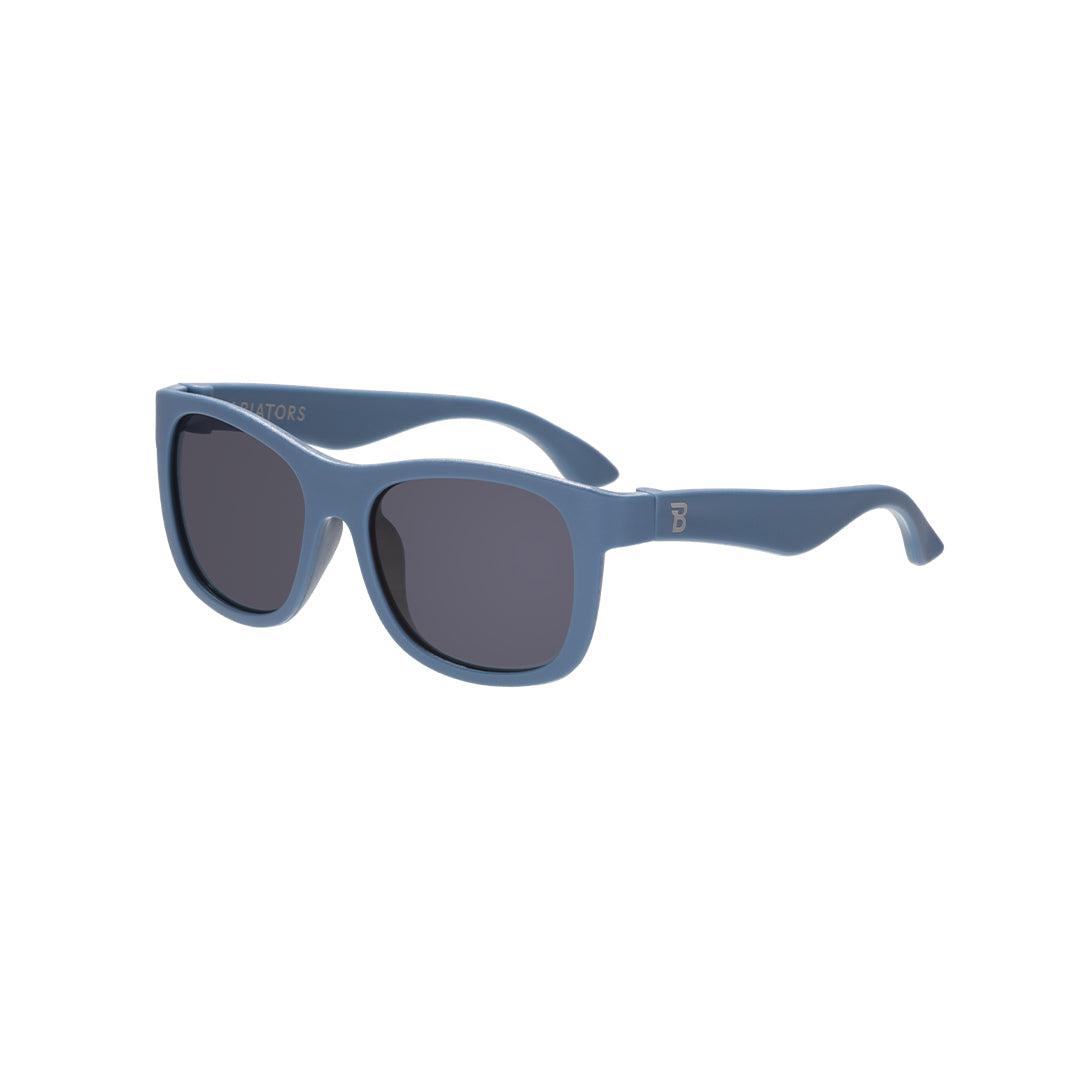
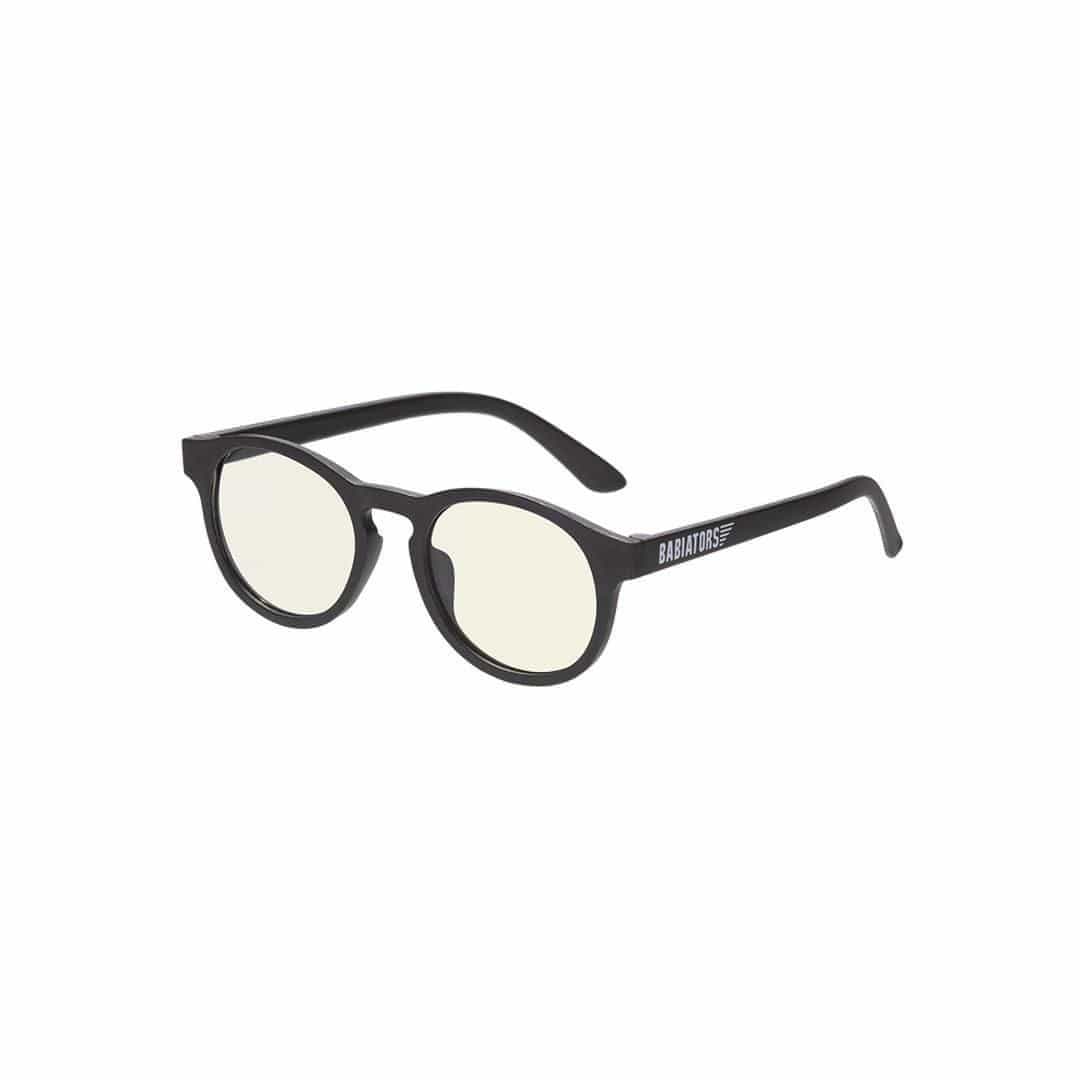


Kids Sunglasses for Sensitive Eyes Guide
Squinting in the buggy, rubbing their eyes at the park, refusing to keep sunglasses on for more than thirty seconds - some children are simply more sensitive to bright light than others. That is exactly why choosing the right kids sunglasses for sensitive eyes matters. It is not just about making them look cute on holiday. It is about helping them feel comfortable, protected and happy outdoors.
If your child seems bothered by sunshine more than other children, you are not imagining it. Sensitive eyes can show up as blinking, watery eyes, frequent rubbing, complaints that the sun is too bright, or a meltdown that arrives faster in strong midday light. The right sunglasses can make a real difference, but only if they do the job properly.
What sensitive eyes actually need
When parents shop for sunglasses, it is easy to get distracted by style first. For children with sensitive eyes, protection and comfort have to lead. A dark lens on its own is not enough. The real priority is 100% UVA and UVB protection, because harmful rays can still reach the eyes even when lenses look dark.
That detail matters more than many people realise. If a lens is dark but does not block UV, the pupil can widen behind it and let in even more harmful light. For sensitive eyes, that can mean more discomfort rather than less. Good sunglasses should reduce glare, shield against UV and sit comfortably enough that your child will actually wear them.
There is also a practical side. Children are rough on their things. Frames get dropped from prams, twisted in car seats and sat on during snack time. If sunglasses break easily, they do not protect for long. Durable frames are not just convenient for parents - they are part of making sun safety realistic every day.
How to choose kids sunglasses for sensitive eyes
The best pair usually gets a few basics right at once. First is full UV protection. Second is a fit that stays in place without pinching. Third is lens comfort in bright conditions.
For many families, polarised lenses are worth a look. They help cut glare bouncing off water, pavements, sand and even snow. If your child struggles on bright beach days, during buggy walks or around reflective surfaces, polarised sunglasses can feel noticeably more comfortable. They are not essential for every child in every setting, but they can be especially helpful for children who screw their eyes up the moment the sun comes out.
Fit is where many sunglasses go wrong. If a pair slides down the nose, presses behind the ears or feels heavy, your child will pull them off. Sensitive eyes often go hand in hand with sensory preferences too, so small discomforts can become a big issue quickly. Lightweight frames, soft-touch materials and age-appropriate sizing make a huge difference.
Coverage matters as well. A lens that is too small leaves more room for sunlight to creep in around the edges. For babies and younger children, sunglasses that sit close to the face without feeling tight tend to work best. You want protection that feels easy, not a daily fight.
Signs a pair is not right for your child
Sometimes parents assume any resistance means their child just hates sunglasses. That is not always true. Quite often, the pair itself is the problem.
If your child keeps taking them off, look closely at what happens just before. Are the frames slipping? Do red marks appear on the nose or temples? Are they still squinting heavily even with the sunglasses on? Those clues matter. A poor fit or low-quality lens can leave a child just as bothered by bright light, only now with the added irritation of something uncomfortable on their face.
Watch how they respond over a few outings. A good pair should make outdoor time easier. You should see less squinting, less rubbing and fewer complaints about brightness. The goal is not to force sunglasses onto a child. The goal is to find a pair that helps them feel better.
Lens choices for different days out
Not every sunny day is the same, and that is where a bit of parent judgement comes in. For everyday use - walking to nursery, playing in the garden, trips to the playground - a well-made pair with 100% UV protection may be all your child needs.
For brighter environments, lens choice becomes more important. On the beach, near water, on ski trips or during summer holidays with long days outside, glare is stronger and more tiring for sensitive eyes. Polarised lenses can be a smart step up here because they reduce harsh reflected light, not just brightness overall.
Lens tint can help with comfort too, but it should never be the main thing you shop by. Some children seem happier in one tint than another, yet the non-negotiable feature is still proper UV protection. Think of tint as comfort preference and UV blocking as the safety standard.
Why durability belongs in the conversation
Parents of young children do not need delicate accessories. They need products that survive real life. If you are replacing sunglasses every few weeks because they snap, bend out of shape or scratch immediately, you are not getting consistent protection.
That is one reason durable kids eyewear stands out. Flexible, child-proof frames take some pressure off daily life. They can handle being dropped, thrown into changing bags and bent by curious little hands. For families trying to build good sun habits, durability makes those habits easier to stick to.
It also changes the buying decision emotionally. Many parents hesitate to spend more on children’s sunglasses because they assume they will not last. A strong replacement promise can remove that worry. Babiators, for example, backs many pairs with its Awesome Guarantee, which replaces broken sunglasses free for one year. For parents who are tired of flimsy pairs, that kind of reassurance matters.
Getting the fit right by age
Children’s faces change quickly, so age-based sizing is more useful than many people expect. A pair made for a toddler will not sit properly on a baby, and a pair made for an older child may slide all over a preschooler’s face.
For babies aged 0 to 2, soft, lightweight frames are usually best. At this age, comfort is everything. If sunglasses feel awkward, they are off in seconds. A gentle fit around the nose and ears helps make wear time longer and less stressful.
For ages 3 to 5, children become more active and opinionated. They run, climb, throw, and often care very much about the style. This is where a secure fit and durable frame are just as important as a fun shape or colour. If they love how they look, they are far more likely to keep them on.
For children aged 6 and up, lens performance can become even more noticeable because they spend longer outside and do more varied activities. Whether they are cycling, travelling or heading on a bright winter holiday, comfort in changing light conditions matters.
Style still matters, and that is a good thing
It can feel frivolous to talk about shape and colour when eye health is the real issue, but style plays a practical role. Children wear what they like. If a pair feels fun, grown-up or matches their favourite outfit, half the battle is won.
That does not mean choosing style over safety. It means using style to support safety. Hearts, flowers, aviators, keyholes or classic rounds can all work beautifully if the protection is there, the fit is right and the frames are built for children rather than mini adults.
For sensitive eyes, the ideal pair is one your child reaches for happily because it feels good and looks good. Sun protection works best when it becomes normal.
A few smart habits beyond sunglasses
Even the best sunglasses are one part of the picture. If your child has sensitive eyes, try pairing sunglasses with a wide-brimmed hat on especially bright days. Seek shade during peak sun hours when you can, and remember that glare can still be strong on cloudy days, near water and in winter.
If your child’s light sensitivity seems severe, happens indoors too, or comes with pain, headaches or persistent redness, it is worth speaking to an optician or GP. Sometimes it is just sun sensitivity. Sometimes it needs a closer look.
For most families, though, the biggest win is simple: choose sunglasses with 100% UV protection, a comfortable fit, and enough durability to keep up with childhood. When that combination clicks, outdoor time feels easier for everyone. And when your child stops rubbing their eyes and starts getting on with the fun, you will know you have found the right pair.
 Back to Blog

