








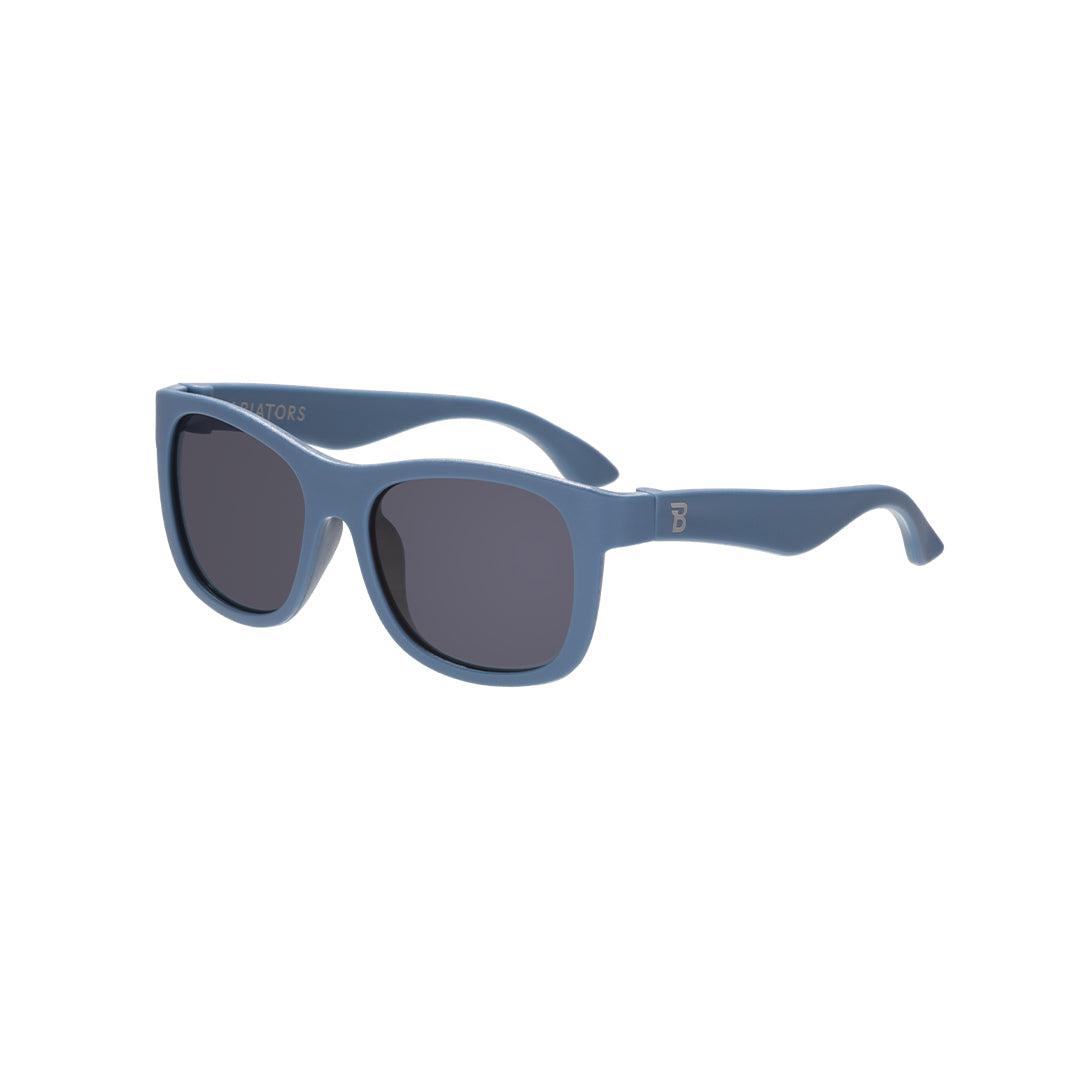
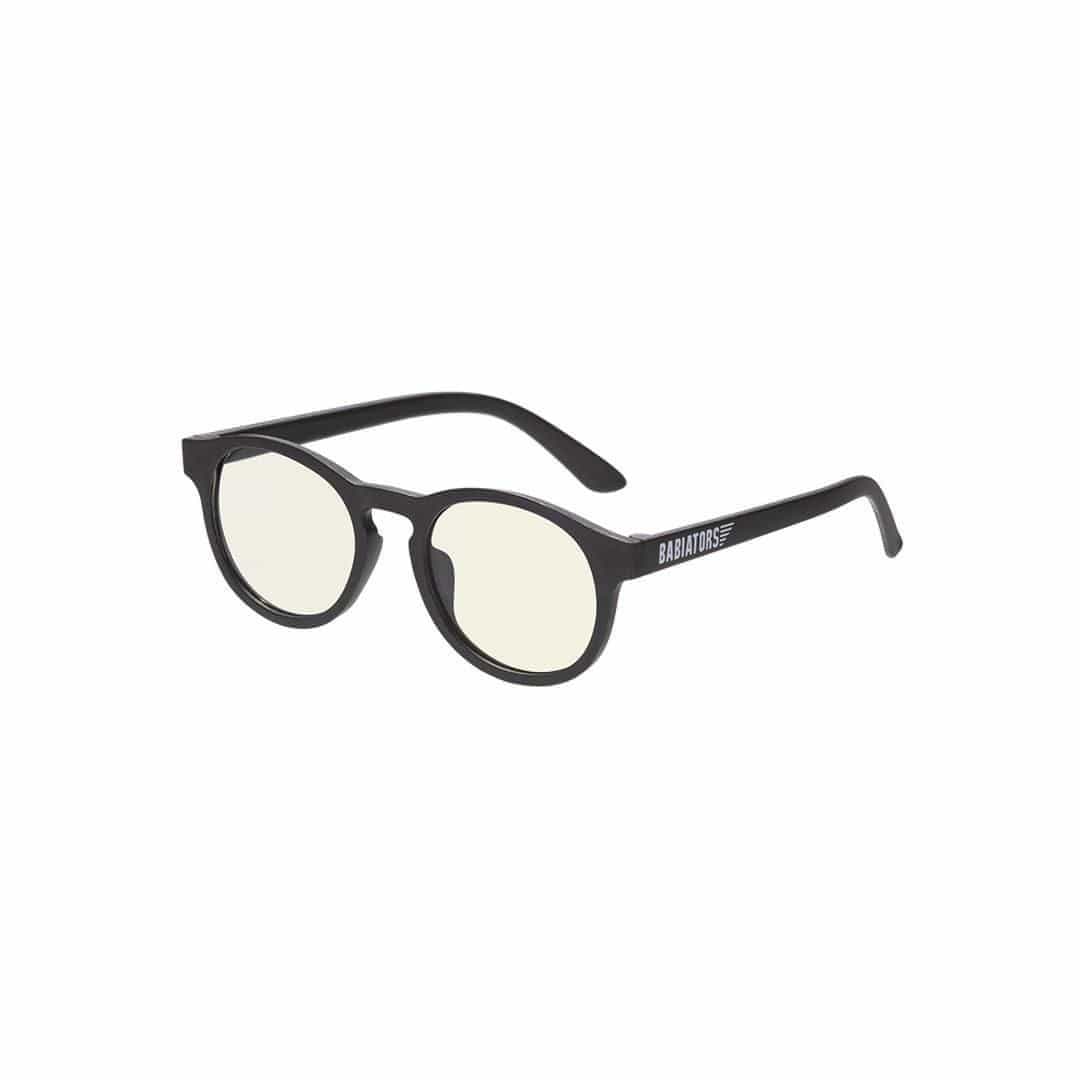


Flower Sunglasses for Girls That Parents Trust
A flower on her sunglasses can turn the walk to nursery, a seaside day out or the school run into a small style moment. But flower sunglasses for girls should do more than look sweet in photos. The right pair needs to protect growing eyes, stay comfortable through big adventures and survive the inevitable drop on the pavement.
For parents, that means looking beyond the petals. Frame fit, proper UV protection and durability are what make children’s sunglasses worth wearing - and worth keeping on.
Why girls need sunglasses that do more than look cute
Children’s eyes are still developing, and they can be more vulnerable to UV exposure than adult eyes. Bright sunshine is not limited to the hottest days of summer, either. UV rays can be present on cloudy days, while water, sand, snow and pale pavements can bounce light back towards little eyes.
That is why a flower frame is only the beginning. Look for sunglasses with 100% UV protection, so your child has dependable coverage during garden play, family holidays, park days and buggy naps. A dark lens without proper UV protection is not enough. It may make things feel less bright while failing to provide the protection their eyes need.
The best children’s sunglasses make sun safety feel easy. When the frames are fun, comfortable and built for real life, children are far more likely to reach for them themselves.
Choosing flower sunglasses for girls by age and fit
A great fit helps sunglasses stay where they belong: on her face, rather than in the bottom of the changing bag. Age-based sizing is a useful starting point because children’s faces change quickly in their first years. A frame that is too wide can slide down a little nose; one that is too narrow may pinch at the temples or leave marks after a short wear.
For babies and younger toddlers, choose a lightweight frame sized specifically for the smallest faces. Their sunglasses should sit securely without pressing into cheeks, and the arms should not feel tight around the ears. At this stage, parents are usually putting sunglasses on and taking them off, so flexible frames can make every outing less of a wrestling match.
For children aged three to five, comfort still matters, but personality starts to matter more too. This is the age when a cheerful flower shape can become the pair they insist on wearing. Check that the frame sits level across the face, with the lenses covering the eye area well. If she is constantly peering over the top, pushing them up or pulling them off, try a different size.
For children aged six and over, a slightly roomier frame may be the better choice. They will often wear their sunglasses for longer, whether they are cycling, playing in the playground or heading off on holiday. Letting them choose a colour they love can help, but keep fit and UV protection as the deciding factors.
A quick at-home fit check
Once the sunglasses are on, look for three simple signs. The frame should sit comfortably on the bridge of the nose, the arms should rest gently without squeezing, and the lenses should stay in place when she looks down. A little movement is normal. Repeated slipping is not.
It is also worth checking the fit after a few minutes of active play. Children do not sit still for long, and sunglasses that feel fine indoors can shift once the running, climbing and cartwheeling begin.
Pick durability for the way children actually play
Tiny hands can be surprisingly tough on sunglasses. Frames get bent in excitement, dropped from prams, sat on at the beach and buried in the sand. Flimsy sunglasses might seem fine at first, but replacing them every few weeks is neither practical nor fun.
Flexible, child-proof frames are a smarter choice for everyday wear. They should be able to handle bending and bouncing without becoming uncomfortable or losing their shape. That durability is especially useful for younger children who are still learning how to look after their things - which, realistically, is most children on most days.
There is a trade-off to consider. Very lightweight frames can feel wonderfully easy to wear, while sturdier designs may offer more reassurance for highly active play. The sweet spot is a pair that feels light on little ears but can cope with the chaos of family life.
Babiators designs are made for that reality, with virtually indestructible frames and an Awesome Guarantee that replaces broken sunglasses free for one year. It is a simple promise with real parent appeal: sun protection should not become another fragile thing to worry about.
Lens choices: what parents should look for
The first non-negotiable is 100% UV protection. It is the clearest way to know your child’s sunglasses are working hard while they play. After that, lens choice depends on where and how often they will wear them.
Standard lenses are a great everyday option for walks, playground time and ordinary sunny days. They offer the essential protection little eyes need without overcomplicating the choice.
Polarised lenses can be particularly helpful around strong reflected glare. Think beach holidays, boating, ski trips, sunny days near water or long car journeys when the light is bouncing off the road. They can reduce glare and make outdoor views more comfortable. For families who spend lots of time in these conditions, polarised flower sunglasses for girls can be a useful upgrade.
Lens colour is mostly about comfort and style, but it should never distract from the essentials. Choose a pair your child is happy to wear, then make sure the UV claim is clear and trustworthy.
Make sunglasses part of the getting-ready routine
The easiest way to encourage good sun habits is to make sunglasses feel normal. Put them on alongside sun cream and a hat before heading out. Keep them by the front door, in the nursery bag or in the car so they are ready when the clouds part unexpectedly.
Children copy what they see. If grown-ups wear sunglasses in bright conditions, little ones are more likely to see them as everyday outdoor kit rather than an annoying extra. You can also give her a small choice: would she like her flower sunglasses or her sun hat first? A little ownership goes a long way.
Remember that sunglasses are one part of a bigger sun-safety picture. Shade, hats, protective clothing and regular sun cream are still useful, especially around midday. On very bright days, a brimmed hat can also reduce light reaching the sides and top of the frames.
When to replace a child’s sunglasses
Even tough sunglasses deserve a quick check now and then. Replace them if the lenses are deeply scratched, the frame no longer sits straight, the arms have become loose or damaged, or your child has outgrown the fit. Scratches can make vision less comfortable, particularly in bright conditions.
Do not assume a pair is still suitable simply because it has not broken. A growing child may need a new size before their old sunglasses look worn out. If the frames are leaving marks, slipping often or covering too little of the eye area, moving up a size can make all the difference.
A protective case can help sunglasses last longer between adventures, though it is fair to say many children will not use one every time. The best approach is to choose a durable pair from the start, then keep a simple case handy for bags and holidays.
Let the flowers do their job
Flower frames bring the fun, but their real superpower is making eye protection something children want to wear. Choose a comfortable fit, clear 100% UV protection and frames ready for a little rough-and-tumble. Then let her pick up her sunglasses, step into the sunshine and get on with the important business of being a kid.
 Back to Blog

