










Baby Sunglasses vs Toddler Sunglasses: Fit Guide
A pair that slips down a tiny nose will not stay on for long, no matter how cute the colour. When comparing baby sunglasses vs toddler sunglasses, the biggest difference is usually fit - not whether one child needs less sun protection than the other. From bright buggy walks to big beach days, children of every age need reliable protection from UV rays.
The right pair should feel easy for you and barely noticeable for them: lightweight on little ears, secure during wriggles and ready for the inevitable bend, drop or grab. Here is how to choose sunglasses that keep pace as your child grows.
Baby sunglasses vs toddler sunglasses: the key difference
Baby and toddler sunglasses should both offer 100% UV protection. Young eyes are still developing, and a dark lens without proper UV protection is not enough. The lens may make a child’s pupils open wider while failing to block harmful rays, which is exactly what you do not want.
What changes between baby and toddler styles is the shape and scale of the frame. Babies have smaller heads, lower nose bridges and softer facial features. They also spend much of their outdoor time in a pram, carrier or pushchair, where they may lean, sleep and pull at their frames. Baby sunglasses are designed around that smaller fit and should be especially light, flexible and comfortable.
Toddlers are a different kind of challenge. Once your little one is walking, climbing and charging towards every puddle in the park, their sunglasses need to stay put through more active play. They may have grown enough for a wider frame, but durability matters just as much as the measurements. Toddler sunglasses need to handle independent little hands and everyday adventures without becoming another fragile thing to protect.
Start with your child’s age, then check the fit
Age-based sizing takes the guesswork out of buying children’s sunglasses online. As a useful starting point, a 0-2 size is made for babies and younger toddlers, while a 3-5 size generally suits toddlers and pre-schoolers. Children grow differently, though, so age is a guide rather than a rule.
A well-fitting frame sits comfortably across the bridge of the nose without pinching. The temples should rest gently around the ears, not press into them, and the frame should not slide forward when your child looks down. The lenses should cover the eye area well, without resting on cheeks or sitting so wide that the glasses wobble.
If your child is near the top end of an age range, consider their head width and current glasses fit. A snug fit can be useful for a baby who spends time reclining in a pushchair. A child with a broader face, meanwhile, may be more comfortable moving into the next size sooner. Comfort is your best clue: sunglasses that feel good are sunglasses your child is more likely to wear.
Signs the frame is too small
Look for red marks at the temples, lenses that sit too close to the eyes, or arms that flare noticeably away from the face. If your child removes their sunglasses straight away, discomfort may be the reason.
Signs it is too large
A frame that repeatedly slips down the nose, twists to one side or falls off during gentle movement is likely too big. It can be tempting to size up for longer wear, but oversized sunglasses rarely offer a better experience. A secure pair worn now beats a loose pair saved for later.
What baby sunglasses need most
For babies, simplicity wins. Choose a soft, lightweight frame that can cope with bending and accidental squashing in the changing bag. Babies do not understand the value of sunglasses yet, so their first instinct may be to grab, chew or throw them. That is normal child behaviour, not a reason to skip eye protection.
Prioritise full UV coverage, a close and comfortable fit, and materials designed to flex rather than snap. Rounded shapes can work brilliantly on smaller faces because they give generous coverage while keeping the frame balanced and easy to wear.
Do not rely on a pram canopy alone. Shade is a smart extra layer, especially around midday, but reflected sunlight can still reach little eyes from pavement, water, sand and snow. Sunglasses, a hat and shade work best together when you are outside for longer periods.
What toddler sunglasses need most
Toddler life is hands-on. Your child may now want to choose their own accessories, put their glasses on independently and wear them while running at full speed. That makes durable frames and an inviting style especially useful.
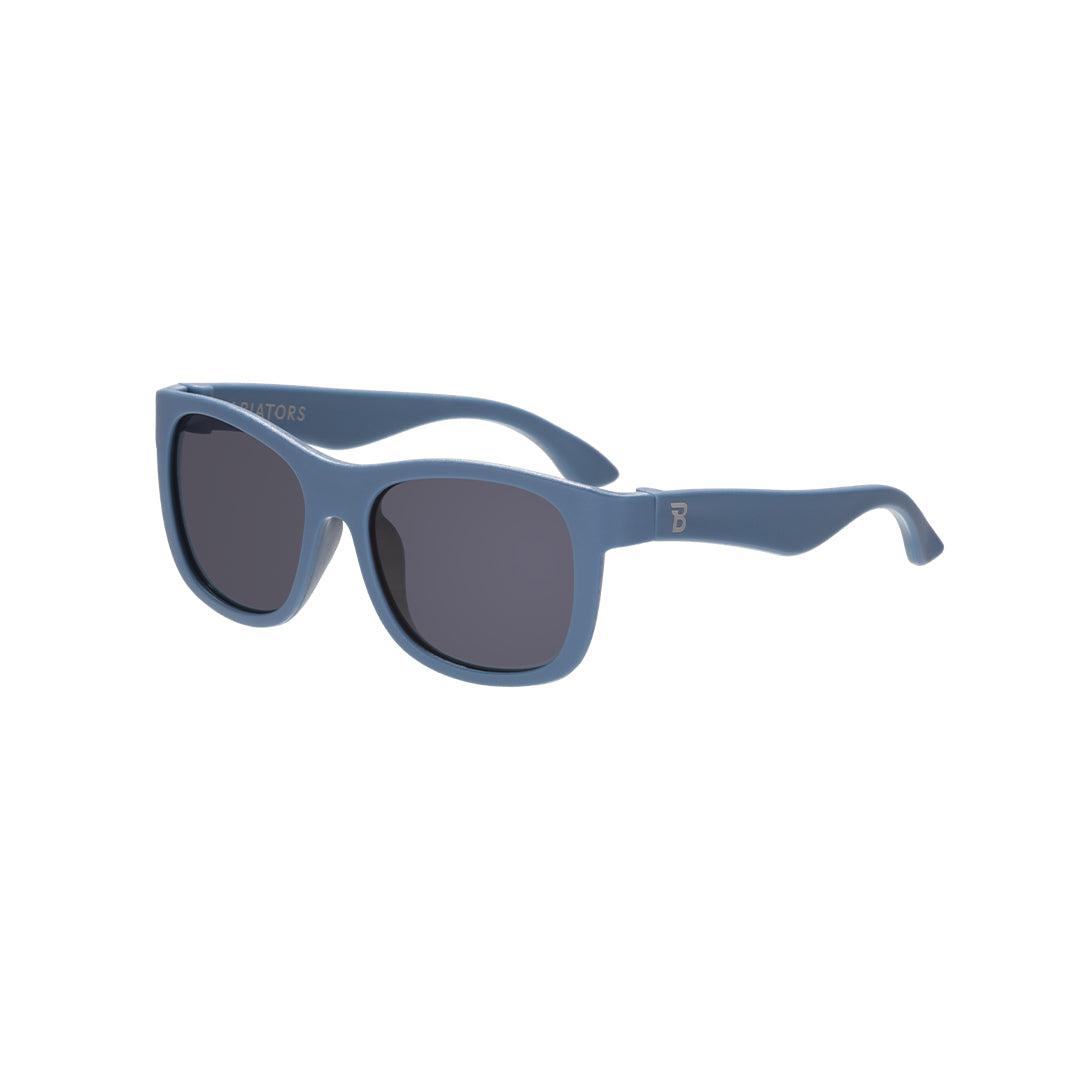
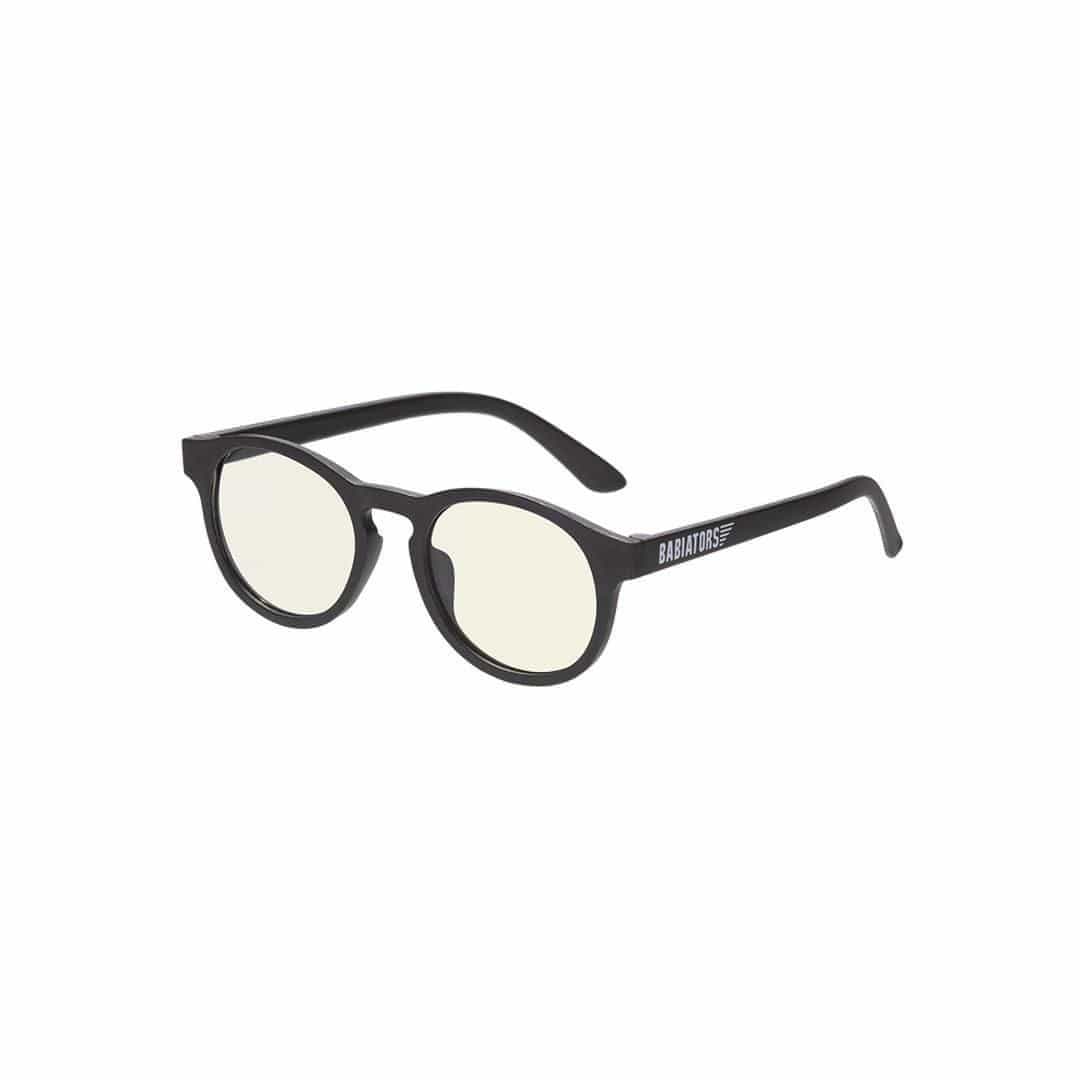
The best toddler sunglasses combine practical protection with a look your child genuinely likes. Classic round frames, sporty navigators, playful hearts and cheerful flowers can all make wearing sunglasses feel like their idea. Giving a toddler a simple choice between two parent-approved pairs can also reduce the daily negotiation.
Polarised lenses may be worth considering for particularly bright settings, such as family holidays by the sea, snowy days or long car journeys. They are designed to reduce glare from reflective surfaces, making the view more comfortable in high-glare conditions. For everyday nursery drop-offs, park trips and garden play, the essential non-negotiable remains 100% UV protection and a frame that fits well.
Durability is not a bonus feature
Children’s sunglasses live a tough life. They get sat on, dropped on playground surfaces, crammed into bags and occasionally used as a toy. A flimsy frame may be cheaper at the till, but it can quickly become poor value if it breaks before the season is over.
Look for flexible, child-proof construction that is made to bend under pressure. This is not about asking children to be careful. It is about choosing gear built for the way children actually behave.
Babiators frames are made to be virtually indestructible, with 100% UV protection across the range. The Awesome Guarantee also means broken sunglasses are replaced free for one year, so a real-life mishap does not have to mean buying again. That reassurance can make a premium pair feel far more practical, especially for families with multiple outdoor plans on the calendar.
How to help children keep sunglasses on
The earlier sunglasses become part of the getting-ready routine, the less unusual they feel. Put them on when you apply sun cream, grab hats and head out the door. Babies may only tolerate them for short stretches at first, and that is fine. Build the habit gradually during pram walks or time in the garden.
Toddlers respond well to imitation. Wear your own sunglasses, let them see older siblings wearing theirs, and use positive, matter-of-fact language such as, “Sunglasses on for sunny play.” Avoid making them a battle or a special reward. They are simply part of outdoor kit, like shoes.
It also helps to keep a pair where you need it most: in the changing bag, car or hallway basket. The best sunglasses cannot protect eyes if they are still at home on a sunny afternoon.
When should you replace your child’s sunglasses?
Replace sunglasses when the fit is no longer right, the lenses are badly scratched, or the frame no longer sits securely. Surface marks may be cosmetic, but deep scratches can interfere with clear vision and make a child less willing to wear the pair.
Growth is the main reason to move from baby sunglasses to toddler sunglasses. Check the fit at the start of each sunny season and before a holiday. A frame that fitted beautifully last summer may suddenly feel narrow after a growth spurt.
There is no need to wait for a birthday to change sizes. If the frame is slipping, squeezing or leaving marks, your child is telling you it is time.
A small habit with a big protective payoff
Baby sunglasses and toddler sunglasses have different fit needs, but the goal stays the same: comfortable, dependable protection for every outdoor adventure. Choose the size that fits today, pair it with a hat and shade, and make sunglasses part of the family routine. Those bright little moments outside are better when their eyes are ready for them.
 Back to Blog

