










Kids Sunglasses for Bright Days That Last
The squint starts before most parents even notice the sun has turned fierce. One minute you are heading to the park, the beach or the nursery run, and the next your child is rubbing their eyes, pulling down their hat, or flat-out refusing to look up. That is usually the moment kids' sunglasses for bright days stop feeling like a nice extra and start feeling like a real essential.
Children’s eyes need proper protection, especially when they are spending long stretches outdoors. Bright light can feel uncomfortable straight away, but the bigger issue is UV exposure over time. Young eyes are still developing, and little ones are less likely to tell you when glare is bothering them. They just get fussy, tired or distracted. Good sunglasses help cut the glare, protect against harmful rays and make outdoor time far more comfortable.
Why kids' sunglasses for bright days matter
A bright day in the UK does not have to mean blazing summer heat. UV can be strong on cool spring mornings, windy seaside afternoons and even during winter holidays, especially around water, sand or snow where light reflects back into the eyes. That reflection is what catches many families out. A buggy walk, a picnic in the garden or a ski trip can all mean more sun exposure than you expect.
That is why the best children’s sunglasses do more than look cute in photos. They should offer 100% UV protection as a baseline, not a bonus. If the lenses are dark but do not block UV properly, they can actually be a poor choice because the darker tint may encourage the pupils to open wider. In simple terms, dark lenses alone are not enough. Protection comes first.
Comfort matters just as much. If sunglasses pinch, slide off or feel heavy, most children will rip them off in seconds. A pair that fits properly has a much better chance of staying on through play, buggy naps and snack stops. For babies and toddlers, this can make all the difference between a product that gets worn and one that ends up at the bottom of the changing bag.
What to look for in kids' sunglasses for bright days
Parents do not need an optics degree to choose well, but a few details are worth checking before you buy. The first is clear protection. Look for 100% UVA and UVB protection, so you know your child’s eyes are properly covered.
Next comes durability. This is where many adult sunglasses standards simply do not translate to children’s products. Kids bend frames, drop them on pavements, sit on them in the car seat and fling them across the room because they have seen a pigeon. Flimsy sunglasses may survive one outing if you are lucky. Durable, flexible frames are a much better fit for real family life.
Lens choice also depends on how and where your child spends time outdoors. Standard lenses work well for everyday wear, but polarised lenses can be especially helpful in very bright conditions because they reduce harsh reflected glare. Think beach days, boat trips, buggy walks by the water or snowy holidays. It is not always essential, but in high-glare settings it can make outdoor time more comfortable.
Then there is size. A sunglasses frame that is too big will slip. Too small, and it can press behind the ears or across the nose. Age-based sizing is useful because it removes some of the guesswork. Babies, toddlers and older children need different fits, not just smaller versions of adult shapes.
The fit question parents always ask
The right fit is usually less about fashion and more about wearability. A frame should sit comfortably across the face, stay in place during movement and not leave pressure marks after a short wear. If your child constantly pushes them up or pulls them down, the fit may be off.
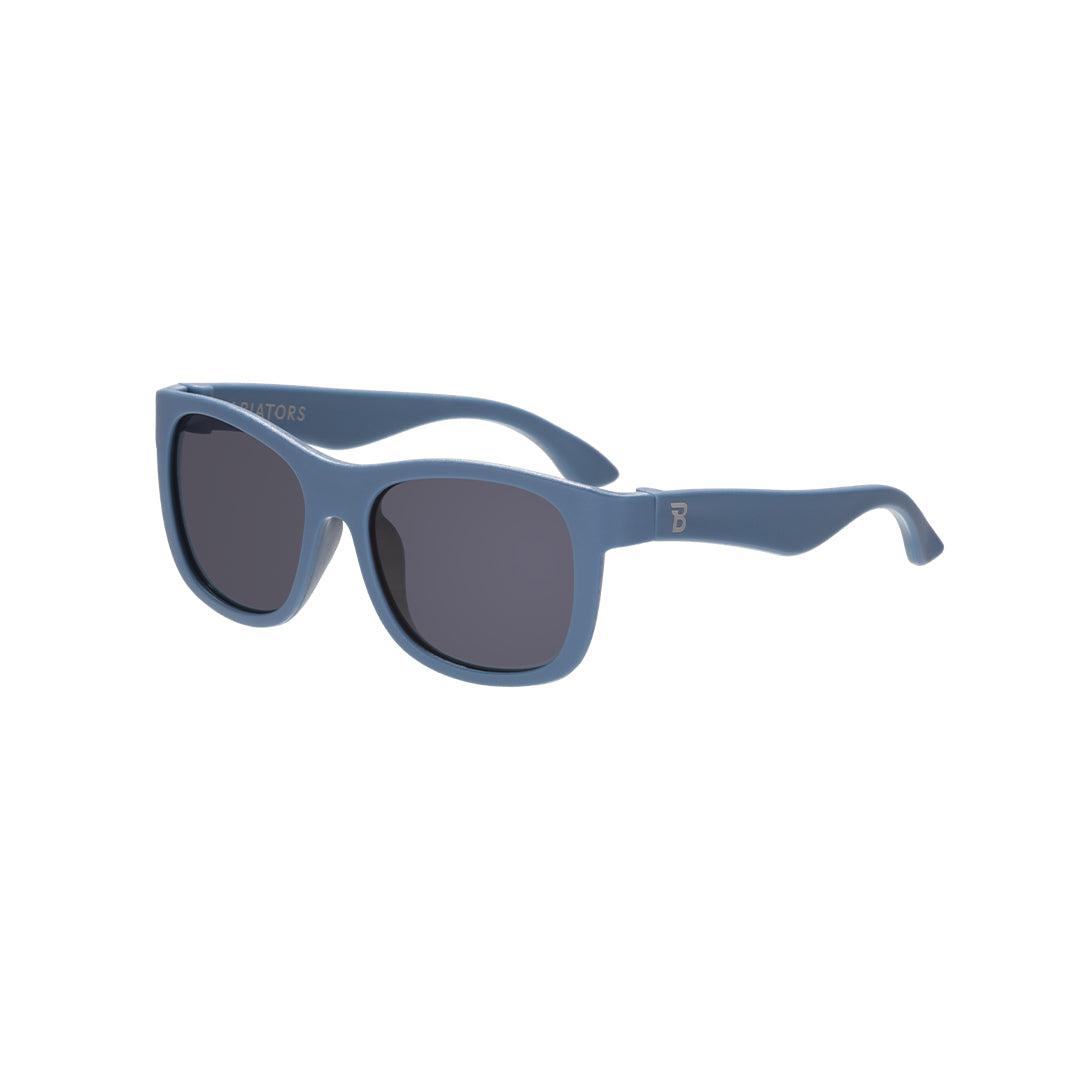
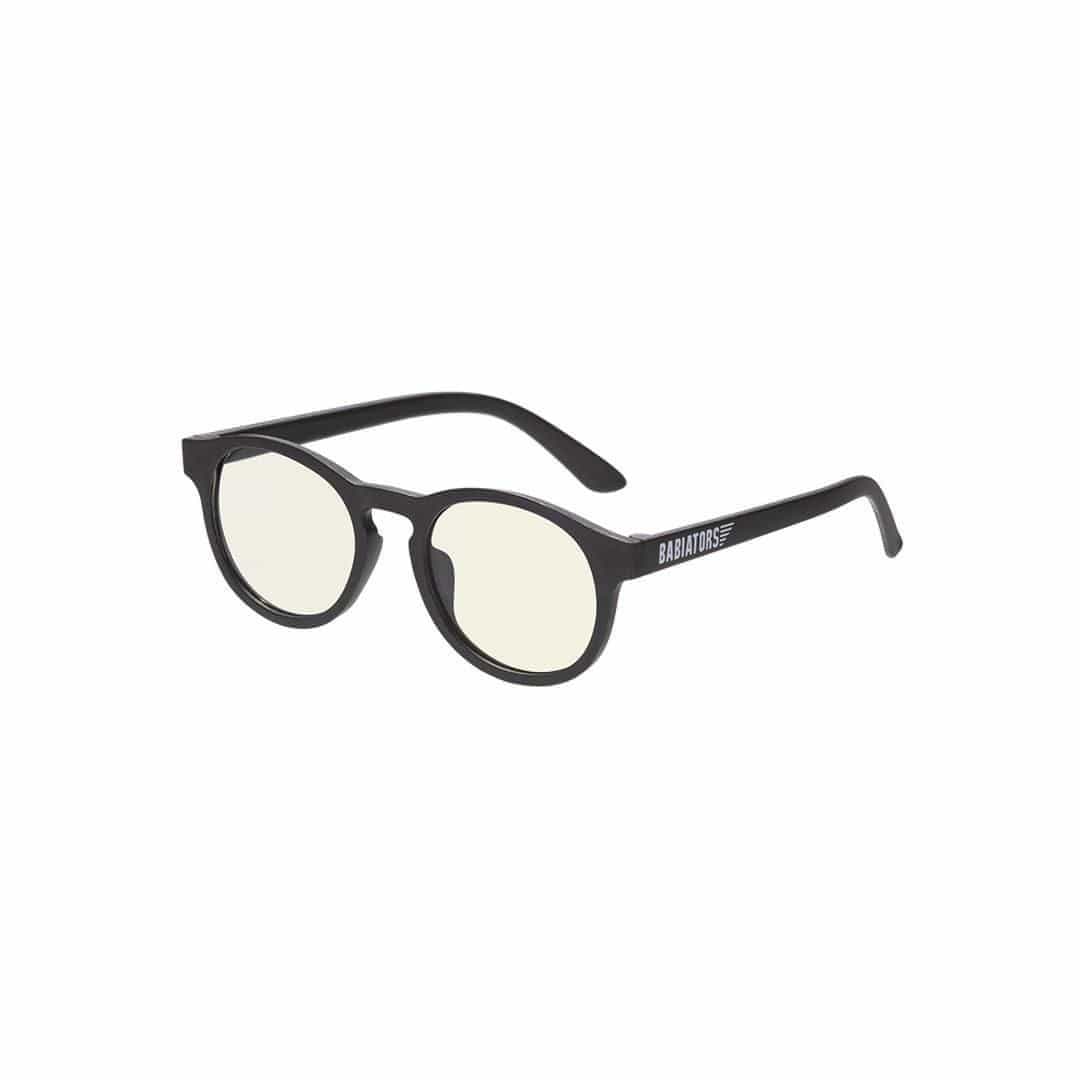
Different frame styles can suit different face shapes and personalities too. Round styles can feel soft and classic, navigator and aviator shapes have a sporty edge, while hearts and flowers bring a bit more fun for children who love choosing their own look. There is no single best shape for every child. The best one is the pair they are happy to keep on.
For younger children, lighter frames tend to win. For older kids, confidence starts to matter more. If they feel good in their sunglasses, they are far more likely to wear them without a battle. That sounds obvious, but it is often overlooked when adults choose based only on what looks practical.
Bright days are not all the same
Not every sunny outing calls for the exact same features. A walk to the shops is different from a full day at the coast. If your child mainly needs sunglasses for everyday use, comfort, UV protection and durability are the key boxes to tick. If your family travels often or spends long days outdoors, glare-reducing lenses and extra-flexible frames may be worth prioritising.
There is also a balance between style and resilience. Very fashion-led sunglasses can be tempting, especially for special occasions, but if they are not built for rough handling they may not last beyond the first weekend. On the other hand, an ultra-practical pair only works if your child will actually wear it. The sweet spot is simple: serious protection, child-proof construction and a look your little one likes.
Why cheap sunglasses can be a false economy
Parents are right to think about value, especially with children’s accessories that seem to vanish overnight. But with sunglasses, the cheapest option is not always the most sensible one. Low-cost pairs often fall down on one of three things: reliable UV protection, comfort or durability.
If the frames snap quickly or the lenses scratch after a few outings, you end up replacing them again and again. That cycle is frustrating, and it adds up. The better approach is to buy one pair that is built for children from the start - not a mini version of something meant for adults, and not a novelty item that happens to be sold near the sun cream.
A strong replacement promise can also matter more than parents first realise. Young children are wonderfully unpredictable, and even the toughest sunglasses live a hard life. A guarantee that reduces the risk makes it easier to choose quality without worrying that one accident will mean starting over.
Making sunglasses part of the routine
The easiest way to get children to wear sunglasses is to make them normal. Put them on at the same time as shoes, sun cream or a sun hat. Keep them by the front door or in the buggy basket. Let your child choose their frame style or colour if they are old enough to care. Small bits of ownership can turn resistance into enthusiasm.
It also helps to start early. Babies and toddlers may need a little time to get used to the feeling, but regular wear builds familiarity. If sunglasses only appear once a year on holiday, they will always feel strange. If they are part of everyday bright-weather kit, children tend to accept them much more quickly.
Parents often ask whether hats alone are enough. Hats are brilliant and we are all for them, but they do not block reflected light from every angle. The best approach on bright days is layers of protection: shade where possible, a hat, sun cream and proper sunglasses.
Choosing with confidence
When you are shopping for children, the checklist can get long fast. The good news is that for sunglasses, the essentials are refreshingly clear. Start with 100% UV protection. Add a fit designed for your child’s age. Look for flexible, durable frames that can cope with everyday chaos. Then choose the lens type and frame style that match your family’s routine.
That is the thinking behind Babiators UK - sun safety made simple for babies, toddlers and kids, with playful styles, seriously protective lenses and frames built to handle real life. Because when children are comfortable in bright light, the whole day tends to go more smoothly.
The best kids' sunglasses for bright days are the pair your child will wear without fuss, the pair that protects properly, and the pair you do not have to treat like fine china. Choose those, and sunny days stay what they should be - bright, fun and easy to enjoy.
 Volver a Blog

