








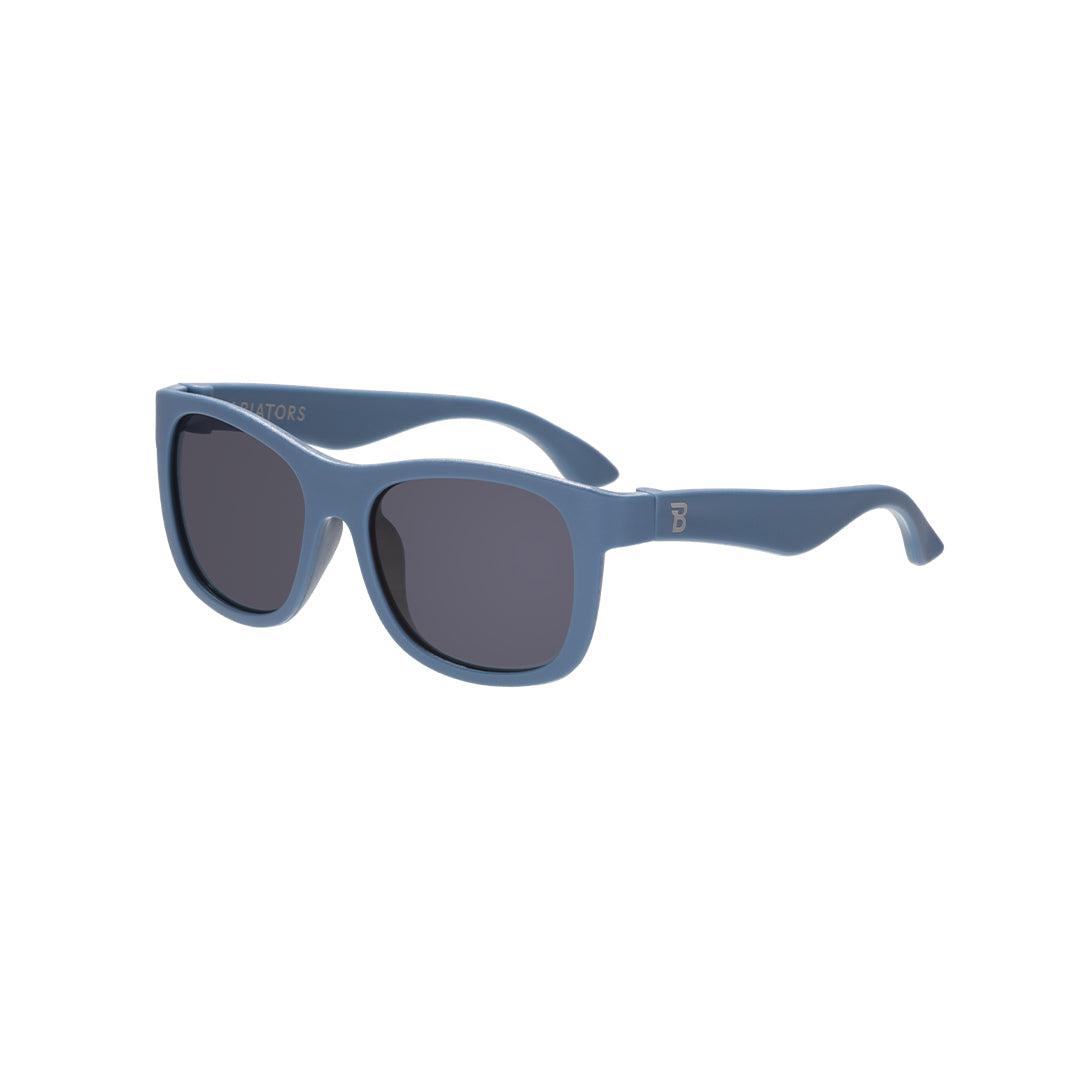
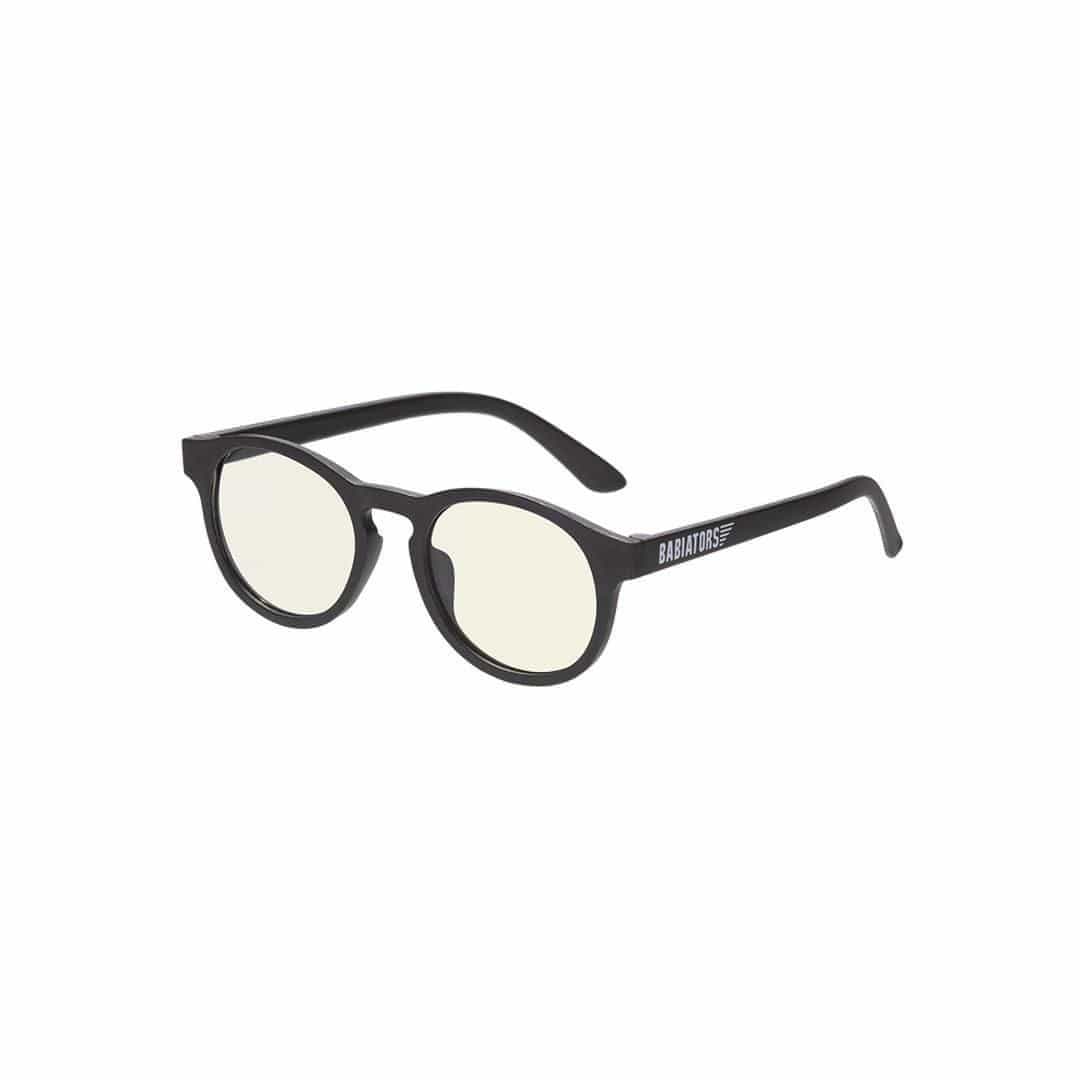


Top Kids Sunglasses Features That Matter
A pair of children’s sunglasses can look brilliant in a holiday photo and still be the wrong choice for real sun protection. That’s why the top kids sunglasses features are not really about style first. They’re about what keeps little eyes protected, what stays on busy faces, and what survives being dropped, bent, sat on, and packed into a changing bag with snack crumbs.
Parents usually find this out the hard way. The cheap pair that looked fine online pinches behind the ears, slips off at the park, or snaps before the week is out. The better approach is simpler - start with the features that actually matter, then choose the fun shape and colour your child will love wearing.
Top kids sunglasses features parents should check first
If you only remember one thing, make it this: proper UV protection comes first. Children’s eyes are still developing, which means they can be more vulnerable to the effects of ultraviolet light. Dark lenses on their own are not enough. If the sunglasses do not clearly offer 100% UVA and UVB protection, they are not doing the job.
After that, fit becomes the next big decision. Good kids’ sunglasses should sit comfortably on the face without sliding down the nose or squeezing at the temples. This is where age-based sizing helps enormously. A baby, a toddler and a six-year-old do not need the same frame dimensions, and guessing often leads to sunglasses that end up rejected after five minutes.
Durability matters just as much as protection and fit, because children do not handle sunglasses gently. They twist the arms, fling them into the buggy, and treat them like toys. Frames that are flexible and child-proof are not just a nice extra. They save parents from buying another pair next month.
100% UV protection is non-negotiable
This is the feature that should never be treated as a bonus. Sun exposure adds up over time, and children spend plenty of time outdoors - on walks, at nursery, in the garden, at the beach, on ski trips, and during everyday school-run errands. Their sunglasses need lenses designed to block 100% of UVA and UVB rays.
There is a common misconception that sunglasses are mainly for bright summer days. In reality, UV exposure can be high in spring, on cloudy days, and in winter too, especially around water, sand and snow where glare bounces light straight back into the eyes. So if a pair looks stylish but does not make a clear UV claim, keep scrolling.
A proper fit beats a bigger frame
Children only benefit from sunglasses they will actually keep on. A pair that constantly slides off encourages fiddling, and a pair that feels tight usually gets pulled off and thrown aside. Good fit is the quiet feature that makes all the others work.
For babies and toddlers, lightweight frames are often the easiest starting point because they feel less intrusive. For older children, slightly more structured shapes can work well if the sizing is right. It also depends on your child’s face shape. A rounder face may suit one frame style better than another, but the key is always secure comfort rather than fashion rules.
When buying online, clear age guidance removes a lot of the guesswork. It is not perfect for every child, because some little ones run bigger or smaller, but it is far more useful than a one-size-fits-all approach.
The top kids sunglasses features that save parents money
Anyone who has bought children’s accessories before knows this truth: if it can break, it probably will. That is why durability is one of the top kids sunglasses features for families who want fewer replacements and less frustration.
Flexible rubber-like frames tend to cope better with everyday rough handling than hard, brittle materials. Hinges are another weak spot. If the arms feel flimsy straight out of the box, that pair is unlikely to survive long. Parents do not need engineering jargon here. They need sunglasses that can handle real life.
There is also a practical trade-off to think about. Very rigid frames may hold a sharp fashion shape, but they are often less forgiving when bent or dropped. Softer, more flexible frames may look a touch more playful, yet they are usually the smarter choice for babies, toddlers and younger children.
A good replacement guarantee can matter almost as much as the frame itself. Even the toughest sunglasses can go missing at the playground or get damaged in a way no product could reasonably avoid. A brand that stands behind children’s eyewear with a clear promise removes a lot of purchase risk for parents.
Polarised or non-polarised lenses?
This is where it depends on your child and how they use their sunglasses. Polarised lenses reduce glare from reflective surfaces such as water, pavement, car windows and snow. They can be especially helpful for beach days, travelling, buggy rides and outdoor holidays where glare is intense.
That said, not every family needs polarised lenses for every outing. Standard lenses with full UV protection still cover the essentials. If your child mainly wears sunglasses for everyday walks, nursery pick-up or playing in the garden, non-polarised options may be perfectly suitable. If you spend lots of time near water or in bright open spaces, polarised lenses can make a noticeable difference to comfort.
Comfort features children notice immediately
Adults often focus on lens specs, but children decide within seconds whether sunglasses feel nice to wear. If the pair is heavy, slippery or awkward, you will know quickly.
Soft-touch materials help. Lightweight frames help. Shapes that sit neatly without bouncing during movement help even more. The best sunglasses feel easy rather than fussy. They should not distract from play.
For younger children, nose fit is particularly important. If the bridge area is too wide, the sunglasses can slide down constantly. If it is too narrow, they can leave marks and feel uncomfortable. This is another reason kids’ eyewear should be built specifically for children rather than scaled-down adult styles.
Style still matters - because wearability matters
Yes, protection comes first, but style is not trivial. A child who loves the look of their sunglasses is far more likely to wear them. That means frame shapes, fun colours and playful options genuinely have a job to do.
Some children want a classic shape that feels like mum or dad’s sunglasses. Others light up at hearts, flowers or rounded retro styles. There is no conflict between playful design and serious eye protection when the product is made properly. In fact, the strongest kids’ sunglasses usually do both.
This is especially useful when buying for older toddlers and younger children who are beginning to have firm opinions. Giving them a choice between two parent-approved options can turn sunglasses from a battle into something they are excited to put on.
Easy sizing and shopping confidence
One of the biggest barriers for parents buying children’s sunglasses online is uncertainty. Will they fit? Will my child tolerate them? Will they last longer than a week?
The brands that make life easier are the ones that simplify the decision. Clear sizing by age, straightforward explanations of lens types, and plain-English protection claims help parents buy with confidence. You should not need a degree in optics to choose safe sunglasses for a toddler.
That same principle applies to trust. Strong reviews, a clear durability message and a replacement promise all make a difference because they answer the questions parents are already asking in their heads. Babiators UK has built its reputation around that idea - serious sun protection, child-proof durability and less drama for families.
What to skip
It is easy to get distracted by packaging, trend-led extras or vague claims that sound impressive without saying much. If you cannot quickly confirm UV protection, sizing, material quality and what happens if the sunglasses break, the important information is missing.
Price alone is not a feature either. A very cheap pair that lasts three days is not better value than a well-made pair that protects properly and survives repeated wear. On the other hand, the most expensive pair is not automatically best if the fit is wrong for your child.
The smartest choice usually sits in the middle of protection, comfort, durability and realistic family life. You want sunglasses your child can wear on the school run, in the pram, at the seaside, in the garden and on holiday without you worrying every time they are dropped.
If you are choosing a pair today, keep it simple. Look for 100% UV protection, age-appropriate sizing, durable flexible frames, and lens options that match your family’s routine. When those boxes are ticked, the fun part starts - picking a style your little one will actually want to wear out the door.
 Back to Blog

