








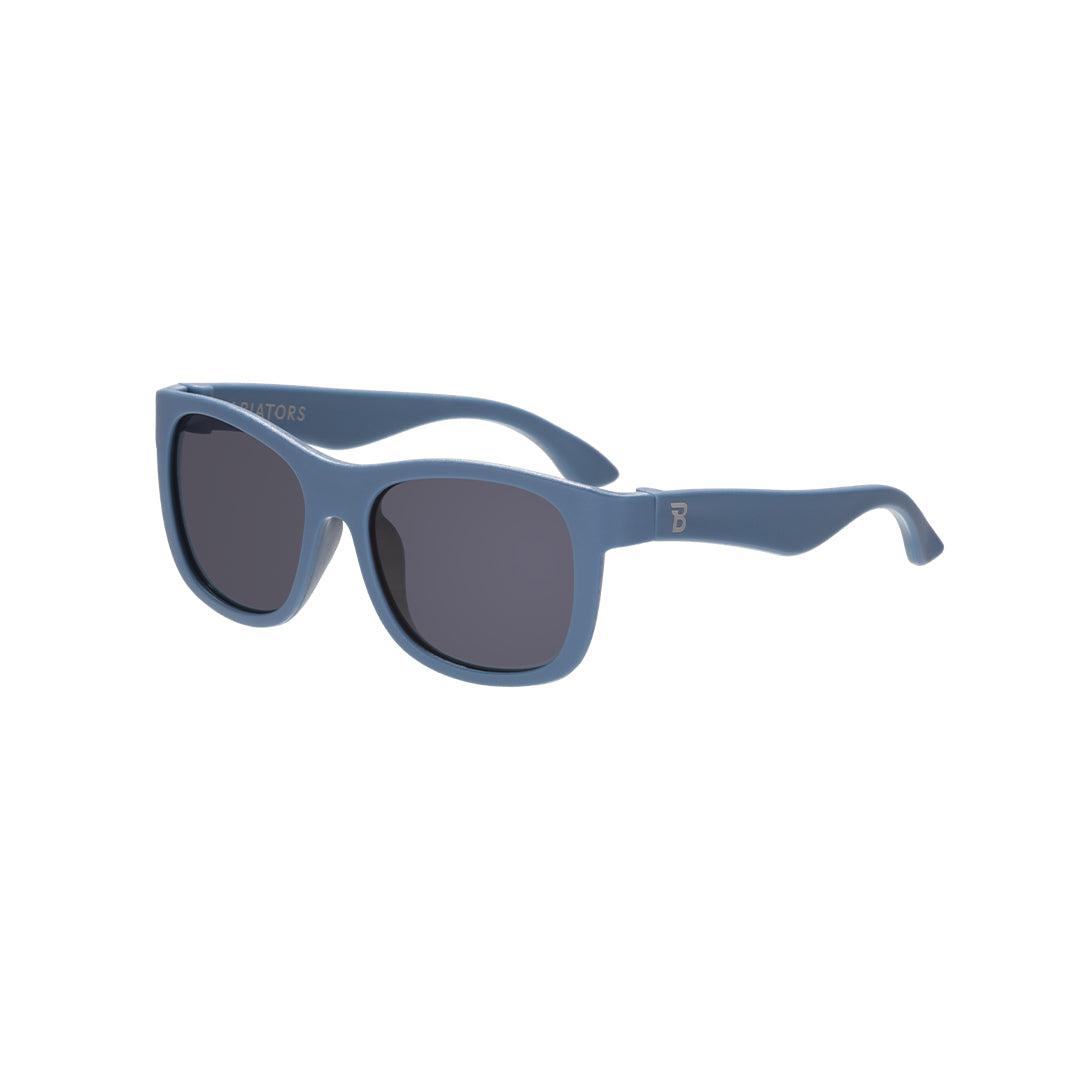
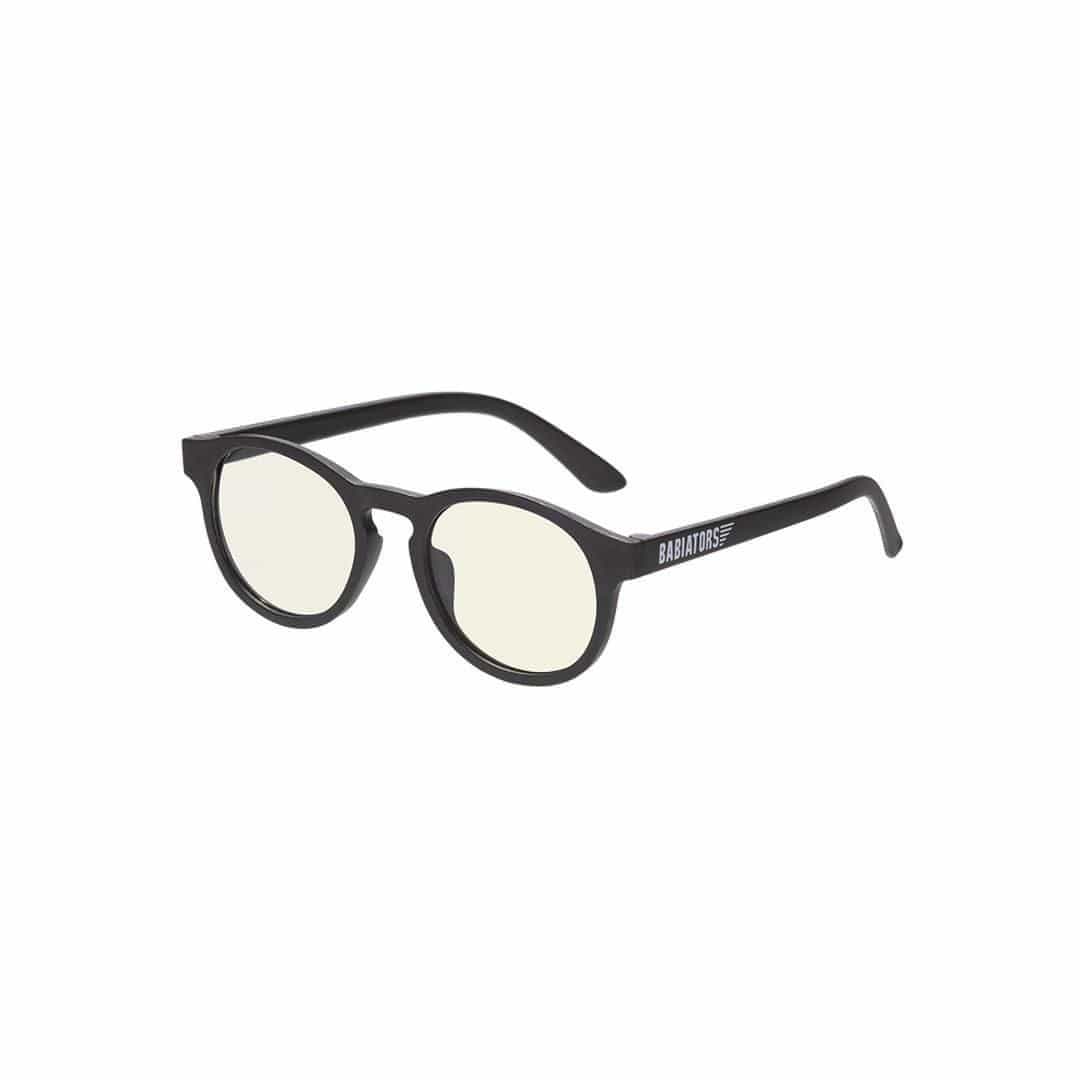


Toddler Sunglasses 3-5 Fit Tips for Parents
You can usually tell within ten seconds if toddler sunglasses are going to work. They slide down a little nose, get pushed up onto the forehead, or come off with one determined tug in the buggy. That is why toddler sunglasses 3 5 fit tips matter so much. At this age, children are constantly moving, growing fast, and rarely interested in adjusting frames carefully. The right fit needs to feel good, stay put, and protect their eyes without becoming another thing you have to battle over before leaving the house.
For children aged 3 to 5, fit is about more than comfort. Sunglasses that pinch can trigger instant refusal. Frames that are too loose may let in more light from above and the sides, and lenses that sit badly can distract little ones who are trying to play, ride, run, or explore. The goal is simple - secure, lightweight sunglasses with 100% UV protection that your toddler forgets they are even wearing.
Why fit matters for toddler sunglasses 3-5
Three to five is a funny age for sizing. Some children still have softer, rounder toddler features, while others suddenly look much more like little school children. That means age guidance is helpful, but it is not the whole story. A 3-year-old with a broader face might need a roomier fit than a slight 5-year-old, and that is completely normal.
Good fit also supports better wear time. Parents often focus first on lens protection, and rightly so, but even the best UV-blocking lenses only help when sunglasses actually stay on. If your child keeps removing them because they wobble, squeeze behind the ears, or bump their cheeks, the sunglasses are not doing their job for long.
Start with the frame sitting level
The first thing to check is whether the sunglasses sit straight across your child’s face. The frame front should look level, not tilted, and the lenses should sit centred in front of the eyes. If one side rides higher than the other, or the whole frame tips forward, the fit is probably off.
This sounds minor, but it affects everything else. A level frame is usually a sign that the width is about right and the arms are resting properly over the ears. If the sunglasses look skewed as soon as they go on, your toddler will often start fiddling with them straight away.
Watch the bridge and nose area
Toddlers do not have a pronounced nose bridge like older children or adults, so adult-style frames often slide immediately. For ages 3 to 5, look for sunglasses designed specifically for little faces, with a shape that accounts for smaller noses and softer facial features.
The bridge should sit gently without digging in. If there are red marks after a short wear, they are too tight. If the sunglasses drift down every few steps, they are too loose or the bridge shape is wrong for your child.
Check the width before anything else
If you only remember one fit tip, make it this one: frame width is usually the biggest clue. Sunglasses should not be wider than your child’s face by much, and they should not squeeze at the temples either. When the width is right, the sunglasses tend to stay stable through normal play.
Too wide, and the arms will not grip properly behind the ears. Too narrow, and the frame can press into the sides of the head, which quickly becomes uncomfortable. Toddlers may not explain this clearly - they just pull them off and declare them "yucky".
A good rule of thumb is to look from the front. The frame should cover the eyes well without sticking far out beyond the face. You want protection and stability, not a costume effect.
The arms should feel secure, not tight
The arms are easy to overlook, but they make a big difference. They should rest neatly over the ears without pressing hard. If your child complains when you put the sunglasses on, or you notice marks where the arms sit, the fit is likely too snug.
At the same time, floppy arms lead to constant slipping. For active toddlers, a secure but flexible fit tends to work best. This is one reason durable, child-focused frames matter so much. Little ones bend, twist, drop, and sit on sunglasses in ways adults never would. Flexible construction helps the fit stay consistent even after plenty of rough handling.
A quick movement test at home
Before heading out, try a one-minute test. Ask your child to look up, down, and side to side. Then let them do what they normally do - a little run across the garden, a bounce, or a dance in the kitchen. If the sunglasses stay in place without needing constant readjustment, you are on the right track.
If they slide with every movement, do not assume your toddler is just "not a sunglasses child". Often, it is simply a fit issue.
Lens coverage matters too
Fit is not just about whether sunglasses stay on. It is also about whether the lenses cover the eye area properly. For toddlers aged 3 to 5, lenses should shield the eyes well from bright sun while still feeling light enough for everyday wear.
Frames that are too small can leave more of the eye exposed from above or at the sides. Frames that are oversized may look fun, but they can bounce around during play or rest on the cheeks. The best fit usually lands in the middle - enough coverage for real sun protection, without bulk that gets in the way.
This matters even more on bright days at the beach, in the park, on holiday, or around reflective surfaces like water and snow. When children are outdoors for longer stretches, proper coverage makes a noticeable difference.
Comfort is what keeps them on
Parents often ask how to know if sunglasses are comfortable when toddlers cannot always explain it. The answer is behaviour. Comfortable sunglasses are the ones your child stops noticing. They keep playing. They leave them on in the pushchair. They do not keep reaching for the frame every thirty seconds.
Discomfort usually shows up fast. Watch for cheek rubbing, repeated removal, blinking, or the frame touching the face when your child smiles. Chubby cheeks are especially worth checking. Some sunglasses look fine when your child is still, then press upwards once they grin or chat.
Fit can change by style
Not every frame shape fits every toddler the same way. Round frames, aviator-inspired shapes, keyholes, hearts, and flowers all sit a bit differently. That does not mean one style is better across the board. It means your child’s face shape matters.
If your toddler has fuller cheeks, one style may sit more comfortably than another. If they have a narrower face, slimmer silhouettes may feel more secure. This is where age-based sizing helps, but face shape still plays a part. It is always worth looking at how a specific style sits, not just the number on the size guide.
Don’t ignore lens quality while checking fit
A perfect fit is only half the job. Toddlers need 100% UV protection whenever they are out in strong daylight, whether you are off to nursery, the playground, a sunny walk, or a family trip abroad. If sunglasses fit beautifully but do not offer proper UV protection, they are not doing enough.
For many parents, polarised lenses are also worth considering, especially for bright days and reflective conditions. They can reduce glare, which is handy near water, on holiday, or during long buggy rides. That said, the best choice depends on when and where your child wears their sunglasses most. Everyday park trips may call for one option, while beach days and travel may make another more useful.
Durability supports better fit over time
Young children are tough on eyewear. Frames get bent, dropped, shoved into changing bags, and handed over with sticky fingers. When sunglasses lose their shape, the fit usually changes too. That is why durability is not just a nice extra. It helps preserve comfort and protection.
For parents buying online, this can be a big reassurance. Well-made toddler sunglasses should be ready for real life, not just one sunny photo. Babiators UK builds this into the experience with child-focused frames and an Awesome Guarantee that takes some of the stress out of buying for busy little ones.
How to know you’ve found the right pair
The best pair usually looks almost boring in the best possible way. They sit level, cover the eyes properly, feel light, and survive the chaos of toddler life. Your child can run, climb, snack, nap in the buggy, and carry on as usual.
You do not need a complicated fitting process. You need sunglasses made for the 3-5 age range, enough coverage for proper protection, and a frame shape that suits your child’s face. When those things line up, sunglasses stop feeling like a struggle and start becoming part of the routine.
If you are choosing a pair now, trust what you see. A secure fit, happy wear, and reliable UV protection will always beat a cute style that spends most of the day in your bag.
 Back to Blog

