










Sun Protection for Children Guide
A child who refuses a sun hat by 10am and loses their sunglasses by lunch is not being difficult - they are being a child. That is exactly why a good sun protection for children guide needs to work in real family life, not just in theory. Whether you are packing for nursery, heading to the park, planning a beach day or flying off on holiday, the goal is simple: protect delicate skin and growing eyes without turning every outing into a battle.
Children need more sun protection than many adults realise. Their skin is thinner, they often spend longer outdoors, and they are less likely to notice when they are getting too much sun. Eyes matter too. UV exposure adds up over time, and young eyes let in more light than older eyes do. The result is that proper protection is not just a summer extra. It is part of everyday healthy outdoor time.
Why this sun protection for children guide matters
The British weather can be misleading. Cool air, patchy cloud or a breezy day can make the sun feel mild, but UV can still be strong enough to damage skin and eyes. That is where many families get caught out. A child can end the day pink-cheeked, tired and uncomfortable even when it never felt particularly hot.
The other reason this matters is habit. The best sun-safe families are rarely the ones doing one perfect thing. They are the ones doing several sensible things consistently. A buggy shade, a reliable pair of sunglasses, a hat that actually stays on, sunscreen applied before leaving the house - these small choices stack up.
Start with timing, shade and clothing
If you want the biggest impact with the least fuss, begin with the basics. Try to plan outdoor play for earlier in the morning or later in the afternoon when the sun is less intense. That will not always be possible, especially with school runs, sport or travel days, but when you can shift the schedule a little, it helps.
Shade does a lot of heavy lifting. Prams with canopies, beach tents, parasols and trees all reduce direct exposure. Still, shade is not complete protection because UV can reflect from sand, water, paving and even snow. A child sitting under a parasol at the beach can still catch sun on the reflected light alone. That is why shade works best as part of a full routine, not as the only line of defence.
Clothing is often the easiest win. Lightweight long sleeves, longer shorts or leggings, and close-weave fabrics cover more skin without making children too hot. On very warm days, breathability matters. A heavy top that makes a toddler miserable will not stay on for long. Aim for light, airy clothes with decent coverage and save strappy outfits for shorter periods in lower sun.
A wide-brimmed hat is ideal because it protects the face, ears and neck. If your child hates floppy brims, a legionnaire-style hat can be a better compromise. The best hat is the one they will actually keep wearing.
Sunscreen: how to make it work better
Sunscreen is essential, but it is also where many families feel the most friction. Children wriggle. Parents rush. One arm gets missed. Then there is the question everyone asks - which sunscreen is best?
Broadly, choose a broad-spectrum sunscreen with a high SPF and good UVA protection. For children, especially younger ones or those with sensitive skin, gentler formulas are often a good fit. Texture matters more than people think. If it is sticky, strongly scented or stings, children will fight it and parents will use too little.
Application matters just as much as the bottle. Put sunscreen on 15 to 30 minutes before going outside if the product directions advise it, and be generous. Most people under-apply. Do not forget ears, the back of the neck, tops of feet, hands and the little strip along the hairline where hats shift about.
Reapply regularly, especially after water play, towelling off or heavy sweating. Water-resistant sunscreen helps, but it does not mean all-day protection. If your child is in and out of a paddling pool, running about in the garden, then rubbing themselves dry on a towel, assume you need another layer.
For babies, the approach can be a little different. Keeping them out of direct sun as much as possible is the first move, supported by shade, clothing and hats. If sunscreen is needed, follow age guidance on the label and ask a pharmacist or health professional if you are unsure. With the tiniest children, less exposure is usually the smarter plan than relying heavily on products.
Don’t forget eyes in your sun protection for children guide
Parents are usually alert to sunburn on skin. Eye protection gets missed more often, even though children’s eyes are especially vulnerable to UV. Squinting, rubbing eyes and complaining that the light is too bright are obvious clues, but damage from UV is not always something you can see straight away.
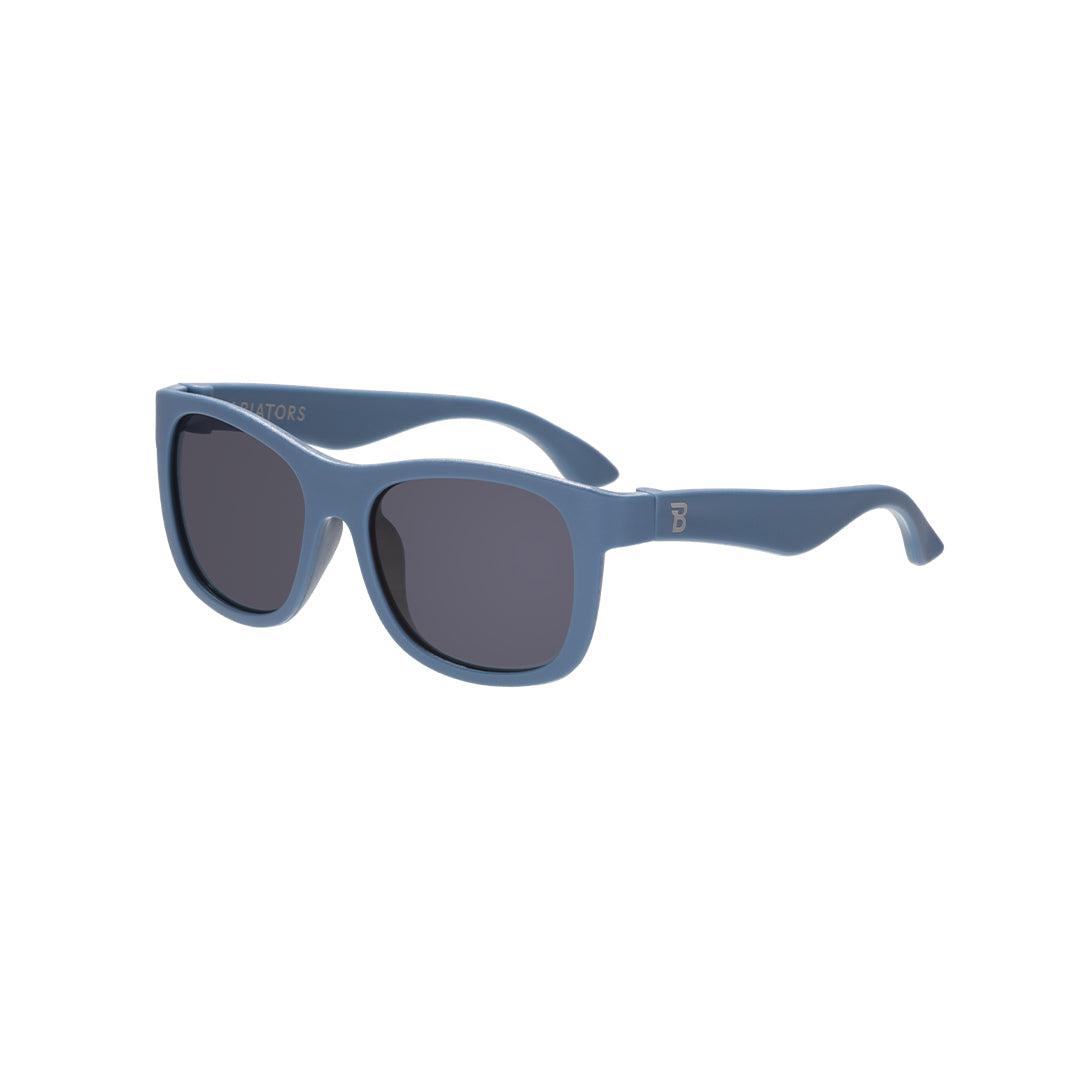
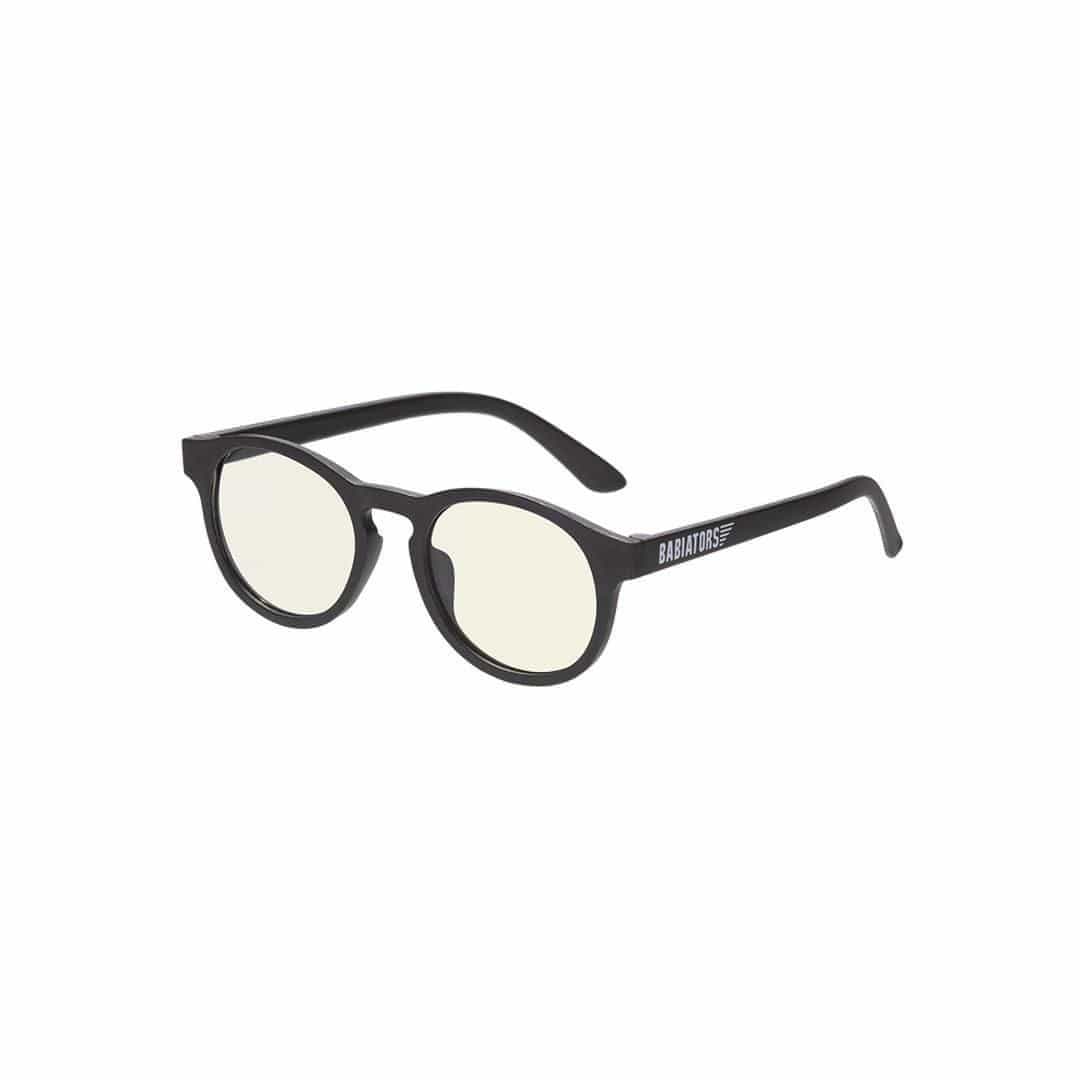
That is why children’s sunglasses should do more than look cute in a photo. Look for lenses that provide 100% UV protection. Dark lenses without proper UV protection are not enough because they can cause the pupil to open wider, letting in more harmful rays. Protection comes from the lens technology, not from how dark the lens looks.
Fit is just as important. Sunglasses that slide down, pinch behind the ears or bounce off every time a child moves will end up at the bottom of the changing bag. A secure, comfortable fit makes all the difference, especially for babies and toddlers who have no interest in keeping accessories tidy. Flexible, durable frames are worth it because kids bend, drop and sit on things as a matter of routine.
For many families, age-based sizing takes out the guesswork. A pair made for 0-2, 3-5 or 6+ is much easier to choose than trying to estimate measurements online while your child is climbing the sofa. If you spend lots of time near water, bright sand or snow, polarised lenses can also be a smart choice because they reduce glare and make it easier for children to keep their eyes open comfortably.
Real-life routines that actually stick
The best sun-safe routine is the one you can repeat on a busy Tuesday, not just on a well-planned holiday. Keep sunscreen near the front door, in the buggy basket and in the changing bag. Let children choose between two hats so they feel involved. Put sunglasses on as part of getting dressed, not as an afterthought when you are already outside.
It also helps to name the routine. Something simple like hat, shades, cream can turn protection into a habit children recognise. Young kids respond well to repetition, especially when it feels upbeat rather than strict.
There will still be trade-offs. A full-coverage outfit may be perfect for a beach walk but too warm for energetic play in the park. A wide-brimmed hat is great for quiet time in the buggy but less practical on a windy playground. Some days you will lean more on shade and clothing. Other days sunscreen and sunglasses will do more of the work. That is normal.
Holidays, beach days and ski trips
Some settings need extra thought. Beaches combine direct sun with reflected UV from sand and water, so children can burn quickly even under partial shade. Reapplication needs to be more frequent, and sunglasses become even more useful because glare can be intense.
On holiday, routines often slip because everyone is out of their normal schedule. That is another reason to keep sun protection simple. Pack duplicates if you can - one hat gets wet, one pair of sunglasses goes missing, one bottle of sunscreen leaks. Families who prepare for a little chaos usually have the smoothest days.
Cold weather trips catch people out too. Snow reflects a huge amount of UV, and bright alpine light can be hard on young eyes. A child in a ski suit still needs sunglasses or goggles with proper UV protection, plus sunscreen on exposed skin like cheeks and nose.
What to look for when choosing children’s sunglasses
Parents do not need a long technical checklist, but a few features really matter. Prioritise 100% UV protection first. After that, think about fit, comfort and durability. Children are not gentle with eyewear, and flimsy frames are a false economy if they snap the first week.
Flexible frames, lightweight materials and lenses designed for active outdoor use make day-to-day wear much easier. Style matters as well, and that is not superficial. Children are more likely to wear sunglasses they like. If your little one is excited about hearts, flowers, round frames or mini aviator-inspired shapes, that enthusiasm can be surprisingly helpful.
For parents who want the practical answer, the right pair is the pair your child keeps on. That usually means proper UV protection, a secure fit and enough toughness to survive family life. Brands built around kids’ eyewear, such as Babiators UK, tend to understand that protection only works if children will actually wear the product.
When to be extra careful
Some children need more attention in the sun than others. Fair skin, very light eyes, a history of eczema, certain medicines or a tendency to burn quickly all raise the stakes. Even so, every child benefits from good habits, regardless of skin tone. Sun damage is not limited to one look or one family type.
If your child gets red, unusually tired, complains of sore eyes or seems bothered by light after a day outside, take that as a sign to tighten the routine next time. Small adjustments early are easier than dealing with discomfort later.
Sun safety does not have to mean less outdoor fun. It simply means setting children up to play, explore and travel with better protection around them. A hat they will wear, sunglasses that stay put, sunscreen you trust and a bit of shade at the right moment can change the whole day for the better.
 Back to Blog

