








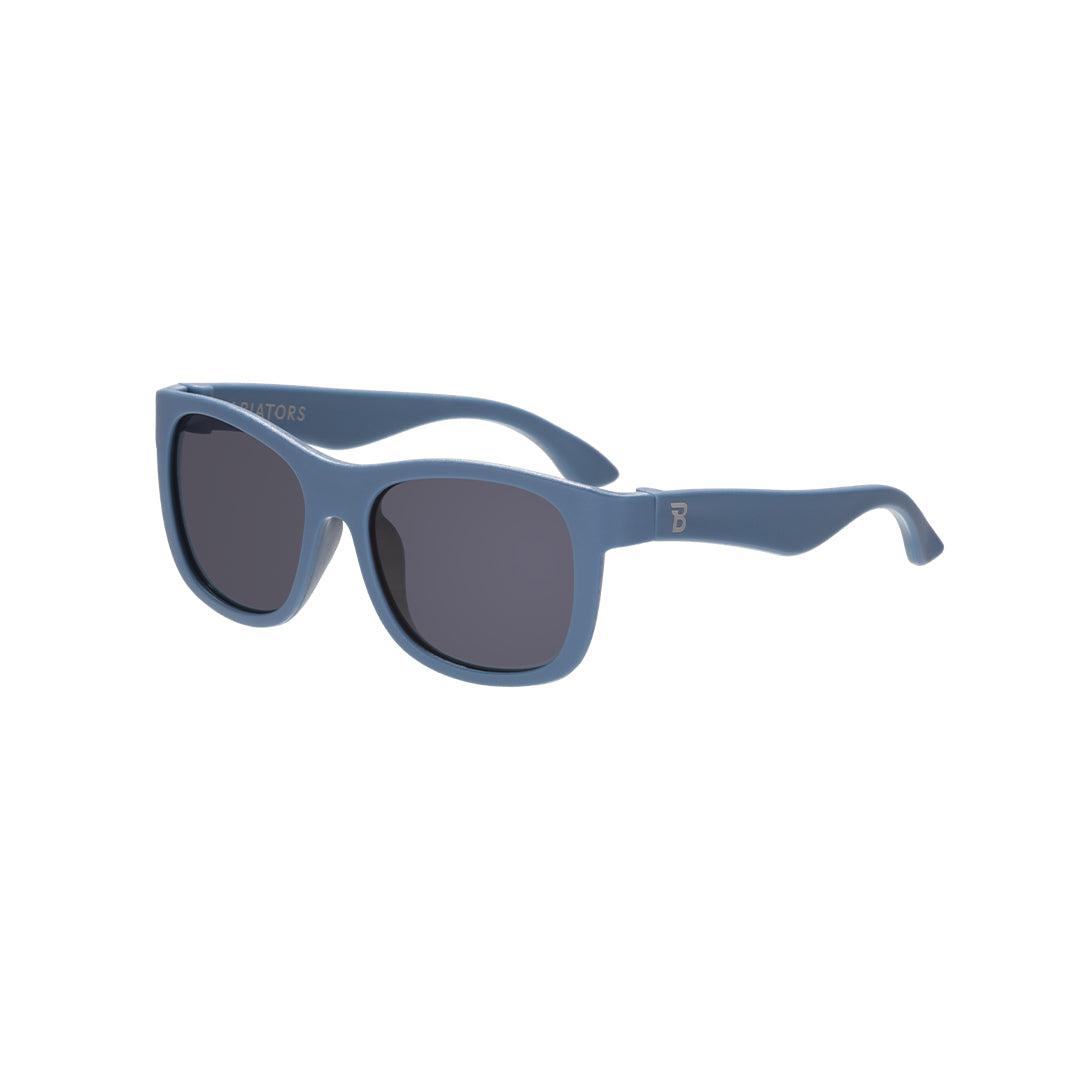
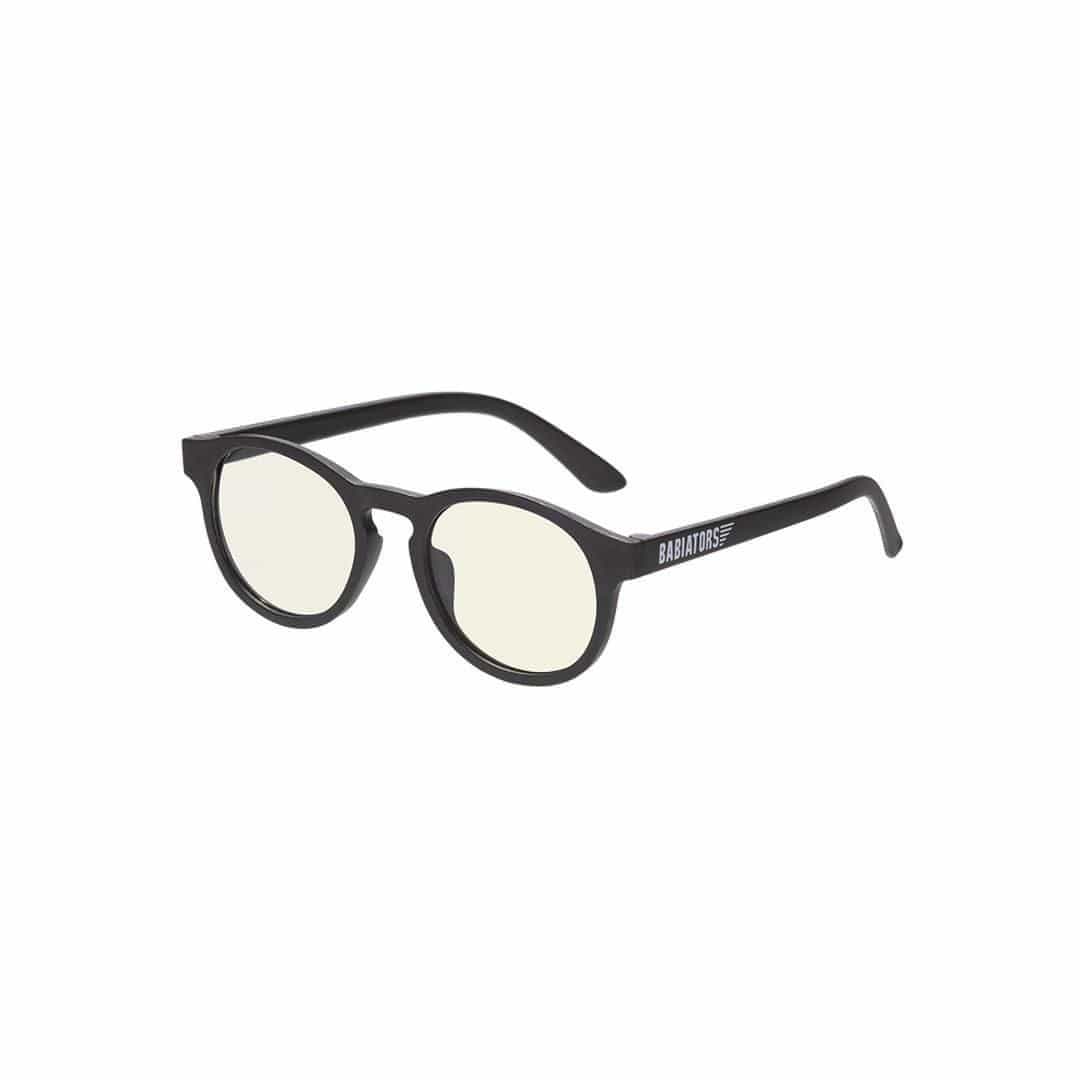


Parents Replacing Broken Kids Sunglasses
You buy the sunglasses, your child loves them for exactly three days, and then one arm is bent backwards in the pushchair, a lens is scratched at nursery, or the whole pair vanishes into the beach bag. Parents replacing broken kids sunglasses are rarely dealing with a one-off accident. More often, they are stuck in a cycle of buying cheap pairs, watching them fail, and starting again.
That cycle gets expensive fast, but cost is only part of the problem. The bigger issue is what happens when children stop wearing sunglasses because the last pair snapped, pinched, slipped off, or felt uncomfortable. Sun safety is not a nice extra for bright holidays only. Kids' eyes are still developing, and daily UV exposure adds up whether they are in the garden, on the school run, at the park or on a ski trip.
Why parents replacing broken kids sunglasses keep facing the same problem
Most broken kids sunglasses are not really about bad luck. They are about a mismatch between how children actually use things and how some sunglasses are made. Adults might place sunglasses in a case, wipe the lenses properly and keep them off the floor. Children do none of that. They twist frames, sit on them, fling them into footwells and wear them while climbing, crawling and charging straight into the day.
When a pair is made like a mini adult fashion accessory, it often does not survive real family life. Frames can be too rigid, hinges too delicate and sizing too vague. A pair that looks lovely online may still be too loose for a toddler or too tight behind the ears for a child who refuses anything uncomfortable.
That is why replacing broken sunglasses should not just mean buying another pair. It is the moment to ask whether the original pair was built for children in the first place.
What matters more than price when replacing kids sunglasses
It is tempting to focus on the cheapest replacement because children outgrow things quickly. But sunglasses are not the same as a novelty toy or a spare sun hat. If they are not comfortable, protective and durable, children simply will not keep them on.
The first thing to check is proper UV protection. A replacement pair should offer 100% UV protection so your child is shielded from harmful rays on bright days and cloudy ones too. Dark lenses alone do not tell you enough. Without reliable UV protection, a tinted lens can look reassuring while offering far less benefit than parents expect.
The second is durability. For children, that means flexible frames, resilient lenses and a build that can cope with drops, bends and all the rough treatment that comes with buggy rides, playground tumbles and sandy holidays. The phrase virtually indestructible sounds bold, but that is the standard many parents actually need.
Then there is fit. If sunglasses slide down a little nose, get tangled in hair or feel heavy on small faces, the battle is already lost. Good sizing by age helps remove guesswork, especially when you are shopping online and trying to replace a pair in a hurry.
Parents replacing broken kids sunglasses need less drama, not more choice
A huge wall of options does not always help tired parents. What usually helps is a simple route to the right pair. Start with age-based sizing. Babies, toddlers and older children have genuinely different needs, and a clear size system makes replacement much easier than trying to judge proportions from product photos alone.
After that, think about lifestyle. If your child spends long days outdoors, near water, on the beach or in the snow, polarised lenses may be worth considering because they can reduce glare and make bright conditions more comfortable. For everyday use in the park, garden or on nursery runs, standard lenses with 100% UV protection may be all you need.
Style still matters, of course. Children are more likely to wear sunglasses they actually like. A confident little aviator fan, a child who loves flower frames, or a toddler who wants the same shape every day is giving you useful information. Fun counts because the best sun-safe sunglasses are the ones your child happily keeps on.
When a guarantee changes the value of a replacement
For many families, the most frustrating part of replacing broken sunglasses is not the accident itself. It is the feeling that the purchase was always a gamble. If a pair might snap next month, get stood on at soft play or disappear during a weekend away, any price can feel annoying.
That is where a proper replacement promise matters. A guarantee that replaces broken sunglasses free for a year changes the whole calculation. It lowers the risk, gives parents breathing room and makes it easier to choose quality without worrying that one rough afternoon will send you back to square one.
This matters especially for younger children who are still learning to wear sunglasses consistently. Babies and toddlers are not careless. They are just babies and toddlers. A family-friendly guarantee recognises that reality instead of pretending every child handles eyewear like an adult.
For brands built around sun safety, a guarantee is not just a sales feature. It supports the bigger goal. If parents know they can get help when sunglasses break, they are more likely to keep replacing them promptly rather than putting it off until the next holiday.
How to choose a better replacement this time
Replacing a broken pair is a chance to make life easier. Start by thinking about why the last pair failed. If the frame snapped, look for more flexible construction. If the child kept pulling them off, reassess the size and shape. If the lenses were constantly smeared and scratched, consider how the sunglasses are being stored and used during everyday outings.
It also helps to buy with routine in mind. A beach-only pair often ends up forgotten in a drawer for half the year, while a comfortable everyday pair becomes part of leaving the house, just like sun cream and snacks. That habit is what Raise Your Sun Safety is really about - making eye protection normal, simple and automatic.
Parents should also think honestly about replacement speed. If your child needs sunglasses for nursery, a family holiday or summer weekends, a pair that is easy to reorder in the right size and style removes stress. Clear categories by age, frame style and lens type are not just good website design. They solve a very real parent problem.
The hidden cost of buying flimsy pairs again and again
Cheap sunglasses can feel sensible in the moment, especially when children are growing fast. But repeat purchases add up. So does the inconvenience of shopping again, waiting for replacements, and negotiating with a child who now associates sunglasses with discomfort or breakage.
There is also the risk of gaps in protection. If a pair breaks and you do not replace it immediately, your child may go days or weeks without sunglasses during high-UV weather. That is easy to brush off once or twice, but over time it undermines the whole point of buying them in the first place.
For many families, buying one better pair with a strong guarantee works out more smoothly than cycling through several weaker ones. It is not about buying the fanciest option. It is about choosing sunglasses that stand up to real life and keep kids protected without turning every outing into a negotiation.
Why the best replacement is one your child will actually wear
This is the final test. Not the product page, not the packaging, not even the first day out. The best replacement is the pair your child reaches for without fuss because it feels good, looks fun and does its job.
That is why practical details and playful design belong together. Strong sun protection matters. Durable frames matter. A free replacement guarantee matters. But if your child lights up when they put them on, that matters too. It turns sunglasses from an argument into part of the adventure.
For parents replacing broken kids sunglasses, the goal is not just to replace what was lost. It is to break the pattern of buying, breaking and buying again, so your child can get on with the important work of being little outdoors.
 Back to Blog

