










Nursery Outdoor Shade Example for Safer Play
A great nursery outdoor shade example is not a dark corner at the edge of the garden. It is a comfortable, visible play zone where children can build, splash, read and rest without sitting in direct sunshine for hours. For babies and young children, that means planning for more than a parasol: think dependable cover, cooler surfaces and protection for delicate skin and eyes.
Shade makes outdoor play more enjoyable on bright days, whether you are setting up a home garden, a childminder space or a nursery courtyard. It also gives grown-ups one less thing to worry about when little explorers are happily busy outside.
What a good nursery outdoor shade example looks like
Picture a covered area beside the main outdoor play space, rather than tucked away from the action. A securely fitted shade sail stretches above a low table, water tray and washable outdoor mat. It covers the places children naturally stay still for a while: snack time, messy play, books and small-world toys. Nearby, a leafy tree adds moving, dappled shade over a bench for carers, while an open route leads straight back indoors for naps, nappy changes or a cool-down.
This arrangement works because it layers different kinds of protection. The fixed sail creates reliable cover at the busiest part of the day. The tree helps the space feel pleasant and less exposed. An indoor retreat is always the most dependable option when it is very hot, when the UV level is high or when a child looks flushed, tired or unsettled.
The goal is not to stop children enjoying daylight. Outdoor play supports movement, imagination and confidence. The aim is to give them a safer place to enjoy it, with adults able to see every child easily.
Start with the sun, not the furniture
Before buying a canopy or moving the sandpit, watch where the sun travels across your space. Check it at different points in the day, especially from late morning through mid-afternoon. A spot that feels sheltered at breakfast can be in full sun by lunch.
For a home garden, take a few photos from the same position over a sunny day. In a nursery setting, make a simple sun map with staff. Mark the brightest patches, existing shade, doorways, drinking-water access and the routes children use most. This makes it easier to put cover where it will genuinely earn its place.
South-facing spaces often need the most deliberate planning, but every garden is different. Tall buildings, fences and neighbouring trees can throw helpful shade at certain times, then leave an area suddenly exposed. Seasonal change matters too. A deciduous tree may be brilliant in summer but offer very little cover in early spring, when sunny weather can still catch families out.
Choose shade that suits real-life play
A fixed pergola, canopy or purpose-made shade sail is often the strongest option for a nursery or a garden used every day. It can cover a defined activity area, withstand regular use when installed correctly and does not need moving every time play begins. Choose materials designed for outdoor use and follow the manufacturer’s guidance on fixing, tension and wind limits.
A large parasol is flexible and can be useful over a picnic table or baby play mat. Its trade-off is that the sun angle changes, so the shade moves. It also needs a heavy, stable base and careful supervision. Never rely on a lightweight parasol in breezy conditions, particularly around curious children who may pull or climb.
Natural shade is valuable too. Trees, dense shrubs and planted arches bring cooler-feeling spaces, texture and opportunities to notice birds and leaves. But dappled shade is not the same as full cover, and branches, berries, roots and maintenance all need consideration. Check that plants are suitable for children’s spaces, and keep play areas clear of falling hazards.
Pop-up tents can help on a beach day or during a short garden session, but they are not a set-and-forget solution. Ensure airflow, anchor them properly and never leave children inside unattended. On hot days, enclosed fabric shelters can become stuffy surprisingly quickly.
Cover the activities children return to
It is tempting to shade a neat seating area, then leave the water play, ride-ons and mud kitchen in blazing sun. Instead, notice where children actually choose to play. If your toddler spends 40 minutes filling cups at the water table, that is the activity that deserves the best cover.
Prioritise areas where little ones sit or stand for longer periods, including snack tables, sensory trays and baby-safe floor play. A shaded base also helps prevent equipment becoming uncomfortably hot. Test metal slides, plastic seats, dark paving and artificial grass with the back of your hand before children use them. If it feels hot to you, it is too hot for small hands, bare legs and feet.
Keep the shaded zone simple enough to supervise. Avoid creating a hidden den behind tall furniture or thick planting. Good shade should support calm, connected play, not make headcounts harder.
Shade is one part of sun safety
A canopy reduces direct exposure, but sunlight can still reach children from the sides and reflect off pale paving, water, windows and sand. That is why shade works best alongside a few everyday habits.
Dress children in light, loose clothing that covers shoulders, and use a wide-brimmed or legionnaire-style hat that protects ears and the back of the neck. Offer water often, even when children are too busy to ask. Plan energetic games for cooler parts of the day, then switch to shaded crafts, stories or indoor play when conditions are stronger.
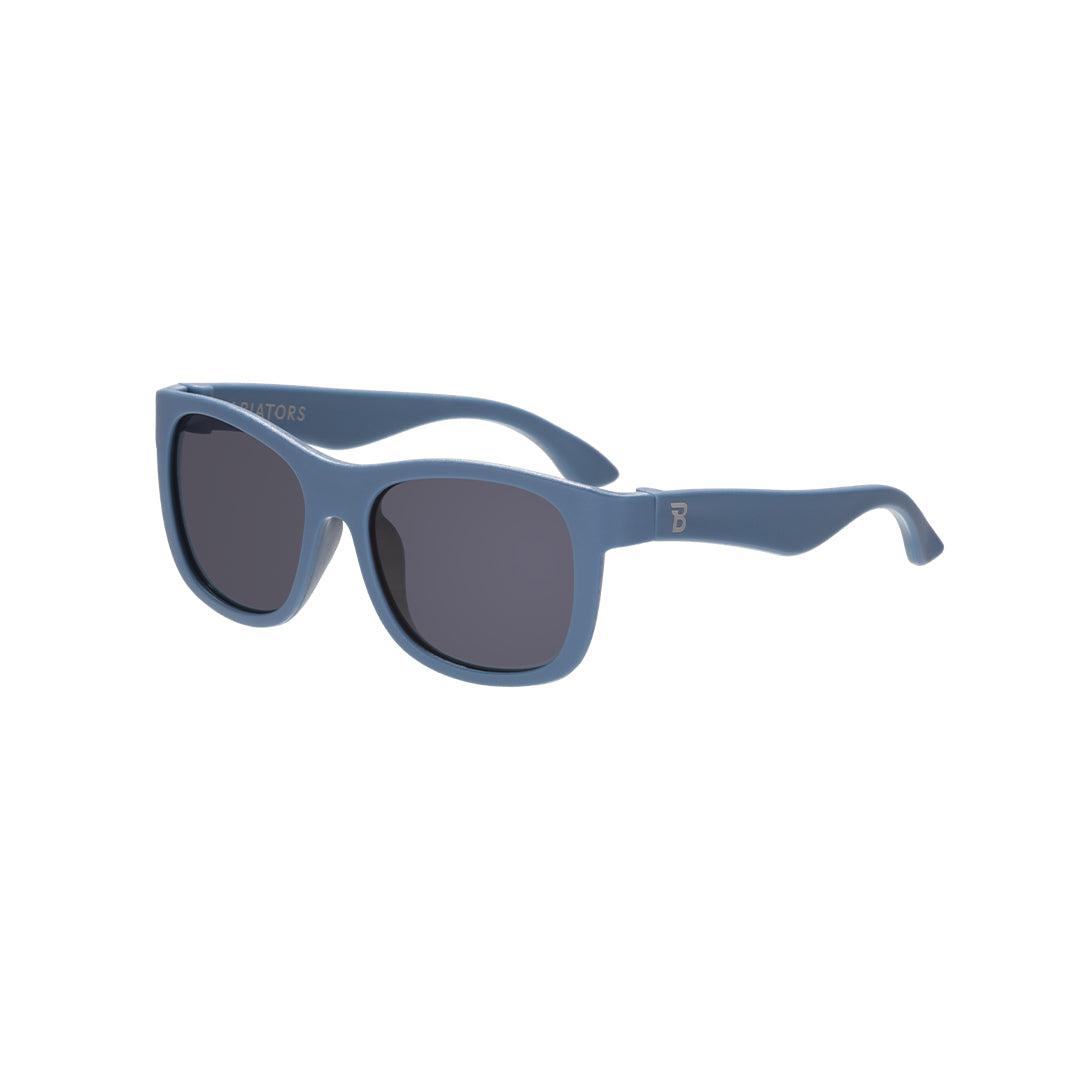
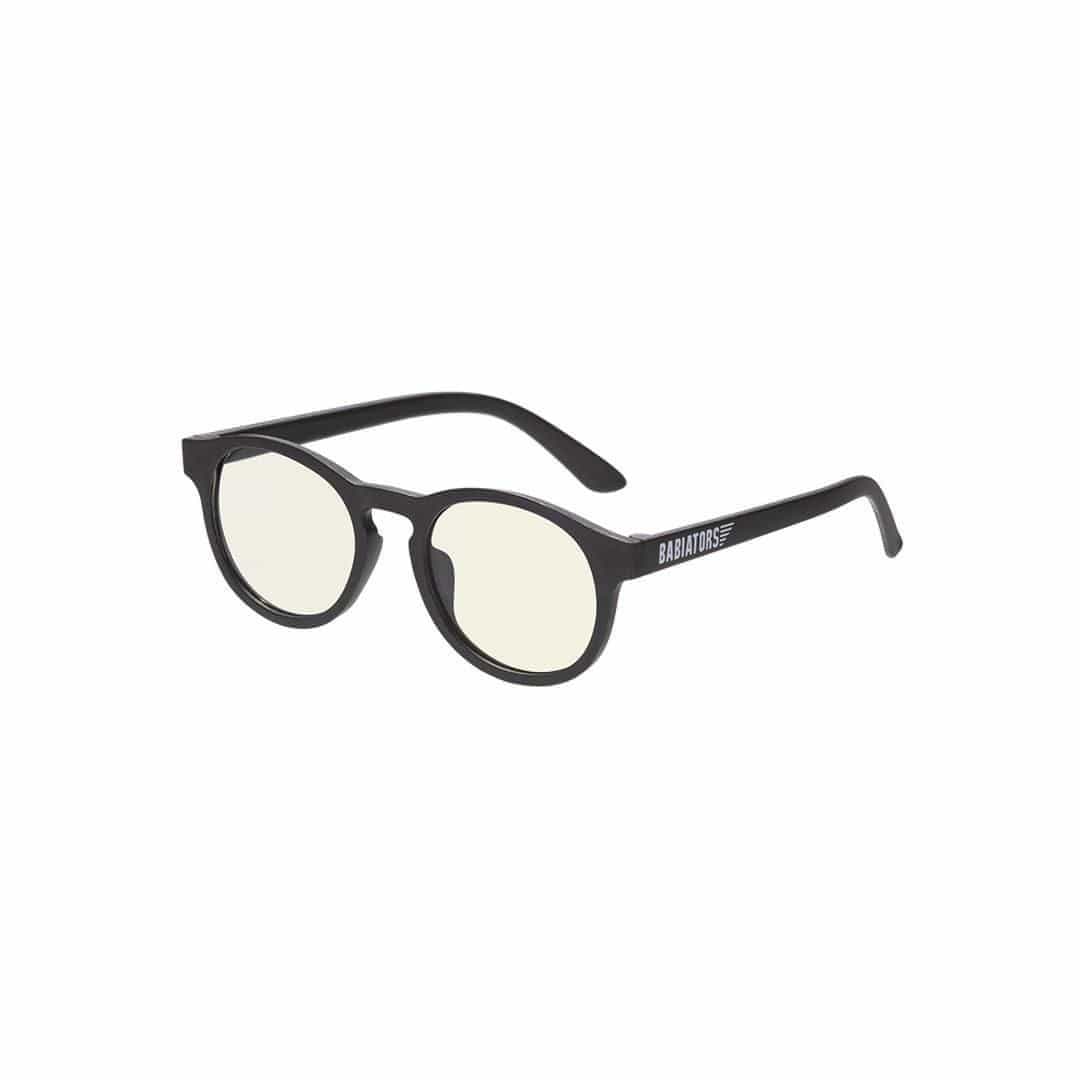
Eyes need their own protection. Children’s eyes are still developing, and squinting is not a reliable warning that light is causing harm. Properly fitting sunglasses with 100% UV protection are a practical extra for bright outdoor time, especially near water, sand or snow on family holidays. Babiators sunglasses are made for the bending, dropping and determined independence that comes with young children, while helping parents raise their sun safety game.
Sunscreen remains useful for skin that clothing and shade do not cover. Apply it generously before outdoor time and reapply according to the product directions, after water play or when children have been sweating. For babies, seek advice from a health professional if you are unsure which approach is right for their age or skin needs.
Make the shaded area inviting, not separate
Children will use shade willingly when it feels like the best place to be. Add comfortable outdoor cushions or a wipe-clean mat, a low shelf of favourite toys and a table that suits their height. Bring out a basket of crayons, chunky puzzles or toy animals when the sun is strongest. For group care, rotate popular activities through the covered zone so no child feels they have been moved away from the fun.
A water station nearby is useful, but keep it stable and easy to reach. In a nursery setting, consider a simple routine: hats on before the door opens, water breaks built into play, and a quick check of whether the shade still covers the activity as the day moves on. These small habits are easier to keep than complicated rules introduced only during heatwaves.
Check your setup through the seasons
Outdoor shade needs occasional attention. Inspect fixings, fabric and poles after high winds. Clean off leaves and standing water, and look for fraying, rust or loose anchors. If a shade sail sags, it may collect rainwater and lose the tension that helps it work safely.
Review the layout at the start of spring and again in midsummer. As the sun shifts, you may need to move a table, add a side panel or change the timetable for outdoor play. On cloudy days, keep the same sensible approach: UV can still be present even when the sky does not look especially bright.
The best shaded nursery space is not the most elaborate one. It is the one your child can use happily, every day, while you know there is a cool place to pause, play and look after those little eyes.
 Back to Blog


