








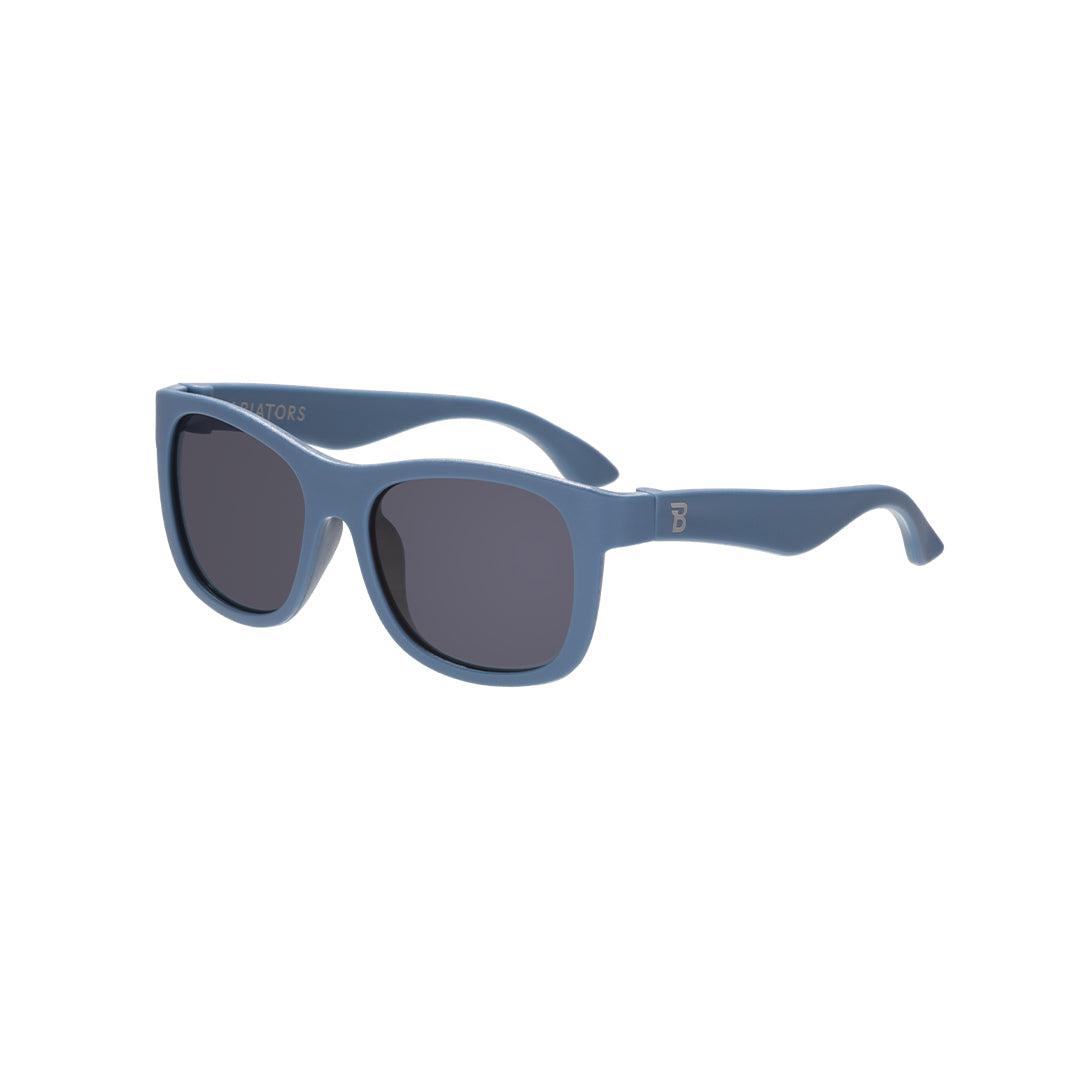
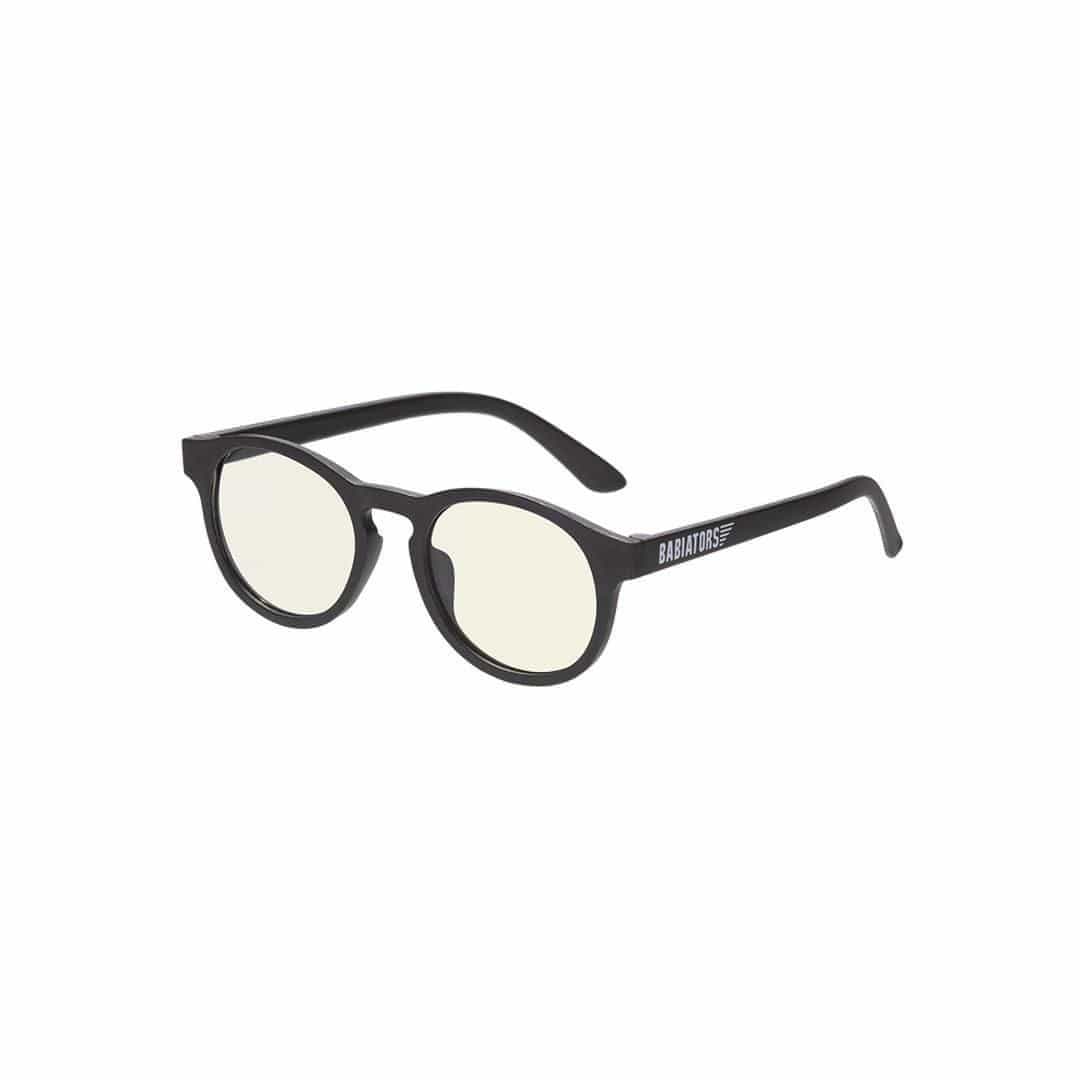


Kids Sunglasses for Outdoor Play That Keep Up
A sunny playground, a beach day, a buggy walk or a family ski trip can all mean more UV exposure than parents expect. The best kids sunglasses for outdoor play do more than look adorable in a photo: they protect young eyes, stay comfortable through big movement and survive the inevitable drop, bend and scramble into a coat pocket.
For little ones, sunglasses are not a grown-up accessory scaled down. They are practical outdoor kit. When a pair fits well and feels good, children are far more likely to keep it on - which is exactly what busy parents need.
Why kids sunglasses for outdoor play matter
Children often spend their happiest hours outside, with faces tilted up towards the sky. Their eyes are still developing, and they may not notice glare or understand when sunlight is making them squint. That is why proper UV protection matters on bright summer days, but also on overcast afternoons, at high altitude and around water, sand or snow where light reflects back up.
A dark lens alone is not the answer. The key feature is 100% UV protection. This filters harmful UVA and UVB rays while your child plays, explores and travels. Think of it as sun cream for their eyes: something to use as part of an everyday sun-safety routine, alongside a hat, shade and regular breaks from intense midday sun.
Sunglasses can also make outdoor play more comfortable. Less glare can mean fewer complaints on scooter rides, less squinting at the football pitch and a happier passenger on a sunny car journey. They will not replace a hat with a brim or the need to seek shade, but they are a small piece of kit with a big job.
Start with fit, not age alone
It is tempting to choose the style that best matches a tiny wardrobe, but a great fit comes first. Frames that are too wide can slide down a child’s nose. Frames that are too narrow can pinch at the temples. Either way, they are likely to come off within minutes.
Age-based sizing gives parents a useful starting point, especially when shopping online. Babies and toddlers generally need a smaller frame designed for their narrower faces, while preschool and older children need more room across the front and arms. Still, every child is different. If your child is between sizes or has a particularly petite or broad face, check the frame measurements and compare them with sunglasses that already fit well.
Look for a pair that sits securely without leaving marks, with the lenses centred in front of the eyes rather than resting on the cheeks. The arms should feel snug enough for running and climbing, but not so tight that your child keeps tugging them off. A flexible frame can make this balance much easier to achieve.
The stay-on test at home
Before heading out for the day, let your child wear their sunglasses indoors for a few minutes. Ask them to look up, down and side to side, then have a crawl, dance or run around the room. If the frame slips repeatedly, presses behind the ears or blocks their view, try another size or shape.
For babies, short and positive practice works best. Pop the sunglasses on during a buggy walk or while looking at something exciting outside. There is no need to force it. Familiarity builds quickly when sunglasses become part of the usual hat-and-shoes routine.
Choose frames made for real kid behaviour
Outdoor play is hard on everything. Sunglasses get dropped onto paving stones, sat on in the garden and squeezed into changing bags alongside snacks and toys. Delicate, rigid frames can turn a small accident into another thing to replace.
For everyday adventures, choose lightweight frames built to bend rather than snap under normal child handling. Flexible materials are more comfortable too, particularly for toddlers who are still getting used to anything sitting on their face. A lighter pair is less likely to feel distracting during a long walk, a picnic or a full morning at the park.
Durability does not mean a pair should be treated as indestructible in every situation. Sunglasses can still be scratched, lost or damaged by sharp objects. A case or pouch helps when they are not being worn, and a quick wipe with a soft cloth keeps lenses clearer than a T-shirt sleeve ever will.
At Babiators, the goal is simple: frames that are virtually indestructible for real childhood, backed by the Awesome Guarantee, which replaces broken sunglasses free for one year. That reassurance is valuable when your child is at the enthusiastic throwing-and-stomping stage.
Lens choice: keep protection simple
Every pair for outdoor play should offer full UV protection. Beyond that, the right lens depends on where and how your family spends time outside.
Standard lenses are a brilliant everyday choice for walks, nursery runs, the playground and garden play. They provide the essential protection children need without overcomplicating the decision. A lens tint can make bright conditions more comfortable, but it should never be used as a shortcut for checking UV protection.
Polarised lenses are worth considering for particularly reflective settings. They can reduce reflected glare from water, snow, wet pavements and sand, which can make a noticeable difference on beach holidays, boat trips and ski breaks. The trade-off is that polarised sunglasses may cost more, and some children will be perfectly happy with standard lenses for their regular park-and-play routine.
Lens colour is mostly about comfort and style. Grey lenses tend to give a more neutral view in bright light, while other tints may feel warmer or brighter. The most important checks remain the same: clear vision, a secure fit and 100% UV protection.
Make sunglasses part of the outdoor routine
The easiest sunglasses to use are the ones that leave the house with you. Keep a pair near the front door, in the buggy organiser or in the changing bag, just as you would keep sun cream and a spare snack. That way, a surprise patch of sunshine does not catch you out.
Children are more likely to wear sunglasses when they have a say. Let them choose between two parent-approved frame shapes or colours. A child who loves bright flowers, playful hearts, classic aviators or a modern round frame is more likely to claim that pair as their own.
It also helps to model the habit. Put your own sunglasses on when the light is strong and say what you are doing in simple terms: “The sun is bright, so we are protecting our eyes.” Older siblings can be powerful influencers too. What begins as copying soon becomes routine.
When sunglasses should come off
Sunglasses are designed for bright outdoor conditions, not every moment of the day. Take them off indoors, in low light and whenever they interfere with a child’s ability to see clearly. For active play, check that lenses are clean before they start climbing or cycling. Smudges can be surprisingly distracting.
If your child complains of headaches, blurred vision, eye pain or persistent light sensitivity, do not assume sunglasses will solve it. Speak with an optician or healthcare professional for individual advice.
A small habit with lasting value
The right sunglasses do not need to slow childhood down. They should be light enough for cartwheels, tough enough for tumbles and comfortable enough to be forgotten about once the fun begins. Pick a secure, child-ready frame with 100% UV protection, make it part of the leaving-the-house routine and let your little one choose a style they cannot wait to wear. That is how raising sun safety can feel like another brilliant day outside.
 Back to Blog

