










Kids Sun Safety Trends Parents Can Trust
That tiny pair of sunglasses at the bottom of the changing bag can do more than complete a holiday outfit. For children, reliable eye protection is part of everyday outdoor care, whether you are heading to the park, doing the nursery run or packing for a bright day at the beach. The best kids sun safety trends are not about following a look for one season. They make it easier for families to build protection into real life.
Parents are rightly asking better questions: Do the lenses offer genuine UV protection? Will they stay on? Can a toddler bend them, drop them and still wear them tomorrow? The answer matters because young eyes and skin need thoughtful protection from the start.
Kids sun safety trends are becoming everyday habits
For years, sun protection was often framed as a hot-weather checklist: sunscreen, hat, then off you go. Now, families are taking a more rounded approach. They know UV exposure is not reserved for cloudless summer days, and that children spend plenty of time outside on school runs, in gardens, at playgroup and on family holidays.
This shift is brilliantly practical. It is less about making outdoor time complicated and more about keeping a few dependable habits close at hand. A wide-brimmed hat, shade when the sun is strongest, age-appropriate sunscreen on exposed skin and sunglasses that offer 100% UV protection can work together. No single item does every job.
Sunglasses are particularly useful because hats cannot block every angle of light. Reflected glare from water, sand, snow, pavements and even a bright pushchair tray can reach little eyes. Clouds can soften the heat without removing UV, too, which is why eyewear belongs in the changing bag beyond the height of summer.
Protection is taking priority over pretend sunglasses
One of the most welcome changes is that parents are looking beyond dark lenses and cute colours. A dark lens may feel comfortable in bright light, but darkness alone does not tell you whether it blocks UV. For children’s sunglasses, look for a clear 100% UVA and UVB protection claim from a trusted specialist.
This is where a little label-reading makes a big difference. Lens tint helps manage visible brightness and glare, while UV protection is the non-negotiable safety feature. Polarised lenses can be a great option for especially reflective settings, such as seaside days, boating, ski trips or long car journeys. They reduce reflected glare, but they do not replace the need for full UV protection.
The right choice depends on how your family spends time outdoors. For everyday nursery pickups and park adventures, durable UV-protective sunglasses may be all you need. For a sunny holiday or a child who finds glare particularly uncomfortable, polarised lenses can offer an extra level of visual comfort.
A better fit is now part of sun safety
There is little benefit in sunglasses that live on top of a child’s head, slide down their nose or are rejected after thirty seconds. That is why sizing has become a bigger part of the conversation. Age guidance is a helpful place to start, but head shape, nose bridge and comfort all count.
Frames designed for babies, toddlers and older children should feel secure without pinching. Lightweight, flexible materials help, especially for little ones still learning that sunglasses are not a chew toy, a frisbee or something to throw from the buggy.
A practical fit check is simple. The frame should sit comfortably on the ears and nose, cover the eye area well and stay in place when your child looks down or turns their head. If they are constantly pushing the glasses back up, try a different size or shape rather than asking them to tolerate an awkward fit.
Durability is no longer a bonus
Parents do not need more fragile things to protect. That is why the move towards child-proof eyewear is one of the most useful kids sun safety trends. Children test everything. Glasses get sat on, stuffed into pockets, dropped on paving slabs and bent during an enthusiastic game of superheroes.
Durable frames are not simply about saving money, although fewer replacements certainly help. They also support consistency. When children have a pair they can wear comfortably and parents can trust to survive everyday adventures, sunglasses are more likely to become a normal part of getting ready to go out.
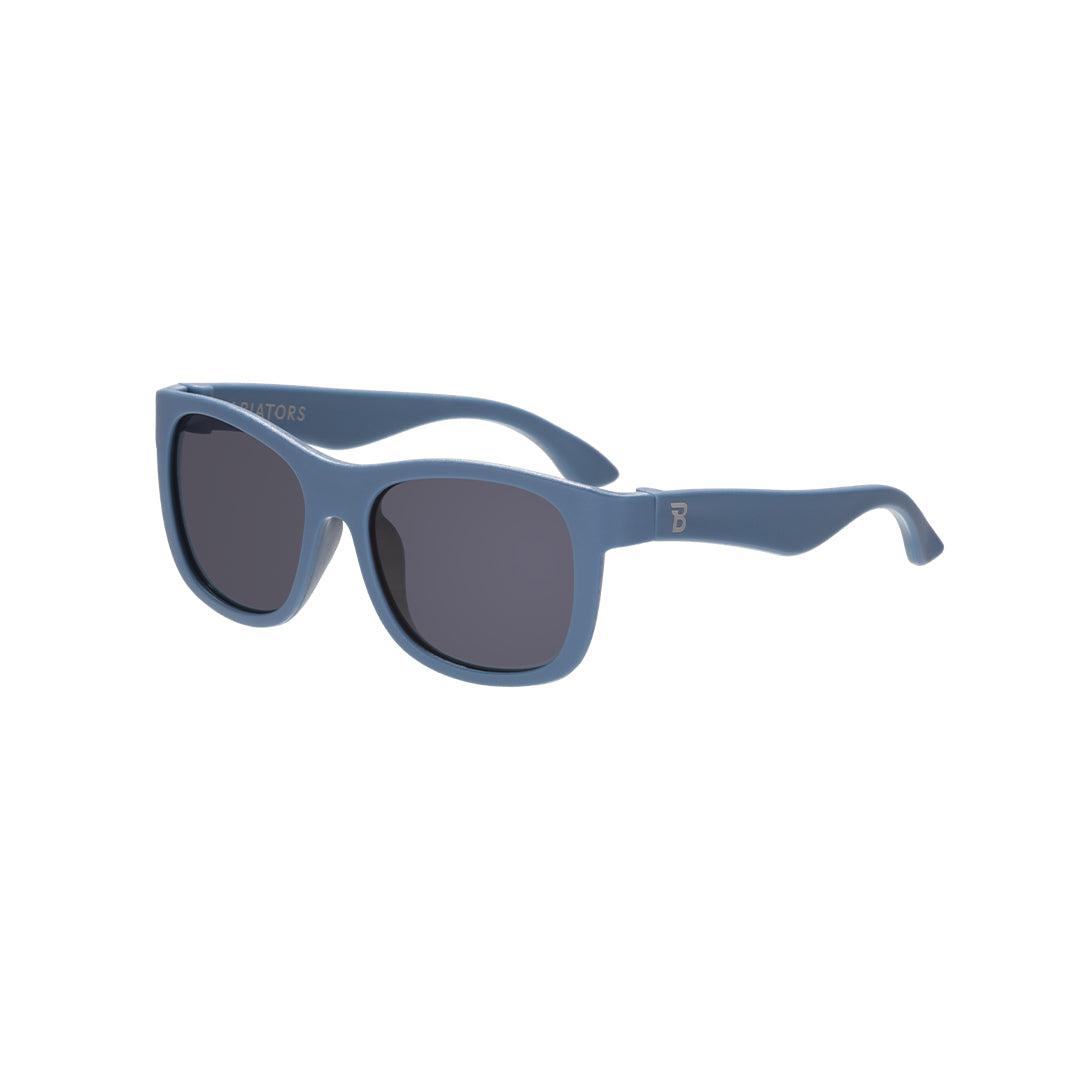
At Babiators, this thinking sits behind sunglasses made to be virtually indestructible, with 100% UV protection and an Awesome Guarantee that replaces broken pairs free for one year. It is a parent-friendly promise because life with children is not always gentle.
Style is helping children say yes
A sun-safe habit only works when children are willing to take part. The good news is that protective eyewear does not have to look serious or boring. Modern children’s frames come in playful shapes, bright colours and classic styles that give little personalities plenty to choose from.
Letting a child pick between two parent-approved options can be surprisingly effective. A toddler who chose the flower frames or the bold aviator shape is more likely to claim them as their own. For older children, this small bit of independence can turn reminders into routine.
There is a sensible balance, though. Choose the safety features and fit first, then have fun with the style. The pair that gets worn is always better than the perfect-looking pair left in its case.
Families are thinking beyond the beach
Sun safety is becoming more seasonal and more location-aware. A British summer holiday may bring intense midday sunshine, but winter breaks deserve attention too. Snow reflects sunlight strongly, and mountain conditions can feel bright even when the air is cold. Likewise, a breezy day at the coast can be deceptively sunny because children do not always feel hot.
Water play is another moment to plan ahead. UV-rated sunglasses, a hat and regular shade breaks can make long beach or pool days more comfortable. For babies and very young toddlers, shaded spaces are especially valuable. A pram canopy may provide some cover, but keep airflow in mind and avoid turning the buggy into an enclosed, overheated space.
The same common sense applies at home. Keep sunglasses near the front door, with hats and sunscreen, rather than storing them only with holiday gear. When everything is together, it is easier to grab what you need before a quick garden play session turns into an afternoon outside.
Screens are not the main story
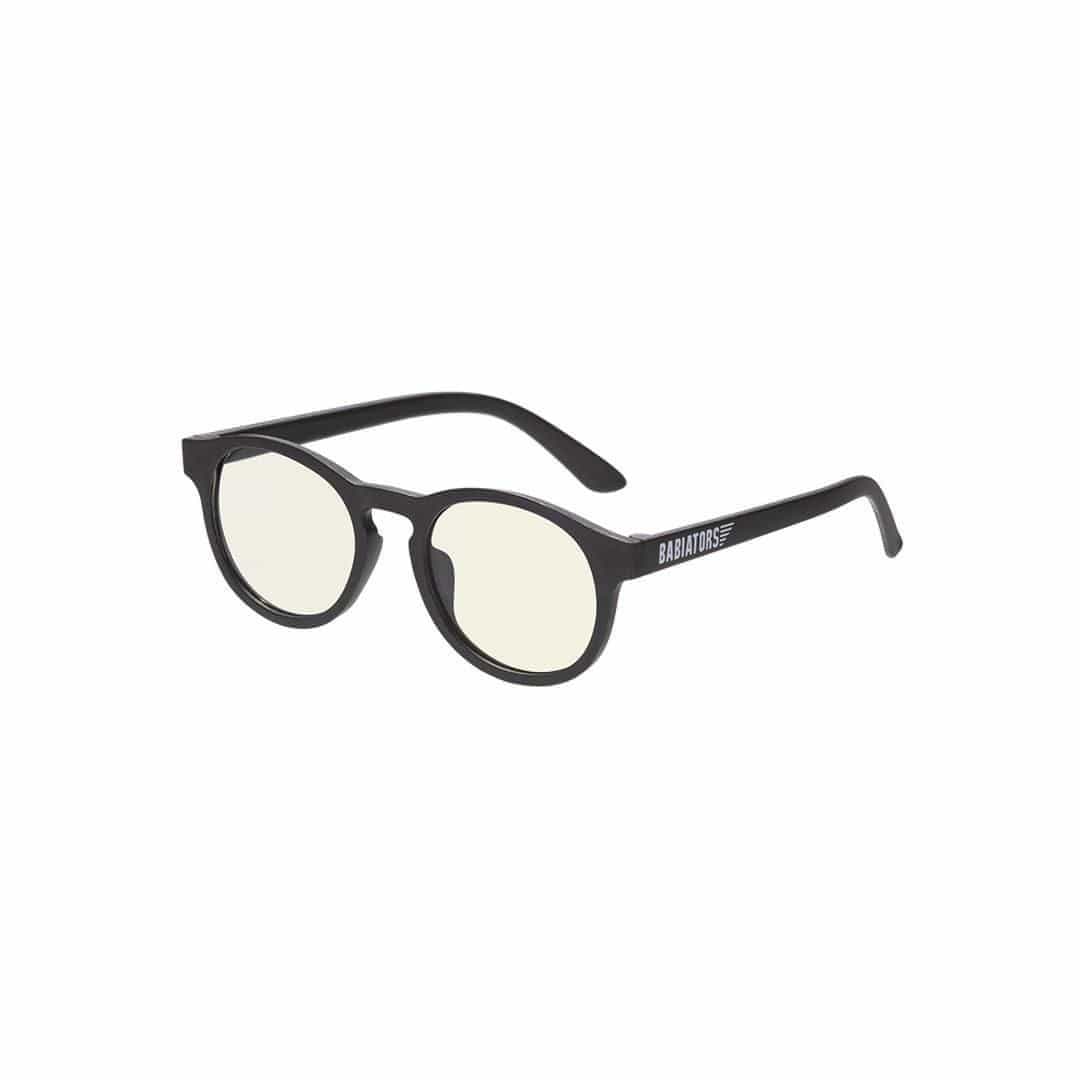
Some sun-safety messaging gets tangled up with blue-light claims. For outdoor eyewear, parents can keep the priority clear: UV protection comes first. Sunglasses are designed to help protect eyes from the sun’s ultraviolet rays and make bright conditions more comfortable. They are not a substitute for shade, hats or sunscreen, and they do not make it safe to stare at the sun.
If your child has unusual sensitivity to light, persistent eye discomfort or you are unsure what eyewear is appropriate, speak to an optician or healthcare professional. Everyday sun safety should feel straightforward, but individual needs can vary.
How to make sun protection stick
The most successful routine is usually the least dramatic one. Put sunglasses on when you put on shoes. Wear your own pair so children can copy you. Offer praise when they keep them on, rather than turning every refusal into a battle.
It also helps to plan for the predictable mishaps. Keep a protective case or pouch in the bag, clean lenses with a soft cloth and check occasionally that the frame still fits well. If a pair is scratched, damaged or no longer comfortable, replace it. Protection is only useful when the sunglasses are wearable.
The direction of travel is clear: less fuss, better protection and gear designed for the wonderfully messy way children actually play. Choose eyewear that fits, protects and survives the adventure, then let the outside world do what it does best: give your child more room to explore.
 Back to Blog

