










How to Choose Toddler Frames That Fit
Your toddler has two speeds when sunglasses go on - delighted for 30 seconds, then suddenly launching them across the buggy. That is exactly why learning how to choose toddler frames matters. The right pair should feel comfortable, stay put through real kid movement, and protect growing eyes without turning every outing into a negotiation.
How to choose toddler frames without guesswork
Parents usually start with style, then get stuck on fit. Fair enough - tiny faces are hard to judge online, and no one wants to buy a pair that slips down a nose or pinches behind the ears. The easiest way to make a smart choice is to work through three things in order: size, protection, and durability. Once those are right, style becomes the fun part.
For toddlers, frames should look proportionate to the face rather than oversized for the sake of fashion. Bigger lenses can give good coverage, but if the frame is too wide it will slide every time your child looks down, runs, or wriggles into the car seat. Too narrow, and it can feel tight and leave marks. Good toddler frames should sit securely, cover the eye area well, and feel light enough that your child forgets they are wearing them.
Start with age-based sizing
If you are wondering how to choose toddler frames online, age-based sizing is the best place to begin. It removes a lot of the guesswork, especially when you cannot try pairs on in person. For most brands designed specifically for children, sizes are grouped by age because face shape and head width change quickly in the early years.
That said, age is a guide, not a rule. Some two-year-olds still suit a smaller frame, while some three-year-olds need more width across the front. If your child is between sizes, think about how the current sunglasses fit. If pairs often leave red marks or feel snug, size up. If they constantly slip off or sit low on the nose, stay with the smaller size.
It also helps to think about what the sunglasses are for. A pair for everyday nursery runs and park trips should be easy and secure. A pair for a beach holiday, long days outside, or bright conditions in the mountains may need a little more wrap and coverage. Fit is always the first job.
Signs the fit is right
A good fit looks simple because it is. The frames should sit straight across the face, not tilted or perched. The pupils should line up nicely with the centre of the lenses, and the arms should rest comfortably without pressing hard at the temples.
Watch what happens when your toddler moves. If the frames stay in place when they look down, shake their head, or toddle about, that is a good sign. If the sunglasses immediately slide forward, the frame is probably too wide or too heavy.
Signs the fit is wrong
If your child keeps pulling the sunglasses off, comfort may be the issue rather than attitude. Frames that pinch can irritate quickly. So can pairs that bounce on the nose or brush the cheeks every time your child smiles.
Fogging can also be a clue. A little misting happens now and then, especially on cooler days, but constant fogging may mean the fit is too close in the wrong places. And if your toddler can easily peer over the top or around the sides, the frame is not giving enough useful coverage.
Prioritise 100% UV protection
Cute frames are lovely. Proper eye protection is non-negotiable. Toddlers spend a lot of time outdoors looking up, running around open spaces, and sitting in buggies where sunlight can hit from awkward angles. Their eyes are still developing, so UV protection matters just as much for them as it does for adults, if not more.
When choosing sunglasses, look for clear confirmation of 100% UV protection. That is the baseline. Dark lenses alone do not tell you anything useful about safety. A lens can look very tinted and still fail to provide the protection your child needs.
This is where parents can get distracted by appearance or lens colour. Grey, brown, mirrored, bright - those choices can affect comfort and style, but they do not replace proper UV filtering. Raise your sun safety by checking the protection standard first, then move on to the look you love.
Choose toddler frames built for real life
Toddler sunglasses do not live a gentle life. They get bent, dropped, chewed, stuffed into changing bags, sat on in the pushchair, and flung dramatically at least once before lunch. So when thinking about how to choose toddler frames, durability should be near the top of your list.
Lightweight flexible frames tend to work best because they are more comfortable and more forgiving under pressure. A rigid pair may feel sturdy in your hand, but on a busy toddler it can crack, dig in, or become a short-lived purchase. Parents want no-drama sunglasses, and that usually means frames designed to flex and bounce back.
There is a trade-off here. Very soft frames can feel brilliant for comfort, but they still need enough structure to hold their shape and sit properly. The sweet spot is a pair that feels virtually indestructible while still looking polished and fitting neatly.
A strong replacement promise can also make a difference, especially if this is your child’s first proper pair. Babiators UK, for example, backs its children’s sunglasses with an Awesome Guarantee that replaces broken pairs free for one year. For parents tired of buying flimsy sunglasses again and again, that kind of reassurance removes a lot of risk.
Think about lens type for your routine
Not every family needs the same lens. If your toddler mostly wears sunglasses in the garden, at the park, or on everyday walks, standard lenses may be all you need as long as the UV protection is there. But if you spend lots of time around water, bright pavement, snow, or reflective surfaces, polarised lenses can be a smart upgrade.
Polarised lenses help reduce glare, which can make bright conditions more comfortable. That can be especially handy for holidays, beach days, buggy naps on sunny pavements, or winter trips when light bounces off snow. Some children are more sensitive to brightness than others, so this choice depends on your routine.
There is no need to overcomplicate it. Start with where your child will actually wear them. The best lens is the one that suits your family’s day-to-day life and gets worn happily.
Let style help, not hinder
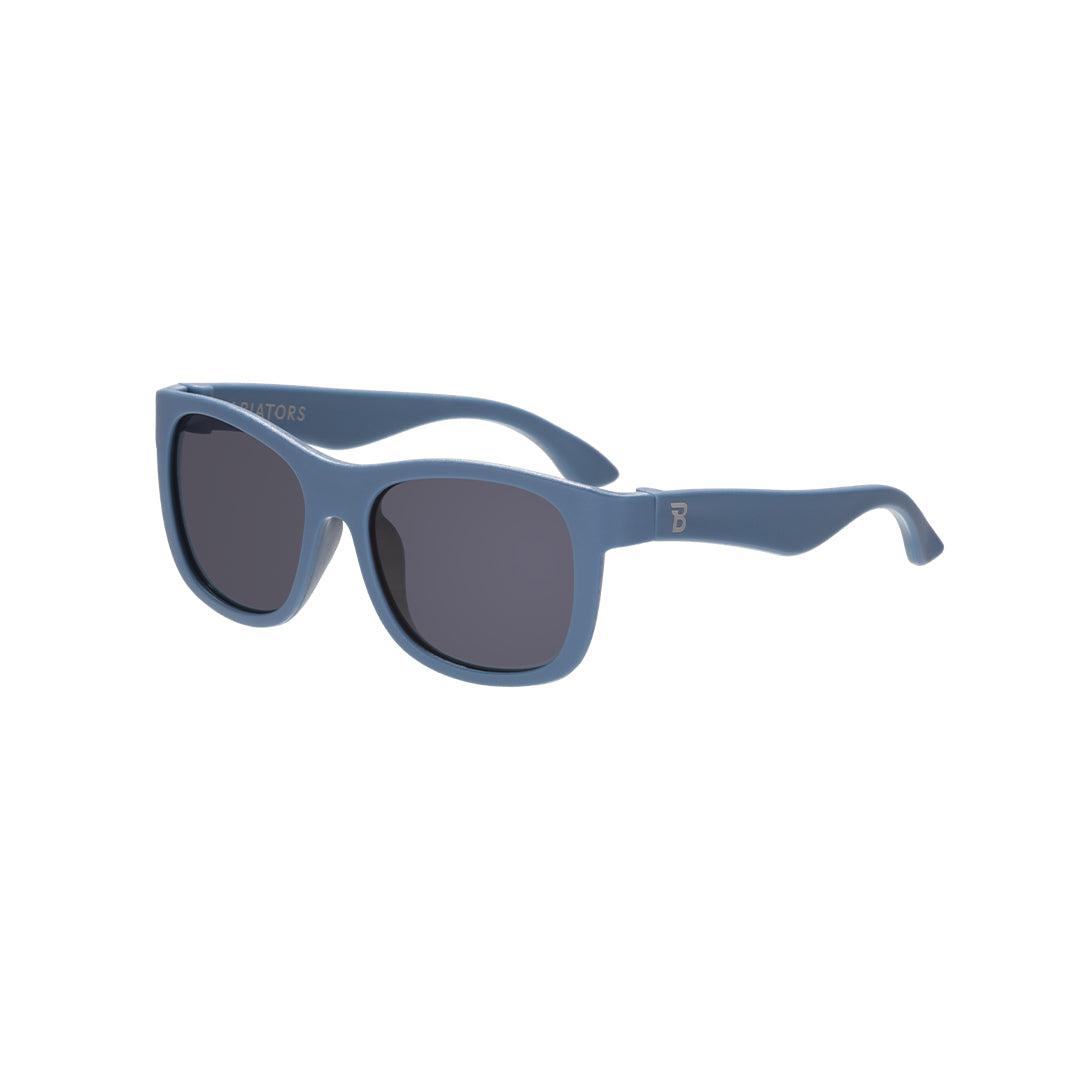
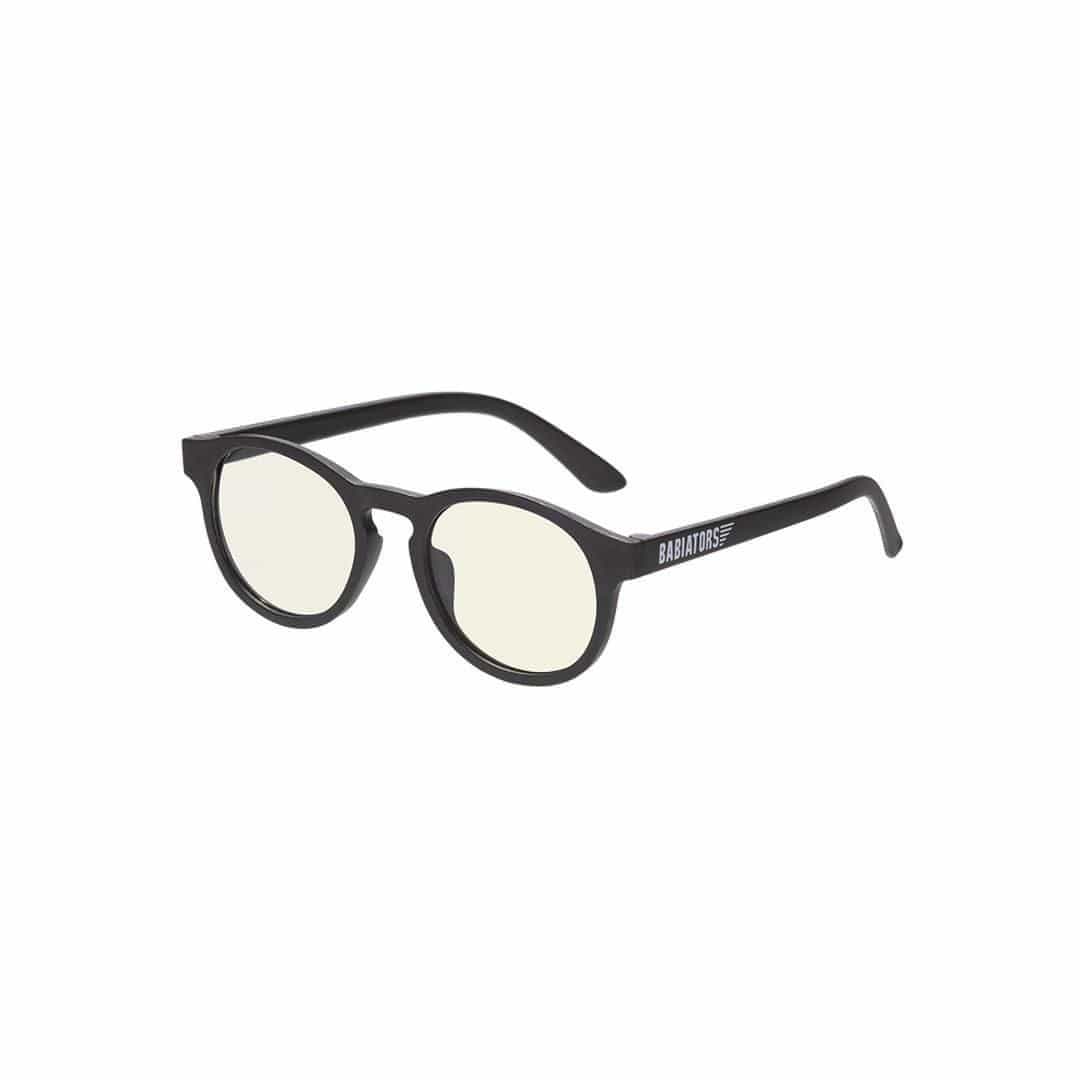
Once fit, protection and durability are sorted, style becomes useful. Toddlers are far more likely to keep sunglasses on if they like the look and feel of them. That is why shape matters. Some children suit rounded frames, while others do better with a more classic navigator or keyhole shape that sits securely and gives a familiar fit.
If your child loves bold details, playful options like hearts or flowers can turn sunglasses into something they are excited to wear rather than something you have to persuade them into. For others, a simple modern frame in a cheerful colour does the trick.
The key is not choosing style instead of function. It is choosing style after function. The right pair should still cover well, feel comfortable and survive toddler-level chaos.
How to choose toddler frames for comfort
Comfort is what decides whether the sunglasses stay on past the front door. Look for smooth edges, a light feel, and a shape that does not interfere with cheeks or ears. Toddlers will not explain that the bridge is awkward or the arms are too tight. They will just rip the glasses off and move on.
That is why simple, child-specific design matters more than mini adult sunglasses. Frames made especially for little faces are generally better balanced, easier to wear and less likely to wobble during play.
It can also help to introduce sunglasses at low-pressure moments. Try them in the garden, on a buggy walk, or when your child is already in a good mood. If the frames fit properly and feel nice, acceptance tends to come much faster.
Buy for the season ahead, not just today
Toddlers grow quickly, but that does not mean buying oversized sunglasses for them to grow into. A too-big pair is less protective because it slips, shifts and gets removed. Instead, buy the size that fits well now, with enough flexibility for regular wear over the coming months.
Think about your plans too. If summer holidays, days at the seaside, or sunny weekend outings are coming up, now is the time to get a pair your child can get used to before you really need it. Familiar sunglasses are always easier than a brand-new pair on the first hot day abroad.
The best toddler frames are not just the cutest pair in the basket. They are the ones that fit comfortably, block 100% UV, stand up to real-life wear, and make your job easier every time you head outside. When sunglasses feel good and stay put, sun safety becomes one less thing to battle over.
 Back to Blog

