










How Durable Are Kids Sunglasses Really?
A pair of sunglasses can survive a beach bag, a buggy basket and a toddler tantrum - or give up before lunch. That is why so many parents ask, how durable are kids sunglasses really? It is a fair question, because children do not treat sunglasses like delicate accessories. They twist them, chew the arms, sit on them and fling them across the back seat five minutes after you have finally got them on.
The honest answer is that durability varies wildly. Some kids’ sunglasses are built for real life. Others just look the part on the shelf. If you are buying for a baby, toddler or school-age child, the difference matters. Good sunglasses should protect little eyes from 100% of UVA and UVB rays, but they also need to stay wearable long enough to do that job day after day.
How durable are kids sunglasses really in everyday life?
Durability is not one big feature. It is a mix of materials, design and fit. A frame might be flexible but have weak hinges. Lenses might resist scratches but pop out too easily. A pair can pass a quick bend test in the kitchen and still fail after a week of holidays, nursery and playground adventures.
When parents say they want durable sunglasses, they usually mean something simple - sunglasses that can handle normal kid behaviour without constant replacing. That includes drops on hard pavements, getting squashed in changing bags, being pulled off with one hand and occasionally used as a toy. A durable pair should cope with most of that without snapping, warping or becoming uncomfortable.
There is a limit, of course. No sunglasses are magic. If a child stamps on them repeatedly or shuts them in a car door, even well-made frames may not bounce back. But the best children’s sunglasses are designed to absorb the kind of rough handling that happens in real family life.
What makes kids sunglasses last longer?
The biggest factor is frame material. Cheap plastic often feels stiff and brittle. That might seem solid at first, but brittle frames are more likely to crack at stress points, especially near the bridge and hinges. Flexible rubber-like materials tend to perform better for younger children because they bend under pressure instead of breaking straight away.
Hinges matter too. Traditional metal hinges can be a weak spot if they are small or poorly fitted. They add structure, but they can loosen over time or snap if twisted hard. For babies and toddlers, a simpler hinge design or a flexible frame with fewer rigid parts often holds up better.
Lens quality plays a role as well. Parents usually focus on UV protection first, and rightly so, but durability is tied to the lenses too. If lenses scratch easily, vision becomes less clear and the sunglasses may need replacing sooner even if the frame is intact. If lenses pop out too easily, that is another sign the pair is not built for active wear.
Then there is overall construction. Good sunglasses feel light, but not flimsy. The arms should open smoothly without wobbling. The frame should return to shape after gentle bending. Nothing should feel sharp, loose or uneven. Children’s products get stress-tested by everyday chaos, so details matter.
The frame should bend, not battle back
Parents sometimes assume a firmer frame is stronger. In reality, a little flexibility is usually your friend. A child pulling sunglasses off by one arm puts uneven pressure on the frame. If the material has no give, it is more likely to crack. If it flexes and springs back, it has a much better chance of surviving.
That is especially true for ages 0-2 and 3-5, when sunglasses are being handled as much by little hands as by grown-ups.
Fit affects durability more than most people think
A poor fit breaks faster. If sunglasses slide down constantly, children tug at them more. If they pinch behind the ears or sit too tightly across the face, they get pulled off and thrown aside. If they are too wide, they are more likely to fall onto hard ground.
Sizing is not just about comfort. It is about keeping the sunglasses on the child’s face and out of danger. A pair designed by age range can take a lot of guesswork out of the process.
The biggest causes of breakage
Most broken kids’ sunglasses do not fail because of one dramatic accident. They wear down through repetition. The same pressure points get bent, twisted and stretched every day until something gives way.
The bridge often takes a hit when sunglasses are shoved into pockets or bags. Hinges suffer when children yank the arms outward too far. Lenses pick up scratches from being placed face-down on café tables, playground benches or the bottom of a changing bag with snacks, keys and toy cars.
Heat is another factor parents do not always expect. Leaving sunglasses in a hot car or on a sunny windowsill can affect some materials over time. Frames may warp slightly, and lenses can become more vulnerable depending on the construction. That does not mean you need to treat children’s sunglasses like museum pieces, but it does mean a little care goes a long way.
How to tell if a pair is built for real kids
A product page can promise a lot, so it helps to know what to look for. Start with the basics. The sunglasses should offer 100% UVA and UVB protection and be made specifically for children, not just shrunk-down adult styles.
Then look for signs of genuine child-proof design. Flexible frames are a strong clue. So are lenses designed for active use and a clear sizing system that matches different ages and stages. For many parents, the most reassuring sign is a guarantee. If a brand is willing to replace broken sunglasses within a set period, it usually means they understand exactly how children treat them.
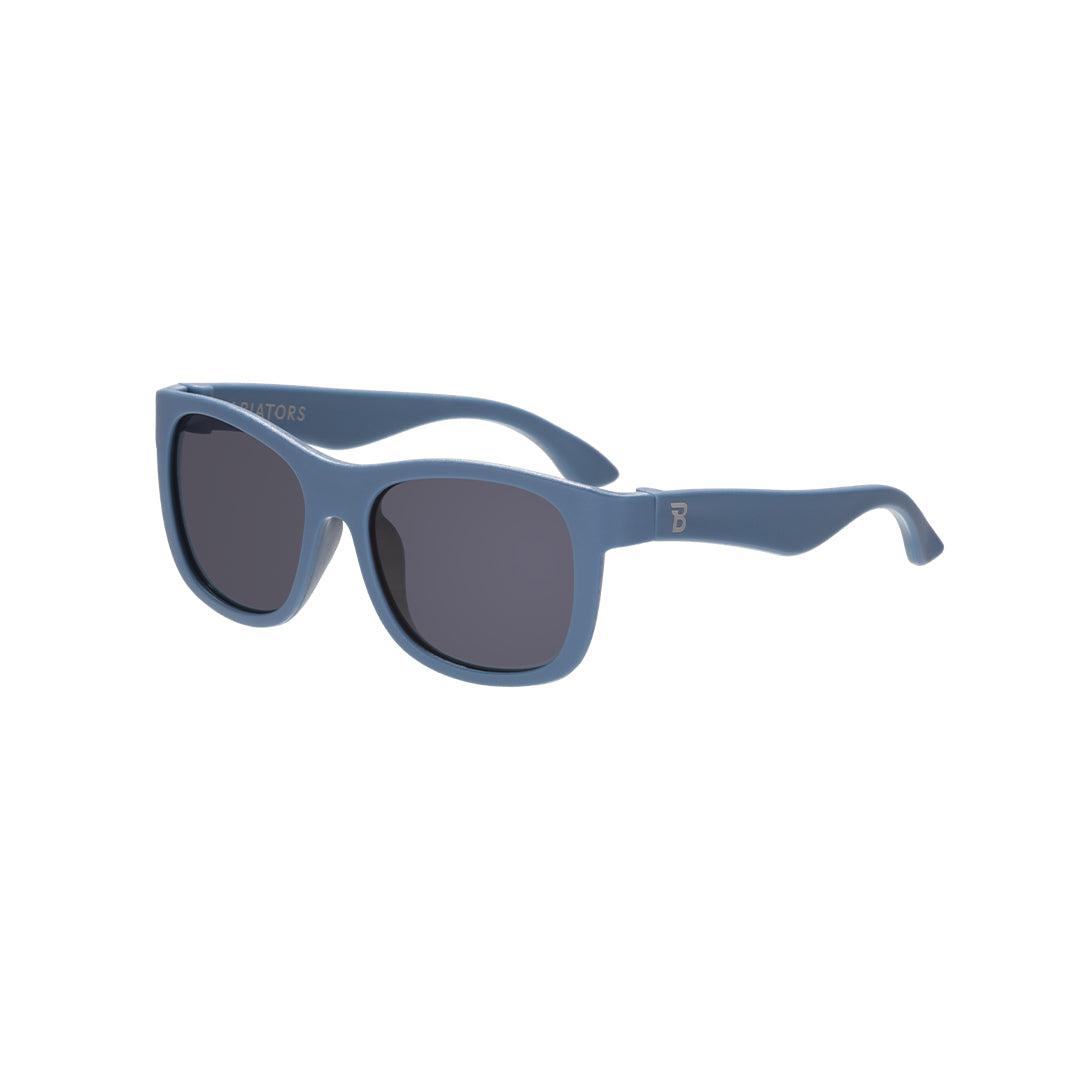
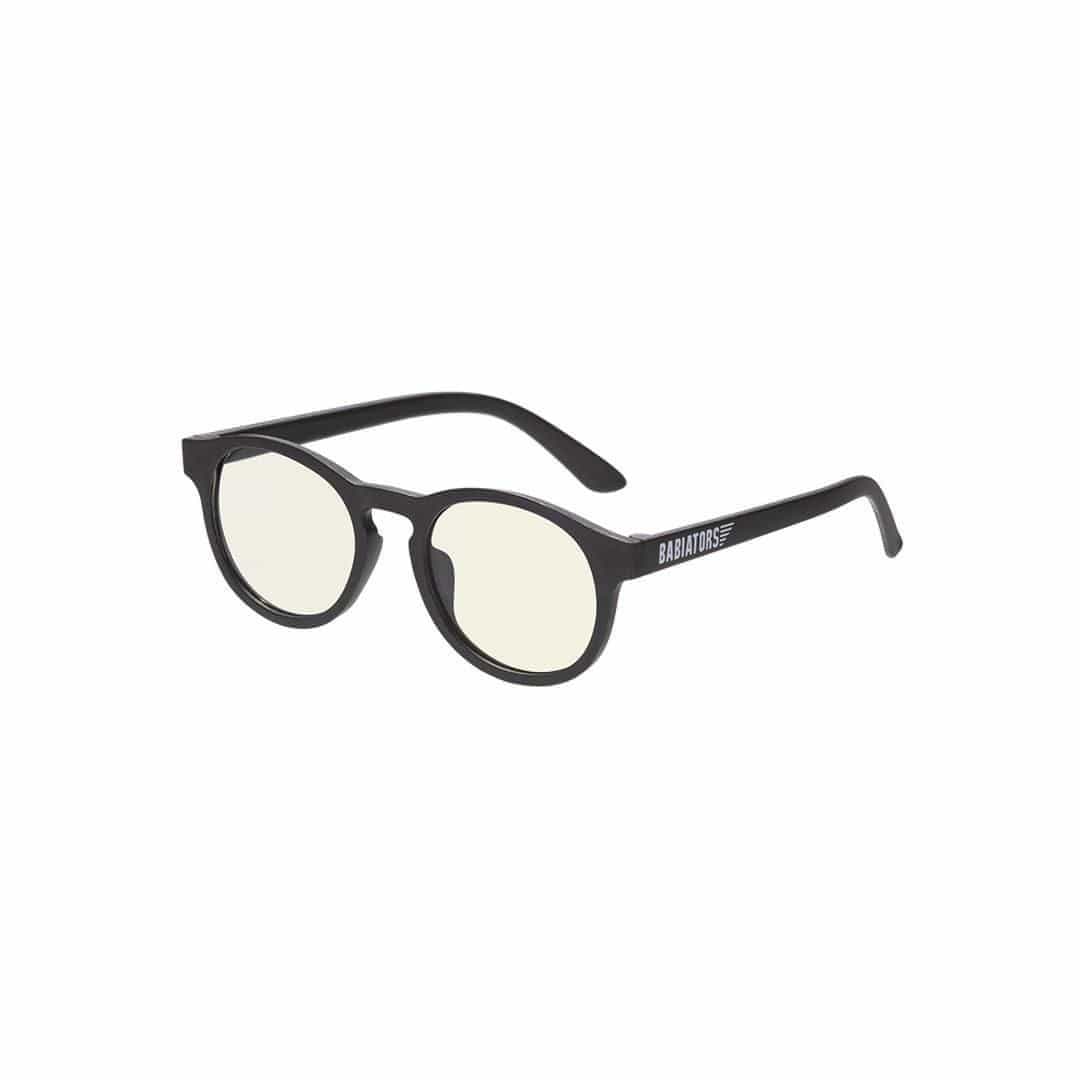
That is one reason Babiators has become a go-to for many families. A pair that is designed to be virtually indestructible, paired with a one-year replacement promise, removes a lot of the usual stress from buying kids’ eyewear.
Red flags worth noticing
If the sunglasses feel rigid, creaky or oddly heavy, be cautious. If the arms do not line up properly, or the lenses seem loose in the frame, those are warning signs. Very low prices can be tempting, especially if you expect kids to lose things, but bargain pairs often become expensive in the long run when they need constant replacing.
Durability versus style - do parents have to choose?
Thankfully, no. That trade-off used to be more common, especially with children’s accessories. You could buy something cute for holiday photos or something practical for daily wear, but not always both.
Now, better-designed kids’ sunglasses can deliver serious protection and durability without looking boring. That matters because children are more likely to wear sunglasses they actually like. Hearts, flowers, aviator shapes, round frames and modern silhouettes all help make sun safety easier, not harder.
Style should never come at the expense of comfort or protection, but it absolutely helps with cooperation. A child who feels good in their sunglasses is less likely to rip them off after thirty seconds.
Do durable kids sunglasses cost more?
Usually, yes - but not always in the way parents expect. A well-made pair may cost more upfront because better materials, safer lenses and stronger construction cost more to produce. But replacing several cheap pairs over one summer can easily add up to more.
The real calculation is value over time. If sunglasses last through nursery runs, park days, holidays and family weekends without falling apart, that is money well spent. Add in proper UV protection and a replacement guarantee, and the higher upfront price often starts to look much more sensible.
For grandparents buying gifts, this matters too. A pair that still looks good and works properly after weeks of wear feels far more useful than something that breaks before the season is over.
How to help sunglasses last even longer
Even durable sunglasses benefit from good habits. Keep them in a case or pouch when they are not being worn. Teach older children to place them lenses-up rather than face-down. Rinse off sand or grit before wiping the lenses, because rubbing dry particles across the surface can cause scratches.
For younger children, the biggest help is simply choosing a pair that fits properly and can handle repeated bending. Parents should not have to spend the summer policing every movement. The whole point of durable kids’ sunglasses is that they keep up with family life.
And that is really the answer. Kids’ sunglasses can be impressively durable, but only when they are designed for actual children, not just mini fashion moments. The right pair will not just survive more chaos - it will make daily sun protection feel a lot easier.
 Back to Blog

