










A Parent’s Guide to Baby Sunglasses Lenses
Babies do not keep sunglasses on for long if they feel wrong. That is usually where parents start - one pair slips, another pinches, and suddenly buying shades feels far more complicated than it should. This guide to baby sunglasses lenses is here to make it simple. When you know what the lenses actually do, what protection matters, and what is just extra marketing noise, choosing the right pair gets much easier.
What matters most in baby sunglasses lenses
The first thing to look for is not lens tint, style, or whether the frame matches a summer outfit. It is 100% UV protection. Babies and young children have developing eyes, and that makes proper sun protection more than a nice extra. If sunglasses are going to do their job, the lenses need to block both UVA and UVB rays.
This is the baseline. Without it, dark lenses can actually be less helpful than you think, because a darker tint may cause the pupil to open wider while still letting harmful UV through. In other words, darkness is not the same thing as protection.
That is why the language on the product matters. Parents should be looking for a clear claim of 100% UV protection, not vague phrases that sound reassuring without saying much.
A guide to baby sunglasses lenses by lens type
Once UV protection is covered, the next question is which lens type makes sense for your child. For most families, the real choice comes down to standard lenses versus polarised lenses.
Standard lenses
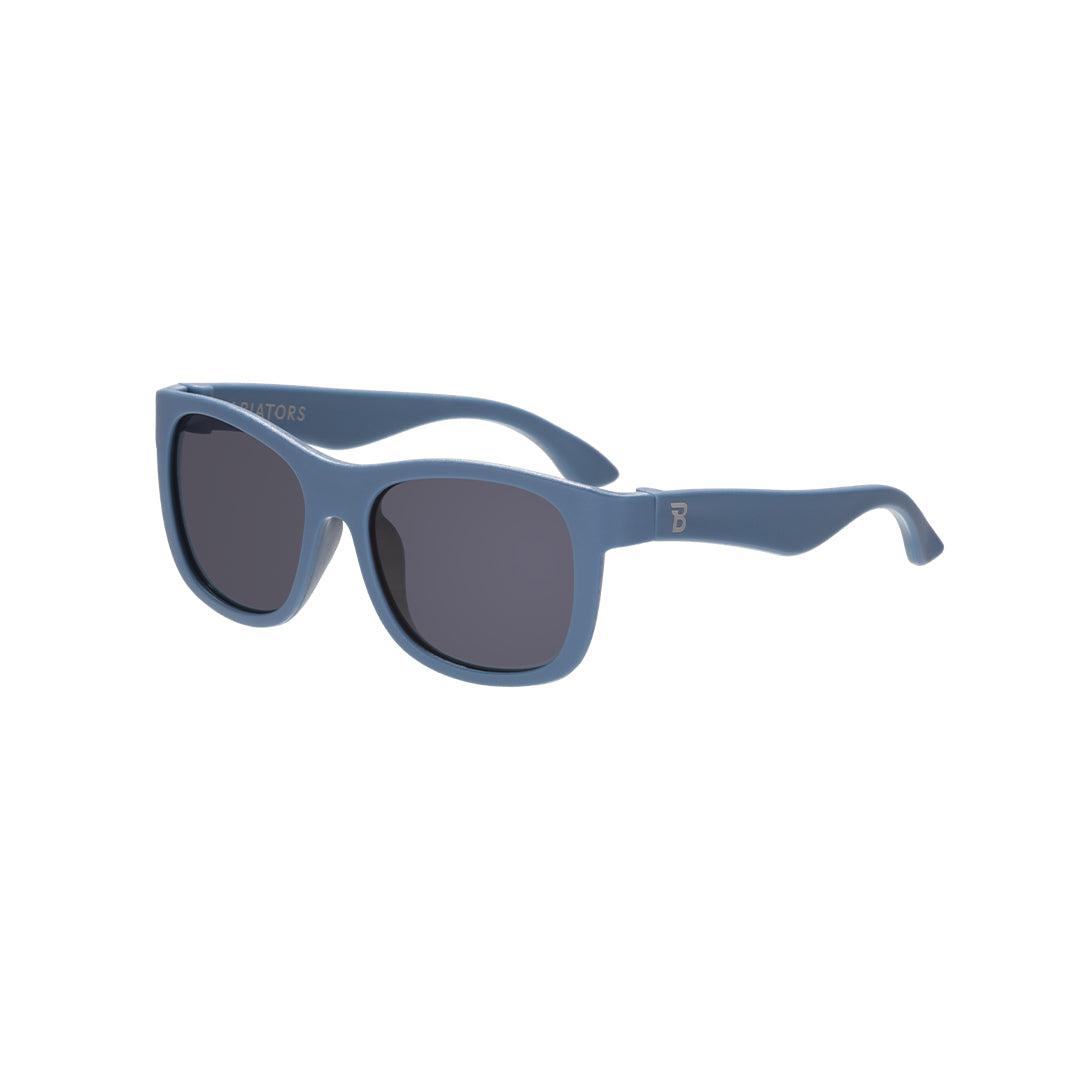
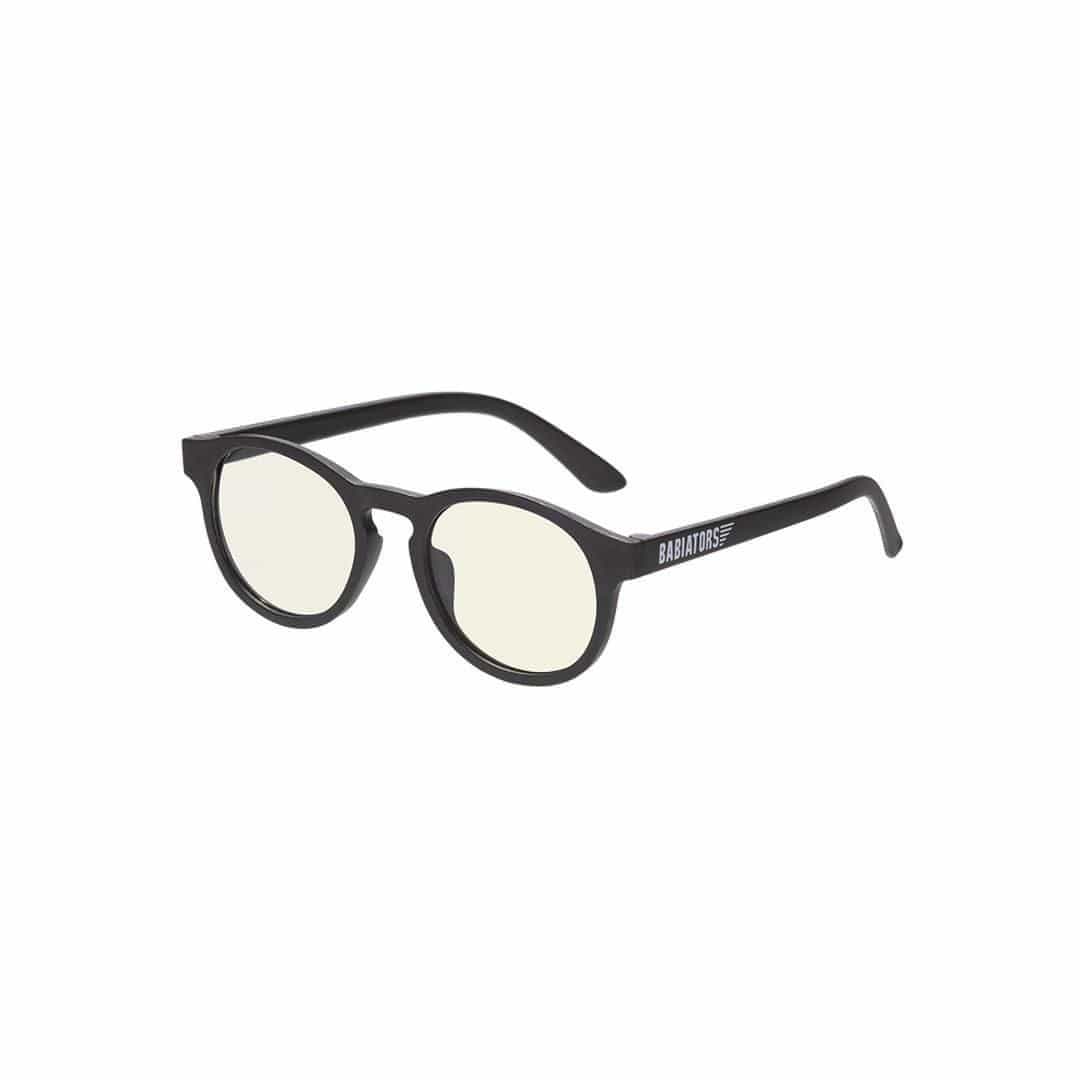
Standard baby sunglasses lenses with full UV protection are a strong everyday option. They protect little eyes from harmful rays and work well for garden play, nursery pick-up, buggy walks, beach days, and general outdoor use.
For many parents, this is all they need. If your baby or toddler is mostly outside for shorter stretches, or if you want a reliable first pair, standard UV-protective lenses are often the most practical place to start.
Polarised lenses
Polarised lenses add another layer of comfort by reducing glare. That matters most around highly reflective surfaces such as water, sand, snow, car windows, and pale paving on bright days. If you have ever squinted by the sea even while wearing sunglasses, you have felt the effect of glare.
For babies and toddlers, polarised lenses can make outdoor time more comfortable, especially on holiday, on ski trips, near the pool, or during long buggy walks in strong sun. The view can appear calmer and less harsh.
That said, polarised lenses are not a must for every child in every situation. They are a great upgrade when glare is the issue, but 100% UV protection remains the non-negotiable part.
Does lens colour matter?
Parents often assume the darkest lens is the safest, but lens colour is more about comfort and visibility than UV protection itself. A properly made lens can be grey, brown, or another shade and still offer full UV defence.
Grey lenses are popular because they reduce brightness without changing colours too much. That can make them a versatile choice for everyday wear. Other tints may feel warmer or change contrast slightly, which some people prefer in very bright conditions.
For babies, the key thing is not chasing a particular lens colour unless there is a specific reason. Comfort, clarity, and proper UV blocking matter more than the exact tint.
Why lens durability matters just as much as protection
A lens can offer excellent sun protection, but if it scratches easily or the sunglasses do not survive a week in real family life, that protection becomes short-lived. Anyone shopping for children knows the pattern - dropped in the park, bent in the changing bag, sat on in the car, launched from the pushchair.
That is why baby sunglasses need lenses and frames built for actual kid behaviour. Durability is not a bonus feature. It is part of what makes sunglasses worth buying at all.
Parents usually do better with lenses designed for active use and frames made to flex rather than snap. A pair that can handle twists, tumbles, and repeat wear will almost always end up being the pair your child actually uses.
For that reason, many families are not just buying lens technology. They are buying fewer replacements, less fuss, and more chance that the sunglasses stay in rotation all season.
Comfort changes everything
Even the best lenses only work if your child keeps the sunglasses on. This is where fit becomes part of lens performance. If a frame is too loose, lenses will slide down and your baby will look over the top. If it is too tight, they come off immediately.
A good fit keeps lenses sitting where they should, covering the eyes properly and staying comfortable during wear. That is especially important for babies and toddlers who cannot explain what feels wrong but will definitely show you.
Age-based sizing helps take some guesswork out of the process. It is one of the easiest ways to narrow your options before you even start comparing lens types. Once the fit is right, babies are far more likely to accept sunglasses as part of the routine rather than a daily battle.
When to choose polarised lenses for your child
If you are unsure whether to upgrade, think about where your child actually spends time outdoors. Polarised lenses make the biggest difference in high-glare settings. A family heading to the beach, boating, skiing, or spending long afternoons around reflective water will likely notice the benefit.
They can also be a smart pick for children who seem bothered by bright light. Some little ones squint heavily or become fussy in strong sun, and reducing glare may help them feel more comfortable.
But there is no need to overbuy if your child mostly wears sunglasses for local walks, playtime in the garden, or short trips out. In those situations, standard lenses with 100% UV protection can do the job brilliantly.
What parents should ignore
There is a lot of noise in the sunglasses market, and not all of it helps. The first thing to ignore is any wording that talks around sun safety without clearly stating 100% UVA and UVB protection. If that information is not easy to find, move on.
It is also worth being cautious about buying based only on appearance. Cute frames matter, and fun shapes absolutely help children want to wear their sunglasses, but style should come after protection, fit, and durability.
Finally, be careful not to assume every premium-looking pair is built for children. Baby sunglasses need to perform under very different conditions than adult sunglasses. That means flexible construction, lightweight comfort, and lenses made for daily rough-and-tumble use.
A practical way to choose the right lenses
If you want the quickest route to a good decision, start with three questions. Does the pair offer 100% UV protection? Is the fit right for your child’s age and stage? Do you need polarised lenses for glare-heavy environments?
That framework covers most families. If the answer to the third question is no, there is nothing wrong with choosing standard lenses and focusing on comfort and durability. If the answer is yes, polarised lenses can be a worthwhile upgrade for brighter, more reflective settings.
For parents who want a bit more reassurance, it also helps to choose a brand built around child-specific protection rather than mini adult styling. At Babiators UK, that means sunglasses made for babies, toddlers, and kids with 100% UV protection, durable designs, and a one-year replacement promise that takes some of the stress out of the purchase.
The best guide to baby sunglasses lenses is real life
The right lenses are the ones that protect your child’s eyes, feel comfortable enough to wear, and hold up to family life without becoming another thing on your replacement list. Sometimes that means choosing polarised lenses for bright holidays and ski trips. Sometimes it means picking a dependable everyday pair that can survive the park, the pram, and the bottom of your bag.
Sun safety does not need to feel technical. Start with full UV protection, think honestly about how your child spends time outdoors, and choose lenses that make wearing sunglasses easy. When the pair fits well and feels good, keeping little eyes protected becomes one less thing to wrestle with.
 Back to Blog

