










Do Kids Need Sunglasses in Winter? Yes, Often
A frosty morning at the park can feel far less sunny than a July afternoon, but your child may still be squinting hard in the buggy, on the scooter or halfway down a ski slope. So, do kids need sunglasses in winter? Very often, yes. Winter brings low, bright sun, strong reflections and ultraviolet (UV) exposure that can make outdoor time uncomfortable for little eyes.
Sunglasses are not just a warm-weather extra. They are everyday sun-safety kit when conditions call for them, especially for babies and children who spend time outside. The simple rule: if the sun feels bright enough for you to reach for your own shades, pack your child’s too.
Why kids need sunglasses in winter
UV rays do not disappear when the temperature drops. They can pass through clouds, and winter sunshine often sits lower in the sky. That low angle can shine directly into a child’s eyes during the school run, a weekend walk or a pushchair nap.
Young children can find glare particularly bothersome because their eyes are still developing and they may not have the words to tell you what feels uncomfortable. Instead, you might see persistent squinting, turning their face away, rubbing their eyes or getting grumpy when the sun is in front of them. A well-fitting pair of sunglasses gives them a more comfortable view of the world while helping to filter harmful UV rays.
There is another reason winter can be surprisingly bright: reflection. Wet pavements, pale sand, water, ice and even a light dusting of frost bounce sunlight back upwards. Snow is the big one. It reflects a large amount of UV radiation, so a family ski holiday, sledging trip or snowy hill walk calls for proper eye protection, even on a cold or overcast day.
Do kids need sunglasses in winter on cloudy days?
Sometimes. Cloud cover changes visible brightness, but it does not reliably block UV. A grey day with no obvious glare may not demand sunglasses for every short dash to the car, but conditions can change quickly. If your child will be outdoors for a while, particularly around reflective surfaces, it is sensible to bring them along.
Think of sunglasses as a flexible layer of protection, rather than something children must wear every minute they are outside. On a dark afternoon, they may not be needed. On a bright December morning, they can make a real difference. Watch the light, your child’s comfort and what they are doing.
For babies, shade remains the first line of defence. A pram hood, parasol or wide-brimmed hat can help reduce direct sunlight, but keep airflow clear and never cover a buggy with a blanket. When sunlight is coming in from the side or reflecting from the ground, sunglasses can offer useful extra coverage.
Winter activities where sunglasses earn their place
A short walk can be bright, but certain winter plans make sunglasses especially worthwhile. Skiing and snowboarding are the obvious examples, although goggles may be the better choice when speed, wind, falling snow and a secure fit matter. For little ones playing in snow, sunglasses can be ideal for breaks, gentle sledging and snowy walks.
They are also handy on beach holidays, winter sun getaways and trips near water. Low winter sun can glitter intensely off the sea, and children tend to look everywhere except away from the brightest patch of light. Days at the playground, bike rides, countryside walks and outdoor nursery sessions can all involve more glare than adults expect.
Car journeys deserve a mention too. The low sun of autumn and winter can be uncomfortable through a side window, particularly for children in rear-facing seats. Sunglasses may help if your child will keep them on, but never compromise the fit of their car seat or use accessories that interfere with its harness.
What to look for in children’s winter sunglasses
The label matters more than lens darkness. Dark lenses without proper UV filtration can make pupils widen while failing to protect against UV. Choose sunglasses that clearly state 100% UV protection or UV400 protection. This helps block UVA and UVB rays.
Fit is just as important. Sunglasses that slide down a tiny nose or pinch behind the ears will be off within minutes. Choose the size designed for your child’s age range, then check that the frame sits comfortably, covers the eye area and stays put when they look down, laugh or run. A close, comfy fit is more likely to become a habit rather than a battle.
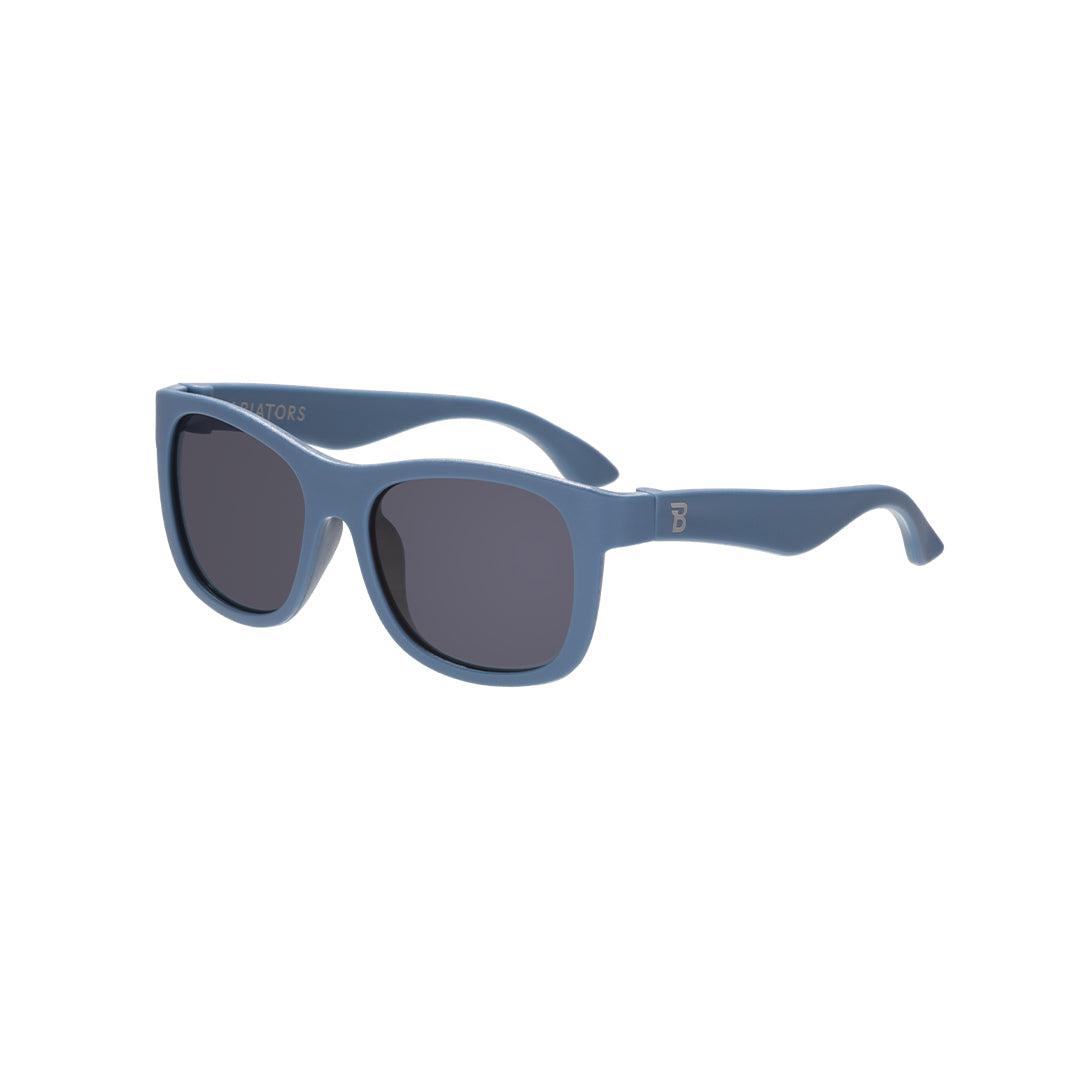
For family life, durability is not a nice-to-have. Sunglasses will be dropped on pavements, sat on in the car and tested by enthusiastic little hands. Flexible, child-proof frames are built for that kind of real-world play. Babiators sunglasses are made with 100% UV protection and virtually indestructible frames, so parents can focus on the day out rather than guarding a fragile pair of shades.
Polarised lenses can be a smart upgrade for certain situations. They are designed to reduce reflected glare from surfaces such as water, wet roads and snow. That can be particularly useful for beach holidays, boating and snowy days. For everyday park play, non-polarised sunglasses with full UV protection are still a strong choice. The best option depends on where your child spends their outdoor time.
How to help children actually wear them
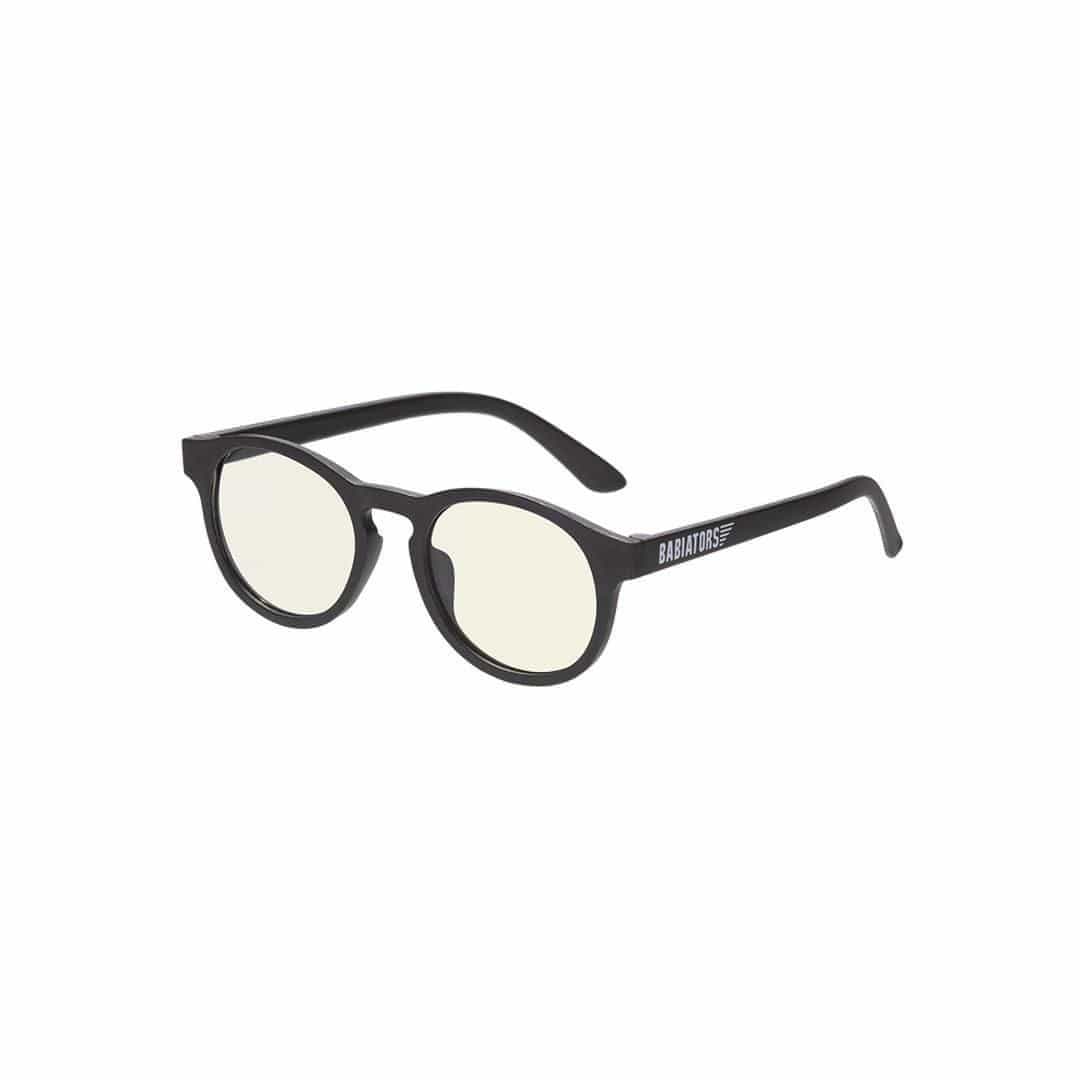
The best sunglasses are the ones your child will tolerate. Start small: put them on for a few minutes during a bright walk, rather than insisting on them for a whole afternoon. Let your child choose a frame shape or colour they are excited about. Heart-shaped frames, cheerful flowers and classic round styles can turn sun safety into part of their outfit.
Children also copy what they see. Wear your own sunglasses when the light is bright and present it as normal outdoor kit alongside coats, hats and gloves. A simple phrase works well: “The sun is bright, so we’re protecting our eyes.” No big lecture needed.
For babies and toddlers, timing helps. Pop sunglasses on when they are settled in the pushchair or carrier, then redirect their attention with a song, snack or something to spot. If they pull them off repeatedly, do not force it. Use a hat and shade, try again later, and save the sunglasses for the brightest moments.
Keep the pair easy to find. A case in the changing bag, a spot by the front door or a pocket in the ski jacket means they are there when the clouds break. Give lenses a quick clean with a soft cloth, too. Smudges can make bright conditions feel worse, not better.
Sunglasses are one part of winter sun safety
Sunglasses protect the eyes, but they do not cover everything else. On clear winter days, apply suitable sunscreen to exposed skin, including the nose, cheeks and ears. Add a hat when it works for the activity, seek shade where possible and plan for more breaks if your child is getting tired or bothered by glare.
If your child has an eye condition, has recently had eye treatment or seems unusually sensitive to light, ask an optometrist or GP for individual advice. Sunglasses can improve comfort, but specific eye-health needs deserve professional guidance.
A bright winter day should never stop a child from getting outside, climbing, splashing, skiing and spotting frosty puddles. Pack shades next to the gloves, and let them look up at the season comfortably.
 Back to Blog

