










Children Sunglasses Lens Guide for Parents
The pair that looks cutest on your child is not always the pair that does the hardest job. That is exactly why a children sunglasses lens guide matters. When you are buying for a baby, toddler or older child, the lens does the real protective work - shielding developing eyes from UV rays, cutting glare, and helping little ones stay comfortable outdoors.
For most parents, the tricky part is not choosing a fun frame shape. It is knowing what the lens label actually means, and whether you need polarised lenses, darker tints, or something extra tough for everyday wear. The good news is that once you know what to look for, choosing well becomes much simpler.
What matters most in a children sunglasses lens guide
If you remember one thing, make it this: 100% UV protection comes first. Not lens darkness, not frame style, not whether the sunglasses look sporty or dressy. A dark lens without proper UV protection can be a bad choice because it may cause the pupil to open wider, which can let in even more harmful rays if the lens is not blocking them properly.
Children's eyes are still developing, and they can be more vulnerable to UV exposure than adult eyes. That matters on bright summer days, but also on cloudy afternoons, at the beach, on snowy holidays, and even during the school run when the sun sits low and sharp.
After UV protection, most families should think about three practical points: glare reduction, durability, and how your child actually uses the sunglasses. A toddler at the park has different needs from a child spending the day on the water or in the mountains.
UV protection vs lens tint
This is where many people get caught out. A darker lens tint does not automatically mean better protection. Tint affects brightness and comfort. UV protection affects safety.
A grey, brown or mirrored lens can make sunny conditions feel easier on the eyes, but the key claim to look for is 100% UVA and UVB protection. That is the standard parents should not compromise on.
Tint still has a role, of course. A comfortable tint can help children keep their sunglasses on for longer, which is half the battle with younger wearers. If the world feels less glaring and more manageable, they are less likely to yank the sunglasses off two minutes into a walk.
When polarised lenses are worth it
One of the biggest questions in any children sunglasses lens guide is whether polarised lenses are necessary. The honest answer is: it depends.
Polarised lenses reduce intense reflected glare. Think sunlight bouncing off water, pavements, car bonnets, sand or snow. That can make a huge difference to comfort, especially for children who spend lots of time outdoors, travel often, or squint badly in bright light.
For beach days, boating, skiing, buggy rides in strong sun, and long family holidays, polarised lenses are often a smart upgrade. They help the world look clearer and less dazzling, which can make outdoor play more comfortable.
For general everyday use, standard UV-protective lenses may still do the job very well. If your child mainly wears sunglasses on local walks, in the garden, or on the way to nursery, polarised lenses are helpful but not always essential.
There is one small trade-off. Polarised lenses can sometimes make it harder to see certain digital screens clearly from some angles. For babies and toddlers, that usually will not matter. For older children in cars or around devices, it is simply something to be aware of.
Lens colour: what should parents choose?
Lens colour is often about comfort, visibility and personal preference rather than core eye safety. If the sunglasses provide 100% UV protection, the best tint is usually the one your child will wear happily.
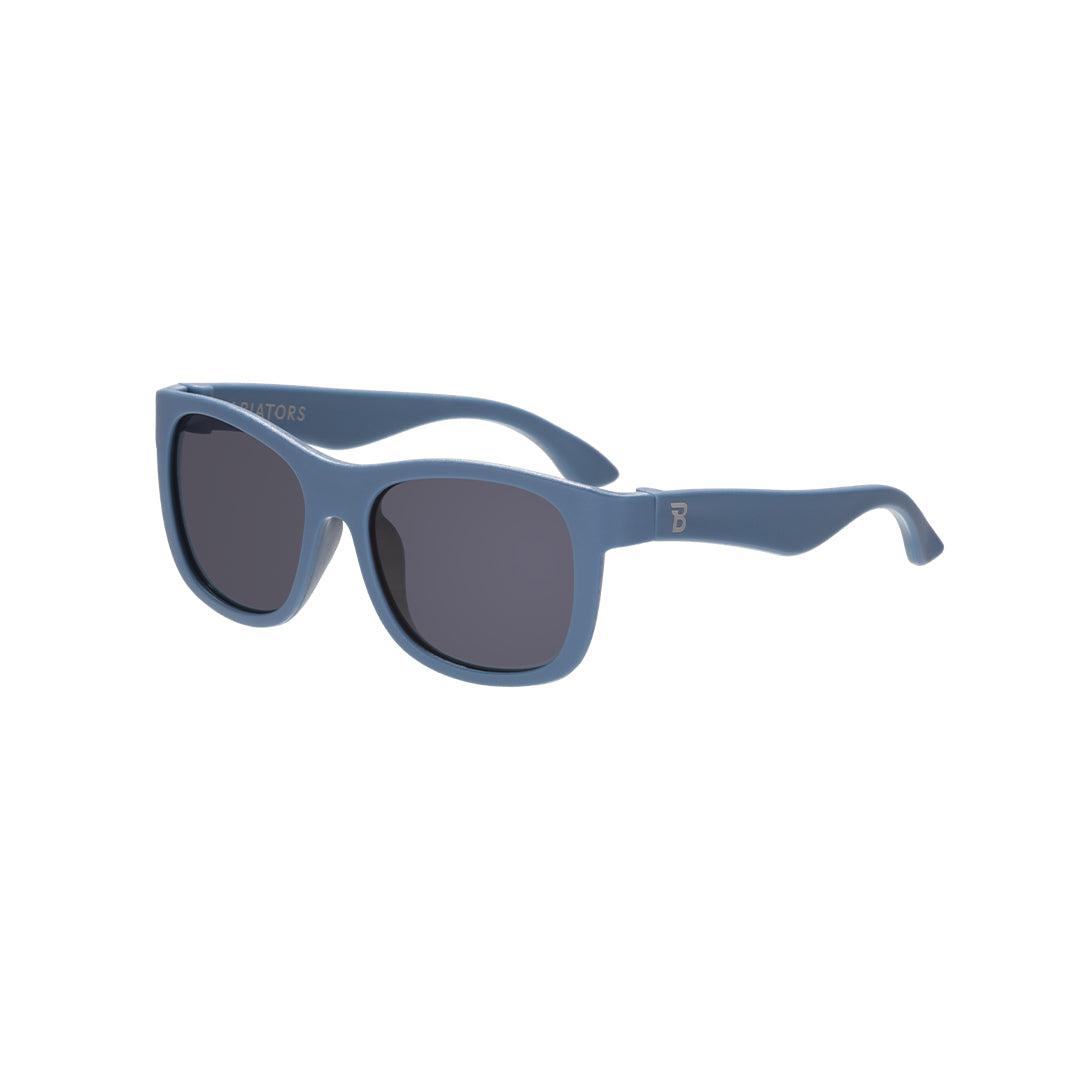
Grey lenses are a popular all-rounder because they reduce brightness without distorting colours too much. They tend to feel natural and easy to wear in strong sun.
Brown or amber-style lenses can improve contrast a little, which some parents like for bright outdoor play. They can make surroundings appear warmer, and some children find that comfortable.
Mirrored finishes can help reduce visible brightness even more and often appeal to kids because they look fun and bold. The important thing is not the mirror itself, but the protective standard underneath it.
Very pale fashion tints may be fine if they meet proper UV standards, but for serious sunny conditions many parents prefer lenses that feel more protective and practical outdoors.
Why lens material and durability matter for kids
Children do not handle sunglasses gently. They sit on them, throw them into changing bags, drop them out of buggies and twist them during snack breaks. That means lens durability matters almost as much as lens protection.
Glass lenses are generally not the right choice for young children. They are heavier and less suitable for rough handling. Lightweight, impact-resistant lenses are a far better fit for family life.
This is where buying children-specific sunglasses makes a real difference. Kids need lenses and frames built for real wear - not mini adult styles that look nice in the box and give up after one tumble on the pavement.
Scratch resistance is useful, but it helps to be realistic. No lens stays perfect forever with daily kid use. A better goal is choosing sunglasses made to handle busy, active days without becoming an instant replacement headache.
A children sunglasses lens guide by age
Babies and 0-2 years
For babies, comfort and fit are everything. If the sunglasses pinch, slide, or feel heavy, they will not stay on for long. Parents should keep the focus simple: lightweight lenses, 100% UV protection, and a secure fit that suits smaller faces.
At this age, polarised lenses can be brilliant for buggy walks, park trips and holidays, especially in bright reflected light. But the first win is getting a pair your baby will tolerate wearing.
Toddlers aged 3-5
Toddlers are active, determined and rarely careful. This is the stage where durability really earns its keep. Look for lenses that can handle daily drops and rough treatment, along with enough comfort for longer wear.
If your toddler spends lots of time outside, polarised lenses are often worth considering because they can cut down harsh glare and squinting. If they are more occasional sunglasses wearers, standard UV-protective lenses may be enough.
Kids aged 6+
Older children may have stronger opinions on style, which is not a bad thing. If they love how the sunglasses look, they are more likely to wear them. Parents can then focus on choosing the right lens technology for their routine.
For school holidays, sports, beach breaks and skiing, polarised lenses can offer a noticeable comfort boost. For everyday play, the best lens is often the one that balances reliable protection with a frame they will actually keep on.
How to match the lens to your family life
The best lens choice is not about picking the most advanced option on paper. It is about picking what suits your child's routine.
If you live outdoors all summer, walk everywhere, or take frequent sunny trips, upgraded glare reduction may be money well spent. If your child needs one dependable pair for general use, simple 100% UV lenses in a durable build can be exactly right.
If you are shopping for siblings, it also makes sense to choose differently for each child. A baby in a pram, a nursery-age adventurer and an older child on a ski holiday do not necessarily need the same lens setup.
That is one reason parents often appreciate a range that is organised by age and lens type. It takes some of the guesswork out of the process and helps you buy with more confidence.
Quick signs you are choosing well
A good pair of children's sunglasses should clearly state 100% UV protection, feel lightweight enough for your child's age, and have lenses suited to active use. If glare is a regular problem, polarised lenses are a strong option. If breakage is your main concern, durability and a solid replacement promise can matter just as much as lens spec.
At Babiators UK, that combination of serious protection and parent-friendly practicality is exactly the point. Sunglasses for kids should not feel flimsy, overcomplicated or risky to buy.
Choosing children sunglasses well does not require a degree in optics. It just takes a clear priority order: protect their eyes first, match the lens to their lifestyle second, and pick a pair built for real childhood. When the lenses are doing their job properly, outdoor time gets a lot easier for everyone.
 Back to Blog

