










Can Toddlers Wear Polarised Sunglasses?
You know the moment. You finally get sunglasses onto your toddler, step outside, and within 30 seconds they are upside down, half-chewed, or launched from the buggy. So when parents ask, can toddlers wear polarised sunglasses, they are usually asking two things at once: are they safe, and are they actually worth it?
The short answer is yes. Toddlers can wear polarised sunglasses, and for many families they are a smart choice. But polarised lenses are not the main thing that protects your child’s eyes. The first job is always 100% UVA and UVB protection. Polarisation is an extra feature that can make bright days more comfortable by cutting glare.
That distinction matters, because plenty of parents hear the word “polarised” and assume it means better eye protection overall. It can improve visual comfort, but UV protection is what helps shield developing eyes from the sun’s harmful rays. If you are choosing sunglasses for a toddler, think of UV protection as non-negotiable and polarisation as a useful bonus.
Can toddlers wear polarised sunglasses safely?
Yes, toddlers can wear polarised sunglasses safely as long as the sunglasses are designed for children, fit properly, and provide full UV protection. Polarised lenses do not damage a toddler’s vision or interfere with normal eye development.
What they do is filter reflected glare. That is the harsh light that bounces off water, pavements, car bonnets, snow, and sand. If you have ever squinted at the seaside, on a ski break, or even during a bright pushchair walk on a sunny pavement, you have seen the effect yourself.
For toddlers, less glare can mean less squinting and better comfort outdoors. That can be especially helpful for little ones who are already suspicious of wearing anything on their face. If sunglasses feel more comfortable, there is a better chance they will keep them on.
What polarised lenses actually do
Polarised lenses are made to reduce intense reflected light. They do not simply darken everything. Instead, they help block the bright, horizontal glare that can make outdoor spaces feel dazzling.
That can be useful in real family life. A toddler at the beach, beside a paddling pool, in a child seat on a sunny drive, or on a winter holiday around snow may benefit from polarised lenses because those environments throw a lot of light back upward.
The result is usually better comfort rather than dramatically better safety. Your toddler may seem less bothered by brightness, more willing to look around, and less likely to screw up their eyes on very sunny days. For children who spend lots of time outdoors, that can be a genuine plus.
UV protection comes first every time
If there is one thing to remember, make it this: dark lenses without proper UV protection are not enough. In fact, they can be a poor choice because darker lenses make the pupils open wider, which can let in more harmful UV if the lenses are not properly protective.
That is why the label matters more than the lens colour or the word polarised. Look for sunglasses with 100% UVA and UVB protection. That is the feature that supports sun safety for babies, toddlers, and bigger kids.
Young eyes are still developing, and children often get more sun exposure than adults because they spend more time outside. Their eye lenses are also clearer than adult lenses, which means more UV can reach inside the eye. Raise your sun safety early and it becomes second nature later.
When polarised sunglasses make the most sense for toddlers
Polarised sunglasses are not essential for every child in every situation. If your toddler mainly wears sunglasses on cloudy-bright days at the park or for short trips in the pram, standard lenses with 100% UV protection may do the job perfectly well.
But there are times when polarised lenses are especially useful. Beach days are an obvious one. Water reflects a surprising amount of light, and sand adds even more brightness. Snow holidays are another. Sunlight reflecting off snow can feel intense for adults, never mind little eyes. Families who travel often, spend long stretches outdoors, or live active, sun-filled lifestyles may find polarised lenses worth the upgrade.
It also comes down to the child. Some toddlers are unbothered by brightness. Others seem instantly uncomfortable in strong sun and start rubbing their eyes or refusing to look up. If your child is sensitive to glare, polarisation can make outdoor time easier.
Fit matters more than parents expect
Even the best lens technology is pointless if the sunglasses do not stay on. For toddlers, comfort and fit are everything. A pair that slips down, pinches behind the ears, or feels heavy will not last long.
Look for age-appropriate sizing rather than buying big so they can grow into them. Oversized sunglasses can slide, bounce, and let more sunlight in around the frame. A toddler-sized fit helps the lenses sit correctly and makes everyday wear much less of a battle.
Lightweight, flexible frames are also worth prioritising. Toddlers bend, twist, drop, and test everything. Their sunglasses should be ready for real-life kid behaviour, not just one careful holiday photo. Durable frames help, but comfort is what gets repeat wear.
Lens colour, darkness, and what parents really need to know
Parents sometimes wonder whether darker lenses are automatically better for very bright days. Not necessarily. Lens darkness affects how bright things look, but it does not tell you whether the sunglasses block UV. A lighter lens with 100% UV protection protects the eyes better than a dark lens without it.
For polarised toddler sunglasses, the key is balanced comfort. A lens that reduces glare without making it too hard to see in mixed light is often the best all-round option. That is especially true for busy toddlers moving between sunny paths, shaded playgrounds, and car journeys.
This is where buying children’s sunglasses made specifically for their age group helps. The design choices are more likely to reflect how little ones actually use them.
Are there any downsides to polarised lenses for toddlers?
Usually, no major ones. But there are a few trade-offs worth knowing.
First, polarised sunglasses tend to cost a bit more than non-polarised options. For some families, that is absolutely worth it for beach trips, travel, and frequent outdoor use. For others, a durable pair with 100% UV protection is the better value choice.
Second, polarised lenses can sometimes make it harder to see certain digital screens clearly from particular angles. That is not a huge issue for most toddlers, but it can occasionally affect how screens in cars or devices appear.
Third, if your child constantly removes their sunglasses after two minutes, a simpler pair that fits brilliantly may be more useful than a premium feature they never keep on. The best sunglasses are the ones your toddler will actually wear.
How to choose the right pair
Start with protection. Make sure the sunglasses offer 100% UVA and UVB protection. Then think about your family’s routine. If your toddler is often around water, snow, bright roads, or long sunny outings, polarised lenses are a strong option.
After that, focus on fit and durability. Flexible frames, child-specific sizing, and a shape that sits securely are all part of the picture. Style matters too, and that is not a silly extra. Toddlers are far more likely to wear sunglasses they enjoy. If they love the look, you may avoid the daily wrestle.
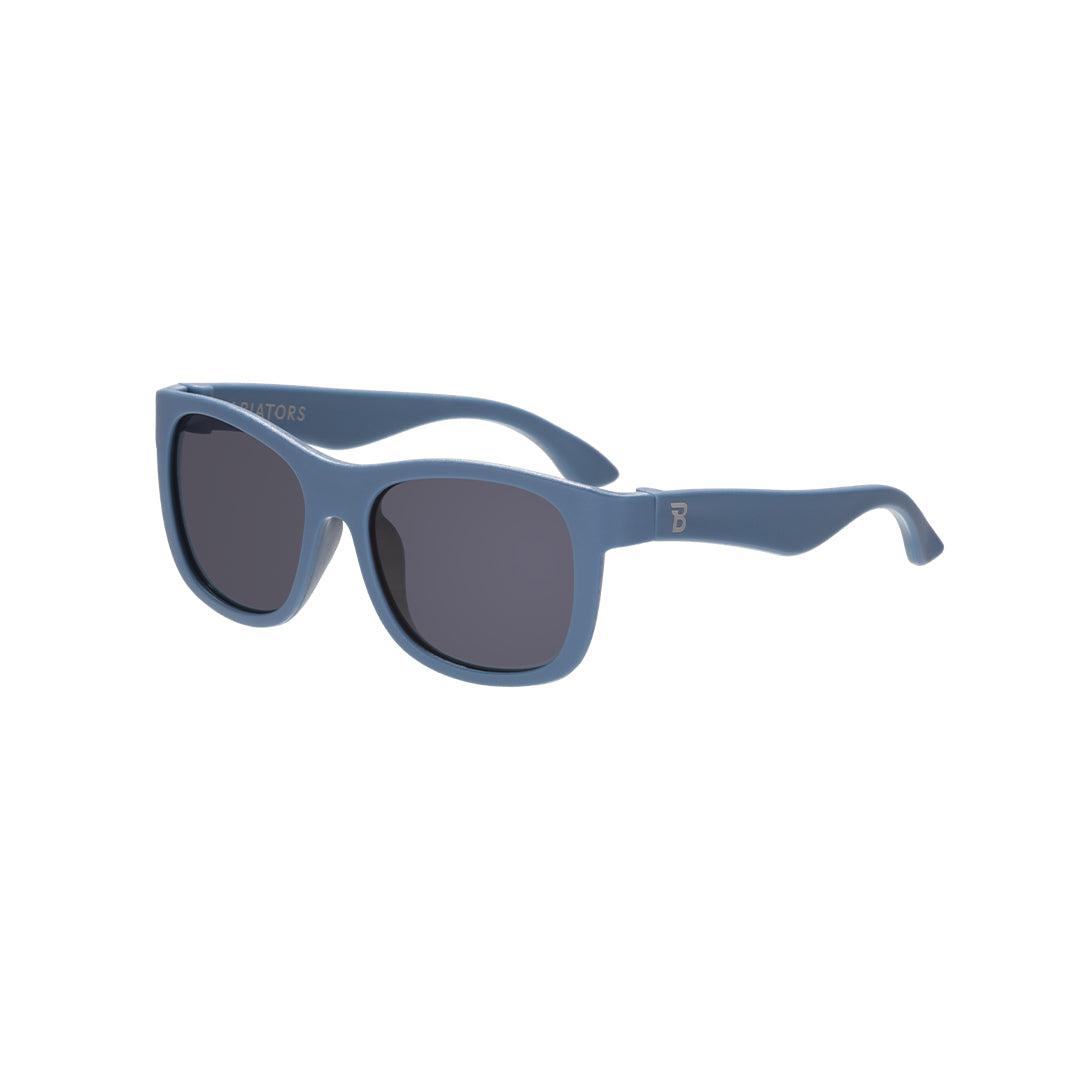
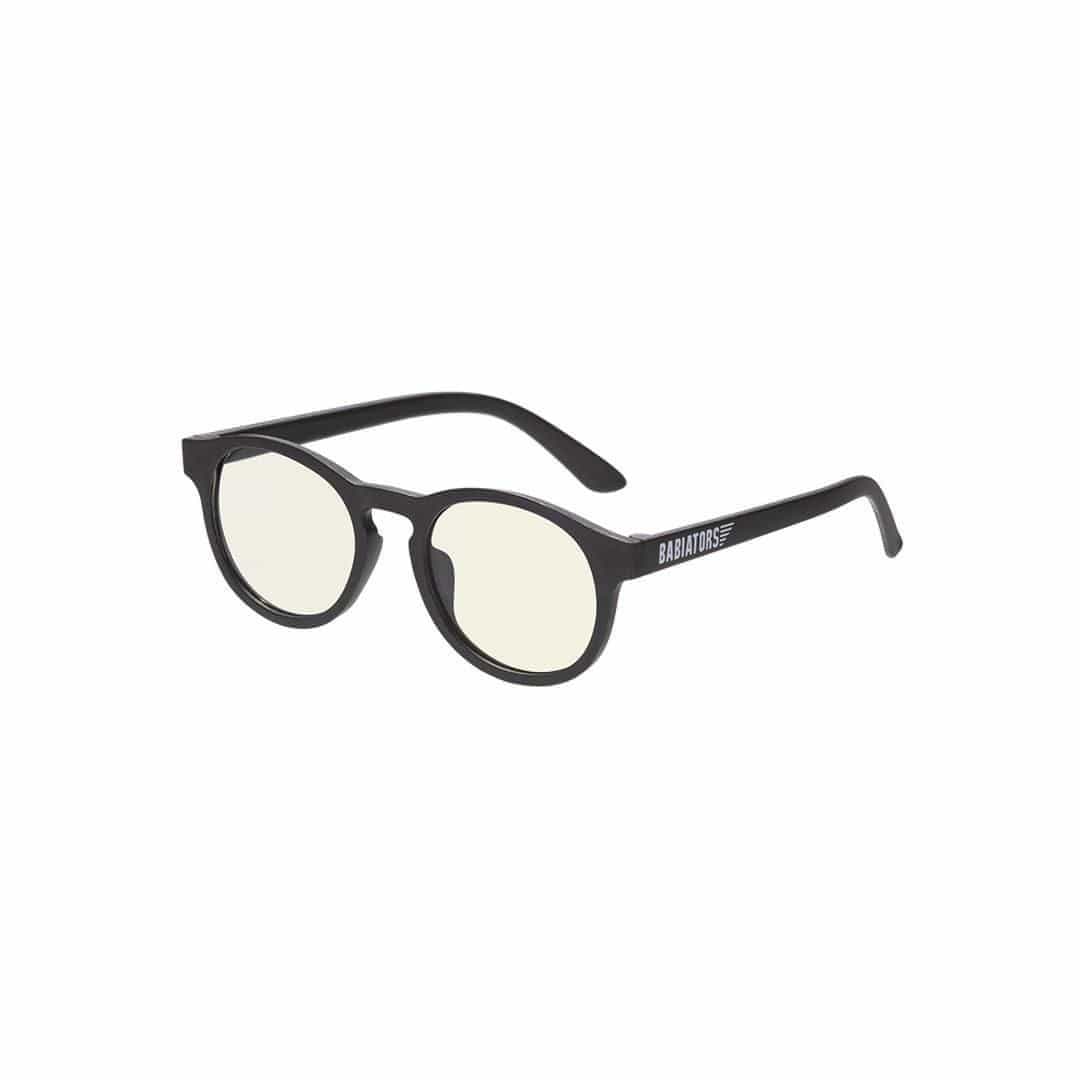
For parents who want the full package, it helps to choose sunglasses built specifically for children rather than scaled-down adult styles. Brands such as Babiators UK are designed around what kids actually do - bend them, drop them, sit on them, then run back into the sunshine.
Can toddlers wear polarised sunglasses every day?
Yes, they can. Polarised sunglasses are fine for everyday wear outdoors, especially in bright conditions. They are not just for holidays or special occasions.
That said, daily use should still make sense for the environment. On dull winter days with very low light, your toddler may not need them much. On sunny days in the park, on nursery pick-up walks, in the garden, or during a summer outing, they can be part of your regular sun-safety routine.
Think of them the same way you think about sun cream and hats. Not every day looks the same, but having the right protection ready makes outdoor life easier.
If you are wondering whether polarised sunglasses are too much for a toddler, they are not. They are simply one more way to make bright days more comfortable, provided the basics are right. Start with 100% UV protection, choose a proper toddler fit, and then decide whether glare reduction suits your family’s lifestyle. When sunglasses are protective, comfortable, and tough enough for little hands, they stop feeling like a nice extra and start feeling like an everyday essential.
 Back to Blog

