










Best Kids Sunglasses for Skiing for Snow Days
A bluebird ski day looks magical in the photos. For little eyes, though, all that white snow means seriously bright conditions. The best kids sunglasses for skiing need to do more than look cute at après-ski: they should provide dependable UV protection, stay comfortable through big outdoor days and survive being dropped in the snow for the fifth time before lunch.
For most family ski holidays, sunglasses are an essential part of the kit. They are brilliant for the resort, ski-school pick-up, lunch on the terrace, snowy walks and playing outside the chalet. On fast descents or in cold, windy weather, properly fitting ski goggles are usually the better choice. Think of sunglasses and goggles as a team, not an either-or decision.
Why snow makes sun protection non-negotiable
Snow reflects a huge amount of sunlight, so children can be exposed to UV from above and below. That can make a cloudy mountain morning feel surprisingly bright, particularly at altitude. A child who happily wears sunglasses on a summer walk may need them even more around a ski resort.
The first thing to look for is a clear promise of 100% UV protection. Dark lenses alone are not the point. A lens can look dark and still fail to provide the protection little eyes need, so always choose sunglasses made specifically for sun safety rather than a toy accessory.
It is also worth remembering that children are not simply small adults when it comes to outdoor gear. Their faces are smaller, their skin is sensitive and they are far less likely to tolerate a frame that pinches, slides or feels heavy. The right pair is the pair they will actually keep on.
What makes the best kids sunglasses for skiing?
A great ski-holiday pair balances protection, fit and real-life durability. Style matters too, because a child who loves the colour or shape of their sunglasses is more likely to wear them without a daily negotiation.
Start with full UV protection
Make 100% UV protection your non-negotiable. This is the foundation for every bright day, whether your family is heading to the mountains, the beach or the local park. Sunglasses should cover the eyes well without leaving a big gap at the sides, where reflected light can sneak in.
For snow play and resort wandering, polarised lenses can be a smart upgrade. They help cut glare bouncing off snow, ice and shiny surfaces, which can make the view feel more comfortable on bright days. Polarised sunglasses are especially useful for long lunches outdoors, sledging, sightseeing and walking between lifts.
There is a trade-off: no pair of sunglasses replaces ski goggles when conditions demand goggles. Blowing snow, high-speed runs and very cold air call for a closer, more protective fit around the eyes. Pack both, then choose based on what your child is doing rather than hoping one item covers every situation.
Choose a fit that stays put
A wobbly frame can turn a useful safety essential into something your child pushes up their nose every 20 seconds. The arms should sit comfortably around the ears, while the bridge should rest securely without digging in. Check that the frame does not press against a hat, neck warmer or helmet straps.
Age-based sizing takes much of the guesswork out of buying online. A 0-2 fit is designed for babies and very young toddlers, while 3-5 and 6+ sizing gives growing children more room without leaving them swimming in an adult-shaped frame. If your child sits between sizes, consider their face width and whether they tend to wear a chunky winter hat underneath.
Try the sunglasses at home before you travel. Let your child wear them during a walk, a scooter ride or a spell in the garden. It gives them time to get used to the feeling, and gives you time to spot any fit issues before you are standing at the top of a mountain with a reluctant skier.
Put durability high on the list
Kids' sunglasses have a tough job on a ski trip. They get stuffed into jacket pockets, trodden into boot-room floors, lent to a sibling and occasionally used as a pretend treasure map. A flexible, child-proof frame is worth choosing because it is made for exactly this kind of everyday chaos.
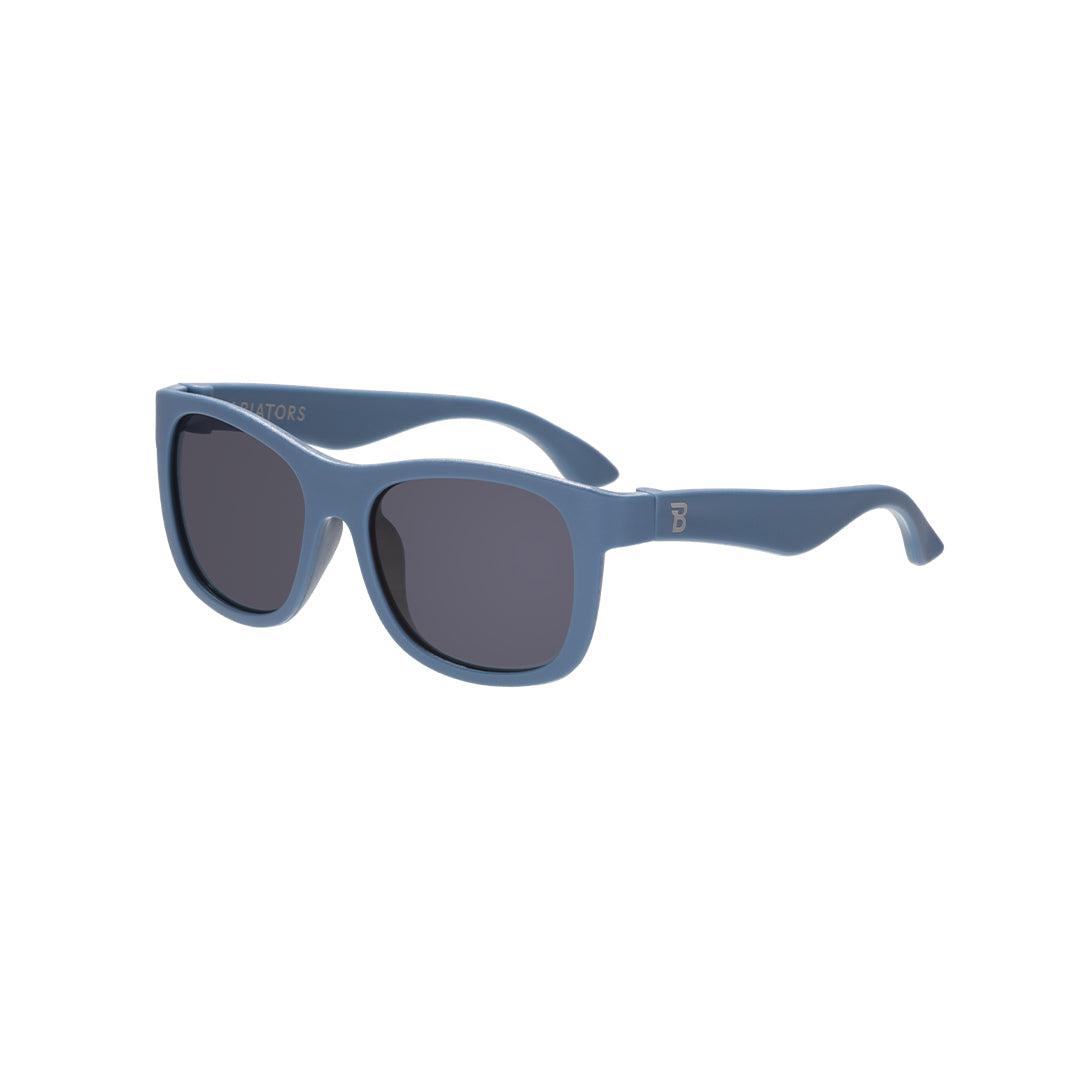
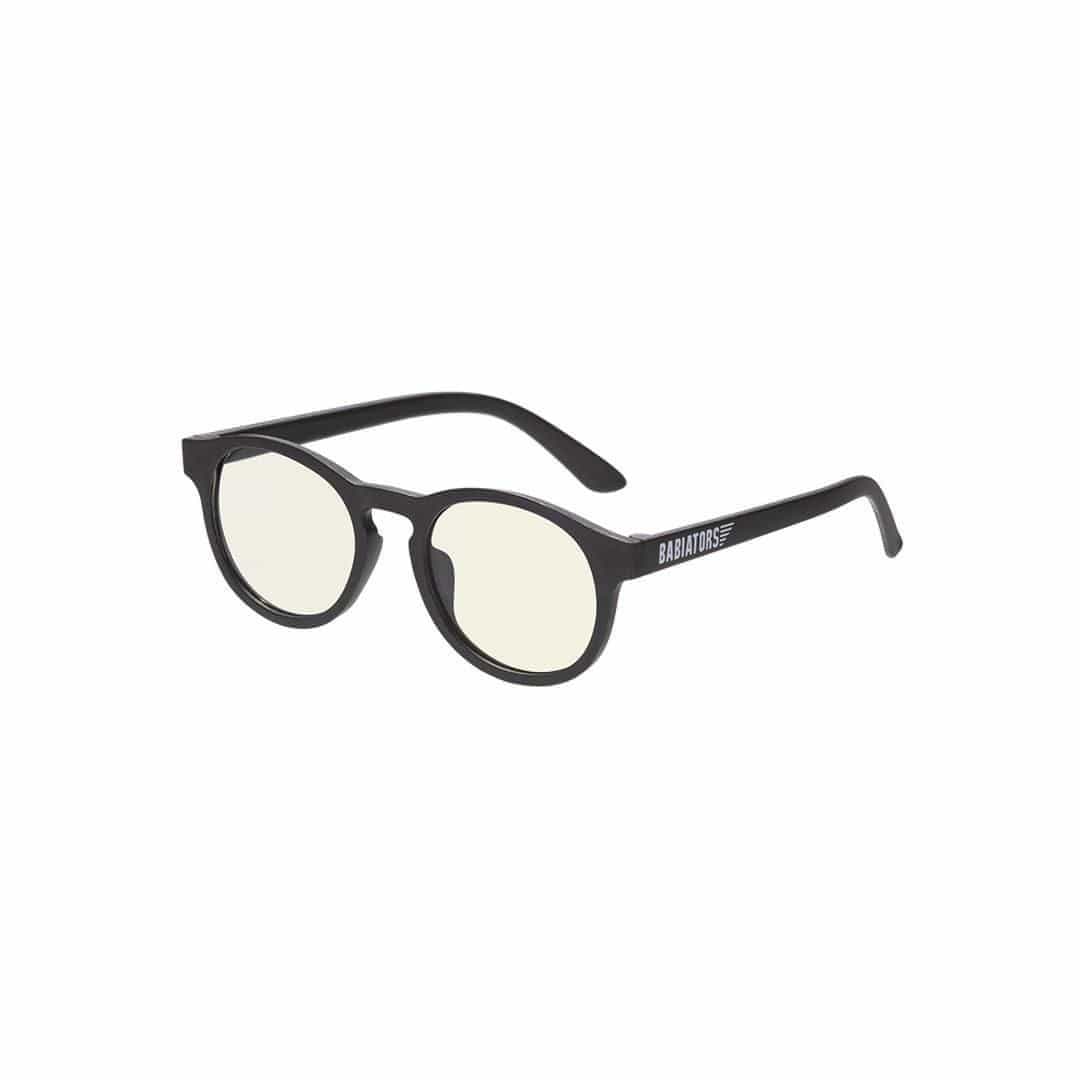
Babiators sunglasses are made to be virtually indestructible, with 100% UV protection and an Awesome Guarantee that replaces broken sunglasses free for one year. That is the sort of no-drama reassurance parents need when packing for an active family holiday.
A protective case is still a sensible addition. Durability does not mean you should let lenses rub against keys, snacks and ski-pass clips. Give the sunglasses a regular home in the day bag so they are easy to find when the clouds part.
Sunglasses or goggles for children on the slopes?
For skiing and snowboarding, goggles should be the default on the piste. They offer broader coverage against wind and snow, and their strap helps keep them in place beneath a helmet. A well-fitting pair should sit comfortably with the helmet, without a large exposed gap across the forehead.
Sunglasses come into their own before and after skiing. They are lighter for the walk to ski school, less bulky for the café terrace and much more practical for exploring the village. On a warm, still day, older children may also prefer sunglasses for gentle outdoor activities away from active runs.
Weather can change quickly in the mountains. Put goggles in the ski bag and sunglasses in the jacket pocket or a small case. That simple habit means your child has the right protection when bright sunshine, gusty wind or flat light arrives.
Pick a style they will want to wear
The best sun-safety plan is one your child does not reject. Let them have a say in the frame, especially if they are old enough to have very firm opinions about what counts as cool. Classic Aviators and Navigators can feel grown-up without being too serious, while Euro Rounds and Keyholes offer an easy everyday look. Hearts and Flowers bring extra personality for children who want their accessories to feel as fun as the holiday.
Keep practicality in the conversation. A frame that is too wide can slip beneath a hat, while a pair that feels tight may end up in a pocket. If you are choosing for a baby or toddler, comfort and a secure fit should lead the decision. For older children, offering two or three parent-approved options is often the sweet spot between safety and independence.
Colour can help with lost-property problems, too. A bright, recognisable pair is easier to spot in a busy chalet or the bottom of a rucksack than a plain dark frame.
A small ski-trip routine that makes a big difference
Build sunglasses into the morning routine alongside sun cream, gloves and helmet. Put them on once everyone is dressed and heading outdoors, rather than waiting until eyes are already squinting in the snow. For babies in pushchairs or carriers, check that the frame is sitting well beneath hats and hoods, and use the canopy or shade of the pushchair when possible.
At the end of the day, brush away loose snow and wipe lenses gently with a clean, soft cloth. Avoid using a sleeve that may be gritty from the slopes, as that can leave scratches. Then return the pair to its case or a dedicated pocket, ready for tomorrow's first run to the bakery.
A ski holiday is full of small moments your family will remember: the first chairlift, hot chocolate with rosy cheeks, the proud wobble of a first snowplough. Give little eyes proper protection for every bright one, then let the mountain magic do the rest.
 Back to Blog

